Cooking for one has a specific set of problems, and most cookbooks ignore all of them. A recipe written for four does not divide cleanly: you cannot use a third of an egg, half a can of coconut milk goes bad, and a bunch of parsley outlives your enthusiasm for it. The result is that solo cooks drift toward takeout not because they lack skill but because the logistics are genuinely worse.
So the reading order here is not beginner-to-advanced. It is problem-first: start with books written explicitly for one, then add a general reference for technique, then learn the two strategies — cooking around ingredients and cooking once for several meals — that make the economics work.
Books written for the solo cook
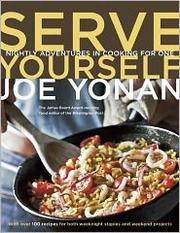
Begin with Serve Yourself. Joe Yonan wrote it after moving to a one-person kitchen himself, and it is honest about the emotional side as well as the practical one: recipes genuinely scaled for one, plus a real approach to pantry staples that keep. It treats cooking for yourself as worth doing well rather than as a compromise.
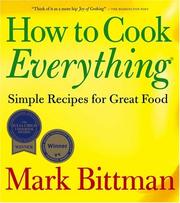
Then get a general reference on the shelf. How to Cook Everything by Mark Bittman is not a solo cookbook, but it is the book you will consult most, because once you understand a technique you can scale it yourself. Bittman's variation-heavy structure — one method, ten riffs — is exactly what a single cook needs when facing whatever is left in the fridge.
Cook around ingredients, not recipes
The biggest waste problem in a one-person kitchen is produce, which is why Six seasons comes next. Joshua McFadden organizes by vegetable and by moment in its season, which retrains you to shop for what is good and then decide what to make. That reversal — ingredient first, recipe second — is the single most useful habit for cooking alone.
Cook for your life by Ann Ogden Gaffney belongs here too. It was written for people cooking through cancer treatment, and its emphasis on nourishing, low-effort food on days when energy is short translates well to anyone cooking for themselves after a hard day. It is gentle without being condescending. If you are cooking around a medical condition, treatment or restricted diet, take the nutrition side to a dietitian rather than a cookbook — these books are about making the cooking sustainable, not about clinical nutrition.
Batch, repeat, and then get ambitious
Cook Once, Eat All Week by Cassy Joy Garcia is the strategy book: prep a protein, a starch and a vegetable, then remix them into different meals so you are not eating identical leftovers five nights running. Scale her plans down and the waste problem largely dissolves.
For reliability, The complete Cook's Country TV show cookbook from America's Test Kitchen is a deep well of tested, unfussy American recipes with the reasoning explained — useful when you want something to simply work. And when you are ready to cook for the pleasure of it, The Zuni Café Cookbook by Judy Rodgers is the reward: opinionated, beautifully written, and full of technique that rewards slow attention. Its famous roast chicken is aimed at two, but the salting method behind it will change how you cook everything.
If you want to expand into a specific cuisine next, browse the subject hubs and pick one you would actually eat weekly.
Work through these in order and cooking for one stops being a downgrade.
Follow the full ordered path here: The Best Cookbooks for Cooking for One, in Order.