IBS and digestive health: the best books to calm your gut and understand digestion
This curriculum takes you from understanding the basics of digestion and IBS, through the science of the gut-brain axis and the microbiome, and finally into the evidence-based dietary and lifestyle strategies — especially the low-FODMAP approach — that you can use alongside your healthcare team. Each stage builds the vocabulary and conceptual foundation needed to get the most out of the next, so reading in order is strongly recommended.
Foundations: Understanding Your Gut & IBS
BeginnerUnderstand what IBS is, how the digestive system works, and why symptoms occur — building the core vocabulary needed for everything that follows.
▸ Study plan for this stage
Pace: 4–5 weeks, ~25–30 pages/day (approximately 200 pages total for "Gut" by Giulia Enders)
- The anatomy and function of the digestive system from mouth to colon, including the role of the microbiome
- How the gut-brain axis works and why stress and emotions affect digestion
- What IBS is, its subtypes (IBS-D, IBS-C, IBS-M), and why it's a functional disorder rather than a structural disease
- The role of the gut microbiome in digestive health and how dysbiosis contributes to IBS symptoms
- Common triggers for IBS symptoms including food, stress, hormones, and lifestyle factors
- Why IBS symptoms occur: the interplay between gut motility, sensitivity, and the nervous system
- The difference between IBS and other digestive conditions (IBD, celiac disease, etc.)
- How to recognize your own digestive patterns and symptom triggers
- What are the main anatomical structures of the digestive system and what does each do?
- How does the gut-brain axis work, and why do emotions and stress trigger digestive symptoms?
- What is IBS and how does it differ from inflammatory bowel disease (IBD)?
- What role does the microbiome play in digestive health and IBS?
- What are the main triggers and mechanisms behind IBS symptoms?
- How can you identify your personal symptom patterns and what factors seem to worsen your symptoms?
- Create a detailed digestive anatomy diagram or map, labeling key organs and their functions as described in 'Gut'
- Keep a 2-week symptom and trigger journal: record what you eat, your stress level, sleep, and any digestive symptoms to identify patterns
- Write a 1-page personal IBS profile: describe your symptoms, subtypes, and suspected triggers based on Enders' framework
- Draw or diagram the gut-brain axis and explain in your own words how stress affects your digestion
- Create a comparison chart of IBS vs. IBD vs. celiac disease using information from the book
- Teach someone else (friend, family member) the basics of how the digestive system works and why IBS occurs—explain it as if they've never heard of it before
Next up: Understanding the foundational mechanisms of IBS and your gut's anatomy prepares you to explore targeted dietary and lifestyle interventions in the next stage, where you'll learn specific strategies to manage your symptoms based on these core principles.

A warm, accessible, and scientifically grounded introduction to how the entire digestive system works. Reading this first gives you the anatomical and functional vocabulary that every later book assumes you have.
The Gut-Brain Connection
BeginnerUnderstand the bidirectional communication between the gut and the brain, and why stress, anxiety, and mood are so tightly linked to IBS symptoms.
▸ Study plan for this stage
Pace: 4–5 weeks, ~25–30 pages/day. Start with "The Mind-Gut Connection" (3 weeks, ~20 pages/day), then "Accessing the Healing Power of the Vagus Nerve" (1–2 weeks, ~25–30 pages/day).
- The gut-brain axis: bidirectional signaling between the enteric nervous system and the central nervous system via the vagus nerve
- How the microbiota influences neurotransmitter production (serotonin, GABA, dopamine) and mood regulation
- The role of visceral sensitivity and interoception in how the brain perceives gut signals
- Stress and the HPA axis: how psychological stress triggers the sympathetic nervous system and disrupts gut function
- The vagus nerve as the primary communication highway between gut and brain, and its role in the parasympathetic response
- Neuroplasticity and how chronic stress creates maladaptive gut-brain patterns that perpetuate IBS symptoms
- Practical vagal tone assessment and activation techniques for restoring the parasympathetic state
- What is the gut-brain axis and how does bidirectional communication work between the enteric and central nervous systems?
- How do gut microbiota influence mood and anxiety, and what neurotransmitters are involved in this process?
- What is visceral sensitivity and interoception, and why do IBS patients often have heightened perception of gut signals?
- How does the HPA axis respond to stress, and what are the downstream effects on digestion and IBS symptoms?
- What is the vagus nerve, and how does vagal tone relate to parasympathetic activation and symptom relief?
- How can chronic stress create neuroplastic changes that perpetuate the gut-brain dysfunction cycle in IBS?
- Daily vagal tone self-assessment: Practice the exercises from Rosenberg's book (gentle neck stretches, humming, cold water immersion) and track your subjective sense of calm and digestive comfort for 2 weeks.
- Stress-symptom journaling: For 3 weeks, log daily stress levels (1–10), mood, and IBS symptoms to identify personal patterns in your gut-brain connection.
- Interoception practice: Spend 5–10 minutes daily doing body scans, focusing specifically on gut sensations without judgment, to build awareness of how emotions manifest physically.
- Vagal breathing exercise: Practice slow, deep diaphragmatic breathing (4-count inhale, 6-count exhale) for 5 minutes twice daily and note changes in symptom severity.
- Microbiota-mood reflection: Research one specific neurotransmitter (serotonin, GABA, or dopamine) and identify 3 foods or practices that support its production; implement one for 1 week.
- Sympathetic-to-parasympathetic transition: Identify one daily stress trigger and design a 2-minute vagal activation response (humming, cold face splash, or gentle stretching) to practice immediately after the trigger.
Next up: This stage establishes the neurobiological foundation for understanding why gut-directed therapies work; the next stage will translate this knowledge into actionable dietary, behavioral, and therapeutic interventions to rebalance the gut-brain system.

Written by a leading gastroenterologist and neuroscientist, this is the definitive accessible book on the gut-brain axis. It explains exactly why IBS is not 'all in your head' — and also why the brain matters enormously for gut health.

Builds directly on the gut-brain concept by explaining the vagus nerve's role in the stress-digestion cycle, offering practical, evidence-informed exercises that complement medical treatment.
The Microbiome: Your Inner Ecosystem
IntermediateUnderstand the role of gut bacteria in IBS and digestive health, and how diet and lifestyle shape the microbiome — setting the stage for dietary intervention.
▸ Study plan for this stage
Pace: 4–5 weeks, ~40–50 pages/day. Start with "The Good Gut" (2–3 weeks), then move to "Brain Maker" (2 weeks). This allows time for reflection between books and integration of concepts.
- The human microbiome as a complex ecosystem: composition, diversity, and the role of bacterial species in maintaining health
- How the microbiome influences digestion, nutrient absorption, and gut barrier function—the foundation of IBS symptoms
- The gut-brain axis: how microbial metabolites (especially short-chain fatty acids) communicate with the nervous system and influence mood, cognition, and visceral sensitivity
- Dysbiosis as a root cause of IBS: loss of microbial diversity and beneficial bacteria shifts the balance toward pathogenic or inflammatory species
- How diet shapes the microbiome: the role of fiber, fermented foods, and whole foods in promoting beneficial bacteria versus how processed foods and antibiotics damage microbial communities
- Lifestyle factors (sleep, stress, exercise) as modulators of microbiome composition and function
- The concept of 'rewilding' the microbiome: practical strategies to restore diversity and resilience through dietary and lifestyle changes
- The microbiome's role in immune tolerance and inflammation regulation—directly relevant to IBS pathophysiology
- What are the major bacterial phyla in a healthy human microbiome, and why is diversity critical for digestive and immune health?
- How does dysbiosis contribute to IBS symptoms such as bloating, altered bowel habits, and visceral hypersensitivity?
- Explain the gut-brain axis: how do microbial metabolites influence neurological function and IBS-related symptoms like anxiety or brain fog?
- What specific dietary changes (based on the books' recommendations) can shift your microbiome composition toward beneficial bacteria?
- How do antibiotics, stress, and poor sleep disrupt the microbiome, and what recovery strategies are discussed in the books?
- What is the difference between a dysbiotic microbiome and a resilient, diverse one, and why does this matter for IBS management?
- Map your current microbiome: document your typical diet, stress levels, sleep quality, and antibiotic history for one week. Identify which factors align with dysbiosis risk factors discussed in the books.
- Conduct a 'fiber audit': track your daily fiber intake for 3 days and compare it to the recommendations in 'The Good Gut.' Identify gaps and plan 2–3 high-fiber foods to introduce gradually.
- Create a personalized 'microbiome-friendly' meal plan for one week using principles from both books: include fermented foods, prebiotic-rich vegetables, and whole grains while minimizing processed foods.
- Practice a stress-reduction technique (meditation, deep breathing, or gentle yoga) for 10 minutes daily for one week, then journal how you feel physically and mentally—connecting the gut-brain axis to your lived experience.
- Research and taste-test 3 fermented foods (e.g., sauerkraut, kimchi, kefir, kombucha) discussed in the books. Note any digestive changes over 2 weeks and reflect on microbial diversity implications.
- Design a 'microbiome recovery protocol' for yourself: outline specific dietary, lifestyle, and supplemental changes you'll implement based on the books' evidence, with a 4-week timeline and measurable markers (e.g., symptom reduction, energy levels).
Next up: This stage establishes the scientific foundation for why the microbiome matters in IBS, preparing you to move into the next stage where you'll learn specific dietary interventions (such as the low-FODMAP diet, elimination protocols, or targeted supplementation) that directly manipulate the microbiome to resolve symptoms.

A research-backed but readable guide to how gut bacteria influence digestion and overall health. It bridges the gap between microbiome science and practical dietary choices, preparing you for the FODMAP stage.
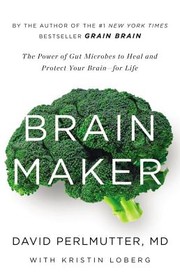
Explores how the microbiome influences both gut and brain health, reinforcing the gut-brain connection with a dietary lens and motivating the dietary changes covered in the next stage.
The Low-FODMAP Approach
IntermediateLearn the low-FODMAP dietary framework in depth — what FODMAPs are, how to implement the elimination and reintroduction phases, and how to personalize the diet long-term.
▸ Study plan for this stage
Pace: 4–5 weeks, ~25–30 pages/day, with 2–3 days per week dedicated to practical application and meal planning
- What FODMAPs are: fermentable oligosaccharides, disaccharides, monosaccharides, and polyols—and why they trigger IBS symptoms in sensitive individuals
- The three-phase low-FODMAP protocol: elimination (strict avoidance), reintroduction (systematic testing), and personalization (long-term management)
- High-FODMAP vs. low-FODMAP food categories and how to read labels and identify hidden sources
- The elimination phase strategy: duration, which foods to remove, how to ensure nutritional adequacy, and what symptom improvement to expect
- Reintroduction methodology: how to test individual FODMAP groups systematically, track responses, and interpret results
- Personalization and long-term sustainability: building a flexible, individualized diet that maintains symptom control without unnecessary restriction
- Practical implementation: meal planning, grocery shopping, dining out, and managing social/cultural food contexts on a low-FODMAP diet
- What are FODMAPs, and why do they cause digestive symptoms in people with IBS?
- What are the three phases of the low-FODMAP diet, and what is the primary goal of each phase?
- How long should the elimination phase typically last, and what key symptoms or improvements should you monitor?
- How do you systematically reintroduce FODMAP groups, and what constitutes a positive or negative response?
- What are the most common high-FODMAP foods in major food groups (grains, fruits, vegetables, proteins, dairy), and what are their low-FODMAP alternatives?
- How do you personalize the low-FODMAP diet long-term to maintain symptom control while maximizing food variety and nutritional balance?
- Complete a 7-day food and symptom diary before starting the elimination phase, using Shepherd's tracking template to establish a baseline
- Plan and prepare a full week of low-FODMAP meals using recipes from the book, focusing on variety across all food groups
- Create a personalized high-FODMAP and low-FODMAP food list by category, highlighting your most common trigger foods
- Practice label reading on 10–15 packaged foods in your kitchen, identifying hidden FODMAP sources (e.g., garlic, onion, high-fructose corn syrup)
- Design a reintroduction schedule for one FODMAP group (e.g., fructans or lactose), including portion sizes, testing days, and symptom tracking
- Plan and execute one low-FODMAP meal at a restaurant or social gathering, using Shepherd's dining-out strategies and communication tips
Next up: This stage equips you with the foundational knowledge and practical skills to implement low-FODMAP eating independently; the next stage will likely explore advanced topics such as managing low-FODMAP eating in specific contexts (pregnancy, athletes, different cultures), troubleshooting persistent symptoms, or integrating other complementary dietary and lifestyle strategies for long-term IBS manage

Co-authored by one of the researchers who helped develop the FODMAP concept at Monash University, this book adds scientific depth and a comprehensive recipe framework to complement the step-by-step protocol you just learned.
Evidence-Based Habits & Long-Term Wellbeing
ExpertIntegrate everything learned into sustainable, evidence-based lifestyle habits — including stress management, sleep, movement, and mindful eating — to support long-term digestive health alongside your care team.
▸ Study plan for this stage
Pace: 8–10 weeks, ~25–30 pages/day (alternating between both books; start with "Fiber Fueled" weeks 1–5, then "The Relaxation Response" weeks 6–10, with 1–2 weeks for integration and practice)
- The gut microbiome as a dynamic ecosystem: how fiber diversity feeds beneficial bacteria and reduces inflammation through short-chain fatty acid production
- Practical fiber strategies: the 'Fiber Fueled' framework for gradually increasing soluble and insoluble fiber without triggering IBS symptoms
- The gut-brain axis: how chronic stress and anxiety directly impair digestion, increase intestinal permeability, and worsen IBS symptoms
- The Relaxation Response as a physiological counterbalance: eliciting the parasympathetic nervous system to reduce stress-induced digestive dysfunction
- Integration of mind-body practices: combining dietary changes with stress management, sleep optimization, and mindful eating for sustainable healing
- Personalization and self-monitoring: tracking your unique responses to fiber, stress levels, and relaxation practices to build an evidence-based protocol
- Long-term sustainability: building habits that work with your lifestyle, care team, and individual biology rather than relying on willpower alone
- How does the gut microbiome influence IBS symptoms, and what role does fiber diversity play in restoring microbial balance?
- What is the practical approach in 'Fiber Fueled' for increasing fiber intake without exacerbating bloating, gas, or other IBS symptoms?
- How does the Relaxation Response work physiologically, and what is the difference between it and other stress-reduction techniques?
- What is the gut-brain axis, and how do stress, anxiety, and poor sleep directly impact your digestive health?
- How can you integrate fiber-based dietary changes with stress management and sleep habits to create a sustainable, personalized protocol?
- What metrics or self-monitoring practices should you use to track whether your integrated habits are actually improving your digestion and overall wellbeing?
- Create a 'Fiber Audit': log your current fiber intake for 3 days, identify your primary fiber sources, and design a 12-week gradual increase plan using 'Fiber Fueled' principles (adding ~5g per week)
- Practice the Relaxation Response daily for 2 weeks: choose a focus word, sit quietly for 10–20 minutes, and record your stress level and digestive symptoms before and after each session
- Design a personalized 'Stress-Digestion Tracker': monitor your daily stress level (1–10), sleep quality, fiber intake, and IBS symptoms in a simple spreadsheet to identify your personal gut-brain patterns
- Implement one mindful eating meal per day: eat without screens, chew thoroughly (20+ chews per bite), and notice how this affects satiety, bloating, and symptom severity
- Create a weekly 'Integration Plan': combine one fiber strategy from 'Fiber Fueled' with one stress-management practice from 'The Relaxation Response' and track adherence and outcomes
- Conduct a 'Sleep & Digestion Experiment': optimize one sleep variable (e.g., bedtime, room temperature, screen cutoff time) for 2 weeks and measure its impact on IBS symptoms and stress resilience
Next up: This stage equips you with evidence-based tools to manage IBS through diet, stress, and lifestyle—preparing you to move into either specialized protocols (e.g., low-FODMAP fine-tuning, advanced gut-healing supplements) or collaborative care planning with your healthcare team based on your tracked outcomes.

A gastroenterologist's evidence-based case for a diverse, plant-rich diet that supports the microbiome long after the FODMAP elimination phase ends. It helps you build a sustainable, gut-friendly eating pattern for life.

A classic, evidence-based text on using relaxation techniques to down-regulate the stress response — directly applicable to the gut-brain axis and a powerful complement to dietary changes for IBS management.
Discussion
Keep reading
Paths that share books, cover the same subject, or open a related topic.