Migraines and headaches: the best books to understand triggers and find relief
This curriculum takes a beginner from "what is a migraine?" all the way to confidently applying evidence-based self-management strategies alongside professional medical care. The three stages move from accessible personal-and-clinical overviews, through trigger identification and lifestyle medicine, to the most rigorous science-backed prevention and treatment frameworks — so each stage builds the vocabulary and confidence needed for the next.
Foundations: Understanding What's Happening
BeginnerUnderstand what migraines and headaches actually are — their biology, types, and why they are a neurological condition — and feel less alone and confused by the experience.
▸ Study plan for this stage
Pace: 4–5 weeks, ~40–50 pages/day. Start with "The Migraine Brain" (weeks 1–2), then move to "Heal Your Headache" (weeks 3–5). Allow 2–3 days per book for review and reflection.
- Migraines are a neurological disorder with distinct biological mechanisms, not just 'bad headaches' or a sign of weakness
- The migraine brain has heightened sensitivity to sensory stimuli (light, sound, smell) and environmental triggers due to nervous system differences
- The migraine process involves multiple stages: prodrome, aura, headache phase, and postdrome—each with distinct symptoms and biology
- Common triggers (food, stress, hormonal changes, sleep disruption, weather) activate the migraine cascade in susceptible brains
- The 'elimination diet' approach in Buchholz's method identifies personal trigger foods by removing common culprits and reintroducing them systematically
- Understanding your migraine type (with or without aura, frequency, severity) is essential for choosing appropriate management strategies
- Migraines are treatable and manageable; knowledge of your condition reduces fear and isolation and empowers self-advocacy
- What are the biological differences between a migraine and a tension headache, and why is this distinction important?
- Describe the four phases of a migraine attack and what happens in the brain during each phase.
- What does Bernstein mean by the 'migraine brain,' and how does heightened sensory sensitivity contribute to migraine susceptibility?
- What are at least five common migraine triggers, and how do they activate the migraine cascade?
- Explain Buchholz's elimination diet approach: what foods are typically removed first, and how do you systematically reintroduce them?
- How can understanding your personal migraine pattern (frequency, triggers, symptoms) help you develop a management plan?
- Create a personal migraine profile: document your migraine type, frequency, typical symptoms, and known triggers based on Bernstein's framework.
- Keep a detailed migraine diary for 1–2 weeks, tracking date, time, symptoms, suspected triggers (food, stress, sleep, weather), and severity—use this to identify patterns.
- Design your own elimination diet plan following Buchholz's method: list the high-trigger foods to remove first (caffeine, MSG, nitrates, etc.) and create a reintroduction schedule.
- Create a visual 'migraine phases' chart showing the four stages of a migraine attack, the biological processes occurring, and typical symptoms you experience in each phase.
- Interview a friend or family member about their headache experience, then explain to them the difference between a migraine and a tension headache using Bernstein's concepts.
- Develop a personal 'trigger map' identifying your top 5–7 environmental, dietary, and lifestyle triggers and brainstorm one practical avoidance or management strategy for each.
Next up: This stage establishes the biological foundation and personal awareness needed to move into the next stage, where you'll learn specific management strategies, medication options, and lifestyle modifications to actively reduce migraine frequency and severity.
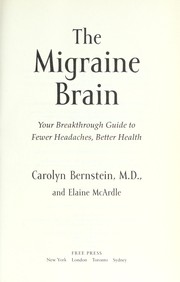
Written by a neurologist who is herself a migraine sufferer, this is the ideal first book — it explains the neuroscience of migraines in plain language and immediately validates the reader's experience while introducing key clinical vocabulary.
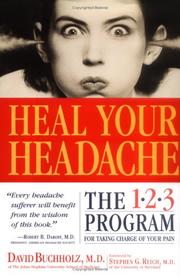
A Johns Hopkins neurologist lays out a clear, practical framework for understanding headache triggers and the migraine threshold concept — foundational ideas that every subsequent book in this curriculum builds upon.
Triggers & Lifestyle: Taking Back Control
BeginnerIdentify personal triggers across diet, sleep, stress, and hormones, and begin building a personalized prevention toolkit that works alongside a doctor's plan.
▸ Study plan for this stage
Pace: 4–5 weeks, ~25–30 pages/day, with 2–3 days per week dedicated to trigger tracking and lifestyle experiments
- Personal trigger identification across diet, sleep, stress, and hormonal patterns as the foundation for prevention
- How to use a migraine diary or tracking tool to spot patterns and correlations between behaviors and headaches
- Dietary triggers (caffeine, alcohol, processed foods, food additives) and how elimination diets work
- Sleep quality and consistency as a migraine prevention lever, including sleep hygiene practices
- Stress management and relaxation techniques (progressive muscle relaxation, breathing exercises) tailored to your lifestyle
- Hormonal influences on migraines in women, including menstrual cycle tracking and hormone-related patterns
- Building a personalized prevention toolkit that complements medical treatment, not replaces it
- How lifestyle changes create a foundation for medication effectiveness and long-term migraine management
- What are your top 3–5 personal migraine triggers, and how did you identify them?
- How can you use a migraine diary to spot patterns, and what specific information should you record each day?
- Which dietary triggers are most relevant to you, and what elimination or modification strategy will you test first?
- What changes to your sleep routine could realistically improve your migraine frequency, and how will you implement them?
- How does stress affect your migraines, and which stress-management technique feels most sustainable for your life?
- If you are a woman, how do hormonal fluctuations influence your migraine patterns, and what tracking method will you use?
- Start a 2-week migraine diary: record headache onset, duration, intensity (1–10 scale), suspected triggers, sleep quality, stress level, diet, and menstrual cycle (if applicable); review weekly to identify patterns
- Conduct a single-trigger elimination experiment: remove one suspected dietary trigger (e.g., caffeine, alcohol, or processed foods) for 2 weeks, track migraine frequency and severity, then reintroduce and observe
- Design and implement a sleep optimization plan: establish a consistent bedtime/wake time, create a pre-sleep routine, and track sleep quality and migraine frequency for 3 weeks
- Practice and log 3 different stress-management techniques (e.g., 5-minute breathing exercises, progressive muscle relaxation, or a short walk) 3–4 times per week; note which feels most effective and sustainable
- Create a one-page personal prevention toolkit: list your identified triggers, top 2–3 lifestyle changes you'll prioritize, your stress-management go-to, sleep targets, and dietary modifications; share with your doctor
- If applicable, track your menstrual cycle alongside migraine patterns for 2–3 months using a simple calendar or app; identify any hormonal migraine clusters and discuss patterns with your doctor
Next up: This stage equips you with concrete, personalized trigger knowledge and lifestyle strategies that form the foundation for the next stage, where you'll learn how to integrate these insights with medical treatment options and work with your healthcare provider to optimize your overall migraine management plan.

A health coach and migraine sufferer presents an 8-week, step-by-step lifestyle program covering diet, sleep, and stress — a natural next step after understanding the trigger concept introduced by Buchholz.

Focuses on hormonal triggers and the specific migraine patterns experienced by women across the lifespan; essential reading for female readers and highly informative for anyone wanting to understand hormonal influences.
Evidence-Based Management: Partnering with Your Doctor
IntermediateUnderstand the full landscape of evidence-based treatments — acute, preventive, and behavioral — so you can have informed, productive conversations with your neurologist and make empowered decisions.
▸ Study plan for this stage
Pace: 4–5 weeks, ~40–50 pages/day (focusing on acute treatment, preventive medication, and behavioral management chapters)
- Acute migraine treatment hierarchy: triptans, NSAIDs, combination therapies, and when to escalate to rescue medications
- Preventive medication classes (beta-blockers, calcium channel blockers, anticonvulsants, antidepressants, monoclonal antibodies) and their evidence base, side effects, and patient selection criteria
- Behavioral and lifestyle interventions (trigger avoidance, sleep hygiene, stress management, biofeedback) as foundational and complementary to pharmacotherapy
- The concept of medication overuse headache (MOH): definition, risk factors, and how to avoid it through proper acute medication dosing limits
- How to evaluate treatment efficacy: defining response rates, understanding NNT (number needed to treat), and realistic expectations for migraine reduction
- Personalized treatment planning: matching medication choice to patient comorbidities, contraindications, lifestyle, and migraine phenotype
- The role of headache diaries and tracking in informing treatment decisions and monitoring response over time
- When to refer or escalate: recognizing red flags, status migrainosus, and indications for specialist intervention
- What are the first-line acute treatments for migraine, and how do you decide between triptans, NSAIDs, and combination therapies based on patient presentation?
- Name three classes of preventive medications for migraine and explain the evidence, typical dosing, and key side effects or contraindications for each.
- What is medication overuse headache, what dosing thresholds trigger it, and how would you counsel a patient to avoid it?
- How would you explain the concept of NNT (number needed to treat) to a patient, and why is it important when discussing treatment options?
- Describe a comprehensive, personalized migraine management plan that integrates acute treatment, preventive medication, and behavioral interventions for a specific patient scenario.
- What role does a headache diary play in evidence-based migraine management, and what key data should patients track?
- Create a comparison table of at least 5 preventive medication classes (mechanism, typical dose range, efficacy data, main side effects, contraindications) using the Handbook as your source.
- Write a mock patient case: design a complete treatment plan (acute + preventive + behavioral) for a 35-year-old woman with episodic migraine and comorbid anxiety, justifying each choice with evidence from the text.
- Build a personal headache tracking template (digital or paper) that captures the key variables the Handbook recommends monitoring, then use it to track your own headaches or a hypothetical patient's for 2 weeks.
- Summarize the evidence (efficacy rates, NNT, adverse event profiles) for three acute migraine treatments in a one-page patient-friendly handout you could give to a doctor's office.
- Identify and list medication overuse headache risk factors and dosing thresholds from the Handbook; create a patient education checklist to prevent MOH.
- Role-play or write out a dialogue between you and a neurologist in which you ask informed questions about your migraine treatment options, citing specific evidence from the Handbook.
Next up: This stage equips you with the clinical knowledge and decision-making framework to have expert-level conversations with your doctor and understand the rationale behind treatment recommendations, preparing you to move into the next stage where you'll learn to manage treatment challenges, optimize your personal regimen, and handle complex or refractory cases.
A comprehensive clinical reference written accessibly for patients by a leading headache specialist, covering diagnosis, all major treatment categories, and emerging therapies — the capstone reference for an informed patient.
Discussion
Keep reading
Paths that share books, cover the same subject, or open a related topic.