Caregiving careers: the work AI will never do
This curriculum takes a beginner from the emotional and ethical foundations of caregiving all the way through specialized dementia care, professional certification, and the deeper human dimensions of accompanying people through aging and dying. Each stage builds on the last — you must understand the person before you can master the skill, and you must master the skill before you can lead or specialize.
Foundations: The Heart & Mindset of Caregiving
BeginnerUnderstand what caregiving truly demands — emotionally, physically, and ethically — and build the empathetic foundation every skilled caregiver needs before touching a single clinical skill.
▸ Study plan for this stage
Pace: 2–3 weeks, ~25–30 pages/day — read slowly and reflectively; this is not a technical manual but a philosophical foundation, so pause frequently to journal and absorb Gawande's stories
- The difference between a 'safe' life and a 'meaningful' life for those in decline — Gawande's central tension between medical paternalism and patient autonomy
- The limits of modern medicine: how the healthcare system is structurally oriented toward cure and intervention rather than comfort, dignity, and quality of life
- Assisted living vs. nursing home culture: understanding how environment and institutional philosophy shape a care recipient's sense of selfhood and agency
- 'Whelming' vs. overwhelming: the caregiver's role in calibrating support so it enables rather than strips independence
- The five questions framework — Gawande's approach to having honest conversations about priorities, fears, and acceptable trade-offs at end of life
- The concept of 'a good death' and what it reveals about what good caregiving looks like at every stage — not just the final one
- The emotional labor of caregiving: witnessing suffering, holding hope, and managing one's own grief without abandoning the person being cared for
- Ethical presence: being honest with care recipients even when the truth is hard, rather than defaulting to false reassurance
- In your own words, what is the core argument Gawande makes about how modern medicine fails aging and dying patients — and what does that failure look like in a home caregiving context?
- Gawande describes several models of elder care (nursing homes, assisted living, the Eden Alternative, etc.). What distinguishes the models he admires, and what caregiving values do they reflect?
- What are the five key questions Gawande suggests asking someone facing serious illness, and why does he consider honest conversation a caregiving act in itself?
- How does Gawande define a 'good death,' and how does that definition challenge or expand your prior assumptions about what skilled caregiving should accomplish?
- Describe a moment in the book where a caregiver or physician prioritized safety or medical outcomes over the patient's stated wishes. What went wrong, and what would a more person-centered approach have looked like?
- After reading Being Mortal, how would you articulate the emotional and ethical demands of caregiving to someone who thinks it is primarily a set of physical tasks?
- **Reflective Journaling — Your Caregiving 'Why':** After finishing the book, write 1–2 pages answering: 'What does a good day look like for the person I am (or will be) caring for?' Use Gawande's five questions as a prompt. This forces you to practice person-centered thinking before any clinical training begins.
- **The Five Questions Role-Play:** With a trusted friend or family member, practice asking Gawande's five end-of-life priority questions as if they were a care recipient. Then switch roles. Debrief: What felt uncomfortable? What surprised you? This builds the conversational muscle caregivers need.
- **Facility Observation (if accessible):** Visit or research (via reviews, virtual tours, or interviews) two different elder care environments — one institutional, one home-based or Eden Alternative-style. List 10 specific differences in how resident autonomy and dignity are supported or undermined, drawing on Gawande's framework.
- **'Whelming' Audit:** Think of a real or hypothetical care scenario (bathing, meal prep, mobility). Write out three versions of helping: under-helping (abandoning), over-helping (stripping autonomy), and 'just right' (enabling). This operationalizes one of Gawande's subtlest but most practical ideas.
- **Obituary Exercise:** Gawande asks what matters most to people at the end. Write a short (one-page) 'values obituary' for yourself — not about achievements, but about what kind of daily life, relationships, and small pleasures defined you. Then write one for someone you may care for. Compare them. Notice the gaps.
- **Concept Map:** Draw a visual map connecting at least six key ideas from Being Mortal (e.g., autonomy, institutional care, honest conversation, fear of death, medical paternalism, quality vs. quantity of life). Add one real-world caregiving implication to each node. This consolidates the book's web of ideas into a reference you'll carry into later stages.
Next up: Being Mortal establishes *why* caregiving must be person-centered and ethically grounded; the next stage builds on that 'why' by introducing the *how* — the clinical, communicative, and practical skills that translate this compassionate mindset into safe, competent hands-on care.

Gawande reframes what good care for aging and dying people actually means, giving beginners the philosophical 'why' behind skilled caregiving before they learn the 'how.'
Core Skills: Practical Home Health & Personal Care
BeginnerAcquire the hands-on, day-to-day caregiving skills used in home health settings — safe patient handling, personal care, vital signs, nutrition, medication awareness, and documentation.
▸ Study plan for this stage
Pace: 6–8 weeks, ~20–25 pages/day, 5 days/week. Week 1: Chapters on the role of the nursing assistant, communication, and infection control. Weeks 2–3: Safe patient handling, body mechanics, positioning, and transfers. Weeks 4–5: Personal care (bathing, grooming, oral care, dressing, toileting) and skin/p
- Role and scope of practice of the nursing assistant — what CNAs may and may not do in a home/facility setting
- Standard Precautions and infection control: hand hygiene, PPE, isolation procedures, and chain of infection
- Body mechanics and safe patient handling: proper lifting, turning, repositioning, and use of assistive devices to protect both caregiver and client
- Personal care routines: bed baths, perineal care, oral hygiene, hair/nail care, dressing, and toileting assistance
- Pressure injury (bedsore) prevention: skin inspection, repositioning schedules, and protective devices
- Vital signs measurement and normal ranges: temperature, pulse, respiration, blood pressure, and oxygen saturation (TPR-BP-SpO2)
- Basic nutrition and hydration: therapeutic diets, fluid balance, feeding assistance, and recognizing signs of dehydration or malnutrition
- Medication awareness: the '6 Rights,' recognizing common medications and side effects, and the CNA's documentation and reporting responsibilities
- What are the legal and ethical boundaries of a nursing assistant's scope of practice, and what tasks must always be escalated to a licensed nurse?
- Describe the chain of infection and explain at least three Standard Precautions that break it in a home health context.
- Walk through the correct body mechanics for turning a dependent client from supine to side-lying — what are the key safety checkpoints?
- What are the stages of pressure injuries, and what daily skin-care and repositioning steps does Hartman's recommend to prevent them?
- What are the normal adult ranges for each vital sign, and what changes should be immediately reported to a supervisor?
- How does a nursing assistant assist a client with a therapeutic diet (e.g., pureed or low-sodium), and what signs of dehydration or aspiration should prompt a report?
- What are the '6 Rights of Medication Assistance,' and what is the CNA's role versus the nurse's role when medications are involved?
- What information must be included in accurate, objective care documentation, and why does Hartman's emphasize 'if it wasn't documented, it wasn't done'?
- Vital-signs practice log: Using a blood pressure cuff, pulse oximeter, and thermometer (or simulation app), take and record your own or a partner's vitals daily for two weeks, comparing readings to the normal ranges listed in Hartman's and noting any deviations.
- Return-demonstration checklist: Using the step-by-step procedures in Hartman's, practice each personal care skill (hand washing, bed bath, oral care, perineal care, dressing) on a mannequin, willing partner, or pillow stand-in, checking off each step in the book's procedure boxes.
- Positioning and transfer simulation: With a partner or a weighted doll, practice the repositioning sequences (supine → side-lying → Fowler's) and a stand-pivot transfer, verbalizing your body-mechanics checklist aloud as you go.
- Pressure injury prevention audit: Inspect a willing participant's (or your own) bony prominences using the skin-assessment criteria in Hartman's; create a mock repositioning schedule and document it as if it were a real care record.
- Medication-awareness scenario cards: Write 10 index cards, each describing a client situation (e.g., 'client refuses morning pills,' 'you notice an unlabeled bottle on the nightstand'); for each card, write the correct CNA response using the 6 Rights framework and Hartman's reporting guidelines.
- Documentation drill: After each practice session, write a brief, objective care note (date, time, task performed, client response, anything unusual) using the format and language standards described in Hartman's — then review for subjective language and correct it.
Next up: ">Mastering these foundational hands-on skills from Hartman's creates the procedural confidence and safety mindset needed to tackle more complex clinical reasoning, chronic disease management, and specialized caregiving scenarios in the next stage of the curriculum.

A canonical, in-print textbook covering hands-on care procedures, safety, infection control, and resident rights — builds clinical vocabulary and procedural confidence.
Specialization: Dementia & Alzheimer's Care
IntermediateDevelop specialized knowledge and person-centered techniques for caring for individuals living with Alzheimer's disease and other dementias — the most common and demanding specialty in home health.
▸ Study plan for this stage
Pace: 8–10 weeks total: Weeks 1–6 for "The 36-Hour Day" (~25–30 pages/day, 5 days/week), then Weeks 7–10 for "Contented Dementia" (~20–25 pages/day, 5 days/week). Allow 1–2 buffer days per week for reflection journaling and exercise practice.
- The progressive, stage-based nature of Alzheimer's disease and other dementias — and how care needs shift dramatically across each stage, as mapped in 'The 36-Hour Day'
- The immense physical and emotional toll of caregiving ('the 36-hour day' metaphor) and the critical importance of caregiver self-care, respite, and burnout prevention
- Behavioral and psychological symptoms of dementia (BPSD) — including wandering, aggression, sundowning, and repetitive behaviors — and the non-pharmacological strategies Mace outlines for managing each
- Person-centered care as a foundational philosophy: seeing the person behind the diagnosis, honoring their history, identity, and remaining abilities rather than focusing on deficits
- The SPECAL (Specialist Early Care for Alzheimer's) method from 'Contented Dementia': using the person's long-term autobiographical memory and emotional wellbeing as the primary guide for all interactions
- The 'three golden rules' of SPECAL: never ask a person with dementia a direct question they cannot answer, never contradict them, and always listen to and act on the feelings behind their words
- Photograph album analogy (SPECAL): building a detailed 'album' of the person's life history, preferences, and emotional triggers to enable consistent, anxiety-free care across all caregivers
- Validation and therapeutic fibbing vs. reality orientation: understanding when and why entering the person's reality — rather than correcting it — reduces distress and preserves dignity
- According to 'The 36-Hour Day,' how do the care demands and behavioral challenges typically evolve from early-stage to late-stage dementia, and what adjustments should a caregiver make at each transition?
- What are the most common triggers for agitation, aggression, and wandering described by Mace, and what practical, non-pharmacological interventions does she recommend for each?
- What are the three golden rules of the SPECAL method as described by Oliver James in 'Contented Dementia,' and what is the neurological and psychological rationale behind each rule?
- How does the SPECAL 'photograph album' work in practice — what information goes into it, who contributes to it, and how is it used to coordinate care across family members and professional caregivers?
- How do the approaches in 'The 36-Hour Day' and 'Contented Dementia' complement or tension with each other — particularly around the question of honesty versus therapeutic fibbing?
- What strategies do both books offer for sustaining the caregiver's own mental health, and what does each book identify as the most dangerous warning signs of caregiver burnout?
- Behavioral log: For one full week, track (real or simulated) a dementia patient's daily behavioral patterns — noting time of day, triggers, emotional state, and responses — then use Mace's framework from 'The 36-Hour Day' to propose a personalized intervention plan for the top two recurring challenges.
- Build a SPECAL photograph album: Choose a real or fictional person and construct a detailed life-history profile using the SPECAL format from 'Contented Dementia' — including formative memories, emotional anchors, preferred topics, and 'jokebook' entries — then write three sample caregiver scripts using the three golden rules.
- Role-play the golden rules: With a partner, practice a 5-minute conversation in which one person plays someone with mid-stage dementia expressing a false belief (e.g., 'I need to go pick up my children from school'). Practice responding without questioning, correcting, or asking unanswerable questions, then debrief on what felt natural vs. difficult.
- Stage-mapping exercise: Using the stage descriptions in 'The 36-Hour Day,' create a one-page visual care roadmap for a hypothetical patient progressing from mild to severe dementia — listing the top three care priorities, safety concerns, and communication adaptations for each stage.
- Caregiver self-assessment: Write a reflective journal entry from the perspective of a family caregiver six months into caring for a spouse with Alzheimer's. Using insights from both books, identify signs of burnout present in the narrative and draft a concrete respite and support plan.
- Reconciliation essay: Write a 400–600 word comparison of how 'The 36-Hour Day' and 'Contented Dementia' each approach the ethics and practicality of therapeutic fibbing — identifying where they agree, where they diverge, and which approach you would apply in a specific scenario and why.
Next up: Mastering dementia and Alzheimer's care — the most cognitively and emotionally complex specialty in home health — equips the reader with the advanced person-centered, behavioral, and ethical reasoning skills needed to confidently tackle other high-acuity specializations, such as end-of-life and palliative care, where similar principles of dignity, communication under cognitive/physical limitation,
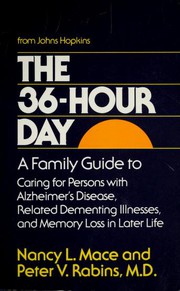
The definitive, most widely read guide to dementia caregiving — essential reading that covers every stage of the disease and is the standard reference caregivers and families rely on.
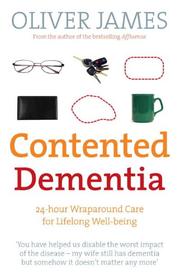
Introduces the SPECAL method — a practical, communication-focused framework for reducing distress in dementia patients that directly upgrades daily caregiving interactions.
Professional Growth: Certification, Ethics & the Healthcare System
IntermediateUnderstand the professional landscape — CNA/HHA certification pathways, scope of practice, legal and ethical responsibilities, and how to navigate the home health industry as a career.
▸ Study plan for this stage
Pace: 8–10 weeks, ~25–35 pages/day, 5 days/week. Focus the first 2 weeks on Sorrentino's foundational chapters covering the nursing assistant role, the healthcare system, and legal/ethical content. Weeks 3–5 shift to scope of practice, resident/patient rights, and communication chapters. Weeks 6–8 cover s
- CNA/HHA certification pathways: federal and state requirements, the Nurse Aide Training and Competency Evaluation Program (NATCEP), and the state registry
- Scope of practice: what nursing assistants are legally permitted and not permitted to do, and how scope differs across care settings (hospital, SNF, home health)
- The healthcare delivery system: types of facilities (SNFs, assisted living, home health agencies, hospitals), the roles of the interdisciplinary care team, and how home health fits within the continuum of care
- Legal responsibilities: HIPAA and patient confidentiality, mandatory reporting of abuse/neglect/exploitation, documentation accuracy, and liability
- Ethical responsibilities: the ANA Code of Ethics as applied to nursing assistants, professional boundaries, honesty, and avoiding conflicts of interest
- Resident and patient rights: the Omnibus Budget Reconciliation Act (OBRA) rights framework, informed consent, the right to refuse care, and dignity in care
- Professional communication and behavior: reporting to the nurse, chain of command, professional appearance, punctuality, and avoiding gossip or social media violations
- Career development: continuing education, specialty certifications (e.g., dementia care, medication aide), and transitioning from CNA to higher clinical roles
- What are the federal minimum training and testing requirements for CNA certification under NATCEP, and how do state requirements typically expand upon them?
- Describe three specific tasks that fall outside a CNA's scope of practice and explain the legal and patient-safety rationale for each boundary.
- A resident tells you something in confidence that suggests they are being financially exploited by a family member. What are your legal obligations, and what steps do you take according to Sorrentino's guidance on mandatory reporting?
- How does OBRA protect the rights of nursing home residents, and what should a CNA do if a resident invokes their right to refuse a procedure?
- What constitutes a HIPAA violation in a home health setting, and what are the potential professional and legal consequences for the caregiver?
- Using the interdisciplinary team model described in Sorrentino, explain how a CNA communicates a change in a patient's condition and why accurate, timely reporting is both an ethical and legal duty.
- Registry & Certification Research: Look up your specific state's CNA registry website and map out the exact steps — application, training hours, clinical hours, and written/skills exam — onto a personal timeline. Compare your state's requirements to the federal NATCEP minimums described in Sorrentino.
- Scope-of-Practice Sorting Activity: Write 20 care tasks on index cards (mix of in-scope and out-of-scope for a CNA). Sort them into 'CNA May Do,' 'Must Delegate Up,' and 'Setting-Dependent.' Use Sorrentino's scope-of-practice tables to check your answers and annotate any surprises.
- Ethics Case-Study Journal: After reading each legal/ethical chapter, write a 1-page journal entry responding to one of Sorrentino's end-of-chapter case studies. Identify the ethical principle at stake, the legal obligation, and what you would do and say — including exact language you would use with the patient and the supervising nurse.
- Patient Rights Role-Play: With a study partner or in front of a mirror, practice the scenario where a resident refuses morning care. Script and rehearse: acknowledging the refusal respectfully, documenting it correctly, and reporting it to the charge nurse — referencing the OBRA rights framework from Sorrentino.
- HIPAA Violation Audit: Review three fictional social media posts (write them yourself — e.g., vague but identifiable patient details) and annotate each one, identifying exactly which HIPAA provision is violated and what the correct professional behavior would have been. Use Sorrentino's confidentiality chapter as your legal reference.
- Career Pathway Map: Draw a visual career ladder starting from CNA/HHA, adding at least four advancement roles (e.g., medication aide, LPN, RN, care coordinator). For each rung, note the additional certification or education required, using Sorrentino's professional development content as a foundation and supplementing with your state's licensing board website.
Next up: Mastering the professional, legal, and ethical framework established in Sorrentino creates the essential "rules of the road" that make the next stage's clinical skills training meaningful — because every hands-on procedure will now be understood not just as a technique, but as a legally bounded, ethically grounded act of professional caregiving.
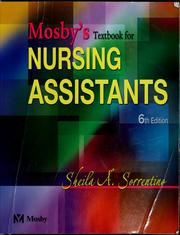
The gold-standard CNA certification prep text, covering scope of practice, patient rights, ethics, and clinical skills — the definitive study resource for anyone pursuing formal credentialing.
Mastery: Presence, Meaning & Advanced Compassionate Care
ExpertElevate caregiving from competent to truly exceptional — integrating end-of-life care, therapeutic presence, and the deep human accompaniment that distinguishes a master caregiver.
▸ Study plan for this stage
Pace: 6–8 weeks total: Weeks 1–3 on "Final Gifts" (~20–25 pages/day, including reflection pauses after each chapter); Weeks 4–7 on "The Art of Dying Well" (~25–30 pages/day); Week 8 reserved for integration — revisiting notes, completing exercises, and synthesizing both books.
- Nearing Death Awareness (NDA): the symbolic, metaphorical, and visionary communications dying people use to express their needs and readiness, as documented by Callanan through her hospice nursing experience
- Active listening and decoding: learning to hear beyond literal words to understand what a dying person is truly communicating about their inner journey, fears, and unfinished business
- Therapeutic presence: the caregiver's ability to be fully, non-anxiously present with suffering and dying — resisting the urge to fix, distract, or withdraw
- Reconciliation and unfinished business: how dying people often seek to resolve relationships and find peace, and how caregivers can gently facilitate that process
- The 'good death' as a proactive, personalized project: Butler's framework for planning across the arc of aging — from advance directives and medical decision-making to home-based dying — so that values, not systems, guide the end of life
- Navigating the medical system at end of life: understanding when to pursue aggressive treatment vs. comfort-focused care, how to work with hospice and palliative teams, and how to advocate effectively for a patient's stated wishes
- The caregiver's own grief and meaning-making: recognizing compassion fatigue, processing anticipatory grief, and finding sustainable sources of meaning in accompanying the dying
- Legacy, ritual, and the sacred dimension of dying: how meaningful rituals, life review, and witnessing can transform dying from a medical event into a profound human passage
- According to Callanan in 'Final Gifts,' what is Nearing Death Awareness, and how does it differ from confusion or delirium? Give two examples of symbolic language a dying person might use and what each could mean.
- How does Callanan suggest a caregiver should respond when a dying person speaks of needing to 'go home' or 'catch a train' — and why does the instinct to correct or reassure often backfire?
- What are the core components of Butler's 'good death' framework in 'The Art of Dying Well,' and what practical steps does she recommend a person take in their 50s, 60s, and 70s to prepare?
- How does Butler distinguish between a 'medicalized death' and a 'well-negotiated death,' and what role does the caregiver play in helping a patient move from one trajectory toward the other?
- Drawing on both books, how would you describe the difference between a caregiver who is merely competent and one who is truly present? What internal qualities and external behaviors mark that distinction?
- Both Callanan and Butler address the caregiver's emotional experience. What specific risks — psychological, relational, and spiritual — do they identify, and what strategies do they each offer for sustainable, compassionate caregiving?
- 'Final Gifts' Listening Journal: After each chapter of Final Gifts, write a one-paragraph reflection on a real or hypothetical caregiving situation where you might have missed or misread a symbolic communication. Describe what you would do differently now, using Callanan's framework.
- Advance Care Planning Audit: Using Butler's checklists and guidance in 'The Art of Dying Well,' complete or update your own advance directive and POLST/MOLST form. Then practice a 20-minute conversation with a trusted person in which you explain your wishes out loud — notice where you feel resistance or uncertainty.
- Presence Practice: In three separate caregiving or personal interactions this week, practice radical presence — no phone, no problem-solving, no advice. Afterward, journal: What did the other person communicate that you might have missed if you were task-focused? What was difficult about staying present?
- Symbolic Language Role-Play: With a study partner or colleague, role-play a scenario where one person plays a dying patient using indirect, metaphorical language drawn from examples in 'Final Gifts.' The 'caregiver' practices open-ended responses, reflection, and gentle clarifying questions rather than redirection or correction.
- Medical System Navigation Map: Drawing on Butler's analysis, create a one-page visual map of the decision points a patient and caregiver face in the last year of life (e.g., when to involve palliative care, how to evaluate a hospitalization, when to transition to hospice). Annotate each node with the questions a master caregiver should ask.
- Meaning & Legacy Interview: Conduct a 30–45 minute recorded life-review conversation with an elder in your life or a patient (with permission), using open questions inspired by both books (e.g., 'What do you most want people to remember about you?' 'Is there anything left unsaid that matters to you?'). Reflect in writing on what the experience revealed about your own presence and listening.
Next up: Mastering presence, end-of-life accompaniment, and values-driven care through these two books equips the reader with the human depth needed to move into any subsequent stage focused on systems-level caregiving, team leadership, or specialized populations — because exceptional caregiving at scale must be built on this irreducible foundation of compassionate presence.

Written by hospice nurses, this book reveals the profound communication and awareness needs of dying patients — essential for any caregiver working with seriously ill or end-of-life clients.

Synthesizes medical, emotional, and practical wisdom about the end of life into an actionable guide — the capstone read that ties together everything learned across the curriculum into a mature, whole-person caregiving philosophy.
Discussion
Keep reading
Paths that share books, cover the same subject, or open a related topic.