A growing number of adults are recognizing autism in themselves, often after years of feeling different without knowing why. Reading can be genuinely clarifying and affirming, especially for those exploring a late diagnosis. A brief, respectful note first: these books support self-understanding, but a formal autism assessment comes through qualified professionals, and if you are seeking a diagnosis or facing co-occurring mental health concerns, professional guidance complements this reading.
The order that works starts with broad understanding and self-recognition, moves into lived experience across different identities, then into practical strategies for thriving, and finishes with the neurodiversity movement that frames much of the modern conversation.
Understanding and recognition
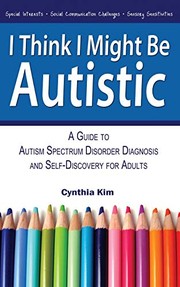
Start by building the picture. Unmasking Autism by Devon Price is a landmark, affirming book on how many autistic adults hide their traits and the cost of doing so — an ideal entry point. Neurotribes by Steve Silberman is the acclaimed history that reshaped how the world understands autism, giving essential context. I Think I Might Be Autistic by Cynthia Kim is a short, gentle guide for adults beginning to wonder about themselves, and The Autistic Brain by Temple Grandin blends science and personal insight into how autistic minds work.
Lived experience
Next, hear many voices. Autism presents differently across people, and these accounts widen the frame. Odd girl out by Laura James and Autism in Heels by Jennifer Cook O'Toole illuminate the long-overlooked experience of autistic women, Camouflage by Sarah Bargiela explores masking in an accessible illustrated form, and The Autistic Experience by Arthur Layon adds further first-person perspective. Reading across them dissolves the narrow stereotype and helps you see yourself or a loved one more clearly.
Thriving and the neurodiversity view
The final arc is about living well and the bigger picture. The Autistic Guide to Adventure by Chloe Hayden and Nerdy, shy, and socially inappropriate by Cynthia Kim offer warm, practical strategies for navigating a world not built for autistic people. Divergent Mind by Jenara Nerenberg broadens the conversation to neurodivergence generally, and Loud Hands by Julia Bascom, an anthology from autistic self-advocates, articulates the neurodiversity movement in the community's own words. Together they move from coping to self-acceptance and advocacy.
Read in this order and autism in adults becomes a source of understanding and belonging rather than confusion. Follow the full path for insight and community, and seek a qualified professional if you want a formal assessment or support with co-occurring challenges.
Follow the full reading path →
Ready to learn something deeply?
Build a reading path — free