The Best Books on Crohn's Disease and Colitis
This curriculum is designed for someone who already has a basic familiarity with IBD and wants to move from solid understanding to confident, empowered self-management alongside their medical team. The path begins by building a clear clinical and personal framework for Crohn's and colitis, then moves into evidence-based dietary and lifestyle management, and finally reaches advanced integrative strategies for long-term wellness and resilience.
Understanding IBD: The Clinical Foundation
IntermediateGain a thorough, medically grounded understanding of what Crohn's disease and ulcerative colitis are — their biology, diagnosis, conventional treatments, and how to work effectively with a gastroenterologist.
▸ Study plan for this stage
Pace: 6–8 weeks, ~25–30 pages/day (approximately 1,200–1,400 pages total across both books)
- The pathophysiology of Crohn's disease and ulcerative colitis: inflammation mechanisms, genetic predisposition, and environmental triggers
- Diagnostic criteria and procedures: colonoscopy, imaging, laboratory markers (calprotectin, CRP), and histological findings that differentiate IBD from other conditions
- The natural history and disease course of both conditions: patterns of remission and relapse, complications (fistulas, strictures, toxic megacolon), and extraintestinal manifestations
- Conventional pharmacological treatments: 5-ASAs, corticosteroids, immunosuppressants, and biologic agents (TNF inhibitors, integrin antagonists) — mechanisms, efficacy, and side effects
- Surgical interventions: indications for surgery, types of procedures, outcomes, and quality-of-life considerations post-surgery
- The role of the gastroenterologist-patient partnership: shared decision-making, monitoring strategies, medication adherence, and when to escalate care
- Nutritional considerations and lifestyle factors in managing IBD symptoms and maintaining remission
- Distinguishing between Crohn's disease and ulcerative colitis: anatomical differences, clinical presentation, and treatment implications
- What are the key pathophysiological differences between Crohn's disease and ulcerative colitis, and how do these differences affect diagnosis and treatment?
- How would you explain the diagnostic workup for IBD to a newly diagnosed patient, including which tests are essential and what they reveal?
- What are the main classes of medications used to treat IBD, how do they work, and what are their potential side effects and monitoring requirements?
- When would surgery be considered for Crohn's disease versus ulcerative colitis, and what are the expected outcomes and lifestyle changes?
- How do you recognize and manage extraintestinal manifestations and complications of IBD?
- What strategies would you use to work effectively with your gastroenterologist to optimize your treatment plan and maintain long-term remission?
- Create a detailed comparison chart of Crohn's disease vs. ulcerative colitis covering location, depth of inflammation, complications, and treatment differences
- Write a summary of your own diagnostic journey (or a hypothetical one) identifying which tests you had/would have and what each revealed about your condition
- Build a medication reference guide for the main IBD drugs mentioned in both books, including mechanism of action, typical dosing, monitoring needs, and common side effects
- Develop a personal 'flare management plan' based on your symptoms and the treatment options discussed, including when to contact your gastroenterologist
- Create a list of questions to ask your gastroenterologist at your next appointment, organized by category (diagnosis, treatment options, lifestyle, complications)
- Summarize the natural history of IBD (remission/relapse patterns, complications over time) and identify which stage of disease you are currently in or most likely to face
Next up: This stage establishes the medical foundation and conventional treatment landscape, preparing you to explore complementary and lifestyle-based approaches—including diet, stress management, and emerging therapies—that work alongside or enhance conventional care in the next stage.

A clear, authoritative patient-facing guide written by a gastroenterologist that covers the full clinical picture of both conditions — ideal for an intermediate learner who wants real medical depth without a textbook.
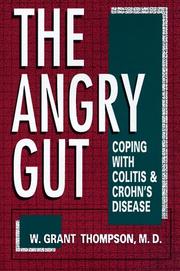
Broadens the picture by placing IBD in the context of the full spectrum of gut disorders, helping the reader understand what distinguishes Crohn's and colitis from other conditions and why symptoms can overlap.
The Patient Perspective: Living with IBD
IntermediateDevelop emotional resilience, practical coping strategies, and a realistic sense of what daily life with IBD looks like — including flares, remission, relationships, and mental health.
▸ Study plan for this stage
Pace: 4–5 weeks, ~40–50 pages/day (approximately 280–350 pages total). This allows time for reflection on personal connections to the material and note-taking on emotional resonance.
- The gut as a complex, intelligent system with its own nervous system (the 'second brain') and how this connects to mood, stress, and emotional well-being
- How the gut microbiome influences digestion, immunity, and mental health—and why dysbiosis matters in IBD
- The bidirectional gut-brain axis: how stress and emotions directly affect gut function, and how gut dysfunction affects mental state
- Practical understanding of normal digestive processes and how they differ in IBD, demystifying the condition
- The role of diet, lifestyle, and environmental factors in gut health and how these can be leveraged for resilience
- Normalizing bodily functions and reducing shame or embarrassment around digestive symptoms—a foundation for emotional resilience
- How scientific literacy about the gut empowers patients to advocate for themselves and make informed decisions
- What is the 'second brain' and how does it communicate with your actual brain? How might this explain the stress-flare connection you or others with IBD experience?
- Describe the role of the gut microbiome in immunity and mental health. Why is microbial diversity important, and how might it be disrupted in IBD?
- How does the gut-brain axis work bidirectionally? Give examples of how stress can trigger gut symptoms and how gut symptoms can affect mood.
- What are the main stages of digestion, and where do things typically go wrong in Crohn's disease or ulcerative colitis based on what you've learned?
- How can understanding the science of your gut help you feel less shame about your symptoms and more empowered in conversations with healthcare providers?
- What practical lifestyle or dietary insights from the book feel most relevant and actionable for your own or a patient's daily life with IBD?
- Keep a 'gut-mood journal' for 2 weeks: daily note your stress level (1–10), mood, and any digestive symptoms. At the end, review for patterns—do stress and symptoms correlate? How does this reflect the gut-brain axis?
- Create a one-page 'My Gut Facts' sheet summarizing what you learned about your own microbiome, digestion, and the gut-brain connection. Use this as a reference for conversations with doctors or friends.
- Write a 'Letter to My Gut' (1–2 pages) expressing what you've learned about it, acknowledging its complexity, and committing to one practical change (sleep, stress management, diet experiment, etc.).
- Interview someone with IBD (or reflect deeply if you have it yourself) about how stress affects their symptoms. Document the conversation and connect it to the gut-brain axis concepts from the book.
- Design a personal 'stress-to-gut' action plan: identify 3 stress triggers, then list 1–2 gut-friendly coping strategies for each (e.g., breathing exercises, gentle movement, dietary tweaks).
- Create an infographic or visual summary of the digestive process and how it differs in IBD. Share it with a friend or healthcare provider to practice explaining your condition in accessible terms.
Next up: By grounding yourself in the science of how your gut works and how intimately it connects to your mind and emotions, you'll be prepared to explore deeper patient narratives and coping strategies in the next stage—understanding that resilience isn't about ignoring your body, but about working *with* it.

Builds intuitive, accessible knowledge of gut physiology and the microbiome — essential vocabulary for understanding why diet and lifestyle interventions work, read here before diving into specific protocols.
Diet, Nutrition & the Gut Microbiome
IntermediateUnderstand the evidence behind dietary approaches to IBD — including the Specific Carbohydrate Diet, low-FODMAP, and anti-inflammatory eating — and learn how to adapt nutrition strategies to your own disease pattern.
▸ Study plan for this stage
Pace: 6–8 weeks, ~25–30 pages/day. Start with "Breaking the Vicious Cycle" (weeks 1–4, ~280 pages), then "The Good Gut" (weeks 5–8, ~320 pages). Allow 2–3 days per week for reflection, meal planning, and microbiome tracking exercises.
- The Specific Carbohydrate Diet (SCD) mechanism: how disaccharides and polysaccharides trigger malabsorption and bacterial overgrowth in IBD, and why monosaccharides are better tolerated
- Intestinal permeability and the role of gut bacteria in maintaining the intestinal barrier; how dysbiosis perpetuates inflammation in Crohn's and colitis
- The gut microbiome as a dynamic ecosystem: diversity, keystone species, and the relationship between microbial composition and immune tolerance
- Practical dietary implementation: identifying trigger foods, understanding food combining rules in SCD, and reading labels for hidden disaccharides
- Fiber paradox in IBD: why some fibers feed beneficial bacteria while others exacerbate symptoms, and how to personalize fiber intake
- The connection between short-chain fatty acids (SCFAs), butyrate-producing bacteria, and intestinal healing
- Fermentation and prebiotic foods: which foods promote beneficial bacteria growth without triggering flares in your individual disease pattern
- Explain the SCD hypothesis: why does Gottschall argue that disaccharides and polysaccharides cause malabsorption and bacterial overgrowth in IBD patients?
- What is the relationship between intestinal permeability ('leaky gut'), dysbiosis, and chronic inflammation according to both authors?
- How does the gut microbiome maintain immune tolerance, and what happens to this function in IBD?
- Which foods are permitted on the SCD and why? What are the key rules for food combining, and how do you identify hidden disaccharides?
- Why is fiber a double-edged sword in IBD? How do you determine your personal fiber tolerance and which types of fiber to prioritize?
- What role do short-chain fatty acids and butyrate-producing bacteria play in intestinal healing, and how can you support their growth?
- Complete a 7-day food and symptom diary before starting the SCD. Record everything eaten, timing, and any symptoms (bloating, pain, stool changes). This baseline will help you identify your personal triggers.
- Spend one week on the SCD 'intro' phase (Gottschall's foundational stage). Prepare 3–4 simple SCD-compliant meals and document how you feel. Focus on tolerance, not perfection.
- Create a personal 'safe foods' list and a 'trigger foods' list based on your diary and SCD guidelines. Cross-reference with Gottschall's allowed/forbidden foods chart.
- Research and list 5 prebiotic and probiotic foods mentioned in 'The Good Gut.' Plan one meal incorporating a prebiotic food and track your symptoms for 3 days.
- Label audit: Spend 2 hours reading ingredient lists on 10–15 packaged foods you currently eat. Identify hidden disaccharides (maltose, sucrose, lactose) and note which are SCD-compliant.
- Design a 2-week meal plan that balances SCD compliance with your microbiome-supporting goals (e.g., including fermented foods, resistant starch where tolerated). Share with a dietitian or IBD support group for feedback.
Next up: This stage equips you with evidence-based nutritional tools and self-awareness of your gut's response to food, preparing you to integrate these dietary strategies with medical management, supplementation, and stress-reduction techniques in the next stage.
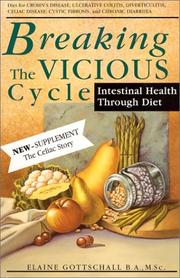
The foundational text behind the Specific Carbohydrate Diet (SCD), one of the most studied dietary interventions for IBD — reading this first establishes the core theory before exploring broader nutritional frameworks.

Presents the cutting-edge science of the gut microbiome and how diet shapes it, giving the reader a deeper 'why' behind dietary recommendations and a framework for long-term gut health maintenance.
Integrative & Whole-Person Management
ExpertSynthesize clinical, dietary, psychological, and lifestyle approaches into a comprehensive, personalized IBD management plan — including stress, sleep, exercise, and integrative medicine — to achieve sustained remission and quality of life.
Brings together conventional and complementary approaches in one volume, helping the reader integrate everything learned so far into a coherent, team-based management strategy.
Addresses the critical gut-brain connection with evidence-based psychological tools (CBT, mindfulness, hypnotherapy) proven to reduce IBD symptom burden — the ideal capstone for whole-person, long-term wellness.
Discussion
Keep reading
Paths that share books, cover the same subject, or open a related topic.