The Best Books to Lower High Blood Pressure
This curriculum takes a beginner from understanding what blood pressure and hypertension actually are, through the evidence-based lifestyle interventions (diet, exercise, stress), and finally into a deeper clinical and scientific understanding of how medical care fits alongside self-management. Each stage builds the vocabulary and confidence needed for the next, so no prior medical knowledge is assumed at the start.
Foundations: Understanding Blood Pressure
BeginnerUnderstand what blood pressure is, why hypertension is dangerous, how it is diagnosed, and what the major levers for change are — building the core vocabulary for everything that follows.
A highly accessible, jargon-free introduction written for complete beginners that explains what hypertension is, why it matters, and previews the lifestyle pillars (diet, exercise, stress) you will explore in depth later.
The DASH Diet: Eating to Lower Blood Pressure
BeginnerMaster the DASH (Dietary Approaches to Stop Hypertension) eating pattern — the most clinically validated dietary intervention for high blood pressure — and learn how to apply it in daily life.
▸ Study plan for this stage
Pace: 4–5 weeks, ~25–30 pages/day (approximately 150–180 pages total)
- The DASH diet framework: emphasis on fruits, vegetables, whole grains, lean proteins, and low-fat dairy while limiting sodium, saturated fat, and added sugars
- Sodium reduction strategies and reading food labels to identify hidden sodium in processed foods
- Building a DASH-compliant pantry and grocery shopping techniques for sustainable adherence
- Meal planning and preparation methods that make DASH eating practical for busy lifestyles
- Understanding portion sizes and serving recommendations within the DASH structure
- How DASH addresses the physiological mechanisms of hypertension through specific nutrient ratios (potassium, magnesium, calcium)
- Behavioral strategies and habit formation for long-term dietary change and blood pressure management
- What are the five main food groups emphasized in the DASH diet, and what are the recommended daily servings for each?
- How does the DASH diet reduce blood pressure, and what specific nutrients play the most important roles?
- What are the most common hidden sources of sodium in processed foods, and how do you identify them on nutrition labels?
- How would you plan a full day of DASH-compliant meals, and what are practical strategies for meal prep?
- What are the key differences between the standard DASH diet and the lower-sodium DASH diet, and when is each recommended?
- How do you transition from your current eating habits to DASH eating while maintaining motivation and managing cravings?
- Create a detailed 7-day DASH meal plan for yourself, including breakfast, lunch, dinner, and snacks, with recipes from the book
- Conduct a sodium audit: review your current pantry and identify 10 high-sodium items; research and list DASH-compliant replacements
- Prepare 3 DASH recipes from the book and document how you adapted them to your taste preferences and lifestyle
- Visit a grocery store and create a DASH shopping list organized by food group; compare prices and identify budget-friendly options
- Practice reading and interpreting nutrition labels on 15 packaged foods, calculating sodium content and identifying which fit DASH guidelines
- Keep a 2-week food diary tracking your meals against DASH recommendations, noting challenges and successes
- Design a personal sodium-reduction challenge: identify your highest-sodium meal and redesign it to meet DASH standards
Next up: This stage establishes the foundational knowledge and practical skills to implement DASH eating, preparing you to explore how to combine dietary changes with other lifestyle modifications (exercise, stress management, medication adherence) for comprehensive hypertension management in the next stage.

The definitive consumer guide to DASH, written by a registered dietitian; it translates the landmark NIH research into meal plans, shopping lists, and recipes, making it the natural first read in this stage.
A concise, practical companion that reinforces DASH principles with simple recipes and a 14-day plan, helping cement the habits introduced by Heller before moving on to broader lifestyle topics.
Lifestyle Medicine: Exercise, Stress & Whole-Life Change
IntermediateGo beyond diet to understand how exercise, weight management, sleep, and stress reduction each independently lower blood pressure, and how to integrate them into a sustainable lifestyle alongside medical care.
▸ Study plan for this stage
Pace: 8–10 weeks, ~25–35 pages/day (mix of reading and reflection; lighter pace to allow for lifestyle experimentation)
- The relaxation response as a measurable physiological state that counteracts the fight-or-flight response and lowers blood pressure through regular practice
- Exercise as a direct, independent mechanism for blood pressure reduction—separate from weight loss—through improved endothelial function and arterial compliance
- Plant-based whole-food nutrition as foundational to reversing atherosclerosis and stabilizing blood pressure without relying solely on medication
- Insulin resistance and hormonal dysregulation as root causes of obesity and hypertension, and how intermittent fasting and carbohydrate restriction interrupt this cycle
- Weight management not as calorie restriction but as addressing underlying metabolic dysfunction through dietary and lifestyle changes
- Integration of stress reduction, exercise, and dietary change into a sustainable whole-life approach rather than isolated interventions
- The role of sleep quality and circadian rhythm in blood pressure regulation and metabolic health
- How lifestyle medicine works synergistically with—not as a replacement for—medical care in managing hypertension
- What is the relaxation response, how does it physiologically differ from the stress response, and what are the key conditions Benson identifies for eliciting it?
- How does regular aerobic exercise lower blood pressure independently of weight loss, and what does Esselstyn say about the mechanisms (endothelial function, arterial remodeling)?
- What is the evidence in Esselstyn's work for plant-based whole-food nutrition in reversing coronary artery disease and stabilizing blood pressure?
- According to Fung, what is insulin resistance, how does it drive both obesity and hypertension, and how do intermittent fasting and carbohydrate quality address it?
- How do the three books together suggest that sustainable blood pressure management requires addressing multiple lifestyle domains simultaneously rather than one intervention alone?
- What are the practical barriers to lifestyle change that each author acknowledges, and what strategies do they propose to overcome them?
- Practice the relaxation response daily for 2 weeks using Benson's protocol (20 minutes, twice daily if possible); track resting blood pressure and heart rate before and after to observe the physiological effect
- Design a personalized exercise plan based on Esselstyn's recommendations (aerobic activity, frequency, intensity); commit to 4 weeks and log blood pressure, energy, and mood weekly
- Conduct a 7-day food audit using Esselstyn's plant-based whole-food framework; identify processed foods, animal products, and oils in your current diet, then plan one week of compliant meals
- Experiment with a 2-week trial of lower-carbohydrate, whole-food eating aligned with Fung's principles; track hunger, energy, and blood pressure to observe individual response
- Create a written integration plan that combines one stress-reduction practice (from Benson), one exercise commitment (from Esselstyn), and one dietary adjustment (from Fung); identify potential conflicts and how to resolve them
- Interview or survey 2–3 people who have successfully made lifestyle changes for blood pressure; document their barriers, strategies, and what they wish they'd known at the start
Next up: This stage equips you with the physiological and practical foundations of lifestyle-based blood pressure management, preparing you to explore how to navigate medication decisions, personalize interventions based on individual variation, and sustain changes over decades in the next stage.
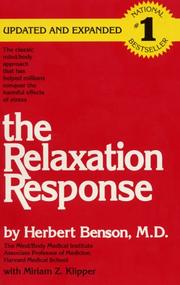
A landmark, evidence-based book showing how stress directly raises blood pressure and how mind-body techniques measurably lower it — essential reading before tackling broader lifestyle-change frameworks.
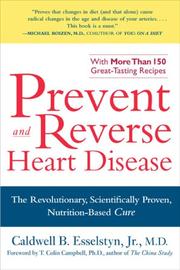
Presents rigorous clinical evidence for how aggressive dietary and lifestyle changes reverse cardiovascular disease; reading it here deepens understanding of why the DASH principles work at a physiological level.

Explains the hormonal drivers of weight gain — a key modifiable risk factor for hypertension — giving the reader a science-based framework for weight management that complements the DASH diet already learned.
Medical Care & the Science Behind Hypertension
ExpertUnderstand how physicians diagnose and treat hypertension, what medications do and when they are needed, and how to be an informed, active partner in your own medical care.
▸ Study plan for this stage
Pace: 4–5 weeks, ~40–50 pages/day, with 2–3 days per week for reflection and exercises
- The historical evolution of cardiovascular medicine and how our understanding of the heart and blood pressure developed over centuries
- How physicians diagnose hypertension: the clinical methods, measurement techniques, and diagnostic criteria used in modern practice
- The physiological mechanisms underlying hypertension and how different medication classes (ACE inhibitors, beta-blockers, diuretics, etc.) interrupt these mechanisms
- The tension between population-level epidemiology and individual patient care: when treatment is necessary and for whom
- How Jauhar's personal narrative as a cardiologist illustrates the human dimensions of medical decision-making and the limits of medicine
- The role of lifestyle factors, stress, and socioeconomic factors in hypertension management alongside pharmacological interventions
- How to interpret and question medical evidence, guidelines, and your own doctor's recommendations as an informed patient
- What are the major historical milestones in how physicians came to understand the heart and blood pressure, and how did these discoveries change treatment approaches?
- How do physicians diagnose hypertension today, and what are the limitations or controversies in current diagnostic criteria?
- How do the major classes of antihypertensive medications work at a physiological level, and what are the trade-offs between different drug choices?
- When is medication necessary for hypertension, and how do physicians decide whether a patient should be treated? What does Jauhar suggest about this decision-making process?
- What are the non-pharmacological approaches to managing blood pressure, and how does Jauhar address their role in clinical practice?
- How does Jauhar's own experience as a physician shape his perspective on the limitations of medicine and the importance of the doctor-patient relationship in managing chronic disease?
- Create a timeline of 5–7 major discoveries in cardiovascular medicine mentioned in the book (e.g., discovery of blood circulation, development of the stethoscope, first blood pressure measurements) and note how each changed clinical practice
- Research and compare your own blood pressure readings over a week using proper technique (sitting, rested, multiple measurements); document and interpret the variability—does it match Jauhar's discussion of measurement challenges?
- For each major antihypertensive drug class discussed (ACE inhibitors, beta-blockers, diuretics, calcium channel blockers), create a one-page summary of: mechanism of action, common side effects, and when a doctor might choose it over alternatives
- Interview a family member or friend about their experience with hypertension diagnosis and treatment; ask how they decided to start medication and whether they understand how their drugs work—reflect on gaps between medical knowledge and patient understanding
- Write a 2–3 page reflection on a passage where Jauhar describes a difficult clinical decision or ethical tension; analyze what factors (evidence, patient preference, uncertainty) he weighs and how this informs your own approach to medical decision-making
- Locate and read the hypertension guidelines from a major organization (ACC/AHA or ESC); compare the diagnostic thresholds and treatment recommendations to what Jauhar discusses—where do they align or conflict?
Next up: This stage equips you with the scientific and clinical foundations of hypertension diagnosis and treatment, preparing you to move into the next stage where you will learn practical strategies for long-term self-management, lifestyle modification, and how to navigate the healthcare system as an empowered patient.

A cardiologist's narrative of how medicine came to understand and treat cardiovascular disease; it provides the historical and scientific context that makes sense of modern hypertension guidelines and drug therapies.
Discussion
Keep reading
Paths that share books, cover the same subject, or open a related topic.