Bushcraft and wilderness skills: the best books to thrive in the backcountry
This curriculum takes a complete beginner from zero wilderness knowledge to confident backcountry self-reliance across four progressively demanding stages. Each stage builds on the last — starting with mindset and core survival priorities, moving through primitive and advanced skills, and finishing with deep ecological literacy and expert-level field craft.
Foundations: Survival Mindset & Core Skills
BeginnerUnderstand the survival priorities (shelter, water, fire, food, navigation), develop a calm decision-making mindset, and get a broad, accessible map of the whole subject before diving deep.
▸ Study plan for this stage
Pace: 4–5 weeks, ~40–50 pages/day. Start with "Bushcraft 101" (Week 1–2, ~300 pages), then "SAS Survival Handbook" (Week 3–5, ~400 pages). Allocate 2–3 days per week for hands-on practice and reflection.
- The Rule of Threes: prioritize survival needs in order (shelter, water, fire, food) based on how quickly each threat becomes lethal
- Survival mindset: staying calm, assessing situations rationally, and making deliberate decisions under stress rather than panicking
- The 10 Cs of Bushcraft (from Canterbury): cutting tools, combustion, cover, containers, cordage, cloth, cooking, comfort, consciousness, and care—a practical framework for self-sufficiency
- Shelter as the first priority: understanding insulation, protection from elements, and psychological comfort in wilderness survival
- Water sourcing and purification: locating water safely and knowing multiple methods to make it drinkable (boiling, filtering, chemical treatment)
- Fire-building fundamentals: tinder, kindling, fuel progression, and reliable methods (friction, flint, modern tools) in varied conditions
- Navigation without instruments: using natural signs, terrain features, and basic map-and-compass skills to orient yourself
- Foraging and basic food procurement: identifying edible plants, setting traps, and fishing—understanding that food is lowest priority but still essential knowledge
- Explain the Rule of Threes and why the order of survival priorities (shelter, water, fire, food) matters. How would your approach differ in a desert versus a cold forest?
- What is the survival mindset, and how do Canterbury and Wiseman describe staying calm and making rational decisions under stress? Give a specific example from either book.
- List and explain the 10 Cs of Bushcraft. How does this framework help you prepare for wilderness situations?
- Describe three methods for building a fire in wet conditions, and explain the role of tinder, kindling, and fuel in each.
- What are the main water sources in wilderness environments, and what are at least three ways to purify water? When would you use each method?
- How would you navigate using natural signs (sun, stars, terrain) if you lost your map and compass? What does Wiseman's handbook teach about this?
- Build three different types of shelter (debris shelter, lean-to, natural shelter) in your backyard or a safe outdoor space. Spend at least one night in each if possible, or evaluate their insulation and weather protection.
- Practice fire-building with different tinder, kindling, and fuel combinations (dry grass, bark, small twigs, larger wood). Build fires in at least three different weather conditions (dry, damp, windy) and time yourself.
- Locate and test water purification methods: boil water, use a makeshift filter (sand, charcoal, cloth), and if safe, test chemical treatment. Document which methods work best in different scenarios.
- Create a personal 10 Cs kit: gather or prepare one item for each of Canterbury's 10 Cs and carry it on a day hike. Reflect on what you actually used and what you'd adjust.
- Practice navigation: use a map and compass to navigate a 2–3 mile route, then repeat the same route using only natural signs (sun position, terrain, landmarks). Compare accuracy and time.
- Identify 5–10 edible plants in your local area using Wiseman's plant identification guidance. Safely taste one or two under controlled conditions (or research their use in survival contexts).
Next up: With a solid grasp of survival priorities, a calm decision-making framework, and hands-on familiarity with shelter, water, fire, and basic navigation, you're ready to deepen your expertise in specialized skills—advanced shelter construction, water sourcing in extreme climates, fire mastery in challenging conditions, and detailed foraging—that will be covered in the next stage.

The single best starting point for modern bushcraft — Canterbury introduces the '5 Cs of Survivability' and covers fire, shelter, water, and tools in plain, practical language that gives beginners an immediate framework.
A globally trusted reference that broadens the beginner's view beyond North American woodcraft to all climates and scenarios; reading it second reinforces Canterbury's priorities while adding depth on signaling, first aid, and extreme environments.
Going Deeper: Fire, Shelter, Water & Foraging
BeginnerMaster the hands-on mechanics of the four survival pillars — building reliable fires by friction, constructing weatherproof shelters, sourcing and purifying water, and identifying safe wild foods.
▸ Study plan for this stage
Pace: 8–10 weeks, ~40–50 pages/day (mix of reading and hands-on practice). Week 1–3: "Advanced Bushcraft" (fire & shelter focus); Week 4–6: "Tom Brown's Field Guide" (water & integrated systems); Week 7–10: "Stalking the Wild Asparagus" (foraging identification & safety protocols).
- Friction fire mechanics: understanding wood selection, tinder preparation, and the physics of bow drill and hand drill techniques from Canterbury's detailed breakdowns
- Shelter design principles: site selection, insulation, weatherproofing, and adapting structures to environment using Canterbury's and Brown's frameworks
- Water sourcing and purification: locating water in wilderness, understanding contamination risks, and applying multiple purification methods (boiling, filtering, solar disinfection)
- Plant identification confidence: learning diagnostic features (leaf shape, stem structure, smell, habitat) to safely distinguish edible wild plants from toxic lookalikes using Gibbons' systematic approach
- Integrated survival thinking: recognizing how fire, shelter, water, and food systems interconnect and support each other in real wilderness scenarios
- Risk assessment and safety protocols: understanding when to forage, how to test unfamiliar plants, and recognizing signs of contamination or danger
- Seasonal and regional variation: adapting techniques to different climates, seasons, and available resources rather than memorizing one-size-fits-all solutions
- Hands-on skill progression: moving from theory to controlled practice to field application across all four pillars
- Describe the complete process of creating a bow drill fire from wood selection through ignition, including the specific wood types and preparation steps Canterbury recommends, and explain why each step matters physically.
- What are the three primary shelter design considerations Canterbury and Brown emphasize, and how would you adapt a shelter design if you had to build in a wet, cold environment versus a hot, arid one?
- List at least four methods for locating and sourcing water in wilderness settings, and explain the contamination risks associated with each source and how you would purify water from each.
- Using Gibbons' identification system, explain how you would safely identify wild asparagus, ramps, or another foraged plant from the books—what specific features would you check, and what common lookalikes would you rule out?
- How do the four survival pillars (fire, shelter, water, foraging) support and depend on each other? Give a concrete example from a multi-day wilderness scenario.
- What are the key safety protocols Gibbons emphasizes before consuming any wild plant, and how would you apply them to a plant species you've never foraged before?
- Friction fire progression: Gather appropriate wood types (as specified in Canterbury), prepare tinder bundles, and practice bow drill technique daily for 2 weeks in controlled conditions until you achieve ignition; document wood types, humidity, and success rates.
- Shelter construction: Build three different shelter types (debris shelter, lean-to, and one adapted to local conditions) using only materials found on-site; evaluate weatherproofing, insulation, and repair-ability after each build.
- Water sourcing and purification: Locate five different water sources in your local area (stream, pond, spring, collected rainwater, etc.), test each for visible contamination, and practice at least three purification methods (boiling, filtering through sand/charcoal, solar disinfection); document results.
- Plant identification field work: Spend 4–6 weeks systematically identifying 15–20 wild edible plants from Gibbons' guide in your region; photograph each plant at multiple growth stages, note habitat, and create a personal field guide with diagnostic features and lookalikes.
- Taste-test protocol: Under safe conditions (starting with well-known plants like dandelion or plantain), practice Gibbons' recommended tasting protocol—smell, skin contact, mouth contact, swallow—to build confidence in plant identification and safety assessment.
- Integrated scenario practice: Plan and execute a 24–48 hour wilderness outing where you must build a fire, construct a shelter, source and purify water, and forage at least one meal; document challenges and solutions.
Next up: This stage transforms you from theoretical knowledge to practical competence in the four survival pillars, preparing you to advance to specialized topics like navigation, advanced food preservation, tool-making, and wilderness first aid—skills that build on the foundation of reliable fire, shelter, water, and nutrition.

Canterbury's follow-up digs into primitive skills — friction fire, hide tanning, trap-making — giving the reader the practical depth that Bushcraft 101 intentionally deferred; reading it here consolidates the foundation before branching into specialist books.
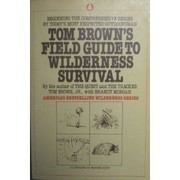
Brown's classic focuses on primitive, pre-tool skills — debris shelters, hand-drill fire, water sourcing — offering a complementary, nature-immersive perspective that deepens intuition built from Canterbury's gear-assisted approach.

A beloved, readable classic on foraging wild plants for food; Gibbons writes with enthusiasm and precision, making plant identification approachable and safe for beginners before tackling denser field guides.
Navigation & the Natural World
IntermediateNavigate confidently with map, compass, and natural signs; read terrain, weather, and celestial cues; and develop a tracker's awareness of the landscape.
▸ Study plan for this stage
Pace: 8–10 weeks, ~25–35 pages/day. Start with Kjellström (2 weeks), move to Gatty (2–3 weeks), then Brown (3–4 weeks) to allow time for field practice with each method.
- Map reading fundamentals: scale, contour lines, grid references, and terrain interpretation using topographic maps
- Compass mechanics and orienteering: taking bearings, triangulation, declination adjustment, and navigation in the field
- Natural navigation without instruments: using sun, stars, moon, wind, vegetation, and water flow to determine direction
- Landscape literacy: reading slope, aspect, drainage patterns, and geological features to understand terrain and predict weather
- Animal tracking and sign interpretation: identifying tracks, scat, feeding signs, and behavioral patterns to read animal movement and presence
- Celestial navigation: using the North Star, constellations, and planetary positions for direction-finding and time estimation
- Sensory awareness and tracker's mindset: developing acute observation skills, pattern recognition, and intuitive landscape awareness
- Integration of methods: combining map/compass navigation with natural signs for redundancy and confidence in varied conditions
- How do you take a bearing from a map using a compass, and how do you account for magnetic declination in your area?
- What are the key natural signs (sun position, star patterns, wind direction, vegetation growth) you can use to navigate without instruments, and how reliable is each?
- How do contour lines on a topographic map reveal terrain shape, and what do slope and aspect tell you about weather, water flow, and vegetation?
- What can animal tracks, scat, and feeding signs reveal about species present, population health, and recent activity in a landscape?
- How do you use triangulation with a compass and map to determine your exact location, and when would you use it in the field?
- What celestial markers (Polaris, constellations, moon phases) can guide navigation at night, and how do you use them to maintain direction?
- Complete map-reading drills: practice identifying contour patterns, calculating distances using map scale, and converting grid references to real-world locations on a local topographic map.
- Compass navigation in controlled settings: take bearings from a map indoors, then walk them out in a park or field; practice triangulation from known landmarks to pinpoint your position.
- Day-long natural navigation hike: navigate a 3–5 mile route using only sun position, wind direction, water flow, and vegetation cues—no map or compass—then verify your route afterward.
- Celestial observation sessions: spend 2–3 clear nights identifying Polaris, major constellations (Ursa Major, Orion, Cassiopeia), and the moon's position; practice estimating direction and time from these cues.
- Tracking journal: spend 2–3 weeks regularly visiting a local woodland, meadow, or stream to identify and sketch animal tracks, scat, feeding signs, and behavioral patterns; build a species inventory.
- Terrain interpretation walk: hike a varied landscape and sketch slope, aspect, drainage, and vegetation patterns; correlate these features with weather exposure and animal habitat use.
Next up: Mastery of navigation and landscape reading equips you to move confidently into wilderness survival and shelter-building, where you'll apply terrain knowledge to site selection and use directional awareness to find water, food, and safe camp locations.
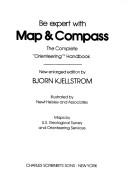
The definitive beginner-to-intermediate orienteering manual; its step-by-step exercises build genuine map-and-compass competence, which is the non-negotiable skill that underpins safe backcountry travel.
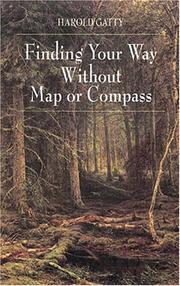
After mastering instruments, Gatty's classic teaches natural navigation — sun, stars, wind, vegetation, and animal behavior — adding a layer of wilderness awareness that no compass can replace.
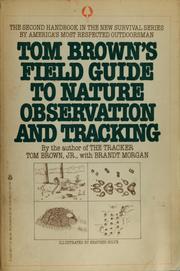
Tracking and observation are the highest expression of wilderness awareness; this book trains the reader to read the land like a text, a skill that ties together navigation, foraging, and survival into a unified ecological literacy.
Mastery: Primitive Skills & Deep Wilderness Self-Reliance
ExpertIntegrate all prior skills into a holistic, primitive-skills worldview; craft tools from raw materials, identify plants at an expert level, and operate indefinitely and confidently in the backcountry with minimal gear.
▸ Study plan for this stage
Pace: 12–14 weeks, ~25–35 pages/day (with 2–3 days per week dedicated to field practice and tool-making)
- Raw material sourcing and assessment: identifying suitable stone, wood, bone, and plant fibers in the field for tool construction
- Primitive tool-making techniques: stone knapping, hafting, friction fire, and creating functional implements from scratch without modern tools
- Expert plant identification: learning diagnostic features, seasonal variations, habitat preferences, and regional distribution patterns for edible wild plants
- Nutritional and medicinal properties of wild plants: understanding caloric content, preparation methods, toxicity risks, and dual-use applications
- Integrated wilderness self-reliance: combining tool-making, plant knowledge, and shelter/fire skills into a cohesive survival strategy for extended backcountry stays
- Primitive technology philosophy: adopting a deep understanding of how humans historically solved survival problems with available natural resources
- Field verification and safety protocols: distinguishing edible from toxic lookalikes, testing unfamiliar plants, and managing risk in primitive living scenarios
- What are the key diagnostic features for identifying edible plants in Peterson's guide, and how do you distinguish common edible species from their toxic lookalikes?
- Describe the complete process of stone knapping as presented in Wescott's work: how do you select raw material, strike a core, and produce a usable cutting edge?
- How would you source and prepare natural materials (wood, bone, plant fibers) to create a functional hafted tool in a primitive wilderness setting?
- What does Wescott mean by 'primitive technology' as a worldview, and how does it differ from modern bushcraft approaches?
- Given a specific wild plant from Peterson's guide, explain its nutritional value, optimal harvest time, preparation method, and any safety considerations
- How would you integrate plant knowledge, tool-making, and fire-craft to sustain yourself for 2+ weeks in the backcountry with minimal gear?
- Complete a stone-knapping session following Wescott's techniques: select raw flint or obsidian, produce at least 3 usable flakes, and create a simple cutting tool; document the process with photos and notes
- Construct a hafted tool (axe, adze, or knife) by sourcing wood, bone or stone, and natural cordage; test its functionality and refine the design based on performance
- Conduct a week-long plant identification field study in your local region: locate, photograph, and document at least 15 edible species from Peterson's guide with habitat notes, seasonal availability, and preparation methods
- Prepare and taste-test 5–8 wild plants from Peterson's guide (starting with easily identifiable, low-risk species); document flavor, texture, nutritional observations, and any preparation challenges
- Design and execute a 3–5 day primitive camping trip using only tools you've made and plants you've identified and verified from Peterson's guide; maintain a detailed journal of successes, failures, and resource availability
- Create a regional plant identification guide for your area: compile sketches, pressed specimens, and detailed notes on 20+ edible species, including lookalikes, seasonal timing, and preparation protocols
Next up: This stage establishes mastery of primitive tool-making and wild plant expertise as the foundation for the next level, which will likely focus on teaching others, adapting these skills to diverse ecosystems, or exploring the cultural and historical dimensions of bushcraft traditions.
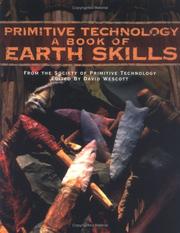
An anthology of expert contributors covering stone tools, cordage, pottery, and shelter construction from raw materials — the ideal capstone for hands-on primitive skills after the reader has solid foundational knowledge.
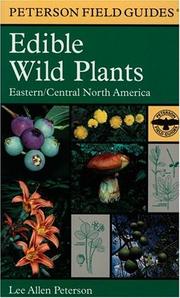
Part of the authoritative Peterson Field Guide series, this is the expert-level foraging reference for eastern North America — precise botanical descriptions and illustrations allow confident, safe identification of hundreds of species.
Discussion
Keep reading
Paths that share books, cover the same subject, or open a related topic.