Scuba diving and snorkeling: the best books to explore the underwater world
This curriculum takes a complete beginner from zero underwater experience to confident, well-rounded diver and snorkeler across four progressive stages. It starts with the foundational knowledge of gear, safety, and basic technique, then builds through buoyancy mastery, dive planning, and marine life identification, finishing with advanced concepts and the broader culture of underwater exploration.
First Breath: Foundations of Snorkeling & Scuba
BeginnerUnderstand how snorkeling and scuba diving work, get familiar with essential gear, and learn the core safety rules before ever entering the water.
▸ Study plan for this stage
Pace: 4–5 weeks, ~40–50 pages/day. Start with "Snorkeling guide to marine life" (weeks 1–2, lighter reading to build confidence), then transition to "PADI Open Water Diver Manual with Table" (weeks 3–5, more technical and safety-focused material).
- How snorkeling equipment works (mask, snorkel, fins) and why each piece matters for safety and comfort
- Basic underwater physiology: how breathing, pressure, and buoyancy affect your body in water
- Essential scuba diving principles: equalization, controlled descent/ascent, and air consumption management
- Marine life identification and behavior patterns to understand what you'll encounter and how to interact responsibly
- Core safety rules and emergency procedures: buddy system, hand signals, out-of-air situations, and decompression sickness prevention
- Pre-dive planning: site assessment, equipment checks, and risk management before entering the water
- Pressure tables and dive planning fundamentals from the PADI manual to calculate safe dive limits
- Psychological readiness: managing fear, building water confidence, and recognizing personal limitations
- Explain the purpose of each piece of snorkeling gear (mask, snorkel, fins) and what problems occur if any piece is missing or poorly fitted.
- What is equalization, why is it necessary in scuba diving, and what are the main techniques to equalize pressure safely?
- Describe the buddy system and explain at least three critical hand signals used for underwater communication.
- What is nitrogen narcosis, and at what depths does it typically become a concern for recreational divers?
- How do you read a PADI dive table or dive computer to determine your maximum bottom time and required safety stops?
- What are the signs and symptoms of decompression sickness (the bends), and what is the immediate response if someone shows these symptoms?
- Identify at least five common marine animals you might encounter while snorkeling or diving, and describe safe interaction practices for each.
- Assemble and disassemble your snorkeling gear at least 5 times; practice putting on your mask, snorkel, and fins until it feels natural and you can identify any fit issues.
- Practice equalization techniques on dry land: pinch your nose and gently blow air into your ears; then practice in a bathtub or pool at shallow depths before open water.
- Study and memorize the hand signals from the PADI manual; practice them with a partner on land until you can perform and recognize them instantly.
- Create a personal dive log template and plan three hypothetical dives using the PADI pressure tables: record depth, bottom time, surface interval, and required safety stops for each.
- Read the marine life section of Humann's guide and create flashcards for 15–20 common species with identifying features and safe interaction guidelines.
- Conduct a full pre-dive checklist on your equipment (or a rental set): inspect mask seals, snorkel condition, fin straps, BCD inflation, regulator function, and tank pressure.
- Watch a video demonstration of equalization and out-of-air procedures, then explain aloud to a friend what you learned and why each step matters.
- Take a confined water (pool) snorkeling session and practice breathing through your snorkel, clearing water from it, and moving smoothly with fins for at least 30 minutes.
Next up: This stage builds the foundational knowledge and hands-on comfort needed to progress to confined-water training and certification, where you'll apply these concepts under professional supervision in a controlled environment before advancing to open-water dives.
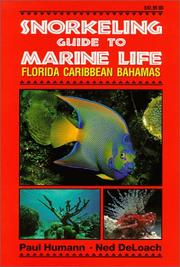
A perfect entry point that introduces the underwater world through snorkeling — the lowest-barrier form of underwater exploration — while building awareness of marine life and safe observation habits.
The industry-standard beginner scuba textbook used in the world's most recognized certification course; it systematically covers equipment, physics, physiology, and fundamental safety rules in plain language.
Getting Comfortable: Gear, Skills & Buoyancy
BeginnerDevelop practical in-water skills, understand how to choose and maintain gear, and begin mastering buoyancy — the single most important skill for safe, effortless diving.
▸ Study plan for this stage
Pace: 4–5 weeks, ~40–50 pages/day (mix of reading and practical review)
- Gear selection, assembly, and maintenance: understanding BCD, regulator, tank, weights, and wetsuit function and care
- Pre-dive safety checks (PREDIVE or similar checklists) and equipment inspection protocols
- Buoyancy control fundamentals: achieving neutral buoyancy at depth, managing ascent/descent rates, and trim adjustments
- Basic water skills: breathing underwater, clearing mask/regulator, controlled descent and ascent, and emergency procedures
- Pressure effects on the body: nitrogen narcosis, oxygen toxicity, decompression sickness, and depth limits for beginners
- Emergency recognition and response: recognizing distress signals, out-of-air situations, and appropriate first aid for diving injuries
- Dive planning essentials: site assessment, buddy system protocols, and pre-dive communication
- Physical fitness and health requirements for safe diving
- What are the main components of a scuba system, and what is the function of each (BCD, regulator, tank, weights)?
- How do you achieve and maintain neutral buoyancy at different depths, and why is this critical for safe diving?
- What is nitrogen narcosis, and at what depths does it typically become a concern for recreational divers?
- Describe the steps of a pre-dive equipment check and explain why each step matters
- What are the signs and symptoms of decompression sickness, and how should you respond if you suspect a diver has it?
- How do you respond to an out-of-air emergency underwater, and what role does the buddy system play?
- Assemble and disassemble your complete scuba gear 3–4 times, labeling each component and explaining its function aloud
- Perform a full PREDIVE checklist on your own equipment, then have a dive buddy verify your work
- In a pool or confined water, practice achieving neutral buoyancy at 5, 10, and 15 feet; adjust weights and breathing until you can hover motionless
- Simulate mask-clearing and regulator-recovery drills in confined water at least twice before open water
- Create a one-page emergency response flowchart covering out-of-air, nitrogen narcosis, and decompression sickness scenarios
- Review and annotate the pressure/depth tables in Graver's book; calculate no-decompression limits for 3–5 different depths
- Conduct a mock dive briefing with a buddy, covering site conditions, entry/exit points, depth limits, and emergency signals
Next up: Mastering these foundational skills and safety protocols prepares you to apply them in real open-water environments and progress to more advanced techniques like navigation, deep diving, and specialized diving scenarios.
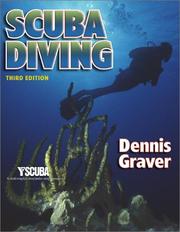
A highly readable, well-illustrated guide that bridges certification knowledge and real-world practice, covering equipment selection, entry techniques, and buoyancy fundamentals in a learner-friendly format.

Expands on gear knowledge and introduces dive-site assessment and buddy procedures, giving the new diver a more complete picture of what responsible diving looks like in practice.
Going Deeper: Dive Planning, Safety & Physiology
IntermediateLearn to plan dives using tables and computers, understand decompression theory, manage risk, and handle emergencies with confidence.
▸ Study plan for this stage
Pace: 6–8 weeks, ~40–50 pages/day, with 2–3 review days per week
- Decompression theory: nitrogen loading, saturation, and the physics of gas absorption and elimination in tissues
- Dive table interpretation and use: reading no-decompression limits, residual nitrogen times, and surface intervals
- Dive computer operation: algorithms, safety margins, and how computers differ from tables
- Dive planning fundamentals: site assessment, depth/time profiles, gas consumption calculations, and contingency planning
- Physiology of diving: pressure effects on the body, nitrogen narcosis, oxygen toxicity, and barotrauma mechanisms
- Emergency management: recognizing and responding to decompression sickness, arterial gas embolism, and in-water problems
- Risk assessment and mitigation: identifying hazards, setting personal limits, and making go/no-go decisions
- Gas management and breathing: cylinder capacity, consumption rates, reserve planning, and air-sharing protocols
- Explain the concept of nitrogen saturation in tissues and why it matters for decompression planning.
- How do you read a standard dive table to determine no-decompression limits and residual nitrogen time, and what does a surface interval accomplish?
- What are the key differences between dive computers and dive tables, and when might you choose one over the other?
- Describe the physiological effects of nitrogen narcosis and oxygen toxicity, and how depth limits help prevent them.
- Walk through a complete dive plan for a recreational dive to 30 meters: what factors would you consider, and what calculations would you perform?
- What are the signs and symptoms of decompression sickness and arterial gas embolism, and what is the immediate response to each?
- How do you calculate gas consumption for a dive, and how should you plan your reserve?
- What are the main hazards at your local dive site, and how would you mitigate them in your dive plan?
- Work through 10–15 dive table scenarios: calculate no-decompression limits, residual nitrogen times, and required surface intervals for multi-dive days.
- Borrow or use a dive computer (or simulator software) and practice reading its display, interpreting no-decompression time, and understanding how it adjusts for depth changes.
- Plan three realistic dives to different depths (15m, 25m, 35m) using both tables and a computer; compare results and note differences.
- Calculate gas consumption for a planned dive: estimate your consumption rate, determine cylinder size needed, and plan a reserve margin.
- Study a local dive site (or a hypothetical one) and create a written risk assessment identifying hazards, depth limits, and contingency procedures.
- Practice emergency scenario responses: write out or role-play the immediate actions for decompression sickness, arterial gas embolism, and out-of-air situations.
- Create a personal dive-planning checklist based on the books' guidance; use it to plan your next three dives and refine it after each dive.
- Read case studies of dive accidents in the books and analyze what went wrong, what warning signs were missed, and how the incident could have been prevented.
Next up: Mastering dive planning, decompression theory, and emergency response here equips you to confidently handle advanced environments—such as deep diving, technical diving, or challenging conditions—where these skills become critical to survival and success.
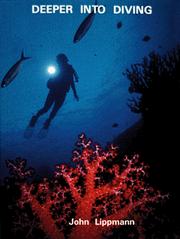
The definitive intermediate-level text on dive physics, physiology, decompression sickness, and risk management — essential reading before attempting deeper or more complex dives.

A comprehensive reference covering dive planning, navigation, night diving, and specialty environments; reads naturally after Lippmann's physiology focus by applying that knowledge to real dive scenarios.
The Living Ocean: Marine Life Identification
IntermediateIdentify the most common fish, invertebrates, and corals encountered on tropical and temperate dives, and understand how to interact with marine ecosystems responsibly.
▸ Study plan for this stage
Pace: 6–8 weeks, ~40–50 pages/day (including field notes and species review)
- Visual identification markers: body shape, coloration patterns, fin structure, and size ranges for tropical Pacific reef fish families
- Behavioral and ecological traits that distinguish similar-looking species and indicate habitat preferences
- Taxonomic organization of reef fish families (damselfish, wrasses, butterflyfish, groupers, parrotfish, etc.) and how to use dichotomous keys
- Invertebrate identification: sea stars, sea urchins, nudibranchs, octopuses, and crustaceans—morphology and distinguishing features
- Coral morphology: hard corals vs. soft corals, growth forms, and how to identify common species without damaging them
- Responsible interaction protocols: maintaining distance, avoiding touching, understanding fish behavior to prevent stress or injury
- Ecological relationships: predator-prey dynamics, symbiosis, and the role of different species in reef health
- Seasonal and depth-based distribution patterns that affect which species you'll encounter on different dives
- What are the key visual differences between a yellow tang and a surgeonfish, and why is this distinction important for safe interaction?
- How would you identify a specific wrasse species using body coloration, fin patterns, and size, and what behavioral cues might help confirm your identification?
- Describe the morphological features that distinguish hard corals from soft corals, and name at least five common coral species you might encounter on a tropical reef.
- What are the identifying characteristics of three invertebrate groups (e.g., nudibranchs, sea stars, octopuses), and how do their behaviors inform responsible diving practices?
- Explain how understanding fish behavior and ecological roles helps you interact with reef ecosystems responsibly and predict where certain species are likely to be found.
- How do depth and seasonal changes affect the distribution and visibility of reef fish and invertebrates, and how would you adjust your identification approach accordingly?
- Create a visual field guide: sketch or photograph 15–20 common tropical Pacific fish species from the Humann book, labeling key identification features (fin shape, stripe patterns, coloration zones) and noting their typical depth and habitat
- Practice dichotomous key navigation: use the identification keys in both books to correctly identify 10 fish species and 5 invertebrate specimens from photos or illustrations without looking at the answer first
- Build a species comparison chart: select 3–4 pairs of easily confused fish (e.g., similar wrasses or butterflyfish) and document their differences in body shape, coloration, size, and behavior
- Conduct a coral identification study: identify and sketch 8–10 common hard and soft coral species, noting growth form, polyp structure, and any symbiotic organisms visible
- Simulate a dive log: review a set of 20–30 underwater photos (from dive sites or online resources) and attempt to identify each fish, invertebrate, and coral, then verify against the books and note identification confidence levels
- Research and document responsible interaction guidelines: create a personal diving protocol based on the behavioral information in Lieske's book, specifying safe distances and avoidance strategies for sensitive species
Next up: Mastering species identification and understanding marine behavior equips you to recognize ecosystem health indicators and spot unusual or invasive species, preparing you to assess reef conditions and contribute to conservation efforts in the next stage.

The gold-standard field guide series for underwater species ID; starting with fish — the most visible marine life — builds the observational vocabulary needed for richer, more meaningful dives.
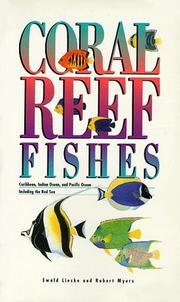
A globally scoped, scientifically grounded guide to reef fish ecology and behavior that deepens understanding beyond identification to the 'why' behind what divers observe underwater.
Mastery & Exploration: Advanced Diving & the Underwater World
ExpertSynthesize all prior knowledge into an advanced, holistic understanding of diving — including wreck and cave awareness, underwater photography, and the philosophy of ocean stewardship.
▸ Study plan for this stage
Pace: 8–10 weeks, ~25–30 pages/day, with 1–2 weeks between books for integration and practice
- Advanced dive planning and risk management: nitrogen narcosis, decompression sickness, and technical diving protocols from Brylske's systematic approach
- The psychology and philosophy of underwater exploration: Cousteau's vision of the ocean as a living system and humanity's relationship to it
- Wreck diving fundamentals: site assessment, navigation, and safety considerations specific to penetration diving
- Underwater photography and documentation: techniques for capturing and sharing the underwater world responsibly
- Ocean stewardship and conservation ethics: translating personal diving experience into advocacy for marine ecosystems
- Sensory awareness and mindfulness underwater: developing the attentiveness Cousteau exemplified and Brylske reinforces
- Integrating technical knowledge with philosophical purpose: diving as both science and art
- What are the physiological mechanisms behind nitrogen narcosis and decompression sickness, and how do Brylske's protocols help prevent them?
- How does Cousteau's philosophy of ocean stewardship inform your personal approach to diving ethics and marine conservation?
- What are the key safety considerations and planning steps for wreck diving, and why does Brylske emphasize them?
- How can underwater photography serve both as a personal record and as a tool for ocean advocacy, drawing on both authors' approaches?
- What does it mean to dive with 'awareness' in Cousteau's sense, and how does this integrate with Brylske's technical knowledge?
- How would you design a dive plan for an advanced site (wreck, deep, or challenging environment) that incorporates both Brylske's systematic approach and Cousteau's philosophical mindset?
- Complete a detailed dive plan for a wreck site, including nitrogen narcosis calculations, decompression stops, and contingency procedures based on Brylske's framework
- Write a personal diving manifesto (500–750 words) that synthesizes Cousteau's ocean philosophy with your own diving goals and conservation commitments
- Conduct an underwater photography session (or review existing photos) and annotate 5–10 images with technical notes (depth, lighting, composition) and conservation observations
- Create a risk assessment matrix for three different advanced dive scenarios (wreck, deep, cave-adjacent) using Brylske's protocols
- Lead or participate in a group discussion about a specific passage from Cousteau that resonated with you, connecting it to a real dive experience
- Design and execute a 'conservation dive' where you document marine life or environmental conditions at a familiar site, then research and write a brief report on findings
Next up: This stage transforms you from a technically competent diver into a reflective, purposeful ocean advocate—positioning you to mentor others, contribute to citizen science initiatives, or pursue specialized certifications (technical, cave, or professional instructor training) with both the knowledge and ethical foundation to do so responsibly.

A thorough, reflective capstone text written by a veteran dive educator that ties together skills, judgment, environmental ethics, and the culture of diving into a unified philosophy for the lifelong diver.

The classic memoir that inspired generations of divers; reading it at the end of the curriculum connects all the technical knowledge to the wonder, adventure, and conservation spirit that make diving truly meaningful.
Discussion
Keep reading
Paths that share books, cover the same subject, or open a related topic.