The Best Books for 12-Year-Olds: What to Read, and in What Order
Twelve is the crossing. An eleven-year-old is still reading children's books, however dark; a twelve-year-old wants to be treated as an adult reader, and the useful question stops being 'can they read this' and becomes 'is this book honest with them'. The ladder starts with novels written with adult craft but a young narrator, moves to books about injustice told without softening, and ends at the doorway to adult reading — dystopia, a real diary, and a novel narrated by Death. Reading level is no longer the constraint at this age; content is, and it varies enormously between two twelve-year-olds in the same class.
Adult craft, young narrator
IntermediateRead novels built with the structural ambition of adult fiction while the point of view stays close to the reader's own age.
▸ Study plan for this stage
Pace: Six to eight weeks, or a book a fortnight at an unhurried pace. Holes is around 230 pages and most twelve-year-olds finish it in under a week once the timelines click. Refugee is around 340 pages and reads fast because the chapters are short. The Curious Incident of the Dog in the Night-Time is arou
- Withholding as a technique. Holes runs three separate timelines and refuses to explain how they connect until the last fifty pages, and learning to trust an author who is holding something back is the single most useful reading habit at this age
- Plot as architecture. Every apparently throwaway detail in Holes — the onions, the shoes, the name Stanley Yelnats — turns out to be load-bearing, which is worth noticing while it happens
- Parallel structure making an argument. Refugee alternates three children fleeing Nazi Germany, Castro's Cuba and Assad's Syria, and the parallel says something the book never states in a sentence
- Three eras, one situation. Putting the three journeys side by side is what turns three stories into a claim about what a refugee is
- First-person voice as the whole experience. The Curious Incident is narrated by a boy investigating a dead dog who uncovers his parents' marriage instead, and the interest is entirely in what he notices and what he does not
- An unreliable narrator without dishonesty. Christopher reports accurately and understands incompletely, so the reader assembles a story he is not telling
- The difference between a book being readable and a book being honest. At twelve, reading level has stopped being the constraint and content has become it, and it varies enormously between two children of the same age
- At what point in Holes did you work out how the three timelines connect? Go back and find the first clue you missed.
- Why does Refugee alternate the three stories chapter by chapter instead of telling them one after another?
- What do the three journeys in Refugee have in common, and what is genuinely different about each?
- In The Curious Incident, what does Christopher tell you about his parents without realising it?
- Whose story is The Curious Incident really — Christopher's or his mother's and father's?
- All three books trust the reader to work something out. Which one trusted you the most?
- After finishing Holes, reread the first two chapters. Write down three things that mean something completely different the second time.
- Draw the three Holes timelines as parallel lines and mark every point where one touches another. The plot becomes visible as a shape.
- For Refugee, write 200 words on the moment the three stories touch, and what it made you feel about the rest of the book.
- Pick a scene in The Curious Incident where an adult is upset and Christopher does not say why. Rewrite that scene in 150 words from the adult's point of view.
- Write down one thing each book asked you to believe about the world. Keep the page — you will add to it in the next two stages.
Next up: These three books trusted you with structure; the next three trust you with subject matter, and stop softening the language people actually used.
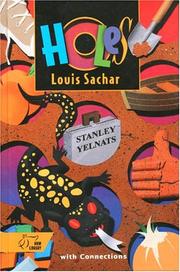
Three timelines — a juvenile detention camp, a nineteenth-century curse and an outlaw's robbery — that snap together in the last fifty pages. Start here: it is the most purely satisfying piece of plotting a twelve-year-old will read, and it teaches them to trust an author who withholds.
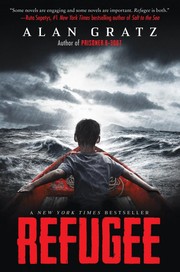
Three children fleeing Nazi Germany, Castro's Cuba and Assad's Syria, in alternating chapters that eventually touch. The parallel structure makes an argument the book never has to state out loud.
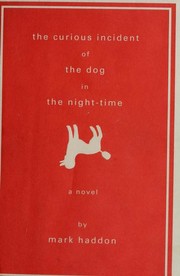
Published for adults and read by twelve-year-olds ever since, narrated by a boy who investigates a dead dog and uncovers his parents' marriage instead. Worth knowing before handing it over: it contains swearing, and Haddon has himself said he did no research into autism and would not describe the book as representing it — read it as one invented voice, not as a portrait of a condition.
Injustice, told straight
IntermediateRead books that put racism, class and violence on the page in the words their characters actually used.
▸ Study plan for this stage
Pace: Eight to ten weeks. Roll of Thunder, Hear My Cry is around 280 pages and should be the slowest — it rewards stopping to talk about it. The Outsiders is short, around 190 pages, and often gets read in two sittings. Chinese Cinderella is around 220 pages. Long Way Down is a verse novel of around 320 s
- Period language kept intact. Roll of Thunder does not translate 1930s Mississippi into comfortable modern words, and the refusal is where the book's power comes from
- A narrator who understands less than the reader. Cassie is nine and works out across the novel what the adults have been protecting her from, so the reader learns it at her pace
- Land as the plot. The Logan family's ownership of their own land is what makes their position possible and what everything in the book threatens
- The Outsiders written by a seventeen-year-old about class as much as about gangs, and still the book that persuades resistant twelve-year-olds that novels are about them
- Class made visible through small things — hair, cars, jackets, which side of town — rather than through statement
- Chinese Cinderella as the first non-fiction here, and the first book where the cruelty is domestic rather than historical: an unwanted daughter in 1940s Shanghai and Hong Kong, blamed for her mother's death
- Long Way Down proving that poetry can carry an entire plot. Sixty seconds in a lift, a floor per encounter, and a decision the book refuses to make for you
- The unresolved ending as a deliberate choice. Long Way Down stops before the answer, which is why it produces argument rather than agreement
- What is Cassie protected from at the start of Roll of Thunder, and what does she understand by the end?
- Why does the Logans' land matter so much? Explain the connection to what the family can and cannot do.
- In The Outsiders, what actually separates the two groups? List the markers rather than naming the sides.
- Chinese Cinderella is a memoir. Does knowing it is true change how you read it, and should it?
- In Long Way Down, who does Will meet in the lift, and what does each of them want him to understand?
- Long Way Down does not tell you what happens. What do you think he does, and what in the book made you decide?
- Find the passage in Roll of Thunder that was hardest to read and write 150 words on why the book uses those exact words rather than softer ones.
- For The Outsiders, list every detail that tells you which group a character belongs to before anyone says so. The list is longer than you expect.
- Write 200 words about one incident in Chinese Cinderella from the point of view of an adult in the household. It is uncomfortable and that is the exercise.
- Read Long Way Down twice — once straight through and once aloud. Then write a paragraph on which parts changed.
- Take the page you started in the previous stage and add what each of these four books asked you to believe. Note where two books disagree.
Next up: You have read books that do not soften their subject, which is exactly what these last four require — because from here the books are not written for you specifically, and that is the point.

A Black family holding on to their land in 1930s Mississippi, narrated by nine-year-old Cassie as she works out what the adults have been protecting her from. It contains racial slurs and a near-lynching, deliberately and unavoidably — the book's power is that it does not translate the period into comfortable language.

Written by a seventeen-year-old about gang violence and class, and still the book that convinces resistant twelve-year-olds that novels are about them. Short, fast, and two characters die.
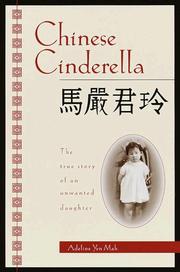
A memoir of an unwanted daughter in 1940s Shanghai and Hong Kong, blamed for her mother's death and eventually abandoned at a boarding school. It is the first non-fiction on this ladder where the cruelty is domestic rather than historical.

A verse novel that takes place in a sixty-second lift ride as a boy goes to avenge his brother. It is read in an hour and argued about for weeks, and it is the proof that poetry can carry a whole plot.
The doorway to adult reading
IntermediateFinish books that a twelve-year-old and an adult can read as equals, and leave the children's shelf behind on purpose.
▸ Study plan for this stage
Pace: Ten to twelve weeks. The Hunger Games is around 380 pages and is the fastest read on the whole ladder. Ender's Game is around 320 pages and should be read directly afterwards so the two argue with each other. The Diary of a Young Girl runs around 340 pages in the unabridged edition and is best read
- The Hunger Games as anger rather than adventure. It is about spectacle, complicity and who is watching, and the propulsive plot is the delivery system for that
- Using it as a bridge and not a destination. It is the standard first young adult novel, which makes it a doorway rather than an endpoint
- Ender's Game as its counterweight: a gifted child trained through simulated war by adults lying to him about everything, with an ending that recontextualises the whole book
- Two books about children made to fight, reaching different conclusions about responsibility. Reading them together is the point of putting them adjacent
- The diary read at twelve as a book by someone almost exactly your age, which is a completely different experience from meeting it later as a historical document
- Anne Frank as a writer rather than a symbol. She revised her own diary intending publication, and reading her as a young writer at work is more accurate and more interesting than reading her as an emblem
- The Book Thief narrated by Death, in a German town, telling you the deaths in advance — which removes suspense so that everything else can be noticed
- Style as the reason to read. The Book Thief is the first book on this ladder where the sentences, not the plot, are what you are there for, which is what leaving the children's shelf actually means
- Who is the audience for the Games inside The Hunger Games, and what is the book saying about them — and about you reading it?
- In Ender's Game, what are the adults doing to Ender, and how much of it does he consent to?
- The two books disagree about whether a child forced to do something terrible is responsible for it. Set out each position, then say what you think.
- What does Anne Frank write about that surprised you? Why do you think earlier editions left it out?
- The Book Thief tells you who dies in advance. What does the book gain by giving up suspense?
- Why is Death the narrator, and what does he find hardest to understand about people?
- Write 200 words on the moment in The Hunger Games where you realised the book was angry rather than exciting.
- After finishing Ender's Game, reread the first chapter. Write down what the adults are saying that you now understand differently.
- Pick one week of Anne Frank's diary and write your own entries for that week in the same voice about your own life. Then read hers again.
- Copy out three sentences from The Book Thief that you would not have found in any other book on this ladder, and write a line on what each one does.
- Complete the page you have been keeping since stage one. Then write 300 words on which of the eleven books you would give to someone your age who says they do not like reading, and why it is that one.
Next up: This is the end of the ladder — eleven books that treat a twelve-year-old as an adult reader without handing them an adult novel — and the natural next step is not another list but the adult shelf itself, chosen the same way: not by whether you can read it, but by whether it is honest with you.
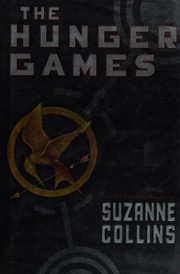
Children made to kill each other on television, written with real anger about spectacle and complicity. It is the most propulsive book here and the standard first young adult novel, so use it as the bridge rather than the destination.
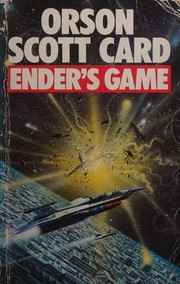
A gifted child is trained through simulated war by adults who are lying to him about everything. The military-school cruelty is relentless and the ending recontextualises the whole book — pair it with The Hunger Games and the two argue with each other.
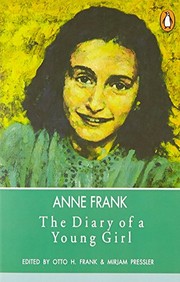
Read at twelve, this is a book by someone almost exactly the reader's age, which is a completely different experience from meeting it later as a historical document. The unabridged edition includes Anne's writing about her body and her contempt for her mother, both of which are the point.

Narrated by Death, set in a German town, and it tells you who dies long before it happens. The most stylistically demanding book on the whole ladder — save it for last, when a twelve-year-old is reading for the writing and not only for the plot.
Discussion
Keep reading
Paths that share books, cover the same subject, or open a related topic.