Plant-based and vegan nutrition: the best books to eat well, in reading order
This four-stage curriculum takes a beginner from the "why" of plant-based eating all the way to the science of nutrient optimization and practical meal mastery. Each stage builds on the last — starting with motivation and big-picture evidence, moving through nutritional fundamentals, then diving into the biochemistry and clinical research, and finally landing on real-world application and long-term planning.
Foundations: The Case for Plant-Based Eating
BeginnerUnderstand the core evidence linking plant-based diets to health, and build the vocabulary and motivation needed for deeper study.
▸ Study plan for this stage
Pace: 8–10 weeks, ~40–50 pages/day (approximately 3–4 hours of focused reading per week)
- The 15 leading causes of death in the US and how plant-based diets address them (Greger's framework)
- Nutrient density vs. caloric density: why whole plant foods outperform processed alternatives
- The protein myth: meeting protein needs on a plant-based diet and amino acid completeness
- The China Study's epidemiological findings: the correlation between animal protein consumption and chronic disease
- Cholesterol, atherosclerosis, and arterial plaque reversal through dietary change
- Inflammation, oxidative stress, and the antioxidant power of whole plant foods
- How to read and interpret nutritional science critically: correlation vs. causation, study design quality
- Building a sustainable plant-based diet: practical meal planning and transition strategies
- What are the 15 leading causes of death in the US, and which ones does Greger argue are most preventable through plant-based eating?
- According to The China Study, what is the relationship between animal protein consumption and the incidence of chronic diseases like cancer and heart disease?
- How does nutrient density differ from caloric density, and why is this distinction important for long-term health on a plant-based diet?
- What does the research say about protein requirements on a plant-based diet, and how can someone ensure they meet their amino acid needs?
- How can dietary changes reverse atherosclerosis and arterial plaque, according to the evidence presented in these books?
- What are the key differences between correlation and causation in nutritional studies, and how do Greger and Campbell address this in their research?
- Create a personal health audit: identify which of the 15 leading causes of death (from Greger) are relevant to your family history or current health concerns, then research how plant-based eating addresses each one.
- Analyze your current diet for 3 days: track all foods consumed and categorize them by nutrient density vs. caloric density. Identify 3 high-calorie, low-nutrient foods to replace with plant-based alternatives.
- Design a complete plant-based day of eating (breakfast, lunch, dinner, snacks) that meets your protein needs using the amino acid pairing principles discussed in the books. Calculate macros to verify.
- Read and critique one peer-reviewed nutrition study: identify the study design, sample size, potential confounding variables, and whether the conclusions match the data presented.
- Create a transition plan: if you eat animal products now, map out a realistic 4–8 week shift toward plant-based eating, identifying specific meals and recipes you'll use.
- Summarize The China Study's key findings in a one-page infographic or visual timeline, highlighting the correlation between animal product consumption and disease rates across different regions.
Next up: This foundation equips you with the scientific rationale and vocabulary to move into the next stage—learning the practical mechanics of plant-based nutrition, including micronutrient optimization, supplementation, and disease-specific dietary strategies.
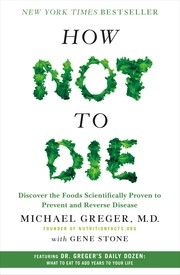
The ideal starting point — Dr. Greger surveys the peer-reviewed science on how whole-food, plant-based eating prevents and reverses the leading causes of death, introducing key concepts (phytonutrients, inflammation, oxidative stress) in plain language.
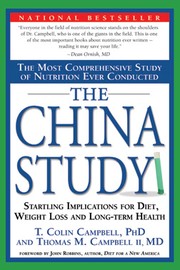
A landmark population-level study that builds on Greger's overview by presenting the epidemiological and experimental evidence for plant-based diets; reading it second gives the beginner the context to evaluate large-scale nutritional research.
Nutritional Essentials: Getting the Balance Right
BeginnerLearn how to meet all macro- and micronutrient needs on a vegan diet — including protein, B12, iron, calcium, omega-3s, and vitamin D — without deficiency or guesswork.
▸ Study plan for this stage
Pace: 4–5 weeks, ~40–50 pages/day. Start with "Becoming Vegan" (weeks 1–2.5, ~350 pages), then move to "Vegan for Life" (weeks 2.5–5, ~300 pages). Allocate 2–3 days per book for review and integration.
- Complete protein and amino acid profiles: how to combine plant proteins (legumes, grains, nuts, seeds) to meet all nine essential amino acids daily
- Vitamin B12 supplementation and fortified foods: why B12 is non-negotiable on a vegan diet and how to choose reliable sources
- Iron absorption optimization: heme vs. non-heme iron, enhancing absorption with vitamin C, and managing iron intake to avoid deficiency or excess
- Calcium sources and bioavailability: identifying plant-based calcium-rich foods and understanding which are most absorbable
- Omega-3 fatty acids (ALA, EPA, DHA): converting plant sources (flax, chia, walnuts) and when to supplement with algae-based EPA/DHA
- Vitamin D synthesis and supplementation: sun exposure, fortified foods, and supplemental strategies for different climates and seasons
- Micronutrient tracking and meal planning: using food composition data to verify nutrient adequacy and building balanced vegan meals
- Individual variation and life stages: adjusting nutrient needs for pregnancy, lactation, childhood, and athletic performance on a vegan diet
- What are the nine essential amino acids, and how can you ensure you consume all of them daily on a vegan diet without eating at every meal?
- Why is B12 supplementation or fortified food consumption mandatory for vegans, and what are the most reliable sources?
- How does non-heme iron absorption differ from heme iron, and what practical strategies can you use to maximize iron uptake from plant foods?
- Which plant-based foods provide the most bioavailable calcium, and how much do you need daily?
- What is the difference between ALA, EPA, and DHA omega-3s, and how can a vegan meet EPA/DHA needs?
- How do vitamin D needs vary by geography, season, and age, and what supplementation strategy would you recommend for a vegan in a northern climate?
- Create a 7-day meal plan that meets all macro- and micronutrient targets (protein, B12, iron, calcium, omega-3s, vitamin D) using only whole foods and fortified products; track it in Cronometer or similar app
- Research and compare 5 B12 supplements or fortified foods (brands, dosages, bioavailability); write a 1-page recommendation for a vegan friend based on cost and reliability
- Prepare and taste-test 3 iron-rich plant meals (e.g., lentil curry with orange juice, tofu stir-fry with bell peppers, bean chili) and document how you optimized absorption
- Audit your current diet or a typical vegan diet for calcium sources; identify gaps and redesign 2–3 meals to meet 1000–1200 mg/day from food alone
- Calculate your personal omega-3 needs (based on age, sex, activity level) and design a weekly intake strategy combining ground flax, chia seeds, walnuts, and/or algae supplements
- Map out a vitamin D strategy for your location and season (sun exposure, fortified foods, supplementation); calculate estimated intake and identify any gaps
Next up: This stage equips you with the scientific foundation and practical tools to meet all nutrient needs confidently, preparing you to move forward into meal planning, food selection strategies, and real-world application across different life stages and health conditions.
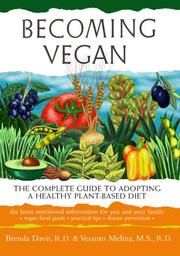
Written by two registered dietitians, this is the most comprehensive and evidence-based guide to vegan nutrition available; it translates the science from Stage 1 into concrete daily requirements and food sources.
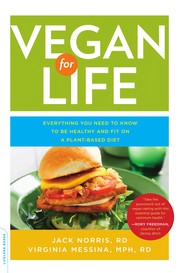
A concise, RD-authored companion that zeroes in on the nutrients most likely to be insufficient on a vegan diet, giving the reader practical supplementation and food-combination strategies to build on the broader framework of Becoming Vegan.
Going Deeper: The Science of Plant Protein & Performance
IntermediateUnderstand protein quality, amino acid profiles, and how to optimize a plant-based diet for athletic performance, muscle building, and long-term vitality.
▸ Study plan for this stage
Pace: 4–5 weeks, ~40–50 pages/day (approximately 280–350 pages total). Allocate extra time for the dense scientific chapters on amino acids and protein metabolism; consider re-reading key sections on performance optimization.
- The protein myth: why Western culture overestimates protein requirements and the risks of excess protein consumption
- Complete vs. incomplete proteins: how plant-based sources provide all essential amino acids when consumed strategically
- Amino acid profiles and complementary proteins: understanding how to combine plant foods to optimize amino acid intake for muscle building
- Protein quality metrics (PDCAAS, DIAAS) and how plant proteins compare to animal proteins in bioavailability and digestibility
- Plant-based protein sources for athletic performance: legumes, grains, nuts, seeds, and whole foods that support muscle synthesis and recovery
- Debunking performance myths: how elite athletes thrive on plant-based diets without excessive protein supplementation
- Long-term health implications: how excess protein affects kidney function, bone health, and chronic disease risk
- Practical optimization strategies: meal timing, food combinations, and supplementation decisions for plant-based athletes
- What is the 'protein myth' and what evidence does Davis present to challenge the conventional wisdom about daily protein requirements?
- How do plant-based proteins achieve amino acid completeness, and why is the concept of 'incomplete proteins' misleading?
- What are PDCAAS and DIAAS scores, and how do plant-based protein sources rank compared to animal sources on these scales?
- How can a plant-based athlete optimize muscle building and performance without consuming excessive protein or relying on supplements?
- What are the long-term health risks associated with high protein consumption, and how does this relate to kidney and bone health?
- Which plant-based foods provide the best amino acid profiles for athletic performance, and how should they be combined in meals?
- Track your current protein intake for 3 days and calculate your actual needs based on Davis's evidence-based recommendations (not industry marketing); compare to what you're currently consuming
- Create a meal plan for one week that meets your protein needs using only whole plant foods, ensuring amino acid completeness through strategic food pairing
- Analyze the amino acid profiles of 5 plant-based protein sources using a nutrition database; map which amino acids are limiting in each and identify complementary foods
- Design a pre- and post-workout nutrition strategy for an athlete (real or hypothetical) using plant-based foods; justify your choices based on Davis's performance principles
- Research and compare the PDCAAS/DIAAS scores of 3 plant-based proteins vs. 3 animal proteins; create a visual chart and write a brief analysis of what the data reveals
- Conduct a personal experiment: adjust your protein intake to Davis's recommended levels for 2 weeks and journal any changes in energy, recovery, digestion, or performance
Next up: This stage equips you with the scientific foundation to design and defend a plant-based nutrition strategy for any goal—athletic or otherwise—preparing you to move into the next stage where you'll learn to apply these principles across diverse populations, health conditions, and life stages.

A bariatric surgeon's deep dive into the research on protein overconsumption and the superiority of plant proteins; reading it here challenges common myths and sharpens the reader's ability to critically assess nutrition claims.
Mastery: Meal Planning, Gut Health & Long-Term Optimization
ExpertSynthesize everything into a sustainable, personalized plant-based lifestyle — including meal planning frameworks, the gut microbiome's role in nutrition, and the latest research on longevity.
▸ Study plan for this stage
Pace: 8–10 weeks, ~40–50 pages/day (mix of reading and active note-taking). Weeks 1–3: "How Not to Diet"; Weeks 4–6: "Fiber Fueled"; Weeks 7–10: "The Blue Zones Kitchen" + integration work.
- Evidence-based weight management through whole-food, plant-based eating: Greger's 21-day elimination diet and the Daily Dozen framework for optimal nutrition
- The gut microbiome as the foundation of health: how fiber feeds beneficial bacteria, the role of diversity in plant foods, and the gut-brain-immune axis
- Fiber as a critical nutrient: types (soluble vs. insoluble), sources, optimal intake targets, and how to increase consumption without digestive distress
- Longevity patterns from Blue Zones populations: the role of plant-forward diets, community, movement, and stress reduction in extending healthspan
- Practical meal planning that integrates nutritional science: balancing macronutrients, seasonal eating, and culturally-rooted recipes from centenarian communities
- Personalization within plant-based frameworks: identifying individual microbiome responses, food sensitivities, and adapting strategies for long-term adherence
- The intersection of sustainability, ethics, and health: how plant-based eating supports personal longevity and planetary health
- What is Greger's Daily Dozen, and how does it serve as a practical framework for meeting daily nutritional needs on a plant-based diet?
- Explain the relationship between dietary fiber, the gut microbiome, and systemic health. How do different types of fiber affect microbial diversity?
- What are the key dietary and lifestyle patterns observed in Blue Zones populations, and how can you adapt them to your own cultural and geographic context?
- How would you design a personalized meal plan that incorporates Greger's evidence-based principles, supports your individual microbiome, and reflects Blue Zones longevity practices?
- What strategies does Bulsiewicz recommend for increasing fiber intake gradually while minimizing digestive discomfort, and why is this important for long-term adherence?
- How do the three books complement each other in building a sustainable, evidence-based plant-based lifestyle, and what are the potential gaps or tensions between their approaches?
- Complete Greger's 21-day elimination diet (or a modified 10-day version) and track energy, digestion, and mood daily. Document which foods you reintroduce and how your body responds.
- Audit your current diet against the Daily Dozen for one week: count servings of each category (grains, legumes, vegetables, fruits, nuts/seeds, etc.). Identify gaps and redesign 3 days of meals to meet all 12 targets.
- Create a 'microbiome diversity audit': list all plant foods you eat in a typical week, aiming for at least 30 different plant species. Research which foods are richest in prebiotic fiber and add 5 new ones to your rotation.
- Design a 4-week meal plan that incorporates recipes from 'The Blue Zones Kitchen' while meeting Greger's Daily Dozen targets. Include shopping lists, prep strategies, and notes on how each meal supports gut health.
- Conduct a fiber intake assessment: calculate your current daily fiber intake using a nutrition app, then create a 4-week gradual increase plan (adding ~5g per week) with specific foods and meal timing to minimize bloating.
- Interview or shadow a plant-based nutritionist, registered dietitian, or experienced meal planner. Ask how they personalize recommendations based on individual microbiome responses and food preferences. Document insights and adapt your own approach.
Next up: This stage equips you with the scientific foundation, practical frameworks, and personalized strategies to sustain plant-based eating for life; the next stage will likely focus on advanced topics such as athletic performance, clinical applications, or teaching/advocating plant-based nutrition to others.

Greger's follow-up to How Not to Die focuses on the mechanisms of weight regulation, meal timing, and dietary optimization — a natural capstone that applies advanced nutritional science to everyday planning.
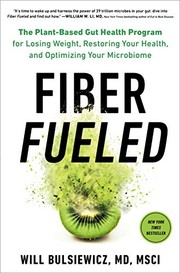
A gastroenterologist's evidence-based guide to the gut microbiome and dietary fiber; it provides the final, cutting-edge layer of understanding — how the foods chosen throughout this curriculum interact with gut bacteria to drive long-term health.

Closes the curriculum by grounding the science in the real eating patterns of the world's longest-lived populations, offering a practical, culturally rich meal-planning framework that makes the entire path sustainable for life.
Discussion
Keep reading
Paths that share books, cover the same subject, or open a related topic.