Postpartum recovery: gentle, evidence-based books for new parents
This curriculum guides a new parent through postpartum recovery in four carefully sequenced stages — starting with immediate physical and emotional orientation, moving into mental health and feeding, then deepening into identity and relationship adjustment, and finally offering advanced, evidence-based resources for those who want a thorough clinical understanding. Each stage builds the language, self-awareness, and confidence needed to get the most from the next, while always complementing — never replacing — guidance from your medical team.
Foundations: What to Expect Right After Birth
BeginnerUnderstand the basics of physical postpartum healing, what is normal vs. concerning, and build a reassuring framework for the weeks ahead.
▸ Study plan for this stage
Pace: 4–5 weeks, ~20–25 pages/day (approximately 2–3 hours/week for reading and reflection)
- The fourth trimester as a critical transition period: physical, emotional, and relational changes that occur in the first 12 weeks postpartum
- Normal postpartum physical recovery milestones: bleeding patterns, uterine involution, perineal healing, and hormonal shifts across weeks 1–6
- The postpartum mood spectrum: distinguishing between baby blues, postpartum depression, postpartum anxiety, and postpartum psychosis to recognize when professional support is needed
- The role of nervous system regulation and somatic awareness in recovery: how the body's stress response affects healing and bonding
- Cultural and social expectations vs. biological reality: why the 6-week postpartum period is insufficient for full recovery and what realistic timelines look like
- Practical strategies for self-care, rest, and creating a supportive environment during the fourth trimester
- The importance of partner/support person involvement and communication during postpartum recovery
- What is the fourth trimester, and why is the 12-week timeframe significant for postpartum recovery?
- What are the normal patterns of postpartum bleeding, and at what point should bleeding patterns raise concern?
- How do you distinguish between baby blues and postpartum depression or anxiety, and when should someone seek professional help?
- What role does the nervous system play in postpartum healing, and how can somatic practices support recovery?
- Why is the traditional 6-week postpartum clearance insufficient for full physical recovery, and what does a realistic recovery timeline look like?
- What are the key ways a partner or support person can contribute to postpartum recovery?
- Create a personal postpartum recovery timeline: map out expected physical milestones (bleeding patterns, energy levels, pain/discomfort) for weeks 1–12 based on the books, then track your actual experience to normalize variations
- Develop a 'normal vs. concerning' reference sheet: list warning signs from both books (e.g., signs of infection, hemorrhage, postpartum mood disorders) and keep it accessible during the fourth trimester for quick reference
- Practice a somatic check-in routine: spend 5 minutes daily doing a body scan meditation or gentle breathing exercise as described in Johnson's work, noting how nervous system regulation affects your sense of wellbeing
- Interview or write a letter to your partner/support person: discuss the key expectations and needs from 'The Fourth Trimester' and 'What No One Tells You,' then create a shared postpartum support plan together
- Journal reflection: after each book section, write 1–2 pages answering 'What surprised me?' and 'How does this change my expectations for postpartum recovery?'
- Create a postpartum mood tracking log: design a simple daily or weekly tracker for mood, anxiety, sleep quality, and physical symptoms to help you recognize patterns and communicate with healthcare providers if needed
Next up: This foundation establishes what normal postpartum recovery looks like and equips you to recognize red flags, preparing you to move into the next stage where you'll learn specific strategies for managing common postpartum challenges and optimizing your physical and mental health during the fourth trimester and beyond.

A warm, body-centered introduction to the first 12 weeks after birth — covers physical healing, rest, and nourishment in accessible language, making it the ideal starting point before anything else.

Written by a reproductive psychiatrist, this book normalizes the emotional upheaval of new parenthood and introduces key vocabulary around mood, identity, and adjustment that will be essential for later stages.
Mental Health: Recognizing and Healing the Emotional Landscape
BeginnerIdentify the spectrum from baby blues to postpartum depression and anxiety, understand when to seek help, and learn evidence-based coping strategies.
▸ Study plan for this stage
Pace: 4–5 weeks, ~25–30 pages/day. Start with "This Isn't What I Expected" (weeks 1–2, ~200 pages), then "Good Moms Have Scary Thoughts" (weeks 3–5, ~250 pages). Include 2–3 reflection days per week.
- The spectrum of postpartum mood disorders: baby blues vs. postpartum depression vs. postpartum anxiety and OCD
- Intrusive thoughts as a symptom of postpartum anxiety and OCD, not a reflection of character or desires
- The role of hormonal, biological, and environmental factors in postpartum emotional struggles
- Evidence-based coping strategies including cognitive reframing, grounding techniques, and self-compassion
- When and how to seek professional help: recognizing warning signs and overcoming shame or stigma
- The importance of partner/support system involvement in recovery and healing
- Validation and normalization: understanding that scary thoughts and emotional distress are treatable conditions, not personal failure
- What are the key differences between baby blues, postpartum depression, and postpartum anxiety/OCD, and what is the typical timeline for each?
- Why are intrusive thoughts common in postpartum anxiety and OCD, and how can understanding this distinction reduce shame?
- What are 3–4 concrete coping strategies from these books you could use immediately if experiencing postpartum mood symptoms?
- How do hormonal, biological, and relational factors contribute to postpartum emotional struggles according to Kleiman?
- What are the red flags that indicate it's time to seek professional help, and what resources or providers should you contact?
- How can you communicate your emotional experience to a partner, family member, or healthcare provider in a way that invites support rather than dismissal?
- Daily thought journal: For 1 week, record any intrusive or scary thoughts without judgment, then identify which coping strategy from the books you could apply (cognitive reframing, grounding, self-compassion).
- Create a personal 'warning signs' checklist based on Kleiman's descriptions; share it with your partner or support person so they can help you recognize when professional help is needed.
- Practice one grounding or anxiety-reduction technique from the books daily for 2 weeks (e.g., the 5 senses exercise, breathing technique, or body scan); note how it affects your mood and anxiety level.
- Write a letter to yourself as if from a compassionate friend, incorporating Kleiman's message that scary thoughts don't define you; read it aloud when anxiety spikes.
- Interview or have a conversation with your partner/support person using prompts from the books about how to communicate emotional needs and involve them in recovery.
- Create a resource map: list 3–5 mental health providers, crisis lines, and support groups in your area; practice making one phone call or sending one email to schedule a consultation.
Next up: This stage equips you with the language, validation, and practical tools to recognize and address postpartum emotional struggles; the next stage will deepen your understanding of physical recovery and how body, mind, and lifestyle interconnect in healing.
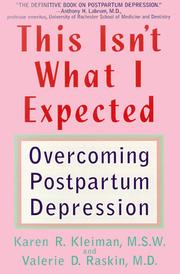
A classic, clinically grounded guide to postpartum depression written specifically for sufferers — best read after Sacks because you now have the emotional vocabulary to engage with its self-assessment tools and treatment options.

Kleiman's illustrated follow-up tackles postpartum intrusive thoughts with compassion and humor, destigmatizing one of the least-discussed aspects of new parenthood and reinforcing that seeking help is strength.
Feeding and the Body: Nourishment for Parent and Baby
IntermediateNavigate infant feeding decisions — breastfeeding, formula, or combination — with evidence-based information and freedom from judgment.
▸ Study plan for this stage
Pace: 4–5 weeks, ~25–30 pages/day. Week 1–2: "The Womanly Art of Breastfeeding" (practical foundations). Week 3: Transition and review. Week 4–5: "Lactivism" (cultural and political context).
- Breastfeeding mechanics and physiology: how milk production works, latch techniques, and common challenges (from Wiessinger)
- The spectrum of feeding choices: breastfeeding, formula, and combination feeding as valid options without moral judgment
- How cultural narratives, historical movements, and politics shape infant feeding decisions and maternal identity (Jung's framework)
- Recognizing 'lactivism' as ideology: the difference between evidence-based feeding information and activist messaging
- Maternal autonomy and informed choice: making feeding decisions based on individual circumstances, health, and values rather than external pressure
- The role of support systems: lactation consultants, healthcare providers, family, and community in sustainable feeding practices
- Deconstructing 'natural' and 'best' in feeding discourse: understanding how these terms are culturally constructed and politically loaded
- What are the physiological steps of milk production, and how do supply and demand work in breastfeeding?
- What are the main barriers to breastfeeding (physical, social, economic), and how can they be addressed?
- How has the 'breast is best' movement emerged historically, and what are its social and political origins (according to Jung)?
- What is lactivism, and how does it differ from evidence-based breastfeeding support?
- How can a parent evaluate feeding options—breastfeeding, formula, combination—without internalizing guilt or shame?
- What role do healthcare systems, workplace policies, and cultural expectations play in shaping feeding decisions?
- Create a personal feeding decision matrix: list your circumstances (work, health, support, values) and evaluate how breastfeeding, formula, and combination feeding fit each factor—practice separating evidence from ideology.
- Read and annotate one chapter from Wiessinger on a specific challenge (e.g., latch, supply, returning to work) and write a one-page summary of the practical steps without moral language.
- Analyze a piece of infant feeding marketing or public health messaging (advertisement, social media post, health campaign) using Jung's framework: identify what is evidence-based versus what is ideological or activist.
- Interview or journal about your own feeding story (or a trusted person's): What messages did you receive about feeding? Where did they come from? How did they influence your choices?
- Create a resource map for your context: identify lactation consultants, peer support, formula options, and workplace policies available to you—practice seeing feeding as embedded in systems, not just individual choice.
- Write a response to a common feeding judgment or comment (e.g., 'breast is best,' 'formula is lazy') using evidence from both Wiessinger and Jung to reframe the conversation.
Next up: This stage equips you with both the practical knowledge to navigate feeding decisions and the critical lens to recognize how culture and politics shape those decisions, preparing you to move forward with informed autonomy and to engage with postpartum recovery holistically—understanding that feeding is one piece of maternal health and wellbeing, not its entirety.
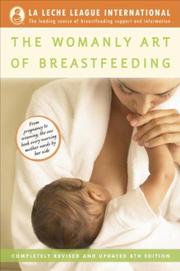
The most comprehensive and widely trusted breastfeeding reference available; reading it after establishing your mental health foundation means you can engage with its detail without overwhelm.

Provides a balanced, research-critical counterpoint to breastfeeding pressure, helping readers make feeding choices grounded in evidence and personal circumstance rather than guilt — a vital complement to the previous book.
Identity, Relationships, and the Long Game
IntermediateUnderstand the deeper psychological transformation of becoming a parent (matrescence/patrescence), rebuild partnership dynamics, and develop a sustainable vision of postpartum life.
▸ Study plan for this stage
Pace: 6–8 weeks, ~25–35 pages/day (alternating between books to allow reflection time between sections)
- Matrescence and patrescence as profound identity transformations, not just role additions
- The 'fourth trimester' concept and how relationship stress peaks in the first postpartum year
- Gottman's research on what predicts divorce and the specific vulnerabilities of new parent couples
- The physiological and psychological roots of postnatal depletion (nutrient depletion, hormonal shifts, sleep disruption)
- The distinction between postpartum depression/anxiety and postnatal depletion as separate conditions requiring different approaches
- Rebuilding emotional connection and intimacy after the shock of early parenthood
- Creating a sustainable postpartum life through realistic expectations, boundary-setting, and partnership repair
- The role of community, support systems, and asking for help as essential to recovery
- What is matrescence/patrescence, and how does it differ from simply 'becoming a parent'?
- According to Gottman, what are the key predictors of relationship breakdown in new parent couples, and what specific behaviors should couples watch for?
- What is postnatal depletion, what causes it physiologically, and how does it differ from postpartum depression?
- How can a couple rebuild emotional intimacy and partnership during the postpartum period when stress and exhaustion are high?
- What are the practical strategies Serrallach recommends for addressing nutrient depletion and restoring physical resilience?
- How can new parents create sustainable expectations and boundaries to protect both individual wellbeing and the partnership?
- Complete Gottman's 'Sound Relationship House' assessment as a couple (from And Baby Makes Three) and identify which areas of your relationship need intentional repair or maintenance.
- Have a structured 'state of the union' conversation with your partner using Gottman's framework: share appreciations, identify one area of conflict, and agree on one small change to try this week.
- Track your own energy, mood, and physical symptoms for 2 weeks using Serrallach's depletion checklist; identify which symptoms resonate most and which areas (sleep, nutrition, movement) need priority.
- Create a 'nutrient-dense meal plan' for one week based on Serrallach's recommendations; prepare and eat at least 3 meals that directly address your identified depletion areas.
- Map your current support system: who helps with childcare, emotional support, practical tasks, and advice? Identify one gap and take one concrete action to fill it (e.g., ask a friend, hire help, join a group).
- Write a personal 'postpartum vision statement' that reflects your values as a parent, partner, and individual—not what you think you should want, but what would actually feel sustainable and fulfilling for you.
Next up: This stage shifts you from understanding the *why* behind postpartum struggles (identity, relationships, depletion) to the *how* of practical recovery—preparing you to move into concrete tools for managing specific challenges like sleep, nutrition, mental health, and body restoration in the next stage.
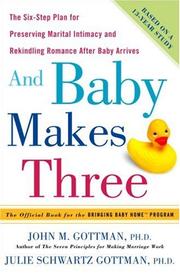
Drawing on decades of relationship research, Gottman addresses how a new baby strains partnerships and offers concrete, evidence-based tools — best read once physical and mental health foundations are in place.

Bridges physical recovery and long-term wellbeing by addressing nutritional, hormonal, and lifestyle depletion that can persist for years — a fitting capstone that ties together body, mind, and identity threads from all prior stages.
Discussion
Keep reading
Paths that share books, cover the same subject, or open a related topic.