Best Books on Animal Tracking, in Reading Order
This curriculum builds a tracker from the ground up — starting with the universal language of prints and gaits, then layering in scat and sign, regional field-guide fluency, and finally the deep awareness and trailing arts practiced by master trackers. Each stage assumes the vocabulary and eye trained in the one before it, so reading in order matters.
Foundations: Prints, Gaits & the Tracker's Eye
BeginnerBuild a solid mental model of how tracks are made, how to measure and describe them, and how gait patterns reveal an animal's movement — the core literacy every tracker needs first.
▸ Study plan for this stage
Pace: 4–5 weeks, ~25–30 pages/day. Start with Rezendes (Week 1–2.5), then Bang (Week 2.5–5). Allow 2–3 days per week for field observation and practice.
- How animal anatomy (foot structure, stride length, straddle width) directly determines track morphology and gait patterns
- The five primary gait types (walk, trot, pace, bound, gallop) and how to identify them from track patterns and spacing
- Systematic track measurement and description: length, width, claw marks, pad impressions, and how to record these accurately in the field
- The relationship between substrate (soil, sand, snow, mud) and track clarity, and how to adjust your observation technique accordingly
- How to develop the 'tracker's eye'—the perceptual skill of spotting tracks and sign in cluttered natural environments
- The distinction between direct register (feline-like) and diagonal register (canine-like) gaits and what they reveal about an animal's hunting strategy
- How to use track size, shape, and pattern as a first filter for species identification before confirming with other sign
- What are the five primary gait patterns, and how would you distinguish a trot from a pace using only track spacing and positioning?
- Describe the key measurements you would take of a single track and explain why each matters for species identification.
- How does substrate affect track appearance, and what adjustments would you make to your observation technique in sand versus mud versus snow?
- What is direct register gait, which animals use it, and what does it tell you about their hunting behavior compared to diagonal register walkers?
- Walk through the process of spotting and documenting a track sequence in the field: what do you look for first, and in what order do you gather information?
- Given a set of track measurements and gait pattern, how would you narrow down the likely species and what additional sign would you look for to confirm?
- Create a personal field notebook template based on Rezendes' observation methods: include sections for track measurements, gait diagrams, substrate notes, and sketches. Use it on at least three field outings.
- Photograph or sketch 5–8 different track sequences from your local area (or a park/trail), labeling stride, straddle, and group pattern. Identify the likely gait type for each.
- Make a laminated reference card for each of the five gait patterns with diagrams, spacing formulas, and 2–3 animal examples. Carry it on field walks and use it to identify live tracks.
- Conduct a substrate experiment: make artificial tracks (using a carved stamp or your own foot) in sand, mud, and soil. Photograph and compare how the same track appears differently in each medium.
- Walk a known animal trail (deer path, dog trail, etc.) and map out a 20–30 foot track sequence, measuring stride and straddle at multiple points. Sketch the pattern and identify the gait.
- Interview or join a local naturalist, wildlife educator, or experienced tracker for a 1–2 hour field session. Ask them to demonstrate how they spot and interpret tracks, and practice alongside them.
Next up: Mastery of track anatomy, measurement, and gait recognition provides the foundation to move into species-specific identification, where you'll learn the distinctive features, habitat preferences, and behavioral patterns that allow you to confirm *which* animal made the track and what it was doing.
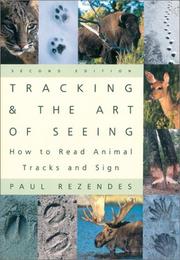
The ideal first book: richly photographed, approachable, and organized by species. It trains the beginner's eye to see detail in prints and introduces gait patterns without overwhelming jargon.

A meticulous European classic that deepens print and sign identification with precise illustrations; reading it second reinforces and expands the visual vocabulary Rezendes introduced.
Scat, Sign & the Full Picture
BeginnerExpand beyond footprints to the complete suite of animal sign — scat, feeding remains, dens, rubs, trails, and habitat clues — so the learner can read a landscape, not just a single track.
▸ Study plan for this stage
Pace: 4–5 weeks, ~25–30 pages/day. Start with Murie's field guide (2–3 weeks) to build foundational sign identification, then Halfpenny's scat-focused guide (2 weeks) to deepen diagnostic skills.
- Scat morphology and composition: size, shape, contents, and how to distinguish species-specific droppings across North American animals
- Sign hierarchy: understanding how footprints, scat, feeding remains, and habitat clues work together to build a complete tracking narrative
- Feeding sign and browse patterns: identifying what animals eat, how they feed, and what remains they leave behind (bone piles, stripped bark, gnawed vegetation)
- Shelter and den identification: recognizing burrows, dens, nests, and resting sites as evidence of animal presence and behavior
- Rubs, trails, and territorial marking: interpreting rubs on trees, worn paths, and scent-marking behavior as indicators of animal movement and social structure
- Landscape reading: synthesizing multiple sign types to reconstruct animal behavior, movement patterns, and habitat use across a broader area
- Regional variation: adapting sign identification to North American biogeography and seasonal changes in animal activity
- How do you distinguish between the scat of a black bear, a raccoon, and a coyote, and what does the contents of each tell you about diet and health?
- You find a cluster of signs: stripped bark on aspen, a worn trail, and large droppings. What animal likely made these signs, and what behavior do they indicate?
- What is the difference between feeding sign left by a deer (browsing) versus a porcupine, and how would you identify each in the field?
- How would you use scat, den location, and territorial rubs to map out a fox's home range and activity patterns?
- What seasonal changes in sign would you expect to see for a black bear from spring through fall, and why?
- You encounter a heavily used trail with multiple sign types. How would you determine which animals use it, in what order, and for what purpose?
- Create a visual reference chart for 8–10 common North American animals (bear, deer, fox, raccoon, porcupine, beaver, coyote, etc.) showing scat characteristics from Halfpenny: size, shape, contents, and seasonal variation. Include sketches or photos.
- Conduct a 'sign survey' in a local park, forest, or field: photograph or sketch at least 5 different types of sign (scat, feeding remains, trails, rubs, dens). Use Murie and Halfpenny to identify the likely species and interpret what the sign reveals about behavior.
- Collect and analyze scat samples (with proper safety precautions): dissect 3–4 samples, identify contents (hair, bone, plant material), and match them to species using Halfpenny's diagnostic keys.
- Map a small area (0.5–1 acre) marking all visible sign types: footprints, scat, feeding remains, trails, rubs, dens. Use Murie's descriptions to build a narrative of which animals use the space and how they interact.
- Practice scat identification blind: have a partner show you 6–8 unlabeled scat photos or samples; identify species and explain your reasoning using Halfpenny's morphological criteria.
- Document a feeding site: find evidence of browsing, stripping, or foraging; sketch the remains, measure bite marks or damage, and use Murie to determine the animal and feeding behavior.
Next up: This stage equips you to read landscapes holistically—moving from isolated tracks to the full behavioral and ecological story—preparing you to advance to species-specific tracking (predator-prey dynamics, seasonal migration, or territorial behavior) and to apply these skills in real-world field scenarios.

The Peterson Field Guide series classic, covering tracks AND scat across North America. Its compact format and hand-drawn plates make it the essential pocket reference to carry alongside the previous readings.

Halfpenny's dedicated scat-and-sign guide fills the gap left by print-focused books, giving systematic, photo-based coverage of droppings, hair, feathers, and feeding sign by region.
Regional Mastery: Field Guides for Your Landscape
IntermediateApply general knowledge to specific ecosystems and species assemblages; learn to use regional guides efficiently and cross-reference them for confident field identification.
▸ Study plan for this stage
Pace: 8–10 weeks, ~40–50 pages/day (mix of reading and field reference work)
- Regional variation in track morphology: how the same species' tracks differ across geographic ranges and habitats
- Substrate-specific tracking: how different ground conditions (mud, sand, snow, leaf litter) reveal or obscure track details and require adapted interpretation
- Sign hierarchy and assemblage reading: using scat, trails, feeding marks, and behavioral evidence alongside tracks to confirm species identity
- Cross-referencing regional guides: efficiently narrowing down candidates using range maps, habitat preference, and seasonal presence
- Mammal vs. bird track families: gait patterns, foot structure, and behavioral signatures that distinguish major groups and subgroups
- Confidence thresholds: recognizing when you have enough evidence for a definitive ID versus when you must remain uncertain or collect more data
- Field guide navigation: using keys, range maps, and comparative plates to move from field observation to confident identification
- How would you use regional range maps and habitat descriptions in Elbroch's guides to eliminate unlikely species candidates when you find a track in your local area?
- Describe the differences between a canine and feline track, and explain how you would use associated sign (scat, claw marks, gait pattern) to distinguish them in the field.
- How does substrate affect track clarity and interpretation? Give specific examples from the books of how the same species' tracks appear different in mud versus sand versus snow.
- What is the difference between a direct register gait and a diagonal walk, and which mammals in your region would you expect to show each pattern?
- How would you use bird track size, toe arrangement, and associated sign (perches, feeding marks, droppings) to narrow down a bird species in your local ecosystem?
- When you find a track or sign that doesn't match any species in your regional guide, what steps would you take to either identify it or document your uncertainty?
- Create a regional species checklist: list all mammals and birds in your area using the range maps in both guides, organized by habitat type (forest, grassland, wetland, etc.). Highlight which species are year-round residents vs. seasonal.
- Substrate comparison study: visit 3–4 different microhabitats (mud, sand, snow if available, or leaf litter) and photograph or sketch the same species' tracks in each substrate. Note how clarity and detail change and why.
- Track and sign matching: collect 5–10 photos or sketches of tracks/sign from your region and use the guides' keys and comparative plates to narrow down candidates. Document your reasoning and confidence level for each.
- Gait analysis walk: practice identifying direct register, diagonal walk, and bound patterns by walking them yourself, then comparing your observations to Elbroch's gait diagrams and field examples.
- Regional field guide audit: for your top 10 local species, create a one-page reference card with key distinguishing features, range, habitat, seasonal presence, and most common sign types from the guides.
- Blind comparison exercise: have a friend or colleague show you 5 regional track photos without species labels. Use only the guides to identify each one, explaining your reasoning and noting any ambiguities.
Next up: Mastery of regional species assemblages and confident field identification using guides prepares you to move into advanced interpretation—reading complex multi-species sign assemblages, understanding predator-prey interactions, and tracking behavioral ecology in your landscape.
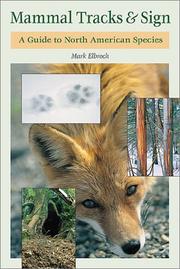
The most comprehensive North American reference ever published — 900+ pages of measured tracks, gaits, scat, and sign for every mammal. Now that foundations are in place, this becomes the definitive desk reference and field bible.
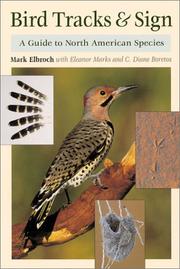
Elbroch's companion volume extends the tracker's eye to birds, whose prints, wing marks, scat, pellets, and feeding sign are often overlooked but enormously informative in the field.
Trailing, Pressure Release & Advanced Reading
IntermediateMove from identifying individual tracks to following an animal's story across terrain — understanding pressure releases, substrate variation, behavioral interpretation, and the art of trailing.
▸ Study plan for this stage
Pace: 8–10 weeks, ~25–30 pages/day, with 2–3 days per week dedicated to field practice
- Pressure releases and how they reveal animal behavior and gait patterns
- Substrate variation and how different surfaces (mud, sand, snow, leaf litter) alter track appearance and readability
- The trailing process: following a continuous line of sign across varied terrain
- Behavioral interpretation: distinguishing between feeding, traveling, and evasive movement patterns
- Track aging and environmental factors that affect track preservation and visibility
- The relationship between animal anatomy, biomechanics, and track morphology
- Sensory observation skills: using all senses to detect subtle sign beyond visible prints
- Connecting individual tracks into a narrative—reading the animal's story and intent
- What are pressure releases and how do they differ from the main track impression? How do they reveal an animal's gait and behavior?
- How does substrate variation affect track appearance, and what strategies do you use to read tracks in sand versus mud versus snow?
- Walk through the process of trailing an animal: what signs do you look for, how do you maintain the line when sign becomes sparse, and how do you interpret directional changes?
- How can you distinguish between an animal that is traveling, feeding, or fleeing based on track patterns and pressure releases?
- What environmental factors affect track aging, and how do you estimate how long ago an animal passed through?
- How does understanding animal anatomy and biomechanics help you predict where tracks will appear and what they should look like?
- What is the difference between reading isolated tracks and reading a trail as a continuous narrative?
- Photograph and sketch 10–15 individual tracks in different substrates (mud, sand, snow, or leaf litter), labeling pressure releases, toe placement, and claw marks; compare how the same species appears across substrates
- Practice trailing: follow a single animal's trail for at least 100 yards across mixed terrain, documenting direction changes, gait shifts, and behavioral clues; record your observations and interpretations
- Conduct a substrate study: create controlled conditions (wet sand, mud, or snow) and walk through them yourself at different speeds and gaits, then compare your own pressure releases to animal tracks
- Collect and analyze 5–8 aged tracks of the same species in the same location over consecutive days; document how weather, sun exposure, and foot traffic alter appearance
- Perform a behavioral interpretation exercise: find a trail showing multiple behavioral states (traveling, feeding, alert, evasive) and write a detailed narrative of what the animal was doing and why
- Create a detailed field journal entry for one complete trailing session, including substrate notes, pressure release analysis, gait interpretation, and your confidence level in the narrative you constructed
- Practice sensory observation: spend 30 minutes in a tracking area using only touch and smell (eyes closed or obscured) to detect sign; compare what you find to what you see visually
- Map a trail: sketch a detailed map of an animal's movement across 200+ yards, marking substrate changes, behavioral shifts, and key decision points; annotate with your interpretations
Next up: This stage transforms you from a track reader into a trail interpreter, equipping you with the analytical and observational tools needed to move into advanced applications—such as predicting animal behavior, understanding ecological relationships, and using tracking for wildlife management and conservation purposes.
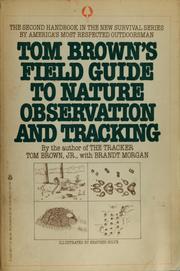
Brown's foundational text on the philosophy and practice of trailing introduces pressure-release reading and the mindset shift from 'finding tracks' to 'following a life' — essential before tackling Elbroch's trailing work.

Brown's deeper dive into pressure releases and substrate analysis; reading it after the first Brown book lets the learner apply the concepts with a richer experiential frame.
Awareness, Ecology & the Master Tracker
ExpertIntegrate tracking with deep nature awareness, animal behavior, and ecological thinking — moving from skilled identifier to intuitive, whole-landscape reader who anticipates animal presence.
▸ Study plan for this stage
Pace: 8–10 weeks, ~25–35 pages/day, with 2–3 days per week dedicated to field observation and practice
- Invertebrate ecology as a foundation for understanding entire food webs and predator-prey relationships in landscapes
- Reading subtle sign language: how insects, spiders, and other invertebrates leave evidence of behavior, feeding, nesting, and movement patterns
- The master tracker's mindset: shifting from identifying individual tracks to reading the whole story of an animal's presence, intention, and ecological role
- Sensory awareness and attention training as the core skill underlying all tracking—learning to see what most people miss
- Ecological literacy: understanding how animal behavior reflects habitat conditions, seasonal cycles, and interspecies relationships
- Anticipation and prediction: using knowledge of animal ecology to predict where animals will be and what they will do before you see them
- Integration of invertebrate and vertebrate tracking into a unified landscape-reading practice
- How do invertebrate populations and their sign reflect the health and structure of an ecosystem, and what does this tell you about what vertebrate predators will be present?
- What are the key differences between identifying a track and reading the story of an animal's behavior and intention, and how does Jon Young's master tracker approach bridge this gap?
- How can you use sensory awareness practices to train yourself to notice subtle sign that most people walk past, and why is this foundational to becoming an intuitive tracker?
- Given a specific habitat and season, how would you predict which animals are likely present and what they are doing, based on invertebrate ecology and behavioral patterns?
- How do you integrate knowledge from Eiseman's invertebrate sign with Young's whole-animal tracking philosophy to read a landscape as an interconnected ecological system?
- What is the relationship between a tracker's own awareness, attention, and presence and their ability to perceive animal sign and anticipate animal behavior?
- Spend 1–2 hours in a single location (park, forest edge, meadow) observing and sketching invertebrate sign: webs, galleries, frass, cocoons, burrows. Return to the same spot weekly and note changes; connect these to seasonal and weather patterns.
- Create a detailed field journal entry for one animal (vertebrate or invertebrate) that documents: tracks, scat, feeding sign, behavior evidence, habitat use, and ecological relationships—practice reading the 'story' rather than just identifying the sign.
- Practice the sensory awareness exercises implied in Young's work: sit quietly for 20–30 minutes in natural habitat with eyes closed, then open them and note what you see, hear, smell; repeat weekly and track how your perception sharpens.
- Map a small area (0.5–1 acre) marking all invertebrate sign you find: spider webs, insect galleries, nests, burrows, feeding damage. Then predict where vertebrate predators (birds, spiders, small mammals) are likely hunting based on invertebrate concentrations.
- Interview or shadow an experienced naturalist or tracker for a half-day field session; ask them to narrate their observation process—how they notice sign, what they're thinking, how they anticipate animal presence.
- Conduct a seasonal comparison: visit the same tracking location in two different seasons and document how invertebrate sign, vertebrate activity, and overall landscape 'story' shift; write a reflection on what these changes reveal about ecological cycles.
Next up: This stage transforms you from a skilled identifier into an ecological reader who sees animals not as isolated subjects but as threads in a living landscape—preparing you to move into advanced applications like predicting animal behavior across seasons, reading human-wildlife interactions, or specializing in tracking for conservation and land management.

Expands the tracker's awareness to the often-invisible world of invertebrate sign — leaf mines, galls, borings, and frass — training the eye to see evidence of life at every scale.
Young synthesizes tracking with bird language, concentric rings of awareness, and mentorship philosophy — the ideal capstone that ties prints and sign back to a living, interconnected landscape and a lifetime practice.
Discussion
Keep reading
Paths that share books, cover the same subject, or open a related topic.