Understanding dementia and Alzheimer's: the best books for families and caregivers
This curriculum moves from compassionate personal narrative and foundational science, through practical caregiving skills and communication strategies, to a deeper clinical and ethical understanding of dementia and Alzheimer's disease. Each stage builds the vocabulary, empathy, and knowledge needed to tackle the next, so that by the end the reader can support families with both scientific literacy and human warmth alongside professional medical guidance.
Foundations: The Human Story & Basic Science
BeginnerUnderstand what dementia and Alzheimer's feel like from the inside, grasp the basic biology of the disease, and build the emotional vocabulary needed for everything that follows.
▸ Study plan for this stage
Pace: 4–5 weeks, ~40–50 pages/day. Start with "Still Alice" (approximately 2–3 weeks, reading 30–40 pages daily to experience the narrative arc), then transition to "The 36-hour Day" (approximately 2 weeks, reading 40–50 pages daily for the practical reference material).
- The lived experience of cognitive decline: how memory loss, language difficulties, and disorientation feel from the inside (from Still Alice)
- Early warning signs and the diagnostic journey: recognizing subtle changes before formal diagnosis (from Still Alice)
- The biological basis of Alzheimer's disease: plaques, tangles, and progressive neurodegeneration affecting memory, language, and executive function
- The emotional and psychological impact on the person with dementia: fear, grief, loss of identity, and coping mechanisms (from Still Alice)
- The caregiver's role and burden: managing behavioral changes, safety concerns, and the 24/7 demands of care (from The 36-hour Day)
- Practical strategies for daily living: communication techniques, environmental modifications, and managing activities of daily living (from The 36-hour Day)
- The stages of dementia progression and what to expect at each phase (from The 36-hour Day)
- Self-compassion and resilience: for both the person with dementia and their caregivers
- What are the early signs of cognitive decline that Alice notices in herself in Still Alice, and how do they progress throughout the novel?
- How does Alice's sense of identity and self-awareness change as her disease progresses? What does she fear most?
- What are the main biological mechanisms underlying Alzheimer's disease, and how do they correlate with the symptoms Alice experiences?
- According to The 36-hour Day, what are the key differences in caregiving needs across the early, middle, and late stages of dementia?
- What practical communication and behavioral management strategies does The 36-hour Day recommend, and when should each be applied?
- How do the emotional experiences described in Still Alice help explain the behavioral challenges discussed in The 36-hour Day?
- Character journal: Write 3–4 journal entries from Alice's perspective at different points in the novel (early confusion, post-diagnosis, mid-stage decline) to internalize her emotional journey.
- Symptom mapping: Create a timeline chart showing which cognitive functions Alice loses in what order, then cross-reference with the biological mechanisms of Alzheimer's you've learned.
- Caregiver perspective exercise: Reread a scene from Still Alice from John's point of view, then compare it to similar caregiver challenges described in The 36-hour Day.
- Communication roleplay: Practice 3–4 communication techniques from The 36-hour Day (validation, redirection, simplification) with a partner or in writing, using examples from both books.
- Stage-specific planning: For each stage of dementia (early, middle, late), list the practical strategies from The 36-hour Day and match them to the experiences Alice or her family might face.
- Reflection essay (1,500–2,000 words): Synthesize what you've learned about the disease from both the inside (Still Alice) and the caregiving perspective (The 36-hour Day). What surprised you? What challenged your assumptions?
Next up: This foundation stage equips you with empathy, emotional vocabulary, and practical knowledge of what dementia looks like in real life—preparing you to engage with clinical research, treatment options, and prevention strategies in the next stage without losing sight of the human experience at the center of the disease.

This novel, written by a neuroscientist, puts the reader inside the experience of early-onset Alzheimer's — building immediate empathy and a felt sense of the disease before any clinical detail. It is the ideal emotional entry point.
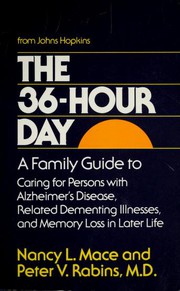
The most widely used introductory guide for families and caregivers, it explains what dementia is, how it progresses, and what day-to-day life looks like — establishing the foundational vocabulary and framework for all later reading.
The Science: How the Brain Breaks Down
BeginnerUnderstand the neuroscience of Alzheimer's and related dementias — plaques, tangles, neurodegeneration, diagnosis, and the current state of research — without needing a medical degree.
▸ Study plan for this stage
Pace: 4–5 weeks, ~25–30 pages/day. Start with Newport's clinical/scientific chapters (weeks 1–2), then transition to Davidson's narrative perspective (weeks 3–4), with a final week for synthesis and review.
- Amyloid-beta plaques and tau tangles as hallmark pathological features of Alzheimer's disease and their role in neurodegeneration
- The cascade hypothesis: how plaques and tangles trigger inflammation, synaptic loss, and neuronal death
- Biomarkers and diagnostic methods (imaging, cerebrospinal fluid markers, cognitive testing) used to identify Alzheimer's and related dementias
- The distinction between normal aging, mild cognitive impairment (MCI), and dementia stages
- Ketone bodies and metabolic dysfunction in Alzheimer's: Newport's alternative hypothesis and current research evidence
- How dementia progresses neurologically and cognitively, illustrated through lived experience in Davidson's account
- Current state of Alzheimer's research: what is known, what remains uncertain, and why treatments have been limited
- The emotional and relational impact of neurodegeneration on patients and caregivers as a complement to biological understanding
- What are amyloid-beta plaques and tau tangles, and why are they considered central to Alzheimer's pathology?
- How does the amyloid cascade hypothesis explain the progression from plaques to neuronal death, and what are its limitations?
- What diagnostic tools and biomarkers are used to identify Alzheimer's disease, and what can each reveal about brain changes?
- How does Newport's ketone hypothesis differ from the traditional amyloid-focused model, and what evidence supports or questions it?
- What are the key differences between normal aging, mild cognitive impairment, and dementia in terms of brain structure and function?
- How does Davidson's narrative illustrate the real-world progression of cognitive decline and its impact on identity and relationships?
- Create a labeled diagram of the amyloid cascade: starting with amyloid-beta production, plaque formation, tau tangles, inflammation, and neuronal death. Annotate each step with the cellular mechanisms Newport describes.
- Make a comparison chart: normal aging vs. MCI vs. dementia, with columns for cognitive symptoms, brain imaging findings, biomarker levels, and functional impact. Use examples from both books.
- Summarize Newport's ketone hypothesis in one page: What is the mechanism? What evidence does she cite? What are the gaps or criticisms? Then research one recent study (2020+) on ketones and Alzheimer's and note whether it supports or complicates her argument.
- Write a 'diagnostic journey' narrative: Follow a hypothetical patient from first symptoms through diagnosis, noting which tests/biomarkers would be used at each stage (based on Newport's clinical chapters) and how the emotional experience might mirror Davidson's account.
- Create a timeline of Alzheimer's progression: Use Davidson's narrative to map cognitive and behavioral changes across early, middle, and late stages. Correlate each stage with the neurological changes Newport describes.
- Reflect in writing: How does understanding the neuroscience (plaques, tangles, inflammation) change your interpretation of the caregiver and patient experiences Davidson portrays? What does science explain, and what does it miss?
Next up: This stage grounds you in the biological and clinical foundations of dementia, equipping you to understand how lifestyle, prevention, and emerging treatments interact with brain pathology—preparing you to explore actionable strategies and evidence-based interventions in the next stage.

Written by a physician whose husband had early-onset Alzheimer's, this book bridges personal experience and scientific inquiry, making the biology of the disease accessible while introducing the reader to how researchers think about treatment.

A memoir that carefully documents the medical and diagnostic journey alongside the emotional one, helping the reader connect the clinical facts learned so far to the lived reality of a real family navigating the system.
Caregiving in Practice: Skills, Safety & Daily Life
IntermediateDevelop concrete, evidence-based caregiving skills — managing behaviors, ensuring safety, structuring daily routines, and sustaining the caregiver's own wellbeing.
▸ Study plan for this stage
Pace: 6–8 weeks, ~25–30 pages/day, with 2–3 days per week dedicated to reflection and exercises
- Behavioral triggers and de-escalation techniques: recognizing what drives difficult behaviors and responding with calm, redirected communication rather than confrontation
- Environmental and routine design: structuring the home, daily schedule, and activities to reduce confusion and support independence
- Safety protocols across ADLs: practical strategies for managing hygiene, medication, mobility, and nutrition while preventing accidents and wandering
- Moment-based caregiving: creating small, meaningful interactions that honor the person's dignity and emotional needs rather than focusing solely on task completion
- Communication strategies adapted to cognitive decline: using validation, simplification, and non-verbal cues as language abilities change
- Caregiver stress management and boundary-setting: recognizing burnout, accessing respite care, and maintaining your own physical and mental health
- Documentation and observation skills: tracking patterns in behavior, mood, and health to inform better care decisions and medical appointments
- What are three common behavioral triggers in dementia, and how would you de-escalate each one using principles from the books?
- How would you redesign a bathroom or kitchen to make it safer and more accessible for someone with mid-stage Alzheimer's?
- Describe a specific daily routine (morning, mealtime, bedtime) and explain how you would structure it to reduce confusion and support the person's remaining abilities.
- What does 'creating moments of joy' mean in practice, and how does it differ from task-focused caregiving? Give two concrete examples.
- How do you recognize caregiver burnout in yourself, and what are three evidence-based strategies from the books to sustain your own wellbeing?
- What communication techniques would you use with someone who is no longer able to speak in full sentences, and why does validation matter more than correction?
- Behavior log: For one week, track three instances of difficult behavior (date, time, context, what preceded it, how it was handled). Identify patterns and hypothesize triggers using the de-escalation framework from Surviving Alzheimer's.
- Home safety audit: Walk through a real or imagined home and identify five hazards (falls, medication access, wandering risks, etc.). Write a remediation plan for each, referencing specific strategies from the books.
- Routine design: Create a detailed morning or evening routine for someone at a specific stage of Alzheimer's, including timing, communication scripts, adaptive equipment, and contingency plans for resistance.
- Moment-mapping exercise: Observe or recall three interactions with a person with dementia. Rewrite each one using 'moments of joy' principles—where did you miss an opportunity for connection, and how would you reshape it?
- Communication practice: Record yourself (audio or written) using validation, simplification, and redirection in response to three common statements or questions from someone with dementia. Review for tone, clarity, and respect.
- Caregiver self-assessment: Complete a burnout checklist, identify your top three stressors, and design a weekly self-care plan with specific, time-bound actions (e.g., 30 min walk, respite care booking, support group attendance).
- Medication and safety protocol: Create a written system for organizing and tracking medications, appointments, and emergency contacts. Include a one-page safety checklist for your home.
Next up: This stage equips you with the tactical skills and emotional resilience to provide day-to-day care; the next stage will deepen your understanding of the disease progression itself, helping you anticipate changes and adapt your strategies as the person moves through later stages.

A practical, problem-solving guide organized around the real challenges caregivers face daily; it builds directly on the foundational knowledge from Stage 1 and translates it into actionable strategies.

Shifts the caregiving mindset from managing decline to creating positive experiences, introducing the concept of person-centered care that underpins compassionate professional practice.
Compassionate Communication & Relationship-Centered Care
IntermediateMaster evidence-based communication techniques for connecting with people living with dementia, and understand how to support the whole family system — not just the patient.
▸ Study plan for this stage
Pace: 4–5 weeks, ~25–30 pages/day (approximately 150–180 pages total)
- The SPECAL method: how to enter the person with dementia's reality rather than correcting or confronting them
- The concept of 'contented dementia' as a goal—prioritizing emotional wellbeing and quality of life over cognitive accuracy
- How to use biographical knowledge and personal history to tailor communication and trigger positive memories
- The role of the caregiver's emotional state and presence in shaping the person with dementia's experience and behavior
- Identifying and reducing sources of distress, confusion, and conflict in the care environment
- Supporting the whole family system: managing caregiver stress, guilt, and grief while maintaining relationships
- Practical techniques for validation, redirection, and creating a sense of safety and belonging
- What is the SPECAL method and how does it differ from traditional dementia care approaches that emphasize reality orientation?
- How can you use a person's biographical history and long-term memories to improve their emotional wellbeing and reduce behavioral distress?
- What does 'contented dementia' mean, and why does Oliver James argue it should be the primary goal of care rather than cognitive restoration?
- How does the caregiver's own emotional state and stress level directly impact the person with dementia's mood and behavior?
- What are the key communication techniques described in the book for validating emotions and avoiding conflict with someone living with dementia?
- How can family members support each other while caring for a person with dementia, and what role does the caregiver's own wellbeing play in quality care?
- Create a detailed biographical profile for a person with dementia you know (or a case study): document key life events, relationships, favorite activities, and emotional triggers. Use this to practice tailoring conversations and activities.
- Practice the SPECAL method by role-playing scenarios: have a partner play someone with dementia who is confused or distressed, and practice entering their reality, validating their feelings, and gently redirecting without confrontation.
- Observe and document a real or simulated caregiving interaction, noting moments of conflict or distress. Identify what triggered the distress and brainstorm alternative SPECAL-based responses.
- Conduct a 'stress audit' of a care environment (home, facility, or imagined): identify potential sources of confusion, overstimulation, or anxiety, and propose environmental or communication changes based on James's principles.
- Interview a family caregiver (or reflect if you are one) about their emotional experience: document their sources of guilt, grief, and stress. Develop a self-care or support plan aligned with the book's emphasis on caregiver wellbeing.
- Create a communication guide for a specific person with dementia, including their preferred topics, validation phrases, redirection techniques, and activities that bring them contentment—then test it in practice.
Next up: This stage equips you with the relational and emotional foundation needed to move forward into advanced topics such as managing specific behavioral and neuropsychiatric symptoms, navigating end-of-life care decisions, and understanding the neurobiological mechanisms underlying dementia—all of which require the compassionate, person-centered lens you've now internalized.
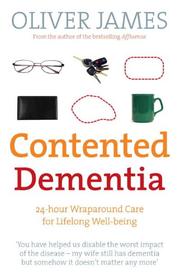
Introduces the SPECAL method — a structured, research-informed approach to communication that reduces distress and builds connection; it is the most influential practical communication framework in the field.
Advanced Understanding: Clinical, Ethical & Systemic Perspectives
ExpertEngage with the clinical science, ethics of care, end-of-life decision-making, and the broader social and medical systems surrounding dementia — equipping the reader to work alongside medical professionals with confidence.
▸ Study plan for this stage
Pace: 8–10 weeks, ~40–50 pages/day (with reflection breaks). Week 1–3: "Being Mortal" (~340 pages); Week 4–5: transition & integration; Week 6–10: "The Myth of Alzheimer's" (~280 pages) with concurrent case study work.
- End-of-life decision-making frameworks: recognizing when cure-focused medicine shifts to comfort-focused care, and how to facilitate honest conversations about goals and mortality
- The limits of medical certainty: understanding how dementia diagnoses are probabilistic, not deterministic, and how overconfidence in biomedical models can harm patients
- Personhood and dignity in dementia care: centering the patient's values, autonomy, and quality of life rather than disease progression or cognitive decline
- The social construction of Alzheimer's disease: how pharmaceutical, medical, and cultural narratives have shaped our understanding of dementia, and the gap between disease labels and lived experience
- Ethical tensions in dementia care: navigating conflicts between prolonging life, preserving dignity, respecting autonomy, and managing family expectations
- Systems-level failures: recognizing how fragmented healthcare, inadequate palliative care training, and profit-driven pharmaceutical models undermine person-centered dementia care
- Reframing dementia as a spectrum of cognitive and social change: moving beyond the Alzheimer's-centric narrative to understand dementia as heterogeneous, context-dependent, and not inevitably catastrophic
- Clinician self-awareness: examining your own mortality, biases, and emotional responses to guide ethical, compassionate decision-making with patients and families
- How does Gawande distinguish between curative, life-prolonging, and comfort-focused care, and what are the ethical implications of transitioning between them in dementia?
- What does Whitehouse mean by 'the myth of Alzheimer's,' and how does he argue that the disease category has been socially constructed rather than discovered?
- Describe a scenario where a family insists on aggressive medical intervention for a parent with advanced dementia. Using Gawande's framework, how would you facilitate a conversation about goals of care?
- According to Whitehouse, what are the limitations and harms of the biomedical model of dementia, and what alternative frameworks does he propose?
- How do the concepts of personhood and dignity inform ethical decision-making in dementia care, and where do they conflict with medical or family pressures?
- What systemic or institutional barriers prevent person-centered, palliative approaches to dementia care, and how might you advocate for change within your role?
- Close-read and annotate 2–3 pivotal chapters from 'Being Mortal' (e.g., the Pam Hallowell case, the 'What Matters Most' conversation framework). Write a 500-word reflection on how Gawande's approach challenges your own assumptions about medical authority and patient autonomy.
- Map Whitehouse's critique of the Alzheimer's narrative: create a visual or written comparison of how Alzheimer's is portrayed in pharmaceutical advertising, medical textbooks, and Whitehouse's account. Identify the economic and cultural incentives driving each narrative.
- Conduct a mock 'goals of care' conversation with a peer or mentor, using Gawande's principles. Record or document the conversation, then debrief on moments of clarity, resistance, and emotional difficulty.
- Interview a palliative care specialist, geriatrician, or dementia care worker about their experience navigating ethical tensions. Ask: What systemic barriers do they face? How do they balance medical, family, and patient goals? Synthesize findings in a 1000-word case analysis.
- Develop a personal 'mortality reflection' document: examine your own fears about cognitive decline, end-of-life care, and mortality. How might these biases affect your clinical or caregiving decisions? Share with a trusted colleague for feedback.
- Create a resource guide for families navigating dementia diagnosis and care decisions, integrating Gawande's communication strategies and Whitehouse's critique of overdiagnosis. Include sample conversation starters, decision trees, and palliative care referral pathways.
Next up: This stage equips you with the ethical, clinical, and systemic literacy to recognize the gap between medical narratives and lived experience in dementia—preparing you to design or advocate for person-centered interventions, policy reforms, or support systems that honor dignity and autonomy in the next stage.

A surgeon's landmark examination of aging, decline, and end-of-life care reframes how medicine should approach dementia in its later stages — essential reading for anyone working alongside professional medical teams.

A leading neurologist challenges prevailing assumptions about Alzheimer's diagnosis and treatment, offering a sophisticated, critical perspective that equips the reader to evaluate medical guidance and research claims independently.
Discussion
Keep reading
Paths that share books, cover the same subject, or open a related topic.