Israeli cooking is a recent construction built from much older traditions: Palestinian and wider Levantine cooking, Mizrahi and Sephardi kitchens from Iraq, Yemen, Morocco and Persia, Ashkenazi food from Eastern Europe, and the produce and dairy of the region itself. Which of those contributions get named on a menu is itself contested, and several of the books below engage that argument directly rather than avoiding it. Reading them together is more honest than reading any one alone.
Setting the politics aside would also make you a worse cook, because the technique travels with the history — why a hummus is smooth, why a tahini sauce is loosened with ice water, why a salad is chopped that fine. The order below moves from the shared Jerusalem table outward, then into vegetables and market cooking, then into the most technically demanding book on the list.
Start at the shared table
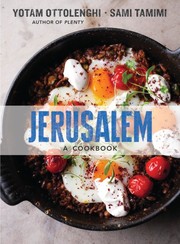
Begin with Jerusalem by Yotam Ottolenghi and Sami Tamimi, which is explicitly organized around a city cooked in by many communities, with the authors — one from West Jerusalem, one from East — writing about that division as part of the book. The recipes are excellent and the framing is honest about how contested the food's ownership is. It remains the best single entry point.
Read Zaitoun by Yasmin Khan next, and read it soon rather than eventually. Khan's book of Palestinian recipes and reporting supplies the context that makes the shared inheritance legible, and cooking from both back to back is the most useful thing on this path. The claim that dishes such as hummus, falafel and za'atar are Palestinian and Levantine before they are Israeli is a real and live argument; these two books let you hear it from both sides while cooking well.
Vegetables and the market
Plenty by Ottolenghi is the vegetable-forward volume that changed how a lot of home cooks treat produce — aggressive seasoning, char, acid, herbs by the handful, and the confidence to serve vegetables as the main event. It is not strictly an Israeli book, but the sensibility comes straight from that kitchen and the techniques recur everywhere else on this list.
Shuk by Einat Admony and Janna Gur takes you to the markets — Mahane Yehuda, Carmel — and organizes the food around the ingredients you would actually buy there, with strong coverage of the Mizrahi and Yemeni dishes that broader books skim. Balaboosta, Admony's earlier book, is the more personal collection: Yemeni and Persian family cooking filtered through a New York restaurant kitchen. Read Shuk for the market and Balaboosta for the household.
Technique, taken seriously
Zahav by Michael Solomonov and Steven Cook is the most demanding book here and the one that will most improve your cooking. Its hummus method alone — soaking with baking soda, cooking the chickpeas past the point most recipes stop, the tahini emulsion — is worth the book, and the sections on the wood grill, laffa, and salatim explain a restaurant's whole logic rather than isolated dishes. Israeli soul, the follow-up, is the casual counterpart, covering street food such as sabich, malawach, and shawarma with the same technical care and much less equipment.
Close with Sababa by Adeena Sussman, the most everyday book of the set — weeknight cooking from a Tel Aviv kitchen, heavy on vegetables, tahini, and quick assemblies. It is where this path ends up in practice: not project cooking, but a way of assembling dinner.
Notes for the cook
Buy good tahini and store it upside down so it does not seize; the difference between a decent Palestinian or Israeli brand and a supermarket one is not subtle. Za'atar blends vary enormously by region and family, so try several. And if a book credits a dish to one tradition and another book credits it elsewhere, that disagreement is real history rather than an editing error. Adjacent cuisines sit at Lebanese cooking.
Cook them in this order and you will end up with better food and a clearer picture of where it came from. Follow the full path to keep the sequence.
Follow the full ordered path here: Best Israeli Cookbooks to Read and Cook From, in Order.