Microgreens look simple — sprinkle seed, wait a week, cut — but the failure modes are real: mold, uneven germination, leggy stems, thin yields. The difference between a soggy tray and a lush one is a handful of variables most beginners meet in the wrong order.
That is why sequencing the reading helps. Start with a book that walks you through a single successful tray, then layer in lighting, seed knowledge, and finally scaling, and each new variable lands on a foundation instead of overwhelming you.
Grow your first trays
Begin with Microgreens: A Guide to Growing Nutrient-Packed Greens, a clear introduction to the whole cycle. Pair it with The Beginner's Guide to Growing Microgreens by Liz Zorab and Microgreens: How to Grow Pea Shoots, Wheatgrass, and Other Young Plants, which cover specific crops and the small daily choices — watering, weighting, air flow — that decide success.
Understand plants and light
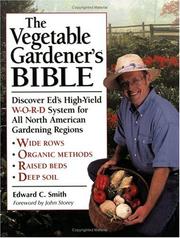
To grow past the basics, understand the plants themselves. Epic tomatoes and The vegetable gardener's bible deepen your feel for seeds, germination, and healthy young growth even though microgreens are harvested early. Then Gardening Indoors with LED Lights solves the single biggest indoor variable — getting enough of the right light without cooking your trays.
Know the nutrition and the wild edge
Microgreens are grown for flavor and density, so it pays to know why. Eating on the Wild Side, Jo Robinson's research on phytonutrients, and The wheatgrass book explain what makes young greens nutritious and how to choose varieties worth growing.
Scale toward selling
If a windowsill hobby grows into something more, The urban farmer and The market gardener — Curtis Stone's and Jean-Martin Fortier's manuals on high-yield small plots — teach systems, pricing, and consistency. Hydroponic food production rounds out the path with soilless methods for growers who want to push volume and cleanliness.
Follow the full path to see each title mapped to a stage with its own study plan.
Follow the full reading path →
Ready to learn something deeply?
Build a reading path — free