The Best Books on Cuban Cooking
This curriculum takes you from the cultural and historical roots of Cuban cuisine all the way into the nuanced techniques and regional flavors of the island's home kitchens. Each stage builds on the last — starting with context and classic recipes, moving into deeper technique and authentic Cuban-American tradition, and finally exploring the Havana street-food scene and the African and Spanish culinary DNA that makes Cuban food so vibrant.
Foundations: Culture, History & Classic Dishes
BeginnerUnderstand the cultural story behind Cuban food, learn essential pantry staples (sofrito, mojo, sazón), and cook foundational dishes like ropa vieja, black beans, and roast pork with confidence.
▸ Study plan for this stage
Pace: 6–8 weeks, ~20–25 pages/day, with 2–3 cooking sessions per week
- The historical and cultural roots of Cuban cuisine, including Spanish, African, and Caribbean influences
- Essential flavor foundations: sofrito, mojo, sazón, and how they anchor Cuban dishes
- The role of the pressure cooker and traditional cooking methods in Cuban kitchens
- Signature proteins and techniques: ropa vieja (shredded beef), roast pork (lechón), black beans (frijoles negros)
- The importance of citrus (lime, sour orange) and garlic in Cuban cooking
- How Cuban food reflects family, celebration, and cultural identity
- Pantry staples and ingredient sourcing for authentic Cuban cooking
- Adaptation strategies for cooking Cuban food in a modern, non-Cuban kitchen
- What are the three main cultural influences on Cuban cuisine, and how does each one appear in the dishes you've learned?
- Explain the difference between sofrito, mojo, and sazón—when and why would you use each one?
- Why is the pressure cooker so important in traditional Cuban cooking, and what dishes benefit most from it?
- Describe how to make ropa vieja from scratch, including the key steps and flavor-building ingredients
- What role does citrus play in Cuban cooking, and how would you adjust a recipe if you couldn't find sour orange?
- How do the recipes and techniques in these books reflect Cuban family life and cultural values around food?
- Cook sofrito from scratch using the recipe from 'Three Guys from Miami Cook Cuban'; taste it plain and then use it as a base for black beans
- Prepare mojo marinade and use it on roast pork; compare the flavor profile to a non-marinated version
- Make ropa vieja following both books' approaches (if they differ) and identify which technique you prefer and why
- Cook a complete black beans and rice meal, focusing on proper seasoning and texture
- Prepare lechón (roast pork) or a simplified version; practice the garlic-citrus marinade technique
- Create a personal Cuban pantry inventory: source and taste sazón, recaíto, and other staples mentioned in the books; note where you sourced them
- Cook one additional signature dish from either book (such as picadillo, ropa vieja, or congri) and serve it to someone else for feedback
- Taste-test store-bought vs. homemade sofrito and document the differences in flavor, texture, and cooking results
Next up: This stage equips you with the cultural context and core techniques needed to understand why Cuban dishes work the way they do, preparing you to explore regional variations, advanced flavor layering, and specialized dishes in the next stage.
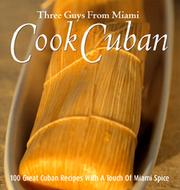
An approachable, friendly entry point that explains Cuban-American cooking traditions in plain language, covering all the classics — ropa vieja, arroz con pollo, black beans — with clear technique and cultural context for absolute beginners.
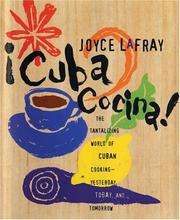
One of the most comprehensive English-language surveys of Cuban cuisine, it introduces the full flavor map of the island — from Havana home kitchens to regional specialties — giving beginners a broad, well-organized foundation before going deeper.
Going Deeper: Authentic Cuban Home Cooking
IntermediateMaster the layered techniques of Cuban home cooking — building sofrito from scratch, slow-braising meats, perfecting mojo marinades — and understand how African, Spanish, and Caribbean influences fuse on the plate.
▸ Study plan for this stage
Pace: 6–8 weeks, ~40–50 pages/day, with 2–3 cooking sessions per week
- Sofrito as the foundational flavor base: how to build it from garlic, onions, peppers, and tomato, and why it anchors Cuban home cooking
- The holy trinity of Cuban seasonings: garlic, cumin, and oregano, and how they create the distinctive Cuban flavor profile across dishes
- Slow-braising and stewing techniques (guisado method) that transform tougher cuts into tender, deeply flavored dishes
- Mojo marinades and their role in preserving, tenderizing, and infusing meats with citrus and garlic complexity
- The layering of African, Spanish, and Caribbean culinary traditions in Cuban home cooking and how each influences technique and ingredient choice
- The cultural and family narrative embedded in Cuban recipes: how memory, migration, and tradition shape what and how Cubans cook
- Ingredient substitution and adaptation: how Cuban cooks work with what's available while maintaining authentic flavor
- The rhythm of Cuban home cooking: planning, prep work, and timing for weeknight and celebration meals
- What are the essential components of sofrito, and how does the order and timing of adding ingredients affect the final flavor?
- How do the African, Spanish, and Caribbean influences manifest differently in Cuban cooking techniques versus ingredients?
- What is the guisado method, and why is it central to Cuban home cooking rather than quick-cooking techniques?
- How do mojo marinades work chemically and culturally, and what variations exist across different Cuban regions and families?
- How do the authors use personal memory and family narrative to convey the importance of traditional Cuban cooking?
- What strategies do Cuban home cooks use to adapt recipes when ingredients are unavailable, and how do these adaptations maintain authenticity?
- Make sofrito from scratch three times, varying the ratio of ingredients slightly each time, and taste-test to understand how each component contributes to the final flavor
- Prepare a slow-braised meat dish (such as ropa vieja or carne guisada) from one of the books, documenting the color and texture changes over the cooking time
- Create two versions of a mojo marinade—one traditional and one with a substituted ingredient—and compare how each affects the same cut of meat after marinating
- Cook a complete Cuban home meal (appetizer, main, side) from 'Memories of a Cuban Kitchen,' focusing on how sofrito and mojo appear across multiple dishes
- Interview a Cuban cook or family member (if possible) about a recipe from their tradition, then prepare that dish and compare it to the book's version
- Prepare a dish using ingredient substitutions based on what's available in your region, then write a brief reflection on how the adaptation maintains or shifts the authentic flavor
Next up: This stage grounds you in the foundational techniques and cultural understanding of Cuban home cooking, preparing you to explore regional variations, modern reinterpretations, and the role of Cuban cuisine in diaspora communities in the next stage.
A deeply personal and authoritative cookbook rooted in pre-revolution Havana family cooking; it teaches the 'why' behind Cuban flavor-building and is the ideal next step after learning the basics, adding emotional and historical depth.

Meticulously researched and beautifully written, this book bridges Cuban-American diaspora cooking with island tradition, offering more complex recipes and the cultural essays needed to understand how dishes like lechón asado and frijoles negros evolved.
Advanced Mastery: Havana Street Food, Afro-Cuban Roots & Regional Flavors
ExpertExplore the full spectrum of Cuban culinary identity — from Afro-Cuban Santería food traditions to Havana street food and the Spanish Creole (criollo) canon — and cook with the intuition of an island home chef.
▸ Study plan for this stage
Pace: 8–10 weeks, ~25–30 pages/day, with 2–3 cooking sessions per week
- Afro-Cuban Santería food traditions and their role in shaping modern Cuban cuisine through ritual, ancestor veneration, and sacred ingredient use
- The paladares movement: how private home restaurants emerged as cultural resistance and authentic expressions of family cooking in post-Soviet Cuba
- Spanish Creole (criollo) canon: the foundational techniques, flavor profiles, and ingredient combinations that define Cuban cooking across regions
- Havana street food ecology: the vendors, recipes, and social rituals that sustain daily food culture in Cuba's capital
- Regional flavor variation across Cuba: how geography, African diaspora communities, and local agriculture shape distinct regional styles
- Intuitive seasoning and improvisation: cooking without strict measurements by understanding flavor balance, ingredient substitution, and adapting to what's available
- The relationship between poverty, resourcefulness, and culinary innovation in Cuban cooking
- How colonial history, African heritage, and Caribbean geography converge in a single, coherent culinary identity
- What are the core Santería food traditions described in these texts, and how do they manifest in contemporary Cuban home cooking?
- How did the paladares movement emerge in Cuba, and what role do these private restaurants play in preserving authentic family recipes?
- What defines the Spanish Creole (criollo) flavor profile, and which techniques and ingredients appear consistently across regional Cuban dishes?
- Describe the social and economic structure of Havana street food: who are the vendors, what are signature dishes, and how do they reflect broader Cuban values?
- How does geography and regional identity shape flavor differences across Cuba, and can you identify at least three distinct regional styles?
- What does it mean to cook 'with the intuition of an island home chef,' and how do you apply this approach to improvisation and ingredient substitution?
- Cook 3–4 Santería-influenced dishes from 'Cocina cubana' (e.g., dishes associated with specific orishas or ritual occasions), researching the spiritual significance of each ingredient and documenting how the food connects to tradition
- Prepare a paladares-style meal at home: select a family-style recipe from 'Paladares,' cook it without measuring precisely, and reflect on how you adjusted seasoning and technique based on intuition rather than strict instructions
- Create a 'criollo flavor profile' reference sheet: identify 5–6 signature ingredient combinations (sofrito, adobo, citrus + garlic ratios, etc.) from both texts and test them across different proteins to understand their versatility
- Visit or research a Havana street food vendor (or equivalent in your region): document their signature dish, preparation method, and the social context in which it's eaten; recreate it at home
- Cook one dish from three different Cuban regions mentioned in the texts, tasting them side-by-side and writing notes on how geography, available ingredients, and cultural influences shaped each version
- Practice improvisation: prepare a Cuban meal using only pantry staples and whatever protein/vegetables are available, forcing yourself to rely on flavor intuition rather than following a recipe exactly
Next up: This stage grounds you in the spiritual, social, and regional roots of Cuban cooking—the intuitive, home-centered foundation—preparing you to explore how these traditions have been adapted, modernized, and exported globally in the next stage.

Written by one of the foremost authorities on Cuban food culture, this book dives into the vibrant, inventive cooking of Havana's private restaurants (paladares), pushing your skills into modern Cuban territory while staying rooted in tradition.
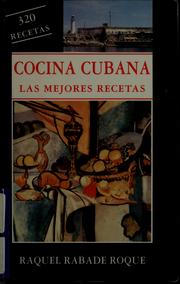
A Spanish-language-rooted, deeply traditional collection that rewards the advanced cook with authentic criollo recipes rarely found in English-language books, cementing mastery of the island's full culinary vocabulary.
Discussion
Keep reading
Paths that share books, cover the same subject, or open a related topic.