Understanding narcissism and toxic relationships: the best books to recognize and recover
This curriculum moves from recognizing the core patterns of narcissism and toxic relationships, through understanding the psychological mechanics of manipulation, and finally into the deep work of healing and rebuilding a healthy sense of self. Each stage builds essential vocabulary and emotional grounding before the next, so that later, more challenging material lands with full clarity rather than confusion or overwhelm.
Foundations: Naming What Happened
BeginnerRecognize the defining traits of narcissism and toxic relationship dynamics, and build a shared vocabulary for manipulation, gaslighting, and emotional abuse.
▸ Study plan for this stage
Pace: 8–10 weeks, ~25–35 pages/day (accounting for dense material requiring reflection and note-taking)
- The Power and Control Dynamic: How abusers use control as the core motivation, not anger or mental illness, as foundational to understanding toxic relationships
- Gaslighting and Reality Distortion: Recognizing how abusers deny, minimize, and reframe events to make victims question their own perception and sanity
- Emotional Abuse Tactics: Identifying specific manipulation strategies (isolation, intermittent reinforcement, blame-shifting, contempt) that create psychological harm
- Narcissistic Traits vs. Narcissistic Personality Disorder: Understanding the spectrum from narcissistic behaviors to clinical NPD, and why the distinction matters for safety planning
- Trauma Bonding and Intermittent Reinforcement: How cycles of abuse followed by affection create psychological addiction and make leaving feel impossible
- Recognizing Your Own Patterns: Building awareness of how you may have normalized abuse, rationalized behavior, or become complicit in the dynamic
- The Role of Accountability: Understanding why abusers rarely change and why 'fixing' the relationship is not the victim's responsibility
- Safety Planning and Decision-Making: Learning frameworks for evaluating whether to stay or leave based on your own values and circumstances, not guilt or hope
- What is the core motivation behind abusive behavior according to Lundy Bancroft, and how does this differ from common myths about anger management or mental illness?
- Can you identify and name at least five specific gaslighting or emotional abuse tactics, and describe how each one distorts a victim's sense of reality?
- What is trauma bonding, and how does the cycle of abuse-and-affection create it? How does this explain why victims stay in harmful relationships?
- What are the key differences between someone with narcissistic traits and someone with Narcissistic Personality Disorder, and why does this distinction matter for your safety?
- How can you recognize when you have internalized blame for abuse, and what are the signs that you've been conditioned to accept unacceptable behavior?
- What framework does Lundy Bancroft provide for deciding whether to stay or leave, and what role should your own values and safety play in that decision?
- Create a 'Behavior Log': For one week, document specific incidents of manipulation, gaslighting, or control in your own relationship (or a past one). Label each incident with the tactic name (e.g., 'isolation,' 'blame-shifting'). Review it to see patterns.
- Write a 'Reality Check' document: List 3–5 things your partner/abuser has told you that you doubt or feel confused about. Research or ask a trusted person to reality-test these claims. Notice where gaslighting has worked.
- Map the Abuse Cycle: Draw or write out the cycle of tension-building, incident, reconciliation, and calm in your relationship. Identify where you are in the cycle right now and what triggers each phase.
- Identify Your Rationalizations: Write down the reasons you've told yourself to stay or accept behavior. Next to each, write what Bancroft or MacKenzie would say about that reason. Notice which rationalizations are actually the abuser's voice in your head.
- Trauma Bond Inventory: List moments when your partner was kind, loving, or attentive after a conflict or abuse. Reflect on how these moments made you feel hopeful or grateful. Consider how this pattern may have kept you attached despite harm.
- Values Clarification Exercise: Write down your core values (safety, honesty, respect, independence, etc.). For each value, note whether your current/past relationship honors or violates it. Use this as a foundation for the 'stay or go' decision.
Next up: This stage equips you with the language and recognition skills to name what happened; the next stage will move from understanding the dynamics to developing concrete strategies for protecting yourself, setting boundaries, and beginning the healing process.

The essential first read — Bancroft demystifies abusive and controlling behavior in plain language, helping readers stop blaming themselves and start seeing patterns clearly. It establishes the foundational lens through which all later books make more sense.
Written accessibly for survivors, this book names the specific tactics — love-bombing, idealize-devalue-discard — used in toxic relationships. Reading it second reinforces Bancroft's framework with narcissism-specific language.

A natural follow-up to Bancroft's first book, this one helps readers evaluate their specific situation and make grounded decisions — a critical practical skill before diving into deeper psychological theory.
Going Deeper: The Psychology of Narcissism
IntermediateUnderstand the clinical and psychological underpinnings of narcissistic personality, covert vs. overt narcissism, and the specific mind-control tactics used by manipulators.
▸ Study plan for this stage
Pace: 8–10 weeks, ~25–30 pages/day (approximately 3–4 hours/week for reading, reflection, and exercises)
- The difference between overt and covert narcissism: grandiose vs. vulnerable presentations and how each manipulates differently
- The narcissistic defense system: how narcissists use idealization, devaluation, and projection to maintain their self-image
- Specific manipulation tactics: gaslighting, love-bombing, intermittent reinforcement, triangulation, and how to recognize them in real time
- The role of empathy deficits and entitlement in narcissistic behavior: why narcissists lack genuine empathy and feel justified in their exploitation
- Covert and passive-aggressive narcissism: the hidden, subtle forms of control that are harder to identify than overt narcissism
- The psychology of the narcissist-victim dynamic: trauma bonding, intermittent reinforcement, and why victims stay
- Practical disarming techniques: setting boundaries, using the 'gray rock' method, and strategic communication to reduce narcissistic reactions
- The distinction between narcissistic traits, narcissistic personality disorder, and antisocial manipulation: clinical vs. behavioral understanding
- What are the key differences between overt and covert narcissism, and how does each type manipulate their victims differently?
- Explain the cycle of idealization, devaluation, and discard. Why does this cycle keep victims emotionally trapped?
- What is gaslighting, and how does it function as a control mechanism? Provide a specific example from one of the books.
- Describe at least three passive-aggressive or covert tactics used by narcissists to maintain control without overt aggression.
- How do intermittent reinforcement and trauma bonding work together to create psychological dependence in narcissistic relationships?
- What are the practical differences between setting boundaries with an overt narcissist versus a covert narcissist?
- Create a detailed profile of a narcissist you've encountered (real or from media): identify whether they display overt or covert traits, list their specific manipulation tactics, and note how these align with the clinical descriptions in the books.
- Practice the 'gray rock' method: write out 3–5 common provocations from a narcissist and craft neutral, emotionless responses that would bore rather than engage them.
- Map out a narcissistic cycle (idealization → devaluation → discard → hoover) from a real or fictional relationship, noting the emotional and behavioral markers at each stage.
- Analyze a conversation or text exchange (real or hypothetical) and identify embedded manipulation tactics: gaslighting, triangulation, projection, or passive-aggressive jabs.
- Write a personal boundary statement for a narcissistic relationship (current or past), using the principles from Behary's disarming techniques—be specific about what you will and won't tolerate.
- Compare and contrast two narcissists from the books or your own experience: one overt, one covert. How do their tactics differ, and which is harder to recognize?
Next up: This stage equips you with the clinical vocabulary and tactical awareness to recognize narcissistic behavior in all its forms; the next stage will focus on recovery, healing, and rebuilding identity after narcissistic abuse.
Behary brings a schema-therapy perspective that explains why narcissists behave as they do — not to excuse them, but to give readers a clearer, less reactive understanding. This psychological depth is best absorbed after the pattern-recognition of Stage 1.
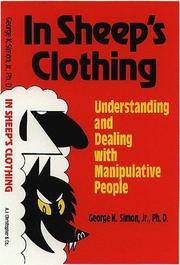
Simon's work on covert aggression and manipulation tactics is a pivotal read — it fills the gap between overt abuse and the subtle, deniable manipulation that leaves victims doubting their own reality.

Specifically addresses the hardest-to-identify form of narcissistic abuse, where the abuser appears kind or even victimized. Reading Simon first makes Mirza's more personal, narrative style land with precision.
The Trauma Bond: Why It's So Hard to Leave
IntermediateUnderstand the neurological and psychological hooks — trauma bonding, codependency, and people-pleasing — that keep survivors attached, removing shame and replacing it with self-compassion.
▸ Study plan for this stage
Pace: 6–8 weeks, ~25–30 pages/day (alternating between both books; start with Herman's Part I & II, then Beattie's foundational chapters, then Herman's Part III, finishing with Beattie's practical sections)
- The neurobiology of trauma: how overwhelming experiences fragment memory and dysregulate the nervous system, creating vulnerability to bonding patterns
- Trauma bonding as a survival mechanism: why survivors form intense attachments to those who harm them, rooted in intermittent reinforcement and survival responses
- The codependency cycle: how caretaking, people-pleasing, and loss of self become strategies to manage anxiety and maintain connection in unsafe relationships
- Shame vs. self-compassion: understanding how trauma survivors internalize blame and how recognizing systemic/relational causes of behavior shifts responsibility away from self-blame
- The role of dissociation and emotional numbing: how the brain protects itself during trauma and why this makes leaving feel impossible
- Detachment and boundaries as recovery: Beattie's framework for reclaiming agency through accepting what you cannot control and focusing on your own recovery
- The stages of recovery: Herman's three-phase model (safety, remembrance/mourning, reconnection) as a roadmap for healing from relational trauma
- Recognizing patterns across relationships: how unhealed trauma bonds recreate similar dynamics until the underlying wound is addressed
- What is trauma bonding, and why does it occur neurologically? How does it differ from healthy attachment?
- According to Herman, what are the three stages of trauma recovery, and what is the primary work of each stage?
- How does codependency function as a survival strategy in the context of relational trauma? What role does people-pleasing play?
- What does Beattie mean by 'detachment,' and how is it different from abandonment or lack of care?
- How does shame operate in trauma survivors, and what is the relationship between recognizing external causes of harm and developing self-compassion?
- What is dissociation, and how does it both protect and complicate recovery from trauma bonds?
- Map your own trauma response: Create a timeline of a significant relationship, marking moments of intermittent reinforcement (unpredictable kindness/cruelty). Identify which nervous system state (fight, flight, freeze, fawn) you defaulted to.
- Identify your codependent patterns: List 3–5 ways you have people-pleased or over-functioned in relationships. For each, write what need of yours went unmet and what you were trying to control.
- Practice detachment journaling: Write a situation where you felt responsible for someone else's emotions or behavior. Rewrite it using Beattie's framework: What can you control? What can't you? What is your actual responsibility?
- Nervous system check-in: For one week, notice when you dissociate or numb (spacing out, overeating, scrolling, overworking). Record the trigger and what emotion you were avoiding. Reflect on how this protected you.
- Rewrite your narrative: Take one 'shameful' behavior from a toxic relationship (e.g., 'I was too needy'). Reframe it using Herman's lens: What survival need was it meeting? What was the context of harm? How does this shift blame from self to circumstance?
- Boundary-setting simulation: Identify one current relationship where you over-function. Draft 2–3 specific, compassionate boundaries using Beattie's language (e.g., 'I care about you AND I cannot manage your emotions for you').
Next up: By understanding the neurological and psychological roots of why you stayed, you're now ready to move into the next stage—learning to identify red flags earlier, set boundaries proactively, and rebuild your sense of self outside of relational patterns.
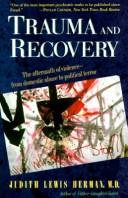
A landmark clinical text that validates the full weight of relational trauma and explains complex PTSD — essential for survivors who wonder why they feel so profoundly affected. Its authority gives readers permission to take their own pain seriously.
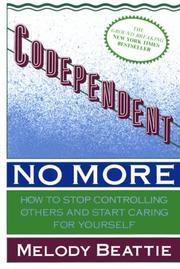
A classic that helps readers identify the codependent patterns that made them vulnerable to toxic relationships in the first place — a compassionate, non-blaming look at the survivor's side of the dynamic.
Healing & Rebuilding: The Path Forward
ExpertDevelop concrete tools for setting boundaries, processing grief, reclaiming identity, and building a life no longer organized around another person's dysfunction.
▸ Study plan for this stage
Pace: 12–14 weeks, ~25–30 pages/day, with 1–2 weeks per book for integration and practice
- Trauma is stored in the body: understanding how the nervous system encodes and re-enacts toxic relationship patterns through physical symptoms, triggers, and dysregulation
- Boundaries are acts of self-respect and emotional survival: learning to identify your limits, communicate them clearly, and maintain them without guilt or over-explanation
- Grief is essential to healing: processing the loss of the relationship, the person you hoped they'd be, and the identity you built around their dysfunction
- Reclaiming your sense of self: distinguishing your authentic needs, values, and desires from the internalized voice of the narcissistic or emotionally immature parent/partner
- The nervous system as your guide: using somatic awareness and regulation techniques to recognize when you're in threat response and to return to safety
- Boundary-setting as a skill, not a character flaw: practicing specific language and responses to common manipulation tactics (guilt, anger, love-bombing, dismissal)
- Reparenting yourself: developing the internal nurturing voice that emotionally immature parents failed to provide, and extending that compassion inward
- Building a life independent of another's emotional state: learning to make decisions, set goals, and find meaning without organizing everything around managing someone else's dysfunction
- How does trauma become encoded in the body, and what are three specific ways your own body signals that you are re-enacting a toxic dynamic or entering a threat state?
- What is the difference between a boundary and a demand, and why is clarity in your boundary language essential to preventing manipulation?
- Describe a specific grief you are carrying from your toxic relationship or family dynamic—what are you mourning, and how does acknowledging this loss change your healing?
- What are three core values or needs that were suppressed or invalidated in your toxic relationship, and how can you honor them now?
- What are your top three boundary violations or recurring patterns, and what specific boundary-setting language would you use to address each one?
- How do emotionally immature parents create patterns that you may be repeating in adult relationships, and what would reparenting yourself look like in one concrete area of your life?
- Body scan and trigger mapping: Spend 10 minutes daily doing a body scan (noticing tension, numbness, heat, cold). Log where you feel sensations when thinking about the narcissist/toxic person. Over two weeks, identify your three most common physical stress responses and what situations trigger them.
- Boundary audit and scripts: List 5–10 situations where you struggle to set boundaries (saying no, expressing needs, leaving conversations). Write out specific boundary statements for each using Tawwab's framework (clear, direct, no over-explanation). Practice saying them aloud 3 times each.
- Grief letter and ritual: Write an unsent letter grieving what you lost in the relationship (the person you hoped they'd be, the future you imagined, the version of yourself you had to suppress). Read it aloud, then choose a ritual to honor the loss (burn it, bury it, keep it as a witness to your pain).
- Values clarification exercise: List 15–20 things you enjoy, believe in, or want in your life. Circle the ones that feel authentically *yours* vs. ones you adopted to please the narcissist/toxic person. For each authentic value, write one small action you can take this week to honor it.
- Nervous system regulation practice: Learn and practice 3 grounding techniques (e.g., 5-4-3-2-1 sensory awareness, box breathing, progressive muscle relaxation). Use one daily for two weeks, noting when it helps you return to calm.
- Reparenting dialogue: Identify one area where you are self-critical or neglectful (e.g., not resting, pushing through pain, dismissing your own needs). Write a dialogue between your critical inner voice and a compassionate inner parent who would say what you needed to hear as a child. Practice this dialogue when self-criticism arises.
Next up: This stage equips you with somatic awareness, boundary language, and self-compassion to stabilize your nervous system and reclaim your identity; the next stage will deepen your relational capacity by teaching you how to recognize healthy relationship patterns, build secure attachments, and engage authentically with others from this newly grounded place.

Van der Kolk's landmark work explains how trauma is stored in the body and why talk alone isn't always enough — it opens the door to somatic and holistic healing approaches that are transformative at this stage of recovery.

A practical, modern guide to building and maintaining healthy boundaries — best read after the deeper trauma work so that boundary-setting feels like empowerment rather than a rule to follow.

For readers who want to understand the roots of their vulnerability, Gibson traces how emotionally immature or narcissistic parenting shapes adult relationship patterns — completing the full arc from recognition to deep self-understanding.
Discussion
Keep reading
Paths that share books, cover the same subject, or open a related topic.