Positive and gentle parenting: the best books to raise connected kids, in order
This curriculum moves from the emotional and neurological "why" behind gentle parenting, through practical discipline and communication tools, and finally into deeper developmental science and long-term resilience-building. Each stage builds the vocabulary and emotional framework needed to fully absorb the next, so that by the end the reader has both a principled understanding and a rich practical toolkit.
Foundations: The Why Behind Gentle Parenting
BeginnerUnderstand the core philosophy of gentle parenting — connection over control, empathy as a discipline tool, and the basic neuroscience of a child's developing brain.
▸ Study plan for this stage
Pace: 8–10 weeks, ~25–30 pages/day. Start with "The Whole-Brain Child" (2 weeks), move to "How To Talk So Little Kids Will Listen" (3 weeks), then "Peaceful Parent, Happy Kids" (3 weeks), with 1–2 weeks for review and integration.
- The brain architecture model: left brain (logical, language) vs. right brain (emotional, nonverbal) and how integration through connection is the goal of gentle parenting
- The 'connect and redirect' framework: emotional connection must precede logical problem-solving when a child is dysregulated
- Empathy and validation as discipline tools: acknowledging feelings and perspective before setting limits builds cooperation rather than compliance through fear
- The neuroscience of the developing brain: children's prefrontal cortex (impulse control, reasoning) is still developing, so behavior is not willful defiance but developmental limitation
- The role of co-regulation: parents regulate their own nervous system first to help children learn self-regulation through modeling and safe connection
- Listening and reflection techniques: repeating back what children say and acknowledging their experience reduces power struggles and builds trust
- The connection-discipline link: children cooperate most readily when they feel secure, seen, and understood rather than punished or shamed
- What is the difference between left-brain and right-brain responses in children, and why does 'connecting' before 'redirecting' matter neurologically?
- How does validating a child's feelings differ from agreeing with their behavior, and why is this distinction important in gentle parenting?
- What does it mean for a parent to 'co-regulate' their child, and how does your own nervous system state affect your child's ability to calm down?
- Describe the 'connect and redirect' approach: what does connection look like in practice, and when should you redirect?
- Why is the developing prefrontal cortex relevant to understanding why young children struggle with impulse control, and how should this change your expectations?
- What are three listening and reflection techniques from the books, and how do they reduce power struggles compared to commands or punishments?
- Brain mapping exercise: Draw or label a simple diagram of the left and right brain based on 'The Whole-Brain Child.' Identify which side is active when your child has a tantrum, and which side you need to engage to help them integrate.
- Record and reflect: Observe one conflict with your child this week. Write down what happened, what your child felt (right brain), and what they needed to learn (left brain). Did you connect before redirecting?
- Validation practice: In three separate interactions, use the reflection technique from 'How To Talk So Little Kids Will Listen'—repeat back what your child said before responding. Notice how they react.
- Co-regulation audit: Notice your own stress level during a parenting challenge. Pause, take three deep breaths, and calm your nervous system before responding to your child. Journal what changed in the interaction.
- Reframe a limit: Take one rule or boundary you enforce. Rewrite it using the 'empathy + limit' framework from 'Peaceful Parent, Happy Kids' (e.g., 'I see you want to keep playing. Bedtime is at 8 p.m. because your body needs sleep').
- Weekly connection ritual: Implement one small daily practice from the books—a 10-minute one-on-one time, a special greeting, or a calm-down corner—and track how it affects your child's cooperation over two weeks.
Next up: This foundation in the neuroscience of connection and empathy-based discipline equips you to move into the next stage—practical strategies for specific behavioral challenges—because you now understand the *why* behind gentle parenting and can apply its principles flexibly across different situations.

The perfect starting point: it explains in plain language how a child's brain develops and why meltdowns happen, giving you the scientific foundation that makes everything else in this curriculum make sense.

Immediately practical and beginner-friendly, this book translates the connection-first philosophy into concrete, everyday scripts and strategies you can use the same day you read them.
Bridges philosophy and practice by focusing on the parent's own emotional regulation first — a crucial insight that sets the stage for all deeper reading on discipline without shame.
Connection & Emotional Coaching
BeginnerLearn how to build a secure emotional bond, validate feelings effectively, and coach children through big emotions rather than suppressing them.
▸ Study plan for this stage
Pace: 8–10 weeks, ~25–30 pages/day (approximately 3–4 weeks per book, with overlap for reflection and practice)
- Emotional coaching as a parenting philosophy: validating feelings, labeling emotions, and guiding problem-solving rather than dismissing or punishing emotional expression
- The five key steps of emotional coaching (awareness, validation, labeling, limit-setting, problem-solving) from Gottman's framework
- Emotional intelligence in children: recognizing that low frustration tolerance and lagging skills (not willful defiance) drive challenging behavior
- The collaborative problem-solving approach: understanding that children do well if they can, and identifying the specific skills and conditions they lack
- The difference between 'Plan A' (imposed solutions), 'Plan B' (collaborative problem-solving), and 'Plan C' (letting go of non-essential issues) in Greene's model
- How secure attachment and emotional validation build the foundation for children to regulate themselves and respond to guidance
- Recognizing and coaching through 'big emotions' without shame, punishment, or dismissal—treating emotions as data, not misbehavior
- What are the five steps of emotional coaching, and how do you apply each one when your child is upset?
- How does Gottman distinguish between dismissing, disapproving, and coaching responses to a child's emotions, and why does coaching build emotional intelligence?
- According to Greene, what does it mean that 'children do well if they can'? How does this shift your understanding of behavior labeled as 'defiant' or 'difficult'?
- What are the three plans (A, B, C) in Greene's collaborative problem-solving model, and when should you use each one?
- How do you identify whether a child's challenging behavior stems from lagging skills (e.g., frustration tolerance, flexibility) versus willful misbehavior, and why does this distinction matter?
- Describe a recent conflict with your child. How would emotional coaching and collaborative problem-solving change your response?
- Emotion labeling practice: For one week, label your child's emotions out loud in real time ('I see you're feeling frustrated right now'). Notice how they respond and journal any shifts in their behavior or openness.
- Gottman's five-step coaching: Choose one recurring emotional moment (bedtime tears, sibling conflict, disappointment). Practice all five steps in sequence and record what happens—did the child feel heard? Did they problem-solve?
- Identify lagging skills: List three of your child's most challenging behaviors. For each, brainstorm which skills might be lagging (frustration tolerance, flexibility, emotional regulation, perspective-taking). Write one hypothesis per behavior.
- Plan A, B, C audit: Review the last week of parenting decisions. Categorize them as Plan A (imposed), Plan B (collaborative), or Plan C (let go). Reflect on which situations could have benefited from Plan B instead.
- Collaborative problem-solving conversation: Pick one recurring issue (not during conflict). Use Greene's framework to have a calm, collaborative conversation with your child about the problem and their ideas for solutions. Record the conversation or journal the outcome.
- Emotion coaching role-play: Practice with a partner or mirror the five-step coaching response to a scenario (e.g., child loses a game, doesn't get invited to a party, makes a mistake). Refine your tone and phrasing until it feels natural.
Next up: This stage equips you with the emotional foundation and communication tools to build secure connection; the next stage will build on this by teaching you how to set boundaries, manage behavior, and maintain consistency while preserving the emotional safety you've established here.

Gottman's research-backed concept of 'emotion coaching' is a cornerstone of gentle parenting; reading this after the foundations stage lets you apply a clear, evidence-based framework to the skills you've started building.
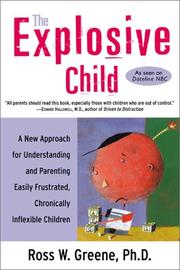
Introduces the Collaborative Problem Solving model, showing how to work *with* a child rather than imposing solutions — essential for understanding discipline as a partnership, not a power struggle.
Discipline Without Shame
IntermediateMove beyond punishment and rewards toward guidance strategies rooted in dignity, natural consequences, and mutual respect.
▸ Study plan for this stage
Pace: 8–10 weeks, ~25–30 pages/day (approximately 2–3 weeks per book with time for reflection and practice)
- The brain science behind misbehavior: how the amygdala hijack and underdeveloped prefrontal cortex drive reactive behavior in children (Siegel)
- Discipline as teaching, not punishment: using moments of conflict to build skills and understanding rather than shame or fear
- Natural and logical consequences: allowing children to experience the real outcomes of their choices within safe boundaries
- Connection before correction: the importance of emotional attunement and safety in making children receptive to guidance
- Encouragement over praise: building intrinsic motivation and resilience through recognition of effort and improvement
- Mutual respect and problem-solving: involving children as collaborators in finding solutions rather than imposing adult authority
- Developmental appropriateness: tailoring discipline strategies to the child's neurological and emotional stage, especially during adolescence
- The role of listening and validation: creating space for teens to feel heard before attempting to influence their behavior
- How does understanding the brain's amygdala and prefrontal cortex change your approach to a child's misbehavior?
- What is the difference between punishment and natural consequences, and how do you implement natural consequences without shaming?
- How does connection and emotional safety make discipline more effective, and what does this look like in practice?
- What are the key differences between praise and encouragement, and why does encouragement build more resilience?
- How can you involve your teen as a problem-solving partner rather than an adversary during conflict?
- What specific communication techniques help teens feel heard and respected while still maintaining parental boundaries?
- Map a recent misbehavior incident using Siegel's framework: identify what triggered the amygdala hijack, what the child needed, and how you could have responded with connection first
- Practice the 'pause and breathe' technique: when you feel triggered by misbehavior, pause for 10 seconds and identify your own emotional state before responding
- Identify three situations where you currently use punishment or rewards, and brainstorm one natural consequence for each that teaches without shaming
- Record yourself having a conversation with your child about a conflict, then listen back and count how many times you listened versus lectured—aim for a 60/40 listening ratio
- Role-play a teen conflict scenario using Faber's techniques: practice reflective listening, validating feelings, and problem-solving collaboratively with a partner
- Create a 'family meeting' agenda using Nelsen's approach: identify one recurring issue, involve your child in generating solutions, and track what works over two weeks
Next up: This stage equips you with the foundational mindset and concrete skills to guide children with dignity; the next stage will deepen your ability to address specific behavioral challenges (defiance, aggression, emotional dysregulation) and build family systems that sustain these principles over time.

Builds directly on The Whole-Brain Child to show exactly how to discipline in a way that teaches rather than shames, using the 'connect then redirect' framework with detailed real-life examples.

A classic, Adlerian-rooted text that formalizes the language of encouragement, natural consequences, and family meetings — providing a structured methodology to complement the more intuitive approaches covered so far.
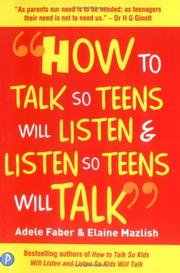
Extends the communication tools from earlier stages into the adolescent years, ensuring the curriculum covers the full arc of childhood and that readers aren't caught off guard as children grow.
Raising Secure, Resilient Children
ExpertIntegrate attachment theory, developmental science, and long-term resilience research to understand how early parenting shapes a child's lifelong emotional health.
▸ Study plan for this stage
Pace: 8–10 weeks, ~40–50 pages/day (The Body Keeps the Score: 4–5 weeks; Untangled: 3–4 weeks). Allocate 1–2 weeks for integration and reflection exercises.
- How trauma and chronic stress become embedded in the body and nervous system, affecting emotional regulation and attachment patterns across the lifespan
- The role of the vagus nerve, window of tolerance, and somatic awareness in healing and building resilience
- Developmental stages of girls and the specific vulnerabilities and strengths at each phase (ages 0–18), including identity formation and peer relationships
- How secure attachment in early childhood creates a foundation for navigating adolescent challenges and building emotional resilience
- The neurobiology of safety and threat detection: how parental attunement and co-regulation help children develop their own regulatory capacity
- Gender-specific parenting strategies that honor girls' developmental needs while building confidence, autonomy, and healthy relationships
- The long-term impact of early relational experiences on stress response, self-concept, and emotional health in adulthood
- Practical integration: using somatic awareness and developmental understanding to respond to children's behavior with compassion rather than punishment
- How does trauma become stored in the body, and what role does the nervous system play in how children respond to stress and perceived threats?
- What is the window of tolerance, and how can parents help children expand it through co-regulation and safe relationships?
- How do the developmental stages outlined in Untangled (childhood through adolescence) connect to attachment theory and the nervous system concepts from The Body Keeps the Score?
- What are the gender-specific vulnerabilities and strengths girls face at different developmental stages, and how should parenting approaches shift accordingly?
- How can understanding somatic markers and body-based trauma responses help parents respond to their children's behavior with greater compassion and effectiveness?
- What does secure attachment look like in practice, and how does it build the foundation for long-term emotional resilience and healthy relationships?
- Create a personal nervous system map: Track your own window of tolerance for one week, noting triggers that move you into hyperarousal or hypoarousal. Reflect on how your state affects your parenting and what co-regulation strategies help you return to baseline.
- Analyze a recent parenting conflict using van der Kolk's framework: Identify what body-based signals (yours and your child's) were present, what threat your child's behavior may have signaled, and how you could respond somatically rather than punitively.
- Developmental stage deep-dive: Choose one developmental stage from Untangled (e.g., early adolescence) and create a one-page guide connecting Damour's insights to van der Kolk's nervous system concepts—what does safety look like for a girl at this stage?
- Practice somatic parenting: For one week, before responding to a child's behavior, pause and notice your own body sensations, breathing, and emotional state. Journal how this awareness shifts your response.
- Interview or observe exercise: Talk with a parent of a girl at a different developmental stage than your own child (or observe in a classroom/community setting). How do the concepts from Untangled show up in real time? What nervous system needs are visible?
- Create a resilience narrative: Write or record a story of a time your child (or you as a child) faced a challenge and recovered. Identify the relational, somatic, and developmental factors that enabled that resilience using concepts from both books.
Next up: This stage equips you with the neuroscientific and developmental foundation to understand *why* secure, attuned parenting matters; the next stage will translate this understanding into concrete, moment-to-moment parenting practices and communication strategies that embed these principles into daily family life.

Provides a sobering, research-rich look at how adverse childhood experiences live in the body — deepening your understanding of *why* shame-free, attuned parenting is not optional but foundational to a child's long-term wellbeing.

A developmental psychologist's evidence-based guide to the seven transitions of adolescence, offering the most nuanced and research-grounded capstone for understanding how secure attachment pays off across a child's entire development.
Discussion
Keep reading
Paths that share books, cover the same subject, or open a related topic.