Travel writing craft: books to turn journeys into great stories
This curriculum moves from the fundamental craft of travel writing through classic narrative models and into advanced techniques for voice, structure, and publication. Each stage builds on the last: you first learn what makes travel writing work, then absorb it through iconic examples, then study how masters push the form to its limits — giving you both the tools and the taste to write vivid, honest, publishable travel stories.
Foundations of Craft
BeginnerUnderstand the core principles of travel writing — observation, voice, scene-building, and structure — before reading widely in the genre.
▸ Study plan for this stage
Pace: 6–7 weeks, ~25–30 pages/day, with 2–3 days per week reserved for reflection and writing exercises
- Clarity and simplicity as the foundation of effective writing: eliminating clutter and unnecessary words to let meaning shine through
- Developing authentic voice: finding your unique perspective and personality on the page, distinct from other writers
- The power of concrete observation and sensory detail: showing rather than telling through specific, vivid examples from real experience
- Scene-building and narrative structure: organizing travel experiences into coherent, compelling sequences that engage readers
- The relationship between travel and self-discovery: how travel writing reveals both the external world and the writer's inner transformation
- Writing about the familiar and personal: applying travel writing principles to everyday life and intimate subjects
- The essay as a form: understanding how travel writing functions as personal essay with clear purpose and emotional resonance
- What does Zinsser mean by 'clutter' in writing, and how does eliminating it improve travel writing specifically?
- How would you describe your own voice as a writer, and what specific techniques from Zinsser help you develop and maintain it?
- What is the difference between telling and showing in travel writing, and can you identify examples from the assigned texts?
- How does De Botton use observation and reflection to transform a travel experience into meaningful writing?
- What role does the writer's internal experience play in travel writing, according to these three books?
- How would you structure a travel experience you've had into a coherent narrative with a clear beginning, middle, and end?
- Write 3–5 short paragraphs (200–300 words each) describing a place you know well, focusing on concrete sensory details; revise ruthlessly to eliminate every unnecessary word
- Rewrite one of your paragraphs three times, each time adopting a different voice or perspective (e.g., humorous, melancholic, analytical) to practice voice control
- Select a short passage from each of the three books that exemplifies strong observation; annotate it to identify what makes the writing vivid and specific
- Write a 500-word personal essay about a brief trip or outing, deliberately including at least one moment of self-discovery or internal reflection alongside external description
- Take a mundane daily activity (a commute, a meal, a conversation) and write it as a travel-writing scene, using the principles from Zinsser and De Botton to find significance in the ordinary
- Read a travel essay by a published writer (e.g., Pico Iyer, Jan Morris, or another contemporary travel writer) and analyze how it applies the principles from your three assigned books
Next up: This stage equips you with the craft fundamentals—clarity, voice, observation, and structure—that you'll now apply by reading widely across the travel writing canon to see how different writers deploy these principles in diverse contexts and styles.
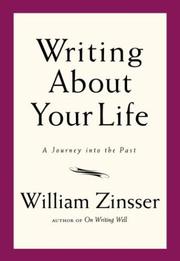
Zinsser's clear, encouraging prose teaches the beginner how to turn personal experience into readable narrative, establishing the foundational habit of honest, specific observation that all travel writing depends on.

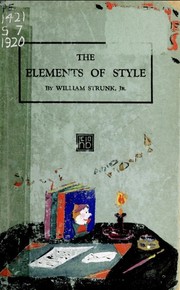
The definitive guide to nonfiction prose style; its chapters on travel writing directly address how to render place with clarity and avoid the clichés that plague the genre — essential before attempting any models.
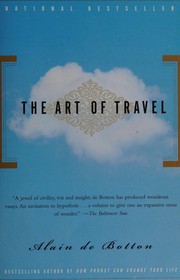
A philosophical yet accessible meditation on why we travel and what we notice; it trains the beginner to look beneath the surface of a place and ask deeper questions, giving early writing more intellectual texture.
Classic Voices & Narrative Models
BeginnerAbsorb the rhythms, structures, and tonal range of landmark travel narratives, building an intuitive sense of what a great travel piece looks and feels like.
▸ Study plan for this stage
Pace: 8–10 weeks, ~25–35 pages/day (3 books total, ~250–300 pages each)
- Narrative voice and persona: how Steinbeck's reflective, philosophical tone differs from Bryson's comedic irreverence and Mayle's sensory immersion
- Structure and pacing: episodic journeys (Steinbeck), rapid-fire anecdotes (Bryson), and seasonal/cyclical rhythms (Mayle)
- The relationship between traveler and place: Steinbeck's introspection, Bryson's outsider humor, Mayle's deep cultural observation
- Descriptive technique: Steinbeck's lyrical prose, Bryson's exaggeration and wit, Mayle's evocative sensory detail
- The role of character and encounter: how each author uses people met along the way to reveal place and self
- Digression and tangent as narrative strategy: when and how to leave the main thread without losing the reader
- Tone consistency and authenticity: maintaining a distinctive voice across hundreds of pages
- How does Steinbeck's tone in Travels with Charley differ from Bryson's in Neither Here Nor There, and what effect does each tone have on how you experience the journey?
- Compare the structure of one episodic chapter from Travels with Charley with a section from Neither Here Nor There—what narrative choices make each effective?
- What role does Charley (the dog) play in Travels with Charley, and how does this compare to the role of other characters or companions in the other two books?
- How does Peter Mayle's focus on seasonal change and domestic life in A Year in Provence create a different kind of travel narrative than Steinbeck's cross-country journey or Bryson's rapid tourism?
- Identify a passage from each book where the author's voice is most distinctive—what specific word choices, sentence rhythms, or observations make it recognizable?
- How does each author handle moments of boredom, frustration, or cultural misunderstanding, and what does this reveal about their narrative purpose?
- Read the opening 20 pages of each book back-to-back and write a one-page comparison of how each author establishes voice, place, and purpose in their opening moves
- Select a 3–4 page passage from each book and annotate it for: sentence length variation, sensory details, humor/tone markers, and reflection—then write a brief analysis of how these elements differ
- Rewrite a scene from Travels with Charley in Bryson's comedic voice, and a scene from Neither Here Nor There in Mayle's sensory-focused voice—observe what changes and what stays the same
- Create a 'narrative map' of one chapter from each book, noting where the author digresses, returns to the main thread, and why those choices work
- Write a 500-word travel vignette (real or imagined) in the voice of each author—aim to capture their distinctive tone, pacing, and relationship to place
- Track one recurring theme or observation across all three books (e.g., how food appears, how the author relates to strangers, attitudes toward nature) and write a comparative note on how each author treats it
Next up: Mastering these three foundational voices equips you to recognize and articulate what makes travel writing compelling, preparing you to analyze contemporary travel writers and eventually develop your own distinctive narrative voice and approach.
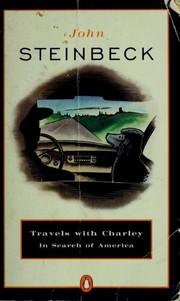
A perfect entry-level model: conversational, warmly voiced, and tightly structured around a single journey — it shows beginners how a clear premise and a strong narrator's personality carry a book.
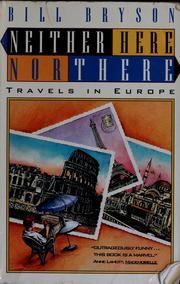
Bryson's comic timing and meticulous research demonstrate how humor, detail, and self-deprecation can be powerful craft tools; reading it after Steinbeck reveals the full tonal range available to travel writers.
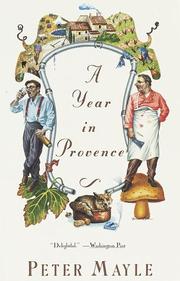
A masterclass in sustained immersion writing — Mayle shows how to build a book around a single place over time, using sensory detail and character to make readers feel they have lived there.
Voice, Honesty & the Interior Journey
IntermediateLearn how the best travel writers weave inner life, cultural critique, and personal transformation into place-based narrative, deepening your own voice.
▸ Study plan for this stage
Pace: 10–12 weeks, ~40–50 pages/day (with reflection breaks). Read each book over 3–4 weeks to allow time for deep engagement with voice and technique.
- Interior monologue as narrative engine: how Matthiessen's meditative voice and Davidson's self-interrogation use introspection to drive the travel narrative forward
- The unreliable/evolving narrator: recognizing how these writers' perspectives shift and deepen through the journey, and what that reveals about transformation
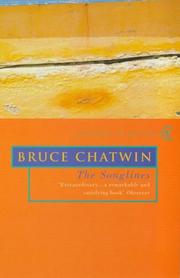
- Layered observation: the technique of moving between immediate sensory detail, cultural analysis, and personal memory (Chatwin's method of weaving history into place)
- Vulnerability as authority: how admitting doubt, fear, and failure (Davidson's camel journey, Matthiessen's grief) paradoxically strengthens the writer's credibility and resonance
- Place as mirror for inner life: understanding how external landscape becomes a vehicle for psychological and spiritual exploration, not mere backdrop
- Philosophical digression as form: how these writers interrupt narrative momentum with ideas, questions, and tangents—and why this deepens rather than disrupts the reader's engagement
- The ethics of witness: how travel writers navigate cultural representation, otherness, and their own complicity as outsiders (especially relevant in Davidson and Chatwin)
- Rhythm and pacing of revelation: how these writers control when and how self-discovery unfolds, using structure to mirror the journey's emotional arc
- How does Matthiessen use meditation and Buddhist philosophy to transform a wildlife expedition into a spiritual quest? What role does his grief over his wife's death play in shaping the book's voice?
- What makes Davidson's account of her camel trek distinctive as a travel narrative? How does her honesty about her own mistakes, fears, and desires complicate the typical 'adventurer' persona?
- How does Chatwin weave history, anecdote, and personal digression into his narrative of Patagonia? What effect does his associative, non-linear method have on your sense of place?
- Across all three books, how do the writers use their own vulnerability and uncertainty to build authority rather than undermine it?
- What is the relationship between the writer's inner journey and the outer geography in each book? Can you identify moments where personal transformation is inseparable from place?
- How do these three writers handle the ethics of representation—their relationship to the cultures and people they encounter? Where do they acknowledge their own limitations or biases?
- Close-read a 5–10 page passage from each book where the writer's interior life directly shapes the description of place. Annotate where introspection begins and sensory observation ends—or where they blur.
- Write a 2–3 page 'voice study' for each book: identify 3–4 distinctive stylistic traits (sentence rhythm, metaphor patterns, use of digression, tone toward the reader) and trace how they reinforce the book's central concerns.
- Rewrite a scene from one of the books (e.g., Davidson's first encounter with her camels, or Matthiessen's arrival in the Himalayas) from a purely external, objective perspective—then compare it to the original. What is lost? What does the author's subjective voice add?
- Keep a 'vulnerability log' while reading: collect moments where each writer admits doubt, failure, or complicity. Write a short reflection on how these admissions affect your trust in the narrator.
- Write a 1–2 page personal travel vignette (real or imagined) that deliberately mirrors one of the three authors' techniques—e.g., Matthiessen's meditative interruption, Davidson's self-interrogation, or Chatwin's historical digression. Identify which technique you're borrowing and why.
- Create a 'place-as-mirror' chart for one book: list external events/landscapes in one column and corresponding internal shifts in the writer's thinking in another. Write a paragraph analyzing the connection.
Next up: This stage equips you to recognize how the best travel writers use voice, honesty, and psychological depth to transcend mere reportage—preparing you to study how these same writers construct argument, sustain tension, and shape reader experience across longer narrative arcs in the next stage.
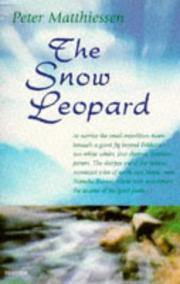
A landmark of literary travel writing that fuses exterior landscape with interior spiritual quest; it teaches the intermediate writer how self-reflection, when disciplined, elevates a journey into universal meaning.
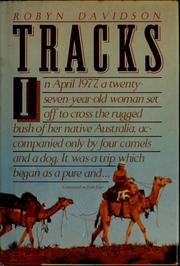
Davidson's solo camel trek across Australia is a model of unflinching honesty about fear, failure, and transformation — it shows how vulnerability and candor create the trust between writer and reader.
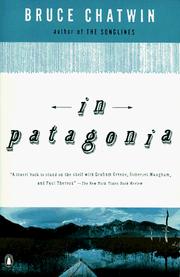
Chatwin's fragmented, lyrical structure and obsessive curiosity about people and objects demonstrate how unconventional form can itself become an argument about the nature of travel and storytelling.
Advanced Craft & the Publishable Story
ExpertStudy how master writers construct long-form narratives, handle difficult cultural terrain, and shape raw travel experience into polished, publishable work.
▸ Study plan for this stage
Pace: 4–5 weeks, ~40–50 pages/day (approximately 160–200 pages total). Read in two passes: first for narrative flow and Malcolm's argument; second for close analysis of her rhetorical techniques and ethical frameworks.
- The paradox of journalistic intimacy: how reporters build trust with subjects while maintaining critical distance and narrative control
- Unreliable narration and the author's presence: how Malcolm uses her own voice, doubts, and interpretations to shape the reader's understanding of truth
- The ethics of narrative reconstruction: how writers decide what to include, omit, and reframe when telling someone else's story
- Dialogue as evidence and construction: how Malcolm uses conversations (and gaps in them) to build her argument and reveal character
- The relationship between form and argument: how Malcolm's essayistic, digressive structure mirrors her exploration of narrative instability
- Power dynamics in the writer-subject relationship: how vulnerability, deception, and competing narratives create dramatic tension
- Fact versus interpretation: how to distinguish between what happened, what was said, and what it means in long-form narrative
- What is Malcolm's central argument about the relationship between journalists and their subjects, and how does the McGinniss-MacDonald case illustrate it?
- How does Malcolm use her own voice and interpretations throughout the text, and what effect does this have on the reader's sense of what is 'true'?
- What ethical dilemmas does Malcolm identify in narrative reconstruction, and how does she model wrestling with them in her own writing?
- How does Malcolm use dialogue—and the absence or misremembering of dialogue—to build her narrative and make her case?
- What is the relationship between Malcolm's form (her essayistic, recursive structure) and her content (her argument about narrative instability)?
- How do power imbalances between writer and subject shape the stories we tell, and what responsibility does a writer have to acknowledge this?
- Annotate a key passage where Malcolm shifts between reporting, interpretation, and self-reflection (e.g., her opening pages or her reflections on her own interviews). Mark where she is relaying fact, offering analysis, and revealing her own uncertainty.
- Transcribe and analyze one of Malcolm's reconstructed conversations with McGinniss or MacDonald. What does the dialogue reveal? What might be missing or contested? Write a paragraph on how Malcolm uses this exchange to advance her argument.
- Write a 500-word scene from your own travel experience using Malcolm's technique: include dialogue, your interpretation of what it means, and explicit acknowledgment of what you cannot know or may have misremembered.
- Create a two-column chart: on one side, list what Malcolm claims happened in the McGinniss-MacDonald relationship; on the other, note what is contested or uncertain. Reflect on how Malcolm handles this ambiguity in her prose.
- Rewrite a paragraph from Malcolm's text in a more 'objective' journalistic style (removing her voice, doubts, and asides). Then compare: what is lost? What does her original style accomplish that the objective version does not?
- Interview someone about a shared experience, then write two versions of the story: one that emphasizes their perspective, one that emphasizes your own interpretation. Reflect on the ethical choices you made in each version.
Next up: This stage establishes the ethical and formal foundations for long-form narrative—how to handle competing truths, maintain narrative authority while acknowledging uncertainty, and use structure to deepen argument—preparing you to apply these principles to your own travel narratives and understand how master writers navigate the complex terrain of representing others' lives and experiences.
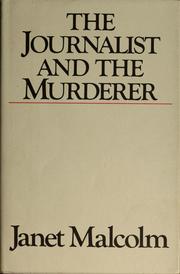
Though not travel writing, Malcolm's forensic examination of the writer–subject relationship is essential for any serious nonfiction writer navigating ethics, representation, and the power dynamics of telling other people's stories in foreign places.
Discussion
Keep reading
Paths that share books, cover the same subject, or open a related topic.