Tiny homes and small-space living: the best books to design and downsize well
This curriculum takes a beginner from the inspiring "why" of tiny living all the way through the practical "how" of design, zoning, storage, and off-grid systems. Each stage builds on the last — first igniting motivation and vocabulary, then sharpening design and downsizing skills, and finally tackling the technical and legal realities of living small for good.
Foundations: The Tiny Life Mindset
BeginnerUnderstand what tiny and small-space living really means, why people choose it, and whether it fits your life — building core vocabulary and genuine motivation before spending a dollar.
▸ Study plan for this stage
Pace: 4–5 weeks, ~25–30 pages/day (approximately 10–12 days per book with review time)
- The philosophy of 'enough' and intentional living: how tiny/small-space living challenges consumerism and forces prioritization of what truly matters
- Personal motivations for downsizing: financial freedom, environmental impact, mobility, simplicity, and emotional well-being as explored through Williams' and Mitchell's narratives
- The distinction between tiny houses and small-space living: legal definitions, design principles, and how they differ from traditional housing
- Psychological and practical barriers to small-space living: space anxiety, social stigma, family dynamics, and storage solutions
- The role of design and intentionality: how layout, multi-functional furniture, and mindful organization make small spaces livable
- Community and lifestyle shifts: the social aspects of tiny living, from building relationships to changing daily routines and consumption habits
- Assessing personal readiness: evaluating your own values, lifestyle needs, and whether tiny/small-space living aligns with your long-term goals
- What are the core reasons Dee Williams and Ryan Mitchell chose tiny/small-space living, and how do their motivations compare to each other?
- How does the concept of 'enough' challenge traditional consumer culture, and what does it mean to live intentionally in a small space?
- What are the key differences between a tiny house and small-space living, and what design principles make each approach work?
- What psychological and practical obstacles do people face when downsizing, and what strategies do Williams and Mitchell suggest for overcoming them?
- How does living in a tiny or small space change daily routines, relationships, and community engagement according to these authors?
- Based on your own values and lifestyle, what aspects of tiny/small-space living appeal to you, and what concerns do you still have?
- Reflection journal: After reading each book, write 2–3 pages reflecting on the authors' motivations and comparing them to your own reasons for exploring tiny living (if any). Note which stories resonated most and why.
- Space audit: Measure and map out your current living space (or a room you spend the most time in). Identify what you actually use daily versus what takes up space, then sketch how you might reorganize it using small-space principles from the books.
- Values clarification exercise: List 10 things you value most in life (e.g., freedom, family time, creativity, travel). For each, note whether tiny/small-space living would support or hinder it based on what you've read.
- Design inspiration board: Collect 5–10 photos or sketches of small-space solutions from the books (or similar sources). Annotate each with how it solves a specific problem and whether you'd adapt it to your own space.
- Barrier inventory: List 3–5 personal obstacles you anticipate if you were to downsize (financial, emotional, practical). For each, research or brainstorm one solution inspired by strategies mentioned in Williams' or Mitchell's work.
- Conversation or interview: Talk to someone who lives in a tiny or small space (or watch an interview online) and ask them about their experience. Compare their answers to what Williams and Mitchell describe in their books.
Next up: This stage establishes the *why* and *mindset* behind tiny living, preparing you to move into the practical *how*—the next stage will dive into concrete design, construction, legal/financial planning, and step-by-step downsizing strategies.

A warm, personal memoir by one of the tiny-house movement's pioneers. It answers the 'why bother?' question with honesty and humor, making it the perfect emotional entry point before any technical reading.

A broad, well-illustrated survey of real tiny homes and the people in them. It introduces key terms — loft beds, composting toilets, trailer vs. foundation — giving beginners a working vocabulary for everything that follows.
Design & Space Optimization
BeginnerLearn the core principles of small-space design — proportion, multifunctional furniture, light, and flow — so you can evaluate or sketch a layout with confidence.
▸ Study plan for this stage
Pace: 2–3 weeks, ~25–30 pages/day (approximately 150–180 pages total)
- Proportion and scale: how to choose furniture and décor sizes that suit small spaces without overwhelming them
- Multifunctional furniture and dual-purpose design: selecting pieces that serve multiple needs to maximize utility
- Light and color strategies: using natural and artificial light, mirrors, and color palettes to create openness and depth
- Vertical space utilization: designing upward to increase storage and visual interest without consuming floor area
- Flow and movement: arranging layouts so traffic patterns feel natural and spaces don't feel cramped
- Personal style in constraints: expressing individuality and aesthetic preferences within small-space limitations
- What are the key principles Whitney Leigh Morris emphasizes for making small spaces feel larger and more functional?
- How do multifunctional furniture pieces and dual-purpose design help solve storage and usability challenges in tiny homes?
- What role do light, mirrors, and color play in creating the illusion of space and improving the feel of a small room?
- How can you use vertical space effectively in a small home, and what are some practical examples from the book?
- What does 'flow' mean in the context of small-space design, and why does it matter for how a space functions?
- How can you maintain your personal style and aesthetic preferences while designing for a small space?
- Audit your own space: measure a room you live in or have access to, identify its dimensions, and list all furniture and décor. Note which pieces feel proportional and which feel oversized.
- Sketch a simple floor plan: draw a small room to scale and experiment with 2–3 different furniture arrangements, considering traffic flow and how people would move through the space.
- Multifunctional furniture hunt: browse online retailers or visit stores and identify 5–10 pieces that serve dual purposes (e.g., ottoman with storage, murphy desk, sofa bed). Document why each would work in a small space.
- Light and color experiment: choose one room and photograph it under different lighting conditions (natural morning light, evening light, artificial light). Note how the space feels different and what color palette works best.
- Create a mood board: collect images from the book, Pinterest, or magazines that exemplify small-space design principles you want to remember. Organize by theme (e.g., vertical storage, light and airy, multifunctional).
- Design a small space: using a room from the book as inspiration, sketch or digitally plan a 150–200 sq ft space (bedroom, studio, or open-plan area) that incorporates at least three core principles from the reading.
Next up: This stage equips you with the visual and spatial literacy to recognize good small-space design, setting the foundation for the next stage, where you'll move beyond principles to learn specific strategies for organizing, storing, and personalizing tiny homes in practice.

A visually rich guide from a well-known small-space advocate that teaches design principles (layering, color, scale) in plain language — ideal right after you've decided small living is for you.
Downsizing & Intentional Living
IntermediateMaster the psychological and practical process of editing your possessions and redesigning your daily habits so that a small space actually works for your real life.
▸ Study plan for this stage
Pace: 6–8 weeks, ~40–50 pages/day (alternating between both books to reinforce parallel concepts)
- The KonMari Method: sorting by category and keeping only items that spark joy, as a path to emotional clarity and intentional living
- Essentialism as a lifestyle philosophy: distinguishing the vital few from the trivial many in both possessions and commitments
- The psychological power of tidying as a transformative ritual that reshapes your relationship with your environment and yourself
- Designing daily habits and routines that align with your core values and work within physical constraints of small spaces
- The concept of 'enough': understanding when you have sufficient possessions and commitments to live well without excess
- Editing your life systematically: applying minimalist principles to not just objects, but time, energy, and social obligations
- Creating friction-free systems in small spaces that support your actual lifestyle rather than aspirational versions of yourself
- How does the KonMari Method define 'sparking joy,' and why is this emotional criterion more effective than guilt-based or utility-based sorting?
- What is the core difference between essentialism and minimalism, and how do they work together in the context of small-space living?
- Describe the four categories of items Kondo addresses and explain why the order of tidying matters in her method.
- How does McKeown define 'the essential few' versus 'the trivial many,' and what framework does he provide for identifying which is which in your own life?
- What role do daily habits and routines play in making a small space functional, according to both authors?
- How can you apply essentialist thinking to commitments and time management, not just physical possessions?
- Complete a full KonMari tidy of one category (e.g., clothing or books) in your own home, documenting which items spark joy and why; reflect on the emotional shift afterward
- Create an 'essentialist inventory' of your current commitments (work, social, hobbies, obligations) and ruthlessly categorize each as essential or non-essential using McKeown's framework
- Design a small-space daily routine that eliminates decision fatigue and friction; map out where each essential item lives and how you access it
- Interview yourself using Kondo's questions: 'Does this spark joy?' and McKeown's: 'Is this essential to my values?' on 10–15 items you're uncertain about
- Photograph your small space before and after applying one principle from each book (e.g., KonMari folding + essentialist furniture arrangement)
- Write a personal manifesto defining what 'enough' means for you across three categories: possessions, commitments, and daily activities
Next up: This stage equips you with the mindset and practical skills to ruthlessly edit your life, preparing you to move into the next stage where you'll learn how to *design and organize* a small space that actively supports your refined priorities and daily rituals.
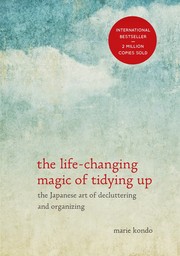
The definitive guide to radical decluttering — essential reading before you move into any small space. Its 'keep only what sparks joy' framework directly answers the question of what survives the downsize.

Extends Kondo's physical editing into a whole-life philosophy of doing less but better, reinforcing the mindset shift that makes small-space living sustainable long-term rather than just a trend.
Building, Zoning & Legal Reality
IntermediateNavigate the practical and legal landscape of actually building or siting a tiny home — understanding zoning laws, building codes, trailer vs. foundation decisions, and financing.
▸ Study plan for this stage
Pace: 4–5 weeks, ~25–30 pages/day, with 2–3 days per week reserved for legal research and local code review
- Zoning classifications and how they permit or restrict tiny homes in different jurisdictions
- Building code compliance: foundation requirements, structural standards, and inspection processes
- Trailer-based vs. foundation-based construction trade-offs (mobility, financing, legal status, resale)
- Financing pathways for tiny homes (traditional mortgages, personal loans, construction loans, and their eligibility criteria)
- Permitting workflows: what documents are required, typical timelines, and common rejection points
- Site selection criteria that align with zoning and building code requirements
- Utility connections and off-grid considerations within legal frameworks
- Insurance and liability implications of tiny home ownership and construction
- What are the main zoning barriers to tiny homes in your target location, and what strategies does Louche recommend to navigate them?
- How do building codes differ between trailer-based and foundation-based tiny homes, and what are the cost and timeline implications of each?
- What financing options are available for tiny homes, and which are most realistic given current lender attitudes toward non-traditional housing?
- Walk through the permitting process for a tiny home in your jurisdiction: what documents do you need, and where are the likely bottlenecks?
- How do foundation type, site utilities, and zoning classification interact to determine feasibility and cost for a specific property?
- What insurance and liability considerations should influence your choice between a mobile vs. permanent tiny home?
- Research your local zoning code and create a one-page summary of which zones permit tiny homes, what size/setback restrictions apply, and what variances or conditional-use permits might be needed
- Contact your local building department and request a pre-application meeting; document the specific building code chapters that apply to tiny homes in your area
- Compare financing options by calling 3–5 lenders (credit unions, construction lenders, traditional banks) and documenting their tiny-home eligibility, interest rates, and loan terms
- Create a decision matrix comparing trailer-based vs. foundation-based construction for a specific property you're considering, weighing zoning compliance, building codes, financing, and long-term resale
- Obtain a sample building permit application from your local authority and map out which sections of Louche's guide address each requirement
- Interview a local tiny-home builder or owner about their actual permitting timeline, costs, and unexpected legal hurdles they encountered
Next up: This stage grounds you in the regulatory and financial constraints that shape every tiny-home project, preparing you to move into design and construction decisions that must work within these real-world boundaries.

A step-by-step construction manual written specifically for DIY tiny-house builders on trailers. It covers framing, sheathing, insulation, and systems in a logical sequence — the most practical build guide available.
Off-Grid Systems & Long-Term Self-Sufficiency
ExpertDesign and maintain the energy, water, and waste systems that make a tiny or small home truly independent — solar, rainwater, composting, and beyond.
▸ Study plan for this stage
Pace: 8–10 weeks, ~40–50 pages/day. Allocate 5–6 weeks for "The Renewable Energy Handbook" (dense technical material requiring slower absorption), then 2–3 weeks for "The Hand-Sculpted House" (more narrative-driven, with practical design principles).
- Solar photovoltaic (PV) systems: sizing, installation, battery storage, and grid-tie vs. off-grid configurations
- Renewable energy assessment: site evaluation, solar potential, wind resources, and micro-hydro feasibility
- Battery banks and energy storage: lead-acid, lithium, and hybrid systems for off-grid independence
- Inverters, charge controllers, and system integration: converting DC to AC power and managing load demands
- Natural building principles and thermal mass: how earthen construction (cob, rammed earth, adobe) reduces energy needs
- Passive solar design and ventilation: orienting structures and managing airflow for year-round comfort without mechanical systems
- Water systems integration: rainwater harvesting, greywater reuse, and composting toilets in off-grid contexts
- System resilience and maintenance: troubleshooting, seasonal adjustments, and long-term sustainability of integrated off-grid homes
- How do you calculate the solar potential of a specific site, and what factors determine whether a location is suitable for off-grid solar living?
- What are the key differences between lead-acid and lithium battery systems for off-grid storage, and when would you choose each?
- How does thermal mass in natural building materials (cob, rammed earth) reduce the energy demands of a tiny home?
- What is the relationship between passive solar orientation, ventilation design, and year-round comfort in a small space?
- How do water systems (rainwater harvesting, greywater, composting toilets) integrate with energy systems to create true self-sufficiency?
- What are the main failure points in off-grid systems, and how do you troubleshoot and maintain them long-term?
- Conduct a site assessment for a real or hypothetical location: measure solar exposure (using online tools like PVWatts or NREL data), evaluate wind patterns, and document shading obstacles to determine renewable energy viability.
- Design a solar PV system for a 1,200 sq ft tiny home: calculate daily energy consumption, size a battery bank, select an inverter, and create a one-line diagram showing how components connect.
- Build a simple thermal mass model: fill containers with different materials (water, sand, cob-like clay mixture) and expose them to heat; track temperature retention to understand passive solar principles.
- Map a passive solar floor plan for a small home: sketch orientation relative to sun path, identify thermal mass placement, plan window sizes for winter gain and summer shading, and annotate ventilation paths.
- Research and compare three off-grid battery systems (lead-acid, LiFePO₄, hybrid): create a cost-benefit analysis table including lifespan, maintenance, efficiency, and total cost of ownership.
- Design an integrated water and waste system for a tiny home: diagram rainwater collection, greywater routing, and composting toilet placement; calculate water independence based on local rainfall and household demand.
Next up: This stage equips you with the technical and design knowledge to make a tiny home truly independent; the next stage will likely focus on community resilience, scaling these systems for multiple dwellings, or adapting them to specific climates and bioregions.
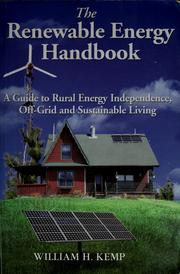
The most comprehensive and technically rigorous guide to off-grid energy systems available to non-engineers. After the earlier stages, you now have the context to absorb solar sizing, battery banks, and wind power in depth.
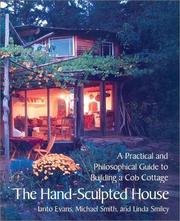
Closes the curriculum by exploring natural, owner-built homes — cob, earthen plasters, passive solar — weaving together design, sustainability, and self-sufficiency into a cohesive vision of the simplest, most affordable life possible.
Discussion
Keep reading
Paths that share books, cover the same subject, or open a related topic.