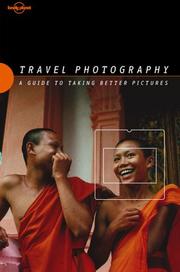
Street photography: books to see and shoot the everyday
This curriculum takes you from the foundational language of street photography through technical mastery and into the deeper artistic vision that separates snapshots from iconic images. Each stage builds on the last: first you learn to see, then to shoot, then to study the masters, and finally to develop your own voice through the lens of photo-essay storytelling.
Learning to See
BeginnerUnderstand what street photography is, build visual awareness, and overcome the fear of shooting strangers in public.
▸ Study plan for this stage
Pace: 4–5 weeks, ~25–30 pages/day, with 2–3 days per week dedicated to shooting practice
- Street photography as a distinct genre: its history, ethics, and contemporary practice as shown in Howarth's curated examples
- The decisive moment and timing: recognizing and capturing fleeting human moments in public spaces
- Composition fundamentals: how Freeman's visual principles (framing, balance, depth, lines) apply specifically to street scenes
- Visual awareness and observation skills: training your eye to anticipate scenes before they happen
- The psychology of shooting in public: overcoming self-consciousness and building confidence to photograph strangers ethically
- Light and shadow as narrative tools: how natural light shapes mood and meaning in street photography
- The relationship between camera settings and creative intent: technical choices that support storytelling in candid moments
- What defines street photography as a genre, and how do the photographers featured in Howarth's book exemplify its core characteristics?
- How does Freeman's concept of 'visual grammar' (composition, framing, balance) specifically apply to capturing unposed moments in public spaces?
- What is the 'decisive moment' in street photography, and why is timing critical to creating compelling images?
- What ethical considerations should guide your approach to photographing strangers, and how do contemporary street photographers navigate these issues?
- How can you train yourself to 'see' potential photographs before they happen, and what role does observation play in street photography?
- How do light, shadow, and natural conditions contribute to the storytelling power of a street photograph?
- Read 'Street Photography Now' and create a visual analysis document: select 5 photographs from the book and annotate each with the decisive moment, compositional choices, and emotional impact
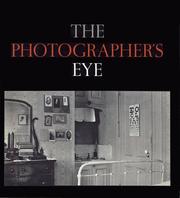
- Study Freeman's 'The Photographer's Eye' chapters on composition and framing, then analyze 3 street photographs (from Howarth or elsewhere) using Freeman's visual principles—identify the frame, balance, depth cues, and leading lines
- Spend 30 minutes in a public space (park, street, market) with your camera and shoot 50+ frames focusing solely on observing and anticipating moments before they happen; review and identify your best 5 shots
- Practice the 'pre-visualization' exercise: before shooting, spend 10 minutes in one location observing light, movement patterns, and potential compositions; then shoot with intention rather than randomly
- Create a 'fear-setting' exercise: identify your specific anxieties about photographing strangers (e.g., confrontation, judgment), research how photographers in Howarth's book address these, and plan one small public shoot to test your confidence
- Shoot a 'light study' series: photograph the same location or subject at different times of day, documenting how changing light transforms mood and narrative—compare your results to examples in both books
Next up: This stage equips you with a conceptual foundation and visual literacy to recognize strong street photography, plus the confidence to shoot in public; the next stage will likely deepen your technical mastery and develop a personal visual voice through more advanced compositional and thematic work.

A perfect entry point: it surveys 46 contemporary street photographers worldwide, giving beginners a broad vocabulary of styles, subjects, and intentions before picking up a camera.
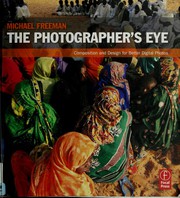
Teaches the fundamental grammar of visual composition — framing, light, moment — that every street photographer must internalize before developing instincts in the field.
Technical Foundations
BeginnerGain practical command of camera settings, light reading, and the decisive-moment reflex needed to capture candid life on the street.
▸ Study plan for this stage
Pace: 4–5 weeks, ~25–30 pages/day, with 2–3 days per week dedicated to field practice
- Reading and interpreting contact sheets as a window into a photographer's decision-making process and technical choices
- Understanding exposure, aperture, shutter speed, and ISO as interconnected tools for capturing motion and light in unpredictable street environments
- Developing the decisive-moment reflex: recognizing and reacting to fleeting compositions in real time
- Light reading in varied street conditions—how to meter, anticipate changes, and adapt camera settings on the fly
- Composition principles specific to street photography: framing, layering, and negative space in candid scenes
- The relationship between technical mastery and creative vision: how camera control enables rather than limits spontaneity
- Studying master photographers' working methods through their contact sheets to internalize their visual thinking
- What can contact sheets reveal about a photographer's technical approach and creative process that finished prints alone cannot?
- How do aperture and shutter speed choices directly affect your ability to freeze or suggest motion in street scenes?
- What is the decisive moment, and how do you train yourself to recognize and react to it in real time?
- How do you read light on the street and adjust your camera settings when conditions change rapidly?
- What are the key compositional differences between posed/controlled photography and candid street photography?
- How does technical confidence with your camera settings translate into greater creative freedom and spontaneity?
- Study 2–3 contact sheets from 'Magnum Contact Sheets': annotate which frames the photographer selected for prints and why, noting technical settings (if visible) and compositional choices
- Shoot 3 rolls of film or 300+ digital frames in a single street location over 1–2 hours, then review your own contact sheet to identify patterns in your technical choices and decisive moments
- Practice exposure metering: meter the same street scene in 5 different ways (spot meter on shadow, midtone, highlight, incident light, auto) and shoot at each setting; compare results to understand how metering affects final image
- Shoot a series of 10 images of the same subject or scene using different aperture settings (f/2.8, f/5.6, f/11) while keeping shutter speed constant; analyze how depth of field changes composition and storytelling
- Conduct a 'shutter speed study': photograph movement (pedestrians, traffic, water) at 1/15s, 1/60s, and 1/250s to internalize how shutter speed freezes or blurs motion and conveys energy
- Spend 30 minutes on a busy street with your camera set to one fixed exposure (e.g., f/5.6, 1/125s, ISO 400) and no adjustments allowed; reflect on how constraints force faster decision-making and sharpen your decisive-moment reflex
Next up: This stage equips you with the technical reflexes and camera literacy needed to move into the next phase, where you'll develop a personal visual voice and learn how to sustain a long-term street photography project with intention and consistency.

By showing the raw contact sheets of legendary photographers, this book demystifies the shooting process and reveals how masters work through light, timing, and repetition to find the decisive frame.

A hands-on technical guide written specifically for street photographers, covering camera settings, zone focusing, working with available light, and building the confidence to approach strangers.
Studying the Masters
IntermediateAbsorb the artistic philosophy and visual language of the photographers who defined the genre, sharpening your eye for light, geometry, and human emotion.
▸ Study plan for this stage
Pace: 8–10 weeks, ~40–50 pages/day with daily photo study sessions (15–20 minutes per photographer)
- The decisive moment: timing, anticipation, and the split-second convergence of form and content in a single frame
- Geometric composition: how line, shape, and spatial relationships create visual order and meaning in unposed scenes
- Light as a primary subject: using natural light, shadow, and contrast to reveal emotion and structure
- The photographer's eye: developing intuition to recognize decisive moments before they fully materialize
- Documentary humanism: capturing the dignity, vulnerability, and universality of ordinary people and everyday life
- Visual economy: saying more with less—restraint, clarity, and the power of what is excluded from the frame
- Sequence and narrative: how individual photographs build meaning when arranged in series or books
- Cultural specificity and social observation: how street photography documents place, time, and the human condition
- What does Cartier-Bresson mean by 'the decisive moment,' and how does he identify it in practice? Give three examples from his work.
- Compare the compositional strategies of Cartier-Bresson and Walker Evans. How do their approaches to geometry and framing differ, and what effect does each have on the viewer?
- How does Robert Frank's use of light and shadow differ from Cartier-Bresson's, and what emotional or philosophical purpose does this serve in 'The Americans'?
- Analyze the role of human gesture and expression across all three photographers. How does each use the body to convey meaning?
- What is the relationship between restraint and impact in these photographers' work? How do they use negative space and what they exclude?
- How do these photographers use sequence and repetition of themes (e.g., crowds, solitude, light) to build a larger argument about society or the human condition?
- Study 10 iconic Cartier-Bresson images in detail (e.g., 'Behind the Gare Saint-Lazare,' 'Seville,' 'Hyères'). For each, identify the decisive moment, the geometric elements, and the human gesture that anchors the frame.
- Photograph one location for 2–3 hours, mimicking Cartier-Bresson's anticipatory approach. Review your contact sheet and identify which frames come closest to capturing a decisive moment. Write a brief analysis of timing and composition.
- Select 5 Walker Evans photographs from 'American Photographs' and create a detailed visual analysis of each: note the framing, the use of symmetry or asymmetry, the tonal range, and the social or architectural subject. Compare how Evans's approach differs from Cartier-Bresson's.
- Shoot a series of 30–40 frames in a single location or situation, focusing on geometric relationships (lines, shapes, depth) rather than decisive moments. Edit down to 5–7 images that form a mini-sequence with a coherent visual or thematic thread.
- Read 'The Americans' as a book (not just individual images). Map out the narrative arc, recurring themes, and emotional tone. Write a 500-word essay on how Frank's sequencing and selection of images create meaning that individual photographs alone cannot.
- Create a contact sheet of your own street photographs and arrange them in three different sequences. How does the order change the meaning or emotional impact? Which sequence feels most cohesive and why?
Next up: Mastering the visual language and philosophical foundations of the genre's pioneers equips you to critically examine contemporary street photography and develop your own authentic voice grounded in tradition.
The foundational text of street photography — Cartier-Bresson's essay and images establish the core philosophy of timing, geometry, and intuition that every serious practitioner must reckon with.
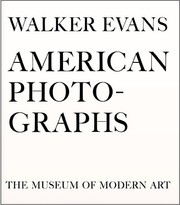
Evans's landmark photo-essay on American public life teaches how to find dignity, poetry, and social truth in everyday scenes — essential for developing a documentary eye.

Frank's raw, restless vision of mid-century America broke every rule Evans established, showing how a personal, subjective point of view can redefine what street photography can say.
Photo-Essay Vision
IntermediateLearn how to build coherent, narrative bodies of work from individual street images, moving from single shots to sustained visual storytelling.
▸ Study plan for this stage
Pace: 4–5 weeks, ~25–30 pages/day, with 2–3 days per week reserved for image analysis and shooting practice
- The photo-essay as a distinct form: how individual frames accumulate meaning through sequencing, juxtaposition, and thematic coherence rather than standing alone
- Narrative structure in street photography: establishing visual themes, developing them across multiple images, and creating closure without explicit captions
- Westerbeck's concept of the 'bystander' perspective: how detached observation and the photographer's invisible presence shape the story being told
- Maier's approach to sustained observation: the discipline of returning to locations and subjects over time to deepen visual understanding and reveal hidden layers
- Editing and curation: selecting which images belong together, understanding how sequence and pacing control the viewer's emotional and intellectual journey
- The relationship between subject matter and form: how the photographer's formal choices (framing, timing, composition) reinforce or complicate the narrative
- Building visual coherence: developing a consistent visual language across a body of work while allowing for variation and surprise
- What is Westerbeck's definition of the 'bystander' in street photography, and how does this perspective enable or constrain narrative storytelling?
- How do the photo-essays in 'Bystander' demonstrate the principle that meaning emerges from sequence and juxtaposition rather than from individual images alone?
- What methods did Vivian Maier use to sustain her visual investigations over time, and how do her repeated subjects and locations function within her larger body of work?
- How do formal elements (composition, framing, timing) in Maier's photographs contribute to the narrative or emotional arc of a series?
- What distinguishes a coherent photo-essay from a mere collection of strong individual images?
- How would you structure a 10–15 image sequence from your own street photography to tell a sustained story rather than simply showcase individual moments?
- Read 'Bystander' with a focus on how Westerbeck analyzes individual photo-essays: for each major essay discussed, map out the visual themes, emotional arc, and how individual images build toward a larger meaning. Write a 300–400 word analysis of one photo-essay's narrative structure.
- Study Vivian Maier's contact sheets and repeated subjects (available in 'Vivian Maier'): identify 2–3 locations or subjects she returned to multiple times. Analyze how her approach evolved across these revisits—what changed in her framing, what remained constant, and what does this reveal about sustained observation?
- Create a 'visual theme inventory' from your own street photography archive: identify recurring motifs, compositional patterns, or subject matter. Group images by theme and write brief notes on what connects them conceptually or formally.
- Curate a 12–15 image sequence from your archive that tells a coherent story or explores a single visual idea. Arrange them in a contact sheet or slideshow and test the sequence on a peer: does the narrative arc come through without captions? Revise based on feedback.
- Shoot a deliberate photo-essay over 2–3 weeks: choose a specific location, subject, or theme and return to it multiple times with the intention of building a sustained body of work. Document your process and reflect on how your understanding deepens with each visit.
- Conduct a comparative analysis: select one photo-essay from 'Bystander' and one series from Maier's work. Compare their approaches to narrative, subject matter, and formal language. How do their 'bystander' perspectives differ, and what can you learn from each approach?
Next up: This stage establishes the conceptual and practical foundations for building sustained visual narratives, preparing you to explore how photo-essays engage with specific social, political, or cultural contexts in the next stage.
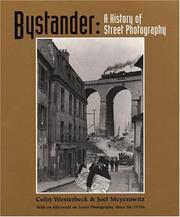
A deep historical and critical survey that contextualizes the genre's evolution, helping you understand how individual photographers built cohesive bodies of work over time.

Maier's rediscovered archive is a masterclass in sustained, obsessive observation — studying her prolific output teaches how consistent daily practice builds a distinctive photographic voice.
Advanced Vision & Personal Style
ExpertSynthesize technique, history, and artistic philosophy into a personal street photography practice with a distinctive, intentional voice.
▸ Study plan for this stage
Pace: 8–10 weeks, ~25–30 pages/day (alternating between Sontag and Berger), with 2–3 days per week dedicated to reflection and practice
- Photography as interpretation and moral act: Sontag's argument that cameras don't simply record reality but impose a frame, worldview, and ethical stance on the world
- The gaze and visual culture: Berger's concept of 'ways of seeing' as culturally constructed—how we learn to look is shaped by history, power, and reproduction of images
- Accumulation vs. meaning: Sontag's distinction between photography's tendency to collect images indiscriminately and the photographer's responsibility to create intentional meaning
- The relationship between seeing and consciousness: How photographic vision shapes consciousness and vice versa; the feedback loop between what we photograph and how we perceive
- Photography's complicity and resistance: Understanding photography's role in surveillance, commodification, and documentation while reclaiming it as a tool for personal artistic expression
- Authorial voice through visual grammar: How formal choices (framing, distance, timing, subject selection) become the language through which a photographer articulates their unique perspective
- The photograph as evidence vs. interpretation: Moving beyond naive realism to understand how photographs construct narratives and carry ideological weight
- Aesthetic autonomy within constraint: Developing a personal style within the inherent limitations and conventions of street photography
- According to Sontag, what is the fundamental difference between how a camera 'sees' and how the human eye sees, and what are the ethical implications of this difference for photographers?
- How does Berger's concept of 'ways of seeing' challenge the idea that photography is objective documentation, and what does this mean for your own visual literacy as a street photographer?
- What does Sontag mean by photography's 'predatory' nature, and how can a street photographer work ethically within this framework?
- How do Berger's ideas about the male gaze and power dynamics in visual culture apply to your choices about subjects, framing, and representation in street photography?
- What is the relationship between personal style and visual responsibility? How do Sontag and Berger help you understand your role as an author rather than a neutral observer?
- How can you use the theoretical frameworks from these books to distinguish between photographs that merely accumulate images and those that articulate a coherent artistic vision?
- Annotated reading journal: As you read Sontag and Berger, maintain a parallel journal where you translate each major theoretical claim into a specific visual principle or question you'll test in your own work (e.g., 'Sontag says photography imposes a frame—what frame am I imposing on this street scene, and is it intentional?')
- Comparative image analysis: Select 3–5 street photographs by different photographers (e.g., Vivian Maier, Henri Cartier-Bresson, Diane Arbus, contemporary photographers). Analyze each through Sontag's and Berger's lenses: What worldview does each photographer impose? What 'way of seeing' does each image teach the viewer?
- Ethical audit of your archive: Review 50–100 of your own street photographs and categorize them: Which ones feel like 'accumulation' (Sontag's critique) and which ones feel intentional? For the intentional ones, write a one-sentence statement of what you were trying to say. Identify patterns in your actual voice.
- The gaze exercise: Photograph the same street location or subject type (e.g., people waiting, storefronts, interactions) three times, each time consciously adopting a different 'way of seeing' inspired by Berger (e.g., one focused on power dynamics, one on beauty, one on labor/utility). Reflect on how your framing and subject selection changed.
- Reframe and reinterpret: Take one of your existing street photographs and write three different captions or narratives for it—one documentary, one poetic, one critical. How does the meaning shift? What does this reveal about photography's constructive nature (Sontag's argument)?
- Style manifesto draft: Write a 500–750 word personal photography manifesto that synthesizes Sontag's and Berger's ideas with your own emerging practice. Address: What do you believe photography can do? What is your responsibility as a street photographer? What 'way of seeing' are you cultivating, and why? Revise this throughout the stage.
Next up: This stage establishes the philosophical and critical foundation for intentional artistic practice, moving you from technical mastery to conceptual clarity—preparing you to develop a sustained body of work that embodies a coherent vision and can be articulated, defended, and evolved in the next stage.
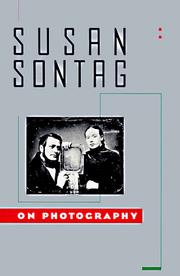
Sontag's critical essays force you to interrogate the ethics, power, and meaning of photographing strangers in public — essential intellectual grounding for any serious street photographer.

Berger's analysis of how we look at images trains you to question your own visual assumptions and biases, pushing your street work toward greater intentionality and depth.
Discussion
Keep reading
Paths that share books, cover the same subject, or open a related topic.