Best Books on Retro Gaming and Collecting
This curriculum takes you from enthusiastic newcomer to knowledgeable retro gaming expert across four carefully sequenced stages. You'll start by building a broad historical and cultural foundation, then move into console-by-console library knowledge, followed by the hands-on world of collecting and grading, and finally into hardware repair, modding, and preservation — the deepest layer of the hobby.
Foundations: History & Culture of Video Games
BeginnerUnderstand the full arc of gaming history — the key eras, companies, consoles, and cultural moments — so every later topic has rich context.
▸ Study plan for this stage
Pace: 8–10 weeks, ~40–50 pages/day (mix of reading and note-taking). Week 1–3: "Console Wars" (400 pages); Week 4–6: "The Ultimate History of Video Games" (600+ pages); Week 7–10: "Replay" (500+ pages) with review and synthesis.
- The Atari-era boom and crash (1977–1983): how Atari 2600 created the home console market and why the 1983 crash nearly killed it
- Nintendo's resurrection and dominance: how the NES revived the industry and established Nintendo's quality-control and marketing playbook
- The Sega vs. Nintendo rivalry: the 16-bit console wars and how Sonic challenged Mario's supremacy
- The Sony PlayStation revolution: how CD-based gaming, 3D graphics, and aggressive marketing shifted the industry landscape
- Key companies and their philosophies: Atari, Commodore, Sega, Nintendo, Sony, and how their decisions shaped gaming culture
- The role of arcade gaming: how arcade cabinets seeded gaming culture and influenced home console design
- Gaming as cultural phenomenon: how games moved from niche hobby to mainstream entertainment across different decades
- The technical and business decisions that determined winners and losers: cartridge vs. disc, licensing, third-party support, regional markets
- What caused the 1983 video game crash, and how did Nintendo specifically prevent a repeat of it with the NES?
- Compare the Sega Genesis and Super Nintendo: what were their key technical differences, and how did each company's marketing strategy reflect their target audience?
- How did the transition from cartridges to CD-based media (PlayStation) change the economics and creative possibilities of game development?
- Trace the evolution of a major gaming franchise (e.g., Mario, Sonic, Final Fantasy) across at least three console generations—what stayed constant and what changed?
- What role did arcade gaming play in establishing gaming culture before home consoles dominated?
- Identify three pivotal business or technical decisions from the companies covered in these books that determined which console generation 'won'—and explain the consequences.
- Create a timeline poster or digital document mapping the major console releases, crashes, and cultural moments from 1977–2000, annotated with key facts from all three books.
- Read 'Console Wars' and write a 500-word analysis of the Sega vs. Nintendo rivalry from both companies' perspectives—what did each get right and wrong?
- After 'The Ultimate History of Video Games,' build a spreadsheet comparing 5–6 major consoles (Atari 2600, NES, Genesis, SNES, PlayStation, etc.) across columns: release year, key specs, killer apps, market share, and why it succeeded or failed.
- Play or watch gameplay footage of one iconic game from each major era (e.g., Pong, Pac-Man, Super Mario Bros., Sonic the Hedgehog, Final Fantasy VII)—then write 300 words on how each game reflects the technical and cultural context of its console generation.
- Interview a retro gamer or collector (in person or online) about their memories of a specific console war or gaming era covered in the books; record or transcribe their story and compare it to the authors' accounts.
- Design a 'museum exhibit' (physical or digital) on one pivotal moment in gaming history (e.g., the 1983 crash, the Sega Genesis launch, the PlayStation's rise)—include artifacts, quotes from the books, and explanatory text.
Next up: With a solid grasp of gaming history's major eras, companies, and cultural turning points, you're now equipped to dive deeper into specialized topics—whether that's the technical architecture of specific consoles, the design philosophy behind iconic games, or the economics of game collecting—knowing exactly where each piece fits in the larger story.
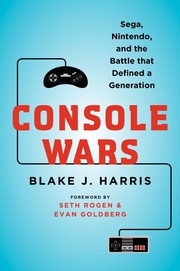
A gripping narrative of the Sega vs. Nintendo rivalry that defined the 16-bit era; it introduces the major players, business dynamics, and console generations in an accessible, story-driven way — perfect as a first book.
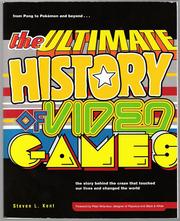
The most comprehensive single-volume history of the medium, covering Pong through the sixth generation. Read this second to fill in everything Console Wars left out and build a solid chronological map of the hobby.

A well-researched global perspective on gaming history that complements Kent by covering international markets and lesser-known platforms, rounding out your foundational knowledge before diving into specific libraries.
Console Generations & Their Libraries
BeginnerDevelop deep, generation-by-generation knowledge of the major consoles and their software libraries — the core reference literacy every collector needs.
▸ Study plan for this stage
Pace: 8–10 weeks, ~40–50 pages/day. Start with "The SNES Omnibus" (weeks 1–5, ~500 pages), then "NES Omnibus" (weeks 6–10, ~500 pages). Allocate 1–2 days per week for exercises and reflection.
- Console hardware architecture and technical specifications (CPU, RAM, graphics capabilities) that defined each generation's visual and gameplay possibilities
- Chronological release timelines and market dominance: how SNES and NES competed, succeeded, and shaped the industry landscape
- Genre evolution and software library composition: how game design evolved from NES to SNES (8-bit to 16-bit), including RPGs, platformers, action games, and sports titles
- First-party vs. third-party game ecosystems: Nintendo's role as publisher and how third-party developers shaped each console's library
- Regional variations and localization: differences between North American, Japanese, and European releases, including censorship and game availability
- Iconic franchises and landmark titles: understanding which games defined each console and why they remain culturally significant
- Collecting context: rarity, condition factors, pricing trends, and how to identify valuable or historically important cartridges from each era
- What are the key hardware differences between the NES and SNES, and how did these differences enable new genres and gameplay styles?
- Name at least 10 landmark titles from the NES library and explain why each was significant to the console's success or the industry
- How did Nintendo's approach to third-party developer relationships differ between the NES and SNES eras, and what impact did this have on each console's library?
- What were the major regional differences in NES and SNES game releases, and why did certain games never leave Japan or North America?
- Describe the evolution of at least three major game franchises (e.g., Mario, Zelda, Metroid) from NES to SNES, noting how hardware improvements changed gameplay
- What factors determine the rarity and collectibility of NES and SNES cartridges, and how do you identify a valuable game in the wild?
- Create a detailed hardware comparison chart: list CPU, RAM, graphics resolution, color palette, and sound capabilities for both NES and SNES side-by-side, then write one paragraph explaining how each spec enabled specific game innovations
- Build a personal 'landmark games' database: for each console, select 15–20 essential titles, categorize them by genre, note their release year and region, and write 2–3 sentences on why each matters historically
- Play or watch playthroughs of 5–8 games across both consoles (mix of famous and lesser-known titles), taking notes on how hardware capabilities are visibly different and how gameplay reflects the era
- Research and document regional release variations: pick 10 games that had different versions or were region-exclusive, create a table showing which regions got which versions, and investigate why (censorship, licensing, market strategy)
- Visit a local retro game store or browse online marketplaces (eBay, Mercari) and catalog 20–30 NES/SNES cartridges with their listed prices, condition grades, and rarity notes; identify patterns in what commands premium prices
- Write a 500–750 word collector's guide for a specific franchise (Mario, Zelda, Castlevania, etc.) covering all NES and SNES entries, their relative rarity, and what a new collector should know about acquiring them
Next up: This stage establishes the foundational reference knowledge of two pivotal console generations and their libraries, preparing you to explore deeper specialized topics—whether that's mastering specific franchises, understanding the business and design decisions behind major releases, or developing expertise in adjacent platforms (Genesis, Atari, Game Boy) that competed in the same era.

Weiss's encyclopedic, game-by-game coverage of the SNES library is the gold standard for console-specific reference books; starting here teaches you how to think about and evaluate a platform's full catalog.

The companion volume covering the NES library — read after the SNES book to see how an earlier generation's catalog compares and to build cross-generational literacy essential for collecting decisions.
Collecting, Grading & the Market
IntermediateLearn how to identify, evaluate, price, grade, and strategically build a retro game collection, including understanding the grading ecosystem and market forces.
▸ Study plan for this stage
Pace: 4–5 weeks, ~40–50 pages/day (approximately 280–350 pages total)
- Grading standards and terminology (condition ratings, rarity factors, and how they affect value)
- Market dynamics: supply, demand, and price fluctuations in the retro gaming market
- Authentication and identification of genuine vs. counterfeit games, consoles, and collectibles
- Building a collection strategy aligned with personal interests, budget, and long-term goals
- The role of documentation, provenance, and preservation in maintaining collection value
- Pricing research methods and valuation frameworks used by collectors and dealers
- The grading ecosystem: professional grading services, their standards, and cost-benefit analysis
- Market trends and historical context that drive collector demand and investment potential
- What are the standard grading scales used in retro game collecting, and how do condition ratings translate to market value?
- How do you identify counterfeit or reproduction games, and what authentication methods are most reliable?
- What factors should you consider when developing a personal collecting strategy, and how do budget constraints shape your approach?
- How do supply and demand dynamics influence retro game pricing, and what market trends should collectors monitor?
- What is the purpose of professional grading services, and when is it cost-effective to use them versus self-assessment?
- How do you research and establish fair market prices for games you want to buy or sell?
- Grade 5–10 games from your own collection or local listings using Barton's grading framework; document your assessments and compare with market listings to calibrate your eye
- Research and document the price history of 3–5 specific games over the past 6–12 months using multiple sources (eBay, PriceCharting, local shops); identify patterns and explain what drove price changes
- Examine 3 games you're considering purchasing: authenticate them using Barton's identification criteria, research their market value across multiple platforms, and write a brief acquisition strategy memo
- Create a personal collection plan (1–2 pages) that defines your collecting focus, budget allocation, acquisition timeline, and success metrics based on principles from the book
- Visit a local retro game shop or online marketplace and evaluate 10 listings for pricing accuracy, condition descriptions, and authenticity; flag any red flags or overpriced items
- Analyze a game's market data (pricing, rarity, condition variants) and write a short report on whether it's a good investment, a collector's item, or overvalued based on current trends
Next up: This stage equips you with the analytical tools and market literacy to evaluate individual games and build a strategic collection; the next stage will likely deepen your expertise in specialized areas—such as specific platforms, rare variants, or advanced restoration and preservation techniques—or teach you how to scale your collecting into curation, dealing, or community leadership.

Barton examines the most influential games of all time with critical depth, giving collectors the cultural and design vocabulary to understand *why* certain titles are sought-after — essential context before studying the market.
Hardware, Repair, Mods & Preservation
ExpertGain hands-on knowledge of retro hardware internals, common failure points, repair techniques, popular modifications (RGB, HDMI, region-free), and long-term preservation best practices.
▸ Study plan for this stage
Pace: 8–10 weeks, ~40–50 pages/day with hands-on breaks; allocate 2–3 weeks per book with overlap for synthesis
- Atari 2600 hardware architecture and the technical constraints that shaped game design (beam racing, cycle counting, memory limitations)
- Japanese developer innovation strategies for working within hardware limitations and creating workarounds
- Practical repair diagnostics: identifying common failure modes in cartridge-based systems (capacitor plague, ROM degradation, connector corrosion)
- Modification techniques for retro hardware: RGB output implementation, HDMI conversion principles, and region-unlock methods
- Preservation methodology: proper storage, documentation of hardware revisions, archival of original media, and preventing future degradation
- The relationship between hardware constraints and game design philosophy across generations
- Reverse-engineering and troubleshooting approaches used by both original developers and modern hobbyists
- How did the Atari 2600's beam-racing requirement fundamentally change how programmers had to think about graphics rendering, and what specific technical tricks did developers use to work within this constraint?
- What are the three most common failure points in aging cartridge-based consoles, and how would you diagnose each one?
- Describe the step-by-step process for implementing an RGB mod on a classic console—what are the key signal lines, and why is proper shielding critical?
- How did Japanese developers' approaches to hardware limitations differ from Western developers, and what innovations emerged from these different philosophies?
- What is the difference between preservation and restoration, and why is documentation of original hardware state essential before any modification?
- How would you create a long-term storage plan for a collection of cartridges and consoles that minimizes environmental degradation?
- Disassemble a non-working or spare cartridge-based console (or watch a detailed teardown video if hardware unavailable) and document each component, identifying solder joints, capacitors, and connector types; photograph and label everything
- Perform a visual inspection and diagnostic test on at least one aging console: check for capacitor bulging, test controller ports, verify power delivery, and document findings in a repair log
- Study the schematic or technical documentation for a specific console (e.g., Atari 2600 or NES); trace the video signal path and identify where RGB signals originate and how composite output is generated
- Research and write a 2–3 page technical summary on one specific mod (RGB, HDMI, or region-free) for a console of your choice, including parts list, wiring diagram interpretation, and potential pitfalls
- Create a preservation checklist for your own collection or a hypothetical collection: include storage environment specs (temperature, humidity), media inspection intervals, and documentation standards
- Attempt a simple repair or mod on a non-critical piece of hardware (e.g., cleaning contacts, replacing a worn cable, or installing a region-free chip if you have soldering experience), documenting the process with photos and notes
Next up: This stage equips you with the technical literacy and hands-on competency to understand how hardware design decisions shaped entire game libraries—preparing you to move into deeper collecting strategy, market knowledge, and curatorial decision-making in the next stage.
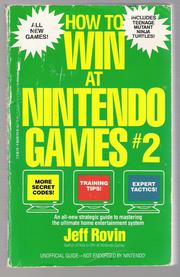
A classic period document that illustrates how players interacted with hardware and software in the NES era — valuable historical framing before tackling technical hardware literature.

Deep, interview-driven insight into the engineers and designers who built the hardware and games you'll be repairing and modding — understanding creator intent sharpens your preservation mindset.
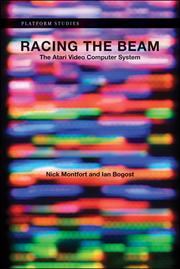
A rigorous technical and cultural analysis of the Atari 2600's hardware constraints and how programmers worked within them; this is the best introduction to thinking like a hardware engineer about retro platforms, directly applicable to repair and mod work.
Discussion
Keep reading
Paths that share books, cover the same subject, or open a related topic.