Retro game collecting goes wrong in a predictable way: someone buys a stack of cartridges based on a price chart, then discovers they have no idea which of them are actually interesting to play or why any of them exist. Price guides age badly and the market moves; the history behind the hardware does not.
So read the industry story first. Once you know why the SNES had the sound chip it had, or why a 1983 crash emptied American shelves, the shelves at a swap meet stop looking like a wall of undifferentiated boxes and start looking like a map.
The industry story, three ways
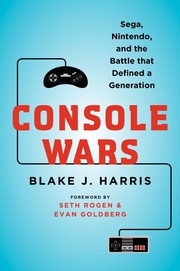
Console Wars by Blake J. Harris is the most propulsive entry point — the Sega-versus-Nintendo fight of the early nineties told as a business thriller. It is reported narrative rather than dry chronicle, and it will make you care about the era before you start buying it. Read it knowing that its dialogue is reconstructed and some participants have disputed details.
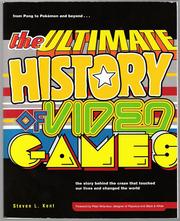
Then move to The Ultimate History of Video Games by Steven L. Kent for the wide-angle chronological account, built on a huge number of interviews and covering the arcade era, the 1983 crash, and the console generations that followed. Replay by Tristan Donovan covers similar ground with a more international eye — European and Japanese development get real space rather than a footnote — so read it if the American-centric framing of the other two starts to feel narrow.
The collector's reference shelf
Once you know the eras, you need the catalogues. The SNES Omnibus and NES Omnibus by Brett Weiss are the workhorses here: game-by-game entries with screenshots, release detail, and commentary across the full libraries. They are the books you actually keep next to the shelf and open when something unfamiliar turns up at a flea market.
Vintage Games 2. 0 by Matt Barton takes the opposite approach — instead of covering everything, it picks the genuinely influential titles and explains what each one changed. It is the better book for deciding what to hunt for. And How to Win at Nintendo Games #2 by Jeff Rovin is a period artifact more than a reference: reading a strategy guide written in the moment tells you what players were actually confused by, which is its own kind of history.
Deeper cuts, for when the basics bore you
The Untold History of Japanese Game Developers Volume 2 by John Szczepaniak is oral history from developers who rarely get translated into English — uneven, occasionally scrappy, and full of material that exists nowhere else. Serious collectors end up here eventually.
Racing the Beam by Nick Montfort and Ian Bogost is the technical high point: a study of the Atari VCS that explains how the machine's peculiar hardware shaped what games on it could possibly be. It is short, rigorous, and it permanently changes how you look at an old cartridge.
One honest caveat: none of these will tell you what a boxed copy is worth today. Prices live in sold-listing data and community trackers, not in print. Use books for judgment and the market for numbers.
Browse more subject paths if you want the neighbouring collecting hobbies too. Follow the full path to read these in sequence.
Follow the full ordered path here: Retro Gaming and Game Collecting: The Books Worth Reading, in Order.
Ready to learn something deeply?
Build a reading path — free