Respiratory therapy career: an ordered reading path to break in
This curriculum builds from foundational anatomy and physiology through clinical respiratory care and ventilator management, finishing with targeted NBRC exam preparation. Each stage assumes mastery of the previous one, so readers develop the vocabulary, conceptual models, and clinical reasoning needed before tackling more advanced material. Note that hands-on clinical training in an accredited program and state licensure are essential complements to this reading path.
Foundations: Anatomy, Physiology & the Basics
BeginnerBuild a solid understanding of human anatomy, cardiopulmonary physiology, and the language of medicine before encountering clinical respiratory concepts.
▸ Study plan for this stage
Pace: 8–10 weeks, ~40–50 pages/day (alternating between coloring book and workbook; coloring book requires 2–3 hours per session for detailed anatomical work)
- Gross anatomy of the respiratory system: upper and lower airways, lungs, pleura, and thoracic cage
- Cellular and tissue-level anatomy: epithelial types, connective tissue, and the alveolar-capillary membrane
- Pulmonary ventilation mechanics: pressure gradients, diaphragm function, and elastic recoil
- Gas exchange physiology: diffusion across the alveolar-capillary membrane and oxygen/CO2 transport
- Cardiovascular-pulmonary integration: pulmonary circulation, right and left heart function, and systemic circulation
- Acid-base balance and blood gas regulation: pH, bicarbonate, and respiratory compensation
- Medical terminology and abbreviations: common prefixes, suffixes, and respiratory-specific vocabulary
- Normal values and reference ranges: blood gases, lung volumes, and hemodynamic parameters
- Describe the anatomical pathway of air from the nose to the alveoli, naming all major structures and their functions
- Explain how the diaphragm and intercostal muscles work together to create negative pressure during inspiration
- What is the alveolar-capillary membrane, and how does its structure facilitate gas exchange?
- How does the pulmonary circulation differ from systemic circulation, and why is this important for gas exchange?
- Interpret a basic arterial blood gas (ABG) result: what do pH, PaCO2, and HCO3− tell you about respiratory and metabolic status?
- Define compliance and resistance in the context of the respiratory system, and explain how they affect breathing mechanics
- Complete all coloring activities in The Anatomy Coloring Book for respiratory, cardiovascular, and thoracic sections; label and color-code structures by function (airways, gas exchange, circulation)
- Work through all fill-in-the-blank and labeling exercises in the Des Jardins Workbook; focus on anatomy diagrams and physiology concept maps
- Create a personal 'anatomy atlas' by photographing or scanning your completed coloring pages and organizing them by system (upper airway, lower airway, lungs, heart, circulation)
- Draw and label the pressure-volume relationships during inspiration and expiration; annotate with Boyle's Law and elastic recoil concepts
- Practice interpreting 5–10 sample ABG values using the workbook's reference ranges; calculate base excess and identify respiratory vs. metabolic components
- Build a 3D model or sketch of the alveolar-capillary membrane showing all layers (epithelium, basement membrane, endothelium) and annotate diffusion pathways for O2 and CO2
Next up: Mastery of normal respiratory and cardiovascular anatomy and physiology provides the essential foundation for understanding how disease, injury, and pathology disrupt these systems—preparing you to recognize abnormal findings and clinical interventions in the next stage.
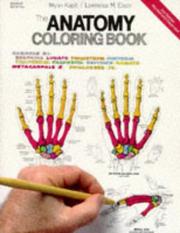
An active, visual introduction to human anatomy that makes structures memorable through drawing — essential groundwork before studying the lungs and airways in depth.
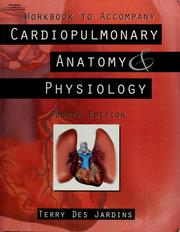
The most widely used entry-level text for respiratory therapy students; it systematically covers the heart-lung system in accessible language, building the physiological vocabulary needed for every later stage.
Core Clinical Respiratory Care
BeginnerUnderstand the full scope of respiratory therapy practice — assessment, disease management, oxygen therapy, airway management, and pharmacology — as taught in accredited RT programs.
▸ Study plan for this stage
Pace: 12–14 weeks, ~40–50 pages/day (Egan's: weeks 1–9, ~60 pages/day; Rau's: weeks 10–14, ~50 pages/day)
- Respiratory anatomy and physiology: lung structure, ventilation, perfusion, gas exchange, and the mechanics of breathing
- Patient assessment techniques: history, physical examination, vital signs, breath sounds, and interpretation of clinical findings
- Oxygen therapy delivery systems: nasal cannula, masks, high-flow systems, and appropriate patient selection for each modality
- Airway management: oral/nasal airways, endotracheal intubation, tracheostomy care, and suctioning techniques
- Mechanical ventilation fundamentals: modes, settings, patient-ventilator interaction, and troubleshooting common problems
- Respiratory pharmacology: bronchodilators, corticosteroids, mucolytics, and other agents used in RT practice with mechanisms and clinical applications
- Disease management: COPD, asthma, acute respiratory distress syndrome (ARDS), and other common respiratory conditions
- Infection control and safety: standard precautions, equipment sterilization, and hazard recognition in respiratory care settings
- What are the anatomical structures involved in gas exchange, and how do ventilation and perfusion relate to oxygenation?
- How do you perform a systematic patient assessment in respiratory care, and what clinical findings indicate respiratory distress?
- When would you select a nasal cannula versus a non-rebreather mask, and what are the limitations of each oxygen delivery system?
- What are the indications, contraindications, and proper techniques for endotracheal intubation and airway management?
- How do you interpret ventilator settings and modes, and what strategies would you use to troubleshoot patient-ventilator asynchrony?
- What is the mechanism of action for major respiratory medications (bronchodilators, corticosteroids), and when are they indicated clinically?
- How would you develop a respiratory care plan for a patient with COPD or asthma exacerbation, including oxygen therapy and pharmacological interventions?
- Anatomy review: Label and identify all major structures of the respiratory system using diagrams from Egan's; create flashcards for lung lobes, airways, and muscles of respiration
- Physical examination practice: Perform systematic auscultation on mannequins or peers; document normal and abnormal breath sounds (crackles, wheezes, rhonchi) and correlate with pathology
- Oxygen delivery system calculations: Work through 10–15 problems calculating FiO₂ for different delivery systems (cannula, masks, high-flow); verify against clinical scenarios in Egan's
- Airway management simulation: Practice oral/nasal airway insertion on mannequins; study intubation technique and tracheostomy care protocols from Egan's with video demonstrations
- Pharmacology case studies: Complete 8–10 clinical scenarios from Rau's applying bronchodilators and corticosteroids; justify drug selection, dose, and route based on patient presentation
- Ventilator mode interpretation: Analyze 6–8 ventilator waveforms and settings; identify mode type, explain patient-ventilator interaction, and propose adjustments for common problems
- Disease management plans: Write comprehensive care plans for COPD, asthma, and ARDS cases using both Egan's and Rau's; include assessment findings, oxygen therapy, medications, and monitoring parameters
Next up: Mastery of core clinical respiratory care—assessment, oxygen therapy, airway management, and pharmacology—provides the foundation to advance to specialized topics such as advanced ventilation modes, critical care applications, and disease-specific protocols in the next stage.
The definitive, comprehensive textbook of the profession; after building physiology knowledge, this is the canonical clinical reference that covers every domain of respiratory therapy practice.
Pharmacology is a major NBRC exam domain and daily clinical skill; this focused text is the standard RT pharmacology reference and reads naturally after Egan's introduces the clinical context.
Mechanical Ventilation & Advanced Pulmonary Care
IntermediateDevelop confident, clinically grounded knowledge of mechanical ventilation modes, waveforms, patient-ventilator interaction, and management of critically ill pulmonary patients.
▸ Study plan for this stage
Pace: 6–8 weeks, ~40–50 pages/day (mix of dense technical content and clinical case work)
- Mechanical ventilation modes (volume-control, pressure-control, dual-control, spontaneous modes) and their clinical applications
- Pressure-volume and flow-time waveforms: interpretation and optimization for patient-ventilator synchrony
- Patient-ventilator interaction: asynchrony detection, dyssynchrony patterns, and troubleshooting strategies
- Respiratory physiology fundamentals: compliance, resistance, work of breathing, and gas exchange mechanics
- Ventilator management in ARDS, COPD, and neuromuscular disease: mode selection and parameter titration
- Weaning and liberation strategies: readiness assessment, spontaneous breathing trials, and extubation criteria
- Alveolar-capillary gas exchange, ventilation-perfusion (V/Q) mismatch, and oxygenation optimization
- Sedation, analgesia, and neuromuscular blockade in the context of mechanical ventilation
- What are the key differences between volume-control and pressure-control ventilation, and when would you select each mode for a specific patient presentation?
- How do you interpret pressure-volume and flow-time waveforms to identify patient-ventilator asynchrony, and what corrective actions would you take?
- Explain the physiologic basis for compliance and resistance in the respiratory system, and how these parameters influence ventilator settings.
- What is the pathophysiology of ARDS, and how would you adjust ventilation strategy (mode, PEEP, tidal volume) to optimize oxygenation while minimizing ventilator-induced lung injury?
- Describe the process and criteria for weaning from mechanical ventilation, including spontaneous breathing trial protocols and extubation readiness assessment.
- How does ventilation-perfusion (V/Q) mismatch occur, and what ventilator strategies can address hypoxemia caused by V/Q inequality?
- Waveform analysis drills: Obtain 10–15 pressure-volume and flow-time waveforms from clinical cases or simulation software; identify asynchrony patterns (double-triggering, auto-PEEP, breath-stacking) and document corrective actions
- Mode selection case studies: Work through 8–10 patient scenarios (ARDS, COPD exacerbation, post-operative, neuromuscular disease) and justify your initial mode choice and parameter settings using principles from both texts
- Ventilator parameter titration exercises: Use a ventilator simulator or clinical case logs to adjust FiO₂, PEEP, tidal volume, and respiratory rate in response to changing blood gas and oxygenation targets
- Weaning protocol application: Conduct mock spontaneous breathing trials on 5–6 simulated or real patients; assess readiness criteria, interpret trial outcomes, and document extubation decisions
- Physiology-to-bedside mapping: Create a study table linking respiratory physiology concepts (compliance, resistance, V/Q mismatch) from West directly to ventilator management decisions in Owens
- Clinical case presentations: Present 3–4 complex ventilator cases (e.g., ARDS with refractory hypoxemia, COPD with air-trapping) with waveform analysis, mode rationale, and weaning strategy
Next up: This stage establishes the clinical foundation and physiologic reasoning needed to manage acute respiratory failure; the next stage will build on these competencies by exploring specialized populations (pediatric, neonatal, post-operative), advanced rescue therapies (ECMO, high-frequency ventilation), and long-term ventilator management in chronic critical illness.

A concise, practical, clinician-friendly guide that reinforces ventilator concepts with real-world decision-making frameworks — ideal for bridging textbook knowledge to bedside thinking.
West's classic slim volume deepens understanding of gas exchange, V/Q relationships, and pulmonary mechanics at a level that makes advanced ventilator management and ABG interpretation truly intuitive.
NBRC Exam Preparation & Clinical Mastery
ExpertConsolidate all prior knowledge into exam-ready, application-level competency for the NBRC TMC and CSE credentialing exams, and reinforce critical care clinical reasoning.
▸ Study plan for this stage
Pace: 8–10 weeks, ~40–50 pages/day with active recall and practice exam blocks
- NBRC exam format, question types, and test-taking strategies specific to TMC and CSE blueprints
- Comprehensive cardiopulmonary pathophysiology: acute respiratory distress syndrome (ARDS), chronic obstructive pulmonary disease (COPD), asthma, pulmonary edema, pneumonia, and critical care scenarios
- Mechanical ventilation modes, settings, troubleshooting, and weaning protocols aligned with evidence-based practice
- Arterial blood gas (ABG) interpretation and acid-base balance in complex multi-system disease
- Pharmacology of respiratory medications: bronchodilators, corticosteroids, mucolytics, and critical care drugs with clinical application
- Equipment operation, troubleshooting, and quality assurance for ventilators, gas delivery systems, and monitoring devices
- Clinical decision-making under time pressure: recognizing when to escalate care, adjust therapy, or recommend physician consultation
- Integration of prior knowledge into rapid, accurate clinical reasoning for high-acuity patient scenarios
- How do you systematically approach an NBRC exam question to avoid common pitfalls, and what are the key differences between TMC and CSE question emphasis?
- Given a complex ABG result with abnormal pH, PaCO₂, and HCO₃⁻ in a patient on mechanical ventilation, how do you identify the primary disorder and recommend ventilator adjustments?
- What is the clinical reasoning pathway for selecting and troubleshooting a specific ventilation mode (e.g., pressure control vs. volume control) in a patient with ARDS?
- How do you interpret a patient's response to bronchodilator therapy, and what objective measures (spirometry, peak flow, compliance) guide escalation to additional interventions?
- In a critical care scenario, when should a respiratory therapist recommend weaning from mechanical ventilation, and what parameters and protocols guide this decision?
- How do you integrate knowledge of respiratory pharmacology, equipment function, and pathophysiology to justify a clinical recommendation in a high-stakes exam scenario?
- Complete full-length practice exams (TMC and CSE format) under timed conditions; review every incorrect answer with reference to Persing's explanations and underlying pathophysiology
- Create a personal 'high-yield' flashcard deck from Persing covering the 50–75 most frequently tested concepts; review daily with active recall
- Work through 10–15 complex case studies (ARDS, COPD exacerbation, acute asthma, sepsis) from Persing; write out your clinical reasoning for each decision point
- Perform rapid ABG interpretation drills: solve 20–30 mixed acid-base problems in 30 minutes, then review errors and patterns
- Conduct ventilator troubleshooting simulations: given a scenario (high peak pressure, low tidal volume, patient-ventilator dyssynchrony), identify the problem and recommend solutions using Persing's decision trees
- Record yourself explaining 5–10 difficult concepts (e.g., permissive hypercapnia, PEEP titration, weaning criteria) aloud; listen back to identify gaps in understanding
Next up: Mastery of this stage establishes you as an exam-ready, clinically competent respiratory therapist; the next stage (if applicable) would focus on maintaining credentials through continuing education, specialization in critical care or pediatric respiratory therapy, or transition to advanced practice roles such as respiratory therapy leadership or education.

A structured, NBRC-aligned review book that maps directly to exam content outlines; working through it after the core texts reveals knowledge gaps and reinforces clinical decision-making under exam conditions.
Discussion
Keep reading
Paths that share books, cover the same subject, or open a related topic.