Phlebotomy career: an ordered reading path to certification
This curriculum takes a beginner from zero knowledge of phlebotomy through professional-level competency, covering foundational anatomy and medical terminology, core venipuncture theory and technique, safety and specimen handling, and finally certification exam preparation. Each stage builds directly on the last — you must understand the body and its language before you can safely draw blood, and you must master technique before tackling exam-level clinical reasoning.
Foundations: Body, Blood & Medical Language
BeginnerBuild the anatomical and medical-terminology vocabulary that every phlebotomy textbook assumes you already know — veins, arteries, the circulatory system, and the language of clinical settings.
▸ Study plan for this stage
Pace: 4–5 weeks, ~20–25 pages/day (alternating between terminology and anatomy work)
- Medical terminology building blocks: prefixes, suffixes, and root words that form clinical vocabulary
- The circulatory system anatomy: heart chambers, valves, and the path blood takes through the body
- Arterial vs. venous anatomy: structural differences and why they matter for needle insertion
- Major veins and arteries used in phlebotomy: location, depth, and accessibility landmarks
- Anatomical planes and directional language: superior/inferior, medial/lateral, proximal/distal
- Blood composition and function: plasma, cells, and how terminology describes blood disorders
- Pathological terminology: how to decode medical terms describing disease states and conditions
- What are the three main components of medical terminology, and how do you use them to decode unfamiliar clinical terms?
- Trace the path of blood through the heart, lungs, and body—which chambers and valves does it pass through?
- What are the structural differences between arteries and veins, and why are these differences critical for phlebotomy?
- Identify the major veins of the arm (cephalic, basilic, median cubital) and explain why the median cubital is preferred for blood draws
- Using directional and positional terminology, describe the location of a vein relative to bone, muscle, and skin
- Decode 5–10 medical terms related to blood disorders or circulatory conditions by breaking them into prefix, root, and suffix
- Complete all terminology worksheets in Medical Terminology For Health Professions focusing on circulatory and hematology chapters; create flashcards for prefix/suffix combinations you encounter
- Color and label all diagrams in The Anatomy Coloring Book related to the heart, major arteries, and veins of the upper extremity; use different colors for oxygenated vs. deoxygenated blood
- Draw and annotate a full-page diagram of the circulatory pathway, labeling chambers, valves, major vessels, and the direction of blood flow
- Create a one-page reference sheet mapping medical terminology (e.g., 'tachycardia,' 'thrombosis,' 'hemolysis') to their component parts and clinical meanings
- Palpate your own arm veins and use anatomical directional language to describe their location relative to bones, muscles, and skin landmarks
- Write short clinical scenarios (3–5 sentences) that incorporate 10+ medical terms from the terminology book; practice reading them aloud to build fluency
Next up: Mastering this foundational vocabulary and anatomy equips you to understand phlebotomy procedures, recognize safe vs. unsafe collection sites, and communicate confidently with clinical teams in the next stage.
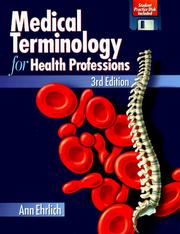
Gives you the precise clinical vocabulary (prefixes, suffixes, body-system terms) you will encounter on every page of a phlebotomy textbook. Reading this first prevents confusion and speeds up everything that follows.
Provides a visual, hands-on way to internalize the cardiovascular system, veins, and surrounding structures before you ever pick up a needle. The active coloring method builds lasting spatial memory of draw sites.
Core Phlebotomy Theory & Technique
BeginnerUnderstand the full scope of phlebotomy practice — equipment, venipuncture and capillary puncture procedures, patient interaction, infection control, and specimen processing — at a level sufficient for entry-level clinical work.
▸ Study plan for this stage
Pace: 8–10 weeks, ~25–30 pages/day, with 2–3 days per week dedicated to hands-on practice and review
- Anatomy and physiology of the circulatory system and relevant veins for venipuncture
- Phlebotomy equipment identification, selection, and proper use (needles, tubes, holders, tourniquets)
- Venipuncture procedure steps, site selection, and troubleshooting common collection failures
- Capillary puncture techniques, indications, and specimen collection for point-of-care testing
- Infection control, bloodborne pathogen safety, and OSHA regulations in phlebotomy
- Patient communication, consent, and handling difficult or special-population patients
- Specimen handling, labeling, processing, and chain-of-custody requirements
- Quality assurance and pre-analytical variables that affect test results
- What are the major veins used for venipuncture, and why is the median cubital vein preferred?
- Describe the complete venipuncture procedure from patient greeting through specimen labeling.
- What are the key differences between venipuncture and capillary puncture, and when is each appropriate?
- How do you prevent hemolysis, hemoconcentration, and other pre-analytical errors during specimen collection?
- What are your responsibilities regarding infection control, bloodborne pathogens, and sharps safety?
- How should you communicate with and handle anxious, pediatric, geriatric, or difficult patients?
- What is the proper order of draw for multiple-tube collections, and why does it matter?
- How do you identify and respond to common venipuncture complications such as hematoma or nerve damage?
- Perform anatomical labeling exercises: identify veins, arteries, and relevant landmarks on arm diagrams and models
- Practice venipuncture on phlebotomy training arms/mannequins at least 3–4 times per week, focusing on proper needle angle, tube advancement, and tourniquet release
- Conduct capillary puncture simulations on finger-stick models, practicing depth control and specimen collection
- Create flashcards for equipment identification and memorize the order of draw for common test panels
- Role-play patient interactions: practice greeting, consent, positioning, and communication with peers or instructors playing anxious or difficult patients
- Complete infection control and safety scenario drills: practice responding to needle sticks, spills, and exposure incidents
- Perform mock specimen labeling and chain-of-custody documentation exercises using realistic lab forms
- Review and analyze case studies of collection failures (hemolysis, wrong tube, contamination) and identify root causes and prevention strategies
Next up: This stage establishes the foundational knowledge and hands-on competency required for safe, effective phlebotomy practice; the next stage will likely build on this by introducing advanced techniques, special populations, and troubleshooting in real clinical settings.
The most widely adopted phlebotomy textbook in the United States; it covers every core competency (anatomy, equipment, technique, safety, quality assurance) in a logical, beginner-friendly sequence. Start here for your primary theory base.
Safety, Standards & Specimen Integrity
IntermediateMaster the regulatory, safety, and pre-analytical quality standards that govern real-world phlebotomy — OSHA rules, CLSI guidelines, chain of custody, and the impact of errors on lab results.
▸ Study plan for this stage
Pace: 4–5 weeks, ~40–50 pages/day. Week 1–2: Phlebotomy Handbook (OSHA, safety protocols, standards). Week 3–4: The Phlebotomy Textbook (specimen integrity, pre-analytical variables, chain of custody). Week 5: Review and integration exercises.
- OSHA bloodborne pathogen standards and occupational exposure control measures
- CLSI guidelines for specimen collection, handling, and quality standards
- Chain of custody documentation and specimen labeling requirements
- Pre-analytical variables (timing, temperature, additives, hemolysis) and their impact on lab results
- Standard precautions and personal protective equipment (PPE) selection for phlebotomy
- Specimen rejection criteria and quality assurance in the collection process
- Regulatory compliance and accreditation standards (CLIA, CAP)
- Professional ethics and legal responsibilities in specimen handling
- What are the key OSHA bloodborne pathogen standards, and how do they apply to phlebotomists in daily practice?
- How do CLSI guidelines govern specimen collection, and what are the consequences of deviating from them?
- What constitutes proper chain of custody, and why is documentation critical for specimen integrity?
- How do pre-analytical variables (hemolysis, improper tube order, temperature exposure) compromise lab results, and how can they be prevented?
- What are the specimen rejection criteria, and when should a phlebotomist refuse to process or recollect a specimen?
- How do CLIA and CAP accreditation standards impact phlebotomy practice and institutional compliance?
- Create a detailed OSHA compliance checklist for a phlebotomy station, including PPE requirements, sharps disposal, and exposure control procedures based on Garza's safety protocols.
- Develop a specimen labeling and chain of custody form that meets CLSI standards; practice filling it out with realistic scenarios from both texts.
- Analyze 5 case studies of pre-analytical errors (hemolysis, wrong tube, delayed processing) and document how each would affect specific lab tests and patient outcomes.
- Conduct a mock phlebotomy collection following CLSI tube order and handling procedures; have a peer or instructor verify compliance with standards outlined in both texts.
- Write a 2–3 page institutional policy document on specimen rejection criteria, referencing specific CLSI and CLIA requirements from the textbooks.
- Role-play a scenario where a specimen is compromised or mislabeled; practice documenting the error, notifying the lab, and explaining the corrective action to a supervisor or patient.
Next up: This stage establishes the foundational regulatory and quality framework that underpins all phlebotomy decisions; mastery of these standards enables you to move forward to clinical applications and specialized collection techniques with the confidence that you understand why each procedure matters for patient safety and diagnostic accuracy.
Goes deeper than introductory texts on specimen handling, pre-analytical variables, and laboratory workflow, giving you the professional-level understanding needed to prevent errors that affect patient care.

Emphasizes the clinical laboratory context — how specimens are processed and what goes wrong — bridging the gap between drawing blood and understanding why quality and safety protocols exist.
Certification Exam Preparation
IntermediateConsolidate all knowledge into exam-ready form, identify weak areas through practice questions, and confidently sit for a national certification exam (NPA, ASCP, AMT, or NHA).
▸ Study plan for this stage
Pace: 6–8 weeks, ~40–50 pages/day, with 2–3 full-length practice exams interspersed
- Phlebotomy safety protocols, infection control, and OSHA/CLIA compliance standards
- Venipuncture technique, site selection, and troubleshooting common collection failures
- Specimen handling, labeling, processing, and chain-of-custody requirements
- Blood collection equipment, tube types, additives, and order of draw
- Patient communication, consent, and handling difficult or special populations
- Quality assurance, pre-analytical errors, and documentation standards
- Capillary puncture, dermal puncture, and alternative collection methods
- Legal and ethical responsibilities, confidentiality, and professional standards
- What are the correct order of draw and rationale for each tube type when collecting multiple specimens?
- How do you identify and resolve common venipuncture complications such as hematoma, hemolysis, or failed draws?
- What are the OSHA and CLIA requirements for phlebotomist safety and specimen handling?
- When is capillary puncture appropriate, and what are the key differences in technique compared to venipuncture?
- How do pre-analytical errors occur, and what preventive measures ensure specimen integrity?
- What are your legal and ethical obligations regarding patient consent, confidentiality, and professional conduct?
- Complete all practice questions in McCall's Phlebotomy Exam Review chapter-by-chapter, tracking accuracy by topic
- Take 2–3 full-length timed practice exams (simulating actual certification exam conditions) and review all incorrect answers
- Create a personal error log: document any questions you missed, categorize by topic, and study those weak areas intensively
- Perform mock venipuncture scenarios with a partner or trainer, practicing difficult patient interactions and troubleshooting collection failures
- Develop quick-reference flashcards or a study guide for order of draw, tube additives, and critical safety protocols
- Review and memorize all OSHA, CLIA, and professional standards referenced in McCall; create a compliance checklist
Next up: Successful completion of this stage culminates in national certification (NPA, ASCP, AMT, or NHA), positioning you to enter professional phlebotomy practice where you will apply and continuously refine these exam-validated competencies in real clinical settings.
Written by the same author as the leading textbook, this review book maps directly onto McCall's core content, making it the most efficient way to convert your study knowledge into exam performance.
Discussion
Keep reading
Paths that share books, cover the same subject, or open a related topic.