Property management career: an ordered reading list to break in
This curriculum takes a beginner from zero property management knowledge to career-ready competence across four progressive stages. It starts with landlord-tenant fundamentals and leasing basics, then builds into day-to-day operations, financial management, and finally professional licensing and business growth — each stage assuming mastery of the last.
Foundations: Landlord & Tenant Basics
BeginnerUnderstand the landlord-tenant relationship, basic lease structures, tenant screening, and the legal framework that governs rental housing.
▸ Study plan for this stage
Pace: 4–5 weeks, ~40–50 pages/day. Start with "Every Landlord's Legal Guide" (weeks 1–3, ~25 pages/day to cover core legal sections), then "The Book on Managing Rental Properties" (weeks 3–5, ~40 pages/day for practical management chapters).
- Landlord-tenant legal rights and responsibilities in your jurisdiction, including disclosure requirements and habitability standards
- Lease agreement structure: essential clauses, enforceability, and customization for different property types and tenant situations
- Tenant screening process: background checks, credit reports, reference verification, and fair housing compliance
- Security deposits: collection, holding, and return procedures under state/local law
- Eviction procedures and grounds for eviction, including notice requirements and court processes
- Property management fundamentals: rent collection, maintenance coordination, and tenant communication systems
- Fair housing laws and discrimination prevention in all landlord-tenant interactions
- Insurance, liability, and risk management for rental properties
- What are the key legal obligations a landlord must fulfill regarding habitability, disclosures, and maintenance in your state, and what happens if you fail to meet them?
- What should a comprehensive lease agreement include, and which clauses are non-negotiable for legal protection?
- Walk through your tenant screening process: what information do you collect, how do you verify it, and how do you ensure fair housing compliance?
- What are the rules for collecting, holding, and returning security deposits in your jurisdiction, and what are the penalties for violations?
- Describe the eviction process in your state: what grounds are valid, what notices are required, and what timeline should you expect?
- How would you set up a rent collection and property maintenance system for a 5–10 unit portfolio?
- Draft a lease agreement for a single-family rental using templates from 'Every Landlord's Legal Guide' as a foundation; customize it for your state's laws and your property type.
- Create a tenant screening checklist and scorecard: list the criteria you'll evaluate (credit score, income, references, background), the sources you'll use, and the decision thresholds.
- Research your state's security deposit laws (Stewart covers this) and document the rules: collection limits, holding requirements, return timelines, and penalties for violations.
- Write a sample eviction notice for non-payment of rent following your state's format and timeline; identify the next legal steps.
- Set up a property management system (spreadsheet or software): design templates for rent tracking, maintenance requests, tenant communication logs, and lease renewal reminders.
- Interview or shadow an experienced landlord or property manager; ask about their screening process, biggest legal mistakes, and how they handle common disputes.
Next up: This foundation in legal compliance, lease structure, and screening processes equips you to move into the next stage—operational excellence and financial optimization—where you'll learn to maximize profitability, handle maintenance efficiently, and scale your portfolio while staying compliant.
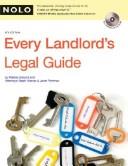
The single most widely-used reference for landlord-tenant law in the U.S., covering leases, security deposits, tenant rights, and eviction procedures. Reading this first gives you the legal vocabulary and compliance mindset every property manager needs before anything else.

A practical, beginner-friendly walkthrough of screening tenants, writing leases, handling move-ins/move-outs, and dealing with problem tenants. It builds directly on the legal foundation of the first book by showing how those rules play out in daily operations.
Operations: Leasing, Maintenance & Tenant Relations
BeginnerMaster the operational side of property management — marketing vacancies, managing maintenance workflows, communicating with tenants, and keeping properties in rent-ready condition.
▸ Study plan for this stage
Pace: 4–5 weeks, ~25–30 pages/day, focusing on the operations and tenant management sections of the Kit
- Marketing vacant units effectively: listing strategies, photography, online platforms, and showing procedures to attract qualified tenants
- Tenant screening and selection: application review, credit checks, background verification, and legal compliance in the selection process
- Lease agreements: understanding lease terms, clauses, move-in/move-out procedures, and how to enforce lease provisions
- Maintenance planning and execution: preventive maintenance schedules, emergency repairs, vendor management, and keeping properties rent-ready
- Tenant communication and relations: establishing clear policies, handling requests and complaints, documentation practices, and conflict resolution
- Rent collection and financial management: setting rent amounts, payment systems, late fees, and managing security deposits
- Legal compliance and tenant rights: fair housing laws, habitability standards, eviction procedures, and record-keeping requirements
- What are the most effective marketing channels and strategies for listing a vacant property, and how do you create compelling listings that attract qualified tenants?
- What steps should you follow when screening tenant applications, and what legal boundaries must you respect during the selection process?
- What are the key clauses and provisions that should be included in a lease agreement, and how do you enforce them fairly?
- How do you develop and implement a preventive maintenance schedule, and what's the best way to manage vendor relationships and emergency repairs?
- What communication systems and documentation practices help prevent tenant disputes and ensure smooth landlord-tenant relations?
- What are your legal obligations regarding fair housing, habitability standards, and security deposit handling?
- Create a marketing plan for a vacant property: write a compelling listing description, identify 3–4 platforms where you'd post it, and outline a showing schedule and process
- Develop a tenant screening checklist based on Griswold's guidance: list the documents you'd request, criteria you'd evaluate, and questions you'd ask references
- Draft a lease agreement outline (or review a sample): identify and explain the key clauses, move-in/move-out terms, and enforcement mechanisms
- Build a preventive maintenance schedule for a residential property: list seasonal tasks, routine inspections, and vendor contact procedures for common repairs
- Role-play a tenant complaint scenario: write out how you'd document the issue, communicate with the tenant, and follow up to resolution
- Create a rent collection and deposit management policy: define payment methods, late fees, grace periods, and security deposit handling procedures
Next up: This stage equips you with the day-to-day operational skills to run properties smoothly and legally; the next stage will deepen your financial acumen and strategic decision-making around budgeting, profitability analysis, and long-term property investment planning.

A comprehensive operational guide covering advertising, showings, lease execution, rent collection, maintenance coordination, and vendor management. Its structured checklists make it ideal for building repeatable processes after you understand the legal basics.
Finances: Accounting, Budgeting & Investment Analysis
IntermediateRead and produce property-level financial statements, build operating budgets, analyze cash flow, and understand how financial performance is measured by owners and investors.
▸ Study plan for this stage
Pace: 4–5 weeks, ~25–30 pages/day, with 2–3 days per week dedicated to exercises and financial modeling practice
- Cash flow as the primary measure of property profitability and the distinction between cash flow and accounting profit
- The 37 key financial metrics used by real estate investors and owners, including NOI, cap rate, cash-on-cash return, and debt service coverage ratio
- How to construct and interpret property-level income statements, expense statements, and cash flow statements
- Operating budget development: forecasting revenues, controlling expenses, and planning for capital reserves
- The relationship between financing decisions and cash flow outcomes, including leverage effects and loan structure impacts
- Comparative financial analysis: benchmarking property performance against market standards and identifying underperforming assets
- How investors and lenders evaluate financial statements to assess property viability and investment returns
- What is the difference between net operating income (NOI) and cash flow, and why does this distinction matter to property owners and investors?
- How do you calculate and interpret the cap rate, cash-on-cash return, and debt service coverage ratio, and what does each metric reveal about property performance?
- What are the key components of a property-level operating budget, and how do you forecast revenues and expenses realistically?
- How do financing decisions (loan amount, interest rate, amortization period) directly impact a property's cash flow and investor returns?
- What financial red flags or warning signs should you look for when analyzing a property's income statement and cash flow statement?
- How would you compare the financial performance of two similar properties using the 37 key metrics, and what conclusions would you draw?
- Build a complete property-level income statement and cash flow statement for a sample multifamily or commercial property, using realistic market data
- Calculate all 37 key financial metrics for a given property scenario and create a summary dashboard explaining what each metric reveals
- Develop a 12-month operating budget for a property, including revenue projections, expense categories, and capital reserve allocations
- Perform a sensitivity analysis: model how changes in occupancy rate, rent growth, or interest rates impact NOI and cash flow
- Analyze two comparable properties side-by-side using the key financial metrics; identify which is the better investment and justify your conclusion
- Create a financing scenario comparison: model the same property under three different loan structures (different LTV, interest rate, amortization) and compare resulting cash flows and returns
Next up: Mastering these 37 financial metrics and the ability to construct and analyze property statements prepares you to evaluate acquisition opportunities, structure deals, and understand how lenders and investors assess property value—skills essential for the next stage of deeper investment analysis and deal evaluation.
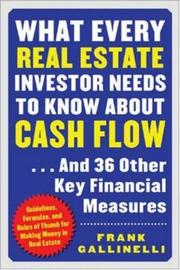
Introduces the core financial metrics of real estate — NOI, cap rate, cash-on-cash return, IRR — in a clear, formula-driven way. Property managers who understand these metrics can speak the language of owners and make smarter operational decisions.
Professional Practice: Licensing, Ethics & Career Growth
IntermediateUnderstand the professional standards, licensing requirements, and business development strategies needed to work as or launch a credentialed property management company.
▸ Study plan for this stage
Pace: 4–5 weeks, ~40–50 pages/day, with 2–3 dedicated review days per week
- IREM's Code of Ethics and professional standards that govern property managers and their fiduciary duties
- Licensing requirements, designations (CPM, ARM, RPA), and continuing education pathways across different jurisdictions
- Business formation, operations, and financial management for property management companies
- Client relations, marketing strategies, and business development for acquiring and retaining property management contracts
- Risk management, liability, insurance, and legal compliance frameworks specific to property management
- Leadership, team building, and staff development within a property management organization
- Technology adoption and operational efficiency systems for scaling a property management business
- What are the core ethical principles in IREM's Code of Ethics, and how do they apply to specific scenarios involving conflicts of interest or client confidentiality?
- What are the main licensing designations offered by IREM (CPM, ARM, RPA), and what are the education, experience, and examination requirements for each?
- How should a property management company be structured legally and financially, and what are the key financial metrics and controls needed to ensure profitability and compliance?
- What are the most effective business development and marketing strategies for acquiring new property management clients, and how do you build long-term client relationships?
- What types of insurance, liability protections, and legal safeguards must a property management company maintain, and what are the common regulatory compliance obligations?
- How do you build and manage a high-performing property management team, and what training and development practices support staff retention and professional growth?
- Conduct a self-assessment of your current knowledge of IREM's Code of Ethics; then work through 3–5 real-world ethical dilemmas (e.g., conflict of interest, dual agency, confidentiality breaches) and document how you would resolve them using the code
- Research the specific licensing requirements and CPM/ARM/RPA pathways in 2–3 states or provinces where you plan to work; create a timeline and action plan for obtaining your target designation
- Develop a business plan outline for a hypothetical property management company, including legal structure, startup capital requirements, revenue projections, and key operational metrics
- Create a marketing and business development strategy document targeting 2–3 property types or client segments (e.g., residential, commercial, HOA); include messaging, outreach tactics, and client retention strategies
- Audit the insurance and legal compliance requirements for a property management company in your jurisdiction; create a compliance checklist and risk mitigation plan
- Design an organizational chart and staff training program for a growing property management company; include role definitions, competency frameworks, and professional development pathways
Next up: This stage establishes the professional foundation, ethical framework, and business acumen required to operate a credible property management firm; the next stage will likely deepen operational expertise in specific property types, tenant relations, financial reporting, and advanced problem-solving scenarios.

The official textbook of the IREM CPM designation — the gold-standard credential in property management. It covers agency law, management agreements, ethics, and portfolio management, and is essential reading for anyone pursuing professional certification.
Discussion
Keep reading
Paths that share books, cover the same subject, or open a related topic.