How to Become a Real Estate Appraiser: Best Books to Read, in Order
This curriculum takes a beginner from zero real estate knowledge to job-ready appraisal competency across four tightly sequenced stages. It opens with real estate and valuation fundamentals, moves into the appraisal methodology and report-writing that licensing exams test, then tackles the inspection and property-analysis skills needed in the field — all while acknowledging that state licensing and supervised (trainee) hours remain mandatory milestones outside any book.
Real Estate Foundations
BeginnerBuild core real estate vocabulary — property types, ownership, markets, and basic economics — so that appraisal-specific concepts land on solid ground.
▸ Study plan for this stage
Pace: 6–8 weeks, ~40–50 pages/day. Start with "Real Estate Principles" (weeks 1–5, ~350 pages), then "The Millionaire Real Estate Agent" (weeks 6–8, ~200 pages). Allocate 2–3 days per week for exercises and review.
- Property types (residential, commercial, industrial, agricultural) and their characteristics, uses, and market dynamics
- Ownership structures and rights: fee simple, leasehold, concurrent ownership, and how they affect property value
- Real estate markets: supply, demand, price cycles, and how local market conditions influence property valuation
- The real estate transaction process: listing, negotiation, closing, and the roles of key players (agents, brokers, lenders)
- Economic principles applied to real estate: utility, scarcity, substitution, and how these drive property worth
- The agent's business model: lead generation, client relationships, and scaling systems (from Keller) as context for why appraisals matter in transactions
- Basic financing concepts: mortgages, down payments, and how lending affects market demand and property prices
- Ethical and legal frameworks: fair housing, disclosure requirements, and fiduciary duties that underpin professional real estate practice
- What are the four main property types, and how do their income-generating potential and market cycles differ?
- Explain the difference between fee simple ownership and leasehold ownership, and how each affects property value and appraisal considerations.
- How do supply and demand dynamics shape real estate markets, and what role do interest rates and lending conditions play?
- Walk through a typical real estate transaction from listing to closing—who are the key players and what is each person's role?
- How do the economic principles of utility, scarcity, and substitution apply to determining real estate value?
- Why is understanding the agent's business model and client acquisition strategy important context for an appraiser?
- Property Type Audit: Spend a day walking or driving through your local area. Identify and photograph 10–15 properties, classify them by type (residential, commercial, etc.), and note visible features (lot size, condition, age). Write a one-page summary of how property types cluster geographically in your market.
- Ownership Structure Case Study: Find a real property listing in your area (online or from a local agent). Research the deed or title information. Identify the ownership structure (fee simple, leasehold, etc.) and write a brief explanation of how it affects the property's marketability and value.
- Market Cycle Analysis: Select one local market segment (e.g., single-family homes in a specific neighborhood). Collect 3–5 years of historical price and sales data (from public records or real estate websites). Chart the trend and identify whether the market is in appreciation, plateau, or depreciation phases. Relate this to supply/demand factors.
- Transaction Role-Play: Pair with a study partner or mentor. Simulate a real estate transaction from listing through closing. Assign roles (buyer, seller, agent, lender, appraiser, title company). Document each step and the decisions/documents involved. Debrief on how each role depends on accurate property information.
- Economic Principles Application: Select three comparable properties in your area. For each, identify its utility (what makes it useful?), scarcity (what limits supply?), and substitution (what alternatives exist?). Write a one-page analysis of how these principles explain price differences.
- Agent Business Model Mapping: After reading Keller's book, create a flowchart of how a real estate agent builds a business: lead generation → client relationships → transactions → referrals → scaling. Annotate where appraisals fit into this cycle and why accuracy matters to the agent's reputation and repeat business.
Next up: This stage equips you with the vocabulary, market context, and transaction fundamentals that appraisers rely on daily—so the next stage (appraisal methods and valuation techniques) will build directly on these foundations rather than requiring you to learn real estate basics in parallel.
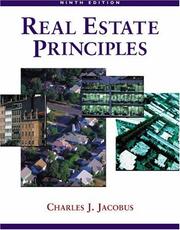
A widely adopted introductory text that covers property rights, contracts, financing, and market fundamentals — the vocabulary every appraisal student must own before opening an appraisal manual.
While agent-focused, it builds intuition for how buyers, sellers, and markets behave — critical context for understanding why properties are valued the way they are.
Appraisal Theory & Valuation Methods
BeginnerUnderstand the three approaches to value (sales comparison, cost, and income), USPAP ethics, and the conceptual framework tested on the Trainee and Licensed Appraiser exams.
▸ Study plan for this stage
Pace: 8–10 weeks, ~40–50 pages/day (alternating between The Appraisal of Real Estate and USPAP 2006)
- The three approaches to value: Sales Comparison Approach (market-based), Cost Approach (replacement cost), and Income Approach (income capitalization)
- Principles of valuation: substitution, supply and demand, anticipation, change, competition, and conformity
- The concept of market value and how it differs from assessed value, appraised value, and other value definitions
- USPAP Standards of Professional Appraisal Practice (Standards 1–10) and their application to appraisal assignments
- USPAP Ethics Rule: independence, objectivity, confidentiality, and the prohibition against contingent fees
- The Scope of Work and how to determine what is required for a credible appraisal
- Reconciliation and the process of weighing the three approaches to reach a final value conclusion
- Common appraisal errors and how USPAP compliance prevents them
- Explain the three approaches to value and describe when each approach is most appropriate for different property types (residential, commercial, industrial)
- What is market value according to USPAP, and how does it differ from other types of value such as assessed value or investment value?
- Describe the USPAP Ethics Rule and explain why independence and objectivity are critical to the appraisal profession
- What is Scope of Work, and how do you determine the appropriate scope for a given appraisal assignment?
- Walk through the reconciliation process: how would you weigh the three approaches if they produce different value conclusions?
- Identify at least three common appraisal violations under USPAP and explain how to avoid them
- Read Chapters 1–3 of The Appraisal of Real Estate and create a one-page summary of each of the three approaches, including a real-world example of when you would use each
- Study USPAP 2006 Standards 1–3 and write a mock Scope of Work statement for a hypothetical residential appraisal assignment, justifying your choices
- Analyze the USPAP Ethics Rule in detail; create a checklist of ethical obligations and flag three real-world scenarios where an appraiser might violate independence or objectivity
- Complete a practice reconciliation exercise: given three value conclusions from the three approaches (e.g., $250K, $265K, $240K), write a paragraph explaining which you would weight most heavily and why
- Review case studies or examples in The Appraisal of Real Estate; identify which approach(es) were used and whether the reasoning aligns with USPAP principles
- Take practice exam questions (from study guides aligned with Trainee Appraiser exams) focused on valuation methods and USPAP Standards 1–5, aiming for 80%+ accuracy
Next up: Mastery of the three valuation approaches and USPAP compliance establishes the ethical and conceptual foundation needed to move into the next stage, where you will apply these methods to specific property types and learn the detailed mechanics of each approach (comparable sales analysis, depreciation calculations, and income capitalization formulas).

The canonical industry textbook — universally called 'the blue book' — that every licensing course draws from; read it first in this stage to establish authoritative definitions and methodology.
The Uniform Standards of Professional Appraisal Practice is the binding ethical and procedural rulebook for all licensed appraisers in the U.S.; reading it here prepares you for the required USPAP course.
Property Inspection & Analysis
IntermediateDevelop the physical inspection skills to assess a property's condition, construction quality, and site characteristics — the fieldwork half of every appraisal assignment.
▸ Study plan for this stage
Pace: 4–5 weeks, ~40–50 pages/day, with 2–3 days per week reserved for field practice and property walkthroughs
- Systematic property inspection methodology: roof-to-foundation approach and documentation protocols from Hoffman's framework
- Structural assessment: identifying foundation issues, framing defects, and load-bearing concerns that affect property value
- Building systems evaluation: HVAC, electrical, plumbing, and mechanical systems as taught in Parnham's residential appraisal context
- Site analysis and grading: drainage patterns, lot characteristics, and external factors that influence property condition and marketability
- Condition rating scales and standardization: translating physical observations into appraisal-grade condition assessments per Parnham's methodology
- Photography and note-taking best practices: creating defensible inspection records that support appraisal conclusions
- Common defects and red flags: recognizing deferred maintenance, safety hazards, and structural problems that require specialist evaluation
- What is the systematic inspection sequence Hoffman recommends, and why is the order of inspection important for thoroughness and safety?
- How do you distinguish between cosmetic issues and structural defects that materially affect property value according to Parnham's standards?
- What are the key indicators of foundation problems, and how would you document them in an appraisal report?
- How do building systems (electrical, plumbing, HVAC) factor into condition ratings, and what signs indicate they need specialist evaluation?
- What site characteristics and external factors does Parnham identify as critical to property analysis, and how do you assess them?
- How should you photograph and document property conditions to create an audit trail that supports your appraisal conclusions?
- Conduct a full property inspection on 2–3 residential properties using Hoffman's systematic checklist; document findings with photos, measurements, and written notes
- Create a detailed inspection report for one property, translating Hoffman's observations into Parnham's condition rating categories (excellent, good, fair, poor)
- Practice identifying and photographing 5–10 common defects (roof deterioration, foundation cracks, water damage, electrical hazards) on real properties
- Compare two properties of similar age and style but different conditions; analyze how condition differences would affect appraisal value per Parnham's framework
- Shadow an experienced appraiser on 1–2 inspections, observing their inspection sequence, questioning techniques, and documentation methods
- Build a personal defect reference library: collect photos and notes on common issues (HVAC age/condition, plumbing materials, structural concerns) with explanations of why each matters to appraisers
Next up: This stage equips you with the fieldwork skills and observational discipline to gather accurate, defensible property data; the next stage will teach you how to synthesize these inspection findings into formal appraisal reports and valuation conclusions.

A practical, room-by-room guide to evaluating structural and mechanical systems; reading this before supervised field hours means you arrive knowing what to look for and how to document it.

Bridges inspection technique and valuation by showing how physical observations translate directly into adjustments and value conclusions on a residential appraisal report.
Report Writing & Professional Practice
IntermediateProduce clear, defensible, USPAP-compliant appraisal reports and understand the business and legal environment of a working appraiser.
▸ Study plan for this stage
Pace: 6–8 weeks, ~40–50 pages/day (with 2–3 days/week for report drafting exercises)
- USPAP Standards of Professional Appraisal Practice: Ethics Rule, Competency Rule, and Scope of Work Rule as applied to residential appraisals
- Report writing fundamentals: narrative structure, supporting documentation, and compliance with FNMA/Freddie Mac guidelines
- Valuation approaches (cost, market, income) and how to reconcile them into a defensible final value opinion
- Financial analysis for investment properties: NOI, cap rates, cash flow projections, and how these inform appraisal conclusions
- Legal and regulatory environment: licensing requirements, liability exposure, and professional standards in residential appraisal practice
- Client communication and scope of work definition: establishing expectations and limiting liability through clear engagement letters
- Market analysis and comparable sales selection: justifying choices and explaining adjustments in written form
- Effective use of appraisal software and templates while maintaining professional judgment and customization
- What are the three core rules of USPAP, and how do they apply specifically to residential appraisal report writing?
- How do you structure a defensible appraisal report that satisfies both FNMA guidelines and USPAP requirements?
- What is the relationship between financial metrics (NOI, cap rate, cash flow) from Berges' book and the three valuation approaches used in residential appraisals?
- How do you select, justify, and document comparable sales adjustments in a way that withstands client and regulatory scrutiny?
- What are the key elements of a scope of work statement, and why is it critical for limiting liability?
- How do you reconcile conflicting conclusions from the cost, market, and income approaches into a single, defensible value opinion?
- Read Berges' chapters on investment property analysis and financial metrics (NOI, cap rate, cash flow); create a one-page summary of how these concepts apply to appraisal of income-producing residential properties (duplexes, small multifamily).
- Draft a complete scope of work statement for a hypothetical residential appraisal assignment, including property type, intended use, intended user, and any limiting conditions.
- Write a full appraisal report (narrative format) for a sample residential property using the Appraisal Institute's guidelines; include market analysis, comparable sales with documented adjustments, and reconciliation of all three approaches.
- Conduct a USPAP compliance review of a sample appraisal report: identify Ethics Rule violations, Competency Rule gaps, and Scope of Work deficiencies; document your findings.
- Create a financial analysis worksheet for a residential investment property using Berges' methodology (NOI, cap rate, cash flow); then write a 2–3 page narrative explaining how this analysis informs the appraisal value conclusion.
- Develop a comparable sales database for a local residential market segment; document your search criteria, selection rationale, and adjustment justifications in writing.
Next up: This stage equips you with the technical and professional skills to produce compliant, defensible reports and navigate the business environment—preparing you to specialize in advanced valuation scenarios (commercial properties, complex income analysis, or litigation support) in the next stage.
Deepens income-approach and cash-flow analysis skills so that your reports on income-producing properties are financially rigorous and credible to lenders and reviewers.

The Appraisal Institute's dedicated residential report-writing manual; it walks through the URAR form field by field, making it the definitive guide to producing a compliant, professional report.
Discussion
Keep reading
Paths that share books, cover the same subject, or open a related topic.