Teaching English abroad is often sold as an easy way to travel, but doing it well is a genuine teaching craft: you have to understand how people learn languages, manage a classroom in a culture not your own, and explain grammar you may never have thought about consciously. The reading trap is grabbing a phrasebook of activities without the theory that tells you when to use them.
A sensible order starts with the practical realities of the job, moves into recognized certification and method, then language acquisition and classroom skill, and finishes with the grammar knowledge every English teacher eventually needs. Books prepare you, but reputable teaching abroad usually expects a recognized certificate like CELTA or an equivalent, which involves supervised teaching practice.
Getting started and certification
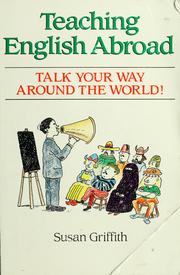
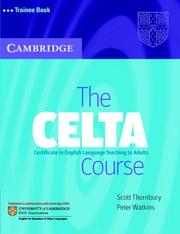
Begin with the lay of the land. Teaching English abroad by Susan Griffith is the classic practical guide to where the jobs are, what they pay, and how to actually get hired around the world. The CELTA Course Trainee Book by Scott Thornbury is the companion to the most respected entry qualification, giving you a preview of what certification demands. Together they show both the destination and the credential that opens doors to it.
Method and how learning happens
Next, learn to teach. The Practice of English Language Teaching by Jeremy Harmer is the field's standard methodology reference, covering how to plan and run effective lessons. How languages are learned by Patsy Lightbown grounds you in second-language acquisition research, so your choices rest on evidence rather than folklore. Learning teaching by Jim Scrivener is the warm, practical bridge, translating theory into what you actually do in front of a class.
Classroom craft and grammar
The final arc sharpens your delivery. The Developing Teacher by Duncan Foord helps you keep growing beyond your first year, and Classroom management techniques, also by Jim Scrivener, tackles the make-or-break skill of running a room full of learners. Teaching by principles by H. Douglas Brown deepens your grasp of the principles behind good practice, and Grammar for English Language Teachers by Martin Parrott is the reference you will return to constantly, because explaining English grammar clearly is a skill in itself.
Read in this order and teaching English abroad becomes a profession you can be good at, not just a way to fund travel. Follow the full path, earn a recognized certificate with real teaching practice, and you will arrive in your first classroom prepared rather than improvising.
Follow the full reading path →
Ready to learn something deeply?
Build a reading path — free