Home staging and selling: the best books to prep, stage, and sell for more
This curriculum takes a first-time home seller from zero knowledge to confident, strategic execution across four tightly sequenced stages. You'll start by understanding how buyers think and what staging fundamentally achieves, then layer in hands-on staging and curb-appeal techniques, then master pricing and negotiation strategy, and finally learn how to market your listing like a pro so it sells faster and for top dollar.
Foundations: How Buyers Think & What Selling Really Takes
BeginnerUnderstand the psychology of home buyers, the overall selling process, and why first impressions drive price — building the mental model everything else rests on.
▸ Study plan for this stage
Pace: 4–5 weeks, ~40–50 pages/day (mix of both books; start with "House Selling for Dummies" for foundational process, then "Zillow Talk" for buyer psychology insights)
- The complete home selling timeline and process: listing, marketing, showing, negotiation, inspection, and closing
- Buyer psychology: what attracts buyers, emotional triggers, and how first impressions influence perceived value
- Pricing strategy: how comparable sales (comps), market conditions, and buyer perception determine listing price
- The role of curb appeal and initial walkthrough: why the first 30 seconds and first room set the tone for the entire showing
- Market dynamics: how supply, demand, interest rates, and local conditions shape buyer behavior and selling strategy
- Data-driven selling: using market data and analytics to make decisions rather than relying on intuition alone
- The agent's role and your role as the seller: understanding incentives, communication, and when to trust professional guidance
- What are the key stages of the home selling process from listing to closing, and what happens at each stage?
- Why do first impressions and curb appeal have such a disproportionate impact on how buyers perceive value?
- How do comparable sales (comps) and market data inform pricing decisions, and what happens if you overprice or underprice?
- What psychological factors drive buyer decisions, and how can you use this knowledge to position your home competitively?
- How do broader market conditions (interest rates, inventory levels, local economy) affect your selling strategy and timeline?
- What are the most common seller mistakes that reduce final sale price, and how can you avoid them?
- Research 5–8 comparable sales in your target neighborhood using Zillow or similar tools; calculate average price per square foot and identify what features command premiums
- Walk through your own home as if you were a buyer seeing it for the first time; note what you notice in the first 30 seconds, first room, and overall flow—identify 3 curb appeal improvements
- Create a simple timeline document outlining the selling process from listing through closing, with realistic durations for each phase based on your local market
- Interview or survey 3–5 recent home buyers (friends, family, or online forums) about what attracted them to their home and what almost stopped them from buying—document patterns
- Analyze 2–3 home listings in your area (one well-priced, one overpriced, one underpriced) and write a brief comparison explaining the pricing differences based on market data and presentation
- Photograph your home's curb appeal and 2–3 key interior spaces; compare them to 3 similar homes listed online and identify specific staging or presentation gaps
Next up: This stage establishes the mental model of *why* buyers decide and *how* the market works; the next stage will teach you the *tactical skills* to optimize your home's presentation, pricing, and marketing to capitalize on these insights.
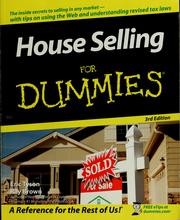
The perfect starting point — it demystifies the entire home-selling process (agents, timelines, paperwork, pricing basics) so you have a complete map before diving into any one topic.

Uses real data to reveal how buyers actually search, evaluate, and decide on homes, giving you the buyer's-eye view that makes every later staging and pricing decision more intuitive.
Staging Mastery: Room by Room
BeginnerExecute a full interior staging of your home — decluttering, furniture arrangement, lighting, neutralizing, and styling each room to maximize perceived space and emotional appeal.
▸ Study plan for this stage
Pace: 4–5 weeks, ~20–25 pages/day, with 2–3 days per week dedicated to hands-on staging practice in your home
- The staging mindset: viewing your home through a buyer's eyes and understanding emotional triggers that drive purchasing decisions
- Decluttering and depersonalization strategies to create a neutral canvas that allows buyers to envision themselves in the space
- Furniture arrangement principles that maximize perceived space, flow, and functionality in each room
- Lighting design and its role in creating warmth, openness, and visual appeal across different room types
- Color theory and neutralization techniques to create cohesive, calming environments that appeal to the broadest buyer base
- Styling and accessorizing with purpose—using plants, artwork, textiles, and décor to enhance rather than distract
- Room-by-room application: tailored staging strategies for living rooms, bedrooms, kitchens, bathrooms, and entryways
- What is the core principle behind staging, and how does it differ from simply cleaning or decorating your home?
- How do you approach decluttering and depersonalization without making a space feel cold or sterile?
- What are the key furniture arrangement principles that make a room feel larger and more inviting?
- How does lighting impact a buyer's perception of a room, and what are practical lighting adjustments you can make in each room type?
- What color palette and styling approach should guide your choices across different rooms, and why?
- How would you stage a specific room in your home (e.g., master bedroom, kitchen, living room) using the principles from both books?
- What are the most common staging mistakes, and how do you avoid them?
- Read 'Home Staging That Works' and create a room-by-room staging checklist based on Osborne's framework; apply it to your own home
- Photograph each room in your home before staging, then after applying decluttering and depersonalization techniques; compare and reflect on the transformation
- Conduct a furniture arrangement experiment in your living room or bedroom: try at least two different layouts and evaluate which feels more spacious and welcoming
- Audit the lighting in three key rooms (bedroom, living room, kitchen); identify dark spots and implement at least one lighting improvement per room (e.g., adding lamps, adjusting bulb temperature)
- Read 'Styled' by Emily Henderson and extract her styling principles; create a mood board or Pinterest collection for one room in your home that reflects neutral, cohesive styling
- Stage your entryway or one high-impact room completely using both books' principles; invite a friend or family member to walk through and provide feedback on how the space feels
- Create a detailed styling plan for your kitchen or bathroom, including specific items to remove, furniture to rearrange, and accessories to add or refresh
Next up: This stage equips you with the foundational skills and confidence to transform individual rooms; the next stage will likely expand into marketing and presenting your staged home to potential buyers, including photography, open house strategy, and addressing buyer objections.

A practical, room-by-room staging manual written specifically for sellers (not decorators), making it the ideal first hands-on guide after you understand the big picture.

Teaches the underlying design principles — balance, scale, color, and vignette — that make staged rooms photograph beautifully and feel aspirational to buyers touring in person.
Curb Appeal & The Exterior Edge
IntermediateTransform your home's exterior, landscaping, and entryway so buyers are emotionally sold before they even step inside.
▸ Study plan for this stage
Pace: 4–5 weeks, ~25–30 pages/day, with 2–3 days per week dedicated to outdoor observation and landscape sketching
- Design principles applied to residential landscapes (balance, proportion, focal points, and flow)
- Plant selection and placement strategies for curb appeal and seasonal interest
- Hardscape elements (pathways, borders, edging, and structures) that frame and define outdoor spaces
- Landscape maintenance cycles and seasonal care to keep exteriors market-ready
- Creating visual hierarchy and sight lines that draw buyers toward the home's entrance
- Color, texture, and form as tools to enhance property value and buyer perception
- Budget-conscious renovation strategies that maximize impact without excessive spending
- How do design principles like balance, proportion, and focal points apply to your home's front yard, and how would you use them to guide a buyer's eye toward the entrance?
- What plant species and arrangements would work best for your climate zone and soil conditions, and how do you select plants that provide year-round visual interest?
- How do hardscape elements such as pathways, borders, and edging contribute to curb appeal, and what materials would suit your home's architectural style?
- What is a realistic seasonal maintenance schedule for your landscape, and which tasks are essential before a home showing?
- How would you create visual hierarchy in your landscape to make the entryway feel welcoming and intentional rather than neglected?
- What low-cost, high-impact landscape improvements could you make to your property within a specific budget?
- Audit your home's current curb appeal: photograph the front yard from the street, driveway, and entryway; identify what draws or detracts from the home's entrance
- Sketch a landscape plan for your front yard using design principles from the book—include plant placement, hardscape elements, and focal points
- Visit 3–5 homes in your neighborhood or online listings with strong curb appeal; analyze which design principles and plant choices make them stand out
- Create a seasonal maintenance calendar for your landscape, listing tasks by month and identifying which are critical for buyer showings
- Select 5–8 plants suited to your climate and soil type; research their mature size, color, texture, and maintenance needs, then map where they would go in your landscape
- Design or redesign one hardscape element (pathway, border, or entry feature) that enhances the approach to your home's entrance
- Take a before-and-after photo series as you implement one landscape improvement, documenting the visual impact
Next up: This stage equips you with the knowledge to create an inviting exterior that captures buyer attention; the next stage will focus on the interior entryway and how to transition that curb appeal into a compelling first impression once buyers step inside.

Provides the horticultural and layout knowledge needed to make landscaping look intentional and polished rather than overgrown or neglected, directly supporting curb appeal goals.
Pricing Smart & Negotiating Strong
IntermediateSet a data-driven asking price, understand comparable sales, and negotiate offers confidently so you maximize your net proceeds.
▸ Study plan for this stage
Pace: 4–5 weeks, ~40–50 pages/day (approximately 250–300 pages total)
- The importance of accurate comparative market analysis (CMA) to establish a defensible asking price
- How to identify and analyze comparable sales (comps) in your specific market and price range
- The relationship between pricing strategy, days-on-market, and final sale price—and why overpricing kills deals
- Keller's framework for positioning your property competitively without leaving money on the table
- Negotiation psychology and tactics: understanding buyer motivation, anchoring with your asking price, and responding to lowball offers
- How to distinguish between genuine offers and negotiating postures to avoid reactive decision-making
- The role of agent expertise and market knowledge in justifying your asking price to skeptical buyers
- How do you conduct a comparative market analysis (CMA), and what data points are most critical to include when setting an asking price?
- What are the financial consequences of overpricing versus underpricing a home, and how does Keller recommend balancing these risks?
- How should you respond to a lowball offer, and what negotiation tactics does Keller suggest to move the buyer closer to your target price?
- What role does market positioning play in pricing strategy, and how do you communicate your asking price confidently to potential buyers?
- How do you identify which comparable sales are truly relevant to your property, and what adjustments should you make for differences in condition, location, or features?
- What are the red flags that indicate a buyer is serious versus simply testing your willingness to negotiate?
- Build a comparative market analysis (CMA) for a real property in your area: gather 5–8 recent comparable sales, document their key features (square footage, lot size, condition, days-on-market, sale price), and calculate price per square foot to establish a defensible asking price range
- Analyze at least three recent sales in your target market: identify which comps are most similar to your property and which adjustments (for upgrades, condition, location premium) would be appropriate
- Role-play a negotiation scenario: have a partner present a lowball offer 10–15% below your asking price, and practice your response using Keller's tactics (anchoring, reframing value, asking clarifying questions about their motivation)
- Create a one-page pricing justification document for a property: explain your asking price by referencing specific comps, highlighting unique features, and addressing likely buyer objections
- Interview a local real estate agent about their pricing methodology and how they use CMAs in their market; document their approach and compare it to Keller's framework
- Track a property listing in your area from listing to sale: note the asking price, days-on-market, any price reductions, and final sale price; analyze whether the initial pricing strategy was effective
Next up: This stage equips you with the data and negotiation confidence to maximize your sale price, setting the foundation for the next stage, which will focus on managing the closing process, protecting your proceeds, and understanding the financial and legal details that determine your actual net gain from the sale.
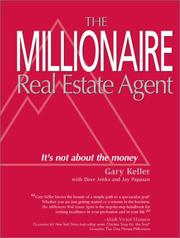
Though written for agents, its deep treatment of pricing strategy, market positioning, and value perception gives sellers an insider's understanding of how list price is set and defended.
Marketing Your Listing to Win
ExpertCraft a compelling listing, leverage photography, digital platforms, open houses, and targeted outreach to attract the maximum number of qualified buyers.
▸ Study plan for this stage
Pace: 4–5 weeks, ~25–30 pages/day, with 2–3 days per week dedicated to hands-on exercises and real estate application
- Crafting compelling copy that speaks directly to buyer pain points and desires, using proven copywriting formulas from Bly's framework
- Understanding digital marketing channels (email, social media, content marketing, paid ads) and how to allocate budget strategically for real estate listings
- Building a cohesive marketing narrative that positions a property as the solution to a buyer's lifestyle or investment goals
- Leveraging data and analytics to measure campaign performance and optimize listing visibility across platforms
- Creating urgency and scarcity messaging ethically to drive qualified buyer interest and showings
- Segmenting audiences and tailoring messaging to different buyer personas (first-time buyers, investors, families, etc.)
- Integrating photography, virtual tours, and visual storytelling into a multi-channel digital marketing strategy
- Designing an open house experience that converts foot traffic into serious leads through strategic messaging and follow-up
- How would you apply Bly's copywriting principles to write a listing headline and description that compels a specific buyer persona to schedule a showing?
- What are the key digital marketing channels available for real estate, and how would you allocate a marketing budget across them based on your target buyer?
- How can you use data and analytics to identify which marketing tactics are driving qualified leads versus just traffic?
- What psychological triggers and persuasion techniques from Bly's framework can you ethically use to create urgency around a listing without being deceptive?
- How would you design a multi-channel marketing campaign (email, social, paid ads, open house) that tells a cohesive story about a property?
- What metrics would you track to measure the ROI of your digital marketing efforts for a specific listing?
- Rewrite a bland property listing using Bly's copywriting formulas (AIDA model, benefit-driven language, power words); compare your version to the original and test it with 3–5 real estate professionals for feedback
- Audit a competitor's digital marketing for a comparable property: analyze their email campaigns, social media posts, and paid ads; identify what's working and what's missing
- Create a detailed buyer persona for a property you're marketing (e.g., young professional, growing family, investor); write three different listing variations tailored to each persona
- Design a 4-week digital marketing calendar for a single listing, specifying which channels you'll use each week (email, Facebook, Instagram, Google Ads), what message you'll send, and why
- Photograph or gather images of a property, then write compelling captions and descriptions for each image using Bly's storytelling techniques; post to social media and track engagement
- Plan and execute a mock open house marketing campaign: create email invitations, social media ads, and in-person signage using persuasive copy; measure attendance and lead quality
Next up: This stage equips you with the digital marketing and copywriting toolkit to attract maximum buyer interest; the next stage will focus on converting that interest into closed sales through negotiation, objection handling, and closing strategies.

Grounds you in the digital marketing principles — SEO, social media, email, and paid ads — that directly apply to promoting a home listing online where most buyers begin their search.
Discussion
Keep reading
Paths that share books, cover the same subject, or open a related topic.