How to Become a Professor: Best Books on the Academic Career Path, in Order
This curriculum guides an intermediate-level reader through the full arc of an academic career — from surviving graduate school, to publishing and building a scholarly identity, to navigating the brutal professor job market and thriving (or deciding not to) in the professoriate. Each stage builds on the last: you must understand the training pipeline before you can strategize about publishing, and you must understand publishing before you can compete on the job market. The tone throughout is honest and unsentimental, matching the learner's request for clear-eyed guidance.
Surviving & Understanding Graduate School
IntermediateUnderstand what graduate school actually is — its hidden curriculum, its culture, and its psychological demands — so you can navigate it strategically rather than reactively.
▸ Study plan for this stage
Pace: 4–5 weeks, ~40–50 pages/day (with reflection breaks). The book is ~300 pages; plan for 2–3 days per major section, with weekends reserved for synthesis and personal reflection on your own program.
- The hidden curriculum of graduate school: unwritten rules, expectations, and power dynamics that aren't in the official handbook
- Advisor relationships as the central axis of graduate success—how to identify, approach, and work productively with mentors
- Time management and productivity in a self-directed environment where structure is minimal and demands are infinite
- Recognizing and navigating departmental politics, funding hierarchies, and the informal status systems within academia
- Mental health and emotional resilience: understanding imposter syndrome, isolation, and burnout as structural features, not personal failures
- The difference between what graduate school officially promises and what it actually delivers—managing expectations strategically
- Building a sustainable research identity and learning to think like a scholar rather than a student
- What is the 'hidden curriculum' of graduate school, and how does it differ from the official program requirements?
- Why is the advisor relationship so critical to graduate success, and what are the red flags for a poor advisor match?
- How should you approach time management when there are no fixed deadlines and your advisor's expectations may be unclear?
- What are the common psychological and emotional challenges of graduate school, and how can you distinguish between normal struggles and signs you need to seek support?
- How do departmental politics and funding structures shape your actual experience, and how can you navigate them without compromising your integrity?
- What strategies does Peters recommend for maintaining productivity and motivation over a multi-year program?
- Map your own department's informal hierarchy: identify who has influence, where funding flows, and who the 'invisible advisors' are (people who informally mentor students). Write a 1-page analysis of the actual power structure versus the official org chart.
- Interview 2–3 current graduate students or recent graduates in your field (outside your immediate cohort if possible) about their advisor relationships, using Peters' framework to identify what made those relationships work or fail. Document patterns.
- Audit your current time use for one full week: track how you actually spend your hours, then compare it to how you think you spend them. Identify time leaks and one concrete change you'll make based on Peters' productivity principles.
- Write a 'graduate school contract' with yourself: define your non-negotiables (mental health, family time, sleep, etc.) and your research priorities. Revisit it monthly to see if reality matches your intentions.
- Identify your own advisor (if you have one) or a potential advisor and assess the relationship against Peters' criteria for a good mentor. Write a reflection on what's working and what needs adjustment.
- Create a 'reality check' document: list what you expected graduate school to be versus what it actually is so far. Use this to identify where your expectations need recalibration and where you need to advocate for change.
Next up: By understanding graduate school's actual structure, culture, and psychological demands, you'll be equipped to move into the next stage—developing concrete research skills and productivity systems—with realistic expectations and a strategic mindset rather than naive idealism.

The canonical practical guide to graduate school: choosing programs, surviving the dissertation, and managing advisors. Read this first to build a clear map of the entire pipeline you are entering.
A brutally honest memoir of a Stanford CS PhD that exposes the day-to-day reality of research life, advisor dynamics, and the gap between expectation and experience. Grounds the abstract advice of Peters in lived reality.
Builds the critical-thinking and evidence-evaluation habits that underpin all scholarly work, preparing you for the intellectual demands of the stages ahead.
Writing, Publishing & Building a Scholarly Identity
IntermediateLearn how academic writing and publishing actually work — from the dissertation to journal articles to the first book — and understand how a scholarly reputation is built.
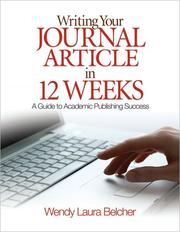
The most practical, step-by-step guide to producing and submitting peer-reviewed articles. Read this before tackling book publishing because articles are the currency of most academic job markets.

Demystifies the process of transforming a dissertation into a publishable academic monograph — a critical milestone for humanities and social-science careers. Follows Belcher naturally as the next publishing challenge.

Challenges the assumption that turgid prose is a mark of rigor, and shows — with evidence — how clear, engaging writing improves both publication success and scholarly impact.
Teaching & the Full Faculty Role
IntermediateDevelop a realistic, evidence-based understanding of what teaching in higher education involves, so you can perform competently in the classroom and articulate a teaching philosophy on the job market.
▸ Study plan for this stage
Pace: 8–10 weeks, ~40–50 pages/day (mix of reading and reflection)
- Student learning as the primary goal: understanding how students actually learn and what motivates deep engagement with material
- The importance of course design and structure: how syllabi, assessments, and learning objectives shape the entire teaching experience
- Active learning and classroom practices: concrete techniques (low-stakes quizzes, peer instruction, metacognitive prompts) that improve retention and understanding
- Feedback loops and formative assessment: using frequent, low-stakes feedback to diagnose student understanding and adjust teaching in real time
- Building a teaching philosophy: articulating your values, evidence-based practices, and approach to student development for job applications and interviews
- Incremental, sustainable change: how small, deliberate modifications to teaching can compound into significant improvements without overwhelming workload
- Inclusivity and diverse learners: designing courses and interactions that support students with different backgrounds, learning styles, and prior knowledge
- What does Bain identify as the core difference between what the best teachers do versus average teachers, and how does this relate to student learning outcomes?
- How should you structure a course syllabus and first day of class to establish learning-centered expectations and psychological safety?
- What are 3–4 specific low-stakes assessment techniques from Lang's book, and when/how would you use each one in your own teaching?
- How do you design a single lesson or unit to incorporate active learning, feedback, and metacognitive reflection without overcomplicating it?
- What is your emerging teaching philosophy, and how would you articulate it in a job application or teaching statement?
- How can you identify one or two high-impact changes to make to an existing course based on evidence from these books?
- Read and annotate Chapters 1–3 of Bain; write a 1-page reflection on how the 'best teachers' differ from your own past instructors and what surprised you most.
- Design a course syllabus for a class you might teach (real or hypothetical), incorporating learning objectives, a clear grading structure, and at least one statement about your teaching values.
- Choose one chapter from Lang's book and implement one small-teaching technique (e.g., a one-minute paper, a muddiest-point question, or a peer-review activity) in a real or mock lesson; document what you tried and what you observed.
- Conduct a 'teaching audit' of a course you've taken or taught: identify 2–3 moments where formative feedback could have improved learning, and propose specific interventions.
- Write a 2–3 page teaching statement that articulates your philosophy, your approach to student learning, and 2–3 evidence-based practices you commit to using.
- Create a semester-long lesson plan for one unit (3–4 weeks) that incorporates at least two active-learning strategies and a feedback loop; share it with a peer or mentor for critique.
Next up: This stage equips you with concrete, evidence-based teaching practices and a coherent teaching philosophy, preparing you to move into the next stage—whether that involves designing full courses, managing the research-teaching balance, or navigating the job market with confidence in your pedagogical approach.

A research-grounded study of what distinguishes exceptional college teaching. Essential reading before you step into a classroom or write a teaching statement for job applications.
Translates cognitive science into concrete, low-effort classroom interventions. Builds directly on Bain by giving you actionable techniques rather than just inspiring portraits.
The Academic Job Market — Eyes Wide Open
ExpertUnderstand the structural realities of the professor job market — its odds, its politics, its rituals, and its alternatives — so you can compete strategically and make clear-eyed career decisions.
▸ Study plan for this stage
Pace: 8–10 weeks, ~40–50 pages/day (approximately 2 weeks per book with time for reflection and exercises)
- The academic job market is fundamentally precarious: most PhD holders will not secure tenure-track positions, and the market has contracted significantly over decades
- Strategic self-presentation and 'branding' are essential survival tools—your CV, cover letters, research narrative, and professional persona must be deliberately crafted for your target audience
- The hidden curriculum of academia includes unwritten rules about networking, mentorship, publication timing, and institutional politics that determine success as much as scholarly merit
- Alternative careers outside academia are viable, legitimate, and often more sustainable than the tenure track, requiring intentional planning and skill translation
- Understanding your own values, risk tolerance, and life goals is prerequisite to making a clear-eyed decision about whether to pursue, pivot, or exit academia
- What are the actual statistical odds of securing a tenure-track position in your field, and what structural factors have shaped the current job market?
- How do you strategically position yourself as a candidate through your CV, cover letter, research statement, and professional brand?
- What are the unwritten rules and political dynamics within academic departments and hiring committees that influence outcomes?
- What are realistic alternative career paths for someone with a PhD or advanced degree, and what skills do you need to translate your academic training into non-academic roles?
- How do you conduct a personal values assessment to determine whether the tenure track, alternative academia, or a non-academic career aligns with your priorities and constraints?
- What red flags should you watch for in a job offer, department culture, or mentorship relationship to avoid toxic or exploitative situations?
- Create a detailed 'market reality audit' for your specific field: research job listings, talk to recent PhDs, and document actual placement rates, salary ranges, and time-to-hire data
- Draft or revise your CV, cover letter, and research statement using Kelsky's frameworks; have a mentor or peer review them against her criteria for clarity, narrative coherence, and strategic positioning
- Conduct informational interviews with 3–5 people: at least one successful tenure-track hire, one person who left academia, and one person in an alternative academic role (postdoc, research scientist, teaching-focused position); document their decision-making process and lessons learned
- Map the hidden curriculum in your own department or field: identify unwritten rules about publishing, mentorship, service, and advancement; note where they align or conflict with your values
- Design a personal decision matrix: list your non-negotiables (salary, location, work-life balance, research freedom, teaching load, etc.) and score 3–4 realistic career paths (tenure track, postdoc, industry, alt-ac) against these criteria
- Write a 2–3 page 'exit strategy' or 'pivot plan' that outlines concrete steps, timeline, and skill-building needed if you decide to leave academia or transition to an alternative path
Next up: This stage equips you with unflinching clarity about the market, the politics, and your own priorities—essential groundwork before the next stage, which will focus on tactical execution: how to actually build a competitive application, navigate the hiring process, and secure your chosen position (whether in academia or beyond).
The most comprehensive and unflinching guide to the academic job market: applications, cover letters, interviews, campus visits, and negotiation. Read this as you enter the market, not after.

A frank account of transitioning out of academia that every PhD candidate should read — not to be discouraged, but to make an informed choice about whether and how hard to pursue the tenure track.
Thriving (or Surviving) as a Faculty Member
ExpertFor those who land a position: understand the tenure process, the politics of academic departments, and how to sustain a productive scholarly life over the long term.
▸ Study plan for this stage
Pace: 4–5 weeks, ~40–50 pages/day (accounting for dense practical content and note-taking)
- The tenure timeline and key milestones: understanding what happens at each stage from hire to tenure decision
- Strategic documentation and evidence-gathering: how to systematically build a compelling tenure file from day one
- Teaching, research, and service balance: navigating the competing demands and knowing where to invest effort for tenure success
- Department politics and relationship-building: identifying allies, understanding power dynamics, and protecting yourself professionally
- Productivity systems for long-term scholarly output: developing sustainable research habits and writing practices that survive the tenure clock
- Common tenure pitfalls and how to avoid them: recognizing red flags in your department and institution that signal tenure risk
- Negotiating expectations and workload: setting boundaries and clarifying tenure criteria early to prevent misalignment
- What are the critical milestones in the tenure process at your institution, and what evidence should you be gathering at each stage?
- How does Russell James recommend organizing and documenting your work to build a strong tenure file?
- What are the key differences between how teaching, research, and service are weighted in tenure decisions, and how should you allocate your time accordingly?
- What department political dynamics does James identify as most dangerous to tenure success, and how can you navigate them?
- What are 3–5 specific productivity hacks or systems that James recommends for sustaining scholarly output over a 6–7 year tenure track?
- What are the most common tenure mistakes James warns against, and what early warning signs suggest your tenure case is at risk?
- Create a personal tenure timeline: map out your institution's specific tenure milestones, review dates, and decision points; identify what evidence you need to gather by each checkpoint
- Audit your current documentation system: review how you're currently tracking publications, teaching evaluations, service contributions, and grants; redesign it to match James's recommended structure
- Conduct a department politics assessment: identify key stakeholders in your tenure decision (chair, senior colleagues, committee members); map their interests, influence, and relationship to you; develop a relationship-building strategy
- Draft a research sustainability plan: outline a realistic 6–7 year research agenda with concrete milestones; identify potential bottlenecks and design systems (writing groups, sabbatical plans, etc.) to maintain momentum
- Interview a recently tenured colleague: ask them which of James's recommendations they found most valuable, which they ignored, and what surprised them about the actual tenure process at your institution
- Create a workload negotiation document: clarify your institution's tenure criteria in writing (teaching load, research expectations, service requirements); identify where you have flexibility and where you need to push back
Next up: This stage equips you with the tactical knowledge and systems to survive and succeed in the tenure process itself; the next stage will likely explore how to thrive *beyond* tenure—building a sustainable, fulfilling long-term academic career and leadership role in your field.
Exposes the hidden rules and unspoken norms of academic culture that disadvantage first-generation and underrepresented scholars — essential for anyone who didn't grow up inside the academy.

A data-driven, practical guide to the tenure process — how decisions are actually made, what committees look for, and how to build a record that survives review. Caps the curriculum with the finish line in sight.
Discussion
Keep reading
Paths that share books, cover the same subject, or open a related topic.