Learn public relations: shape the story
This curriculum takes a beginner from the core concepts of public relations all the way through advanced reputation management, crisis communications, and strategic media influence. Each stage builds on the last — starting with the "why" and vocabulary of PR, moving into the craft of pitching and storytelling, then into crisis and reputation strategy, and finally into the broader strategic and ethical dimensions that define expert-level practice.
Foundations of PR
BeginnerUnderstand what public relations is, how it differs from advertising and marketing, and how the media ecosystem works from a PR perspective.
▸ Study plan for this stage
Pace: 8–10 weeks total. Weeks 1–4: "The Fall of Advertising and the Rise of PR" by Al Ries (~25–30 pages/day, reading in focused sittings of 45–60 min). Weeks 5–10: "Public Relations Strategies and Tactics" by Dennis L. Wilcox (~30–35 pages/day; this is a longer, denser textbook — allow extra time for not
- The core argument of Ries: advertising has lost credibility and PR — not advertising — is the primary tool for building brands in the modern era
- The distinction between PR, advertising, and marketing: PR earns media coverage and third-party credibility; advertising buys space; marketing is the broader strategic umbrella
- The concept of 'third-party endorsement' — why a story in a newspaper or on a broadcast carries more persuasive weight than a paid ad
- The media ecosystem from a PR perspective: earned media vs. paid media vs. owned media, and how PR practitioners navigate each
- Wilcox's definition of PR and its core functions: research, planning, communication, and evaluation (the RPCE process)
- Key publics and stakeholders: how PR identifies, segments, and prioritizes the audiences it needs to reach
- The history and evolution of PR as a profession — from press agentry and propaganda roots (Barnum, Bernays) to modern ethical practice as outlined in Wilcox
- Ethical and legal foundations of PR: the PRSA Code of Ethics, truthfulness, transparency, and the practitioner's dual obligation to client and public
- According to Ries, why has advertising declined in effectiveness, and what specific advantages does PR hold over advertising for brand-building? Use at least two examples from the book.
- How does Wilcox define public relations, and how does that definition distinguish PR from advertising and marketing in terms of goals, methods, and audiences?
- What is 'earned media,' and why does Ries argue it is more valuable than paid media for establishing brand credibility?
- Who are the key 'publics' a PR practitioner must consider, and how does Wilcox's RPCE framework guide the process of reaching them?
- What ethical obligations does a PR professional have, according to Wilcox, and how do those obligations create tension between serving a client and serving the public interest?
- How has the role of PR evolved historically — from early press agentry to the modern profession — and what does that evolution reveal about PR's relationship with the media?
- **Brand Audit (Ries-inspired):** Pick two competing brands in any industry. Research how each built its initial public awareness — through advertising campaigns or through PR/media coverage. Write a one-page analysis arguing which approach was more effective and why, drawing on Ries's framework.
- **Earned vs. Paid Media Log:** For one full week, keep a daily log of every brand message you encounter. Categorize each as earned, paid, or owned media. At the end of the week, reflect in writing: which category felt most credible to you, and does your experience support or challenge Ries's thesis?
- **Stakeholder Mapping Exercise (Wilcox-inspired):** Choose a real organization (a local business, nonprofit, or university). Using Wilcox's concept of 'key publics,' identify and map at least six distinct stakeholder groups, describe what each group wants from the organization, and explain how PR messaging might differ for each.
- **RPCE Mini-Plan:** Select a simple, hypothetical PR scenario (e.g., a local restaurant opening, a nonprofit fundraiser). Draft a one-to-two page PR plan structured around Wilcox's four-step RPCE process: Research, Planning, Communication, and Evaluation — defining concrete goals and tactics for each step.
- **Ethics Case Study:** Find a real-world PR crisis (e.g., a product recall, a corporate scandal). Using the PRSA Code of Ethics as described by Wilcox, evaluate how the organization's PR response did or did not meet professional ethical standards. Write a half-page verdict.
- **Vocabulary Flashcards:** As you read both books, build a running glossary of at least 20 PR-specific terms (e.g., publics, press release, media relations, spin, third-party endorsement, agenda-setting). Quiz yourself at the end of each week to reinforce the professional vocabulary of the field.
Next up: By internalizing how PR differs from advertising, how the media ecosystem works, and how practitioners identify audiences and plan campaigns, the reader has the conceptual vocabulary and strategic mindset needed to move into more advanced PR skills — such as crafting press materials, managing media relationships, and executing full campaigns.
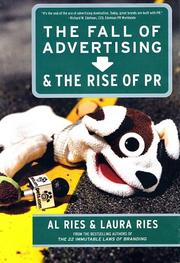
A provocative but clarifying read that defines PR's unique power — earned credibility — and distinguishes it sharply from paid media. It gives beginners an immediate mental model for why PR matters and how it works differently from other communications disciplines.

The canonical university-level textbook for PR, covering earned media, press relations, messaging, publics, and ethics in a structured, accessible way. Read second to put the provocative ideas from Ries into a rigorous professional framework.
The Craft: Writing, Pitching, and Working with Press
BeginnerMaster the hands-on skills of PR — writing press releases and pitches, building journalist relationships, and getting stories placed in media.
▸ Study plan for this stage
Pace: 8–10 weeks total: Week 1–3 — "Pitch Anything" (~25 pages/day); Week 4–7 — "Made to Stick" (~20 pages/day); Week 8–10 — "The Elements of Style" (read cover-to-cover once, then re-read with active annotation, ~15 pages/day). Dedicate at least 2 sessions per week to writing practice alongside the readi
- The STRONG method (Setting the Frame, Telling the Story, Revealing the Intrigue, Offering the Prize, Nailing the Hookpoint, Getting a Decision) from 'Pitch Anything' as the structural backbone of any PR pitch
- Frame control and status dynamics — understanding how journalists hold frame and how to enter their world without losing your story's power, per Klaff
- The SUCCESs model from 'Made to Stick' (Simple, Unexpected, Concrete, Credible, Emotional, Stories) as a checklist for every press release and media pitch you write
- The 'Curse of Knowledge' from 'Made to Stick' — recognizing when insider jargon or assumed context kills a story's clarity for a general audience
- Finding the 'core' of a story: distilling a client's message to a single, commander's-intent sentence before writing anything, as Heath prescribes
- Omit needless words — Strunk's foundational rule applied directly to press releases, subject lines, and email pitches where every word must earn its place
- Active voice and definitive assertion — Strunk's insistence on vigorous, direct prose as the standard for all PR writing
- The anatomy of a press release: how 'The Elements of Style' rules of composition map onto the inverted-pyramid structure journalists expect
- Using Klaff's STRONG method, how would you structure a 150-word email pitch for a product launch — what goes in each frame?
- What is the 'Curse of Knowledge' as described in 'Made to Stick,' and give a concrete example of how it can derail a press release written by a subject-matter expert?
- Name all six elements of the SUCCESs model and explain how each one applies specifically to a media pitch rather than an advertisement or speech.
- According to Strunk in 'The Elements of Style,' what are the three most common ways writers weaken their prose, and how do you correct each in a press release context?
- How do the frame-control principles in 'Pitch Anything' change the way you write a pitch subject line and opening sentence?
- How would you combine a 'concrete' and 'unexpected' hook from 'Made to Stick' with Strunk's rule of active voice to write a compelling press release headline?
- STRONG Pitch Sprint: Choose a real or fictional brand and write a 200-word journalist email pitch using Klaff's STRONG framework as explicit section headers. Then rewrite it removing the headers — the structure should still be felt.
- SUCCESs Audit: Take any existing press release (find one via PR Newswire or a company newsroom) and score it 1–5 on each of the six SUCCESs elements from 'Made to Stick.' Rewrite the weakest two elements.
- Curse-of-Knowledge Translation: Ask a friend in a technical field to explain their work in one paragraph. Rewrite it as a press release lede using only concrete, jargon-free language — then read both aloud and compare.
- Strunk Edit Pass: Write a 300-word press release first draft, then apply 'The Elements of Style' rules in a dedicated editing pass: eliminate every passive construction, cut every needless word, and replace every vague noun with a specific one. Track your word-count reduction.
- Headline Factory: Write 10 press release headlines for the same story. For each, note which SUCCESs element it leans on and whether it follows Strunk's rule of definitive, concrete language. Pick the best and justify your choice in writing.
- Cold Pitch Simulation: Draft a pitch email to a real journalist at a publication you read regularly (you don't have to send it). Apply Klaff's frame-control opening, a Made-to-Stick 'unexpected' hook, and a Strunk-clean closing ask. Peer-review it with someone who can play the role of a skeptical editor.
Next up: Mastering the craft of writing and pitching creates the technical foundation needed to zoom out and understand how PR campaigns are strategically planned, measured, and managed at an organizational level — the focus of the next stage.

Teaches the psychology of how attention and framing work when you're trying to get someone — a journalist, an editor, a producer — to care about your story. Builds the persuasion intuition that underlies every great pitch.
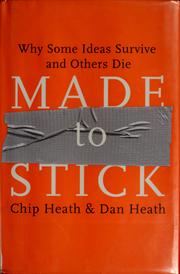
Explains why some ideas spread and others die, using the SUCCESs framework (Simple, Unexpected, Concrete, Credible, Emotional, Stories). Essential for crafting messages and narratives that journalists will actually want to write about.

The definitive guide to clear, concise writing — a non-negotiable skill for press releases, media pitches, and executive communications. Short enough to read in an afternoon, but its discipline will shape every word you write in PR.
Reputation, Narrative, and Strategic Messaging
IntermediateLearn how to proactively build and protect a brand or individual's reputation, shape long-term narratives, and think strategically about public perception.
▸ Study plan for this stage
Pace: 6–8 weeks total. Week 1–3: Read "Spin Sucks" (~20–25 pages/day, including the PESO Model chapters carefully). Week 4–6: Read "Crystallizing Public Opinion" (~15–20 pages/day, pausing to annotate Bernays' foundational arguments). Week 7–8: Review, synthesize both books, and complete capstone exercise
- The PESO Model (Paid, Earned, Shared, Owned media) as a strategic framework for integrated PR, introduced in Spin Sucks
- Ethical vs. manipulative PR: Dietrich's argument that transparency and honesty are not just moral imperatives but competitive advantages
- The origins and mechanics of public opinion formation, as analyzed by Bernays in Crystallizing Public Opinion
- The 'public relations counsel' role: Bernays' vision of the PR professional as a strategic advisor who interprets the public to an organization and the organization to the public
- Narrative control vs. narrative shaping: the difference between reactive spin and proactive long-term storytelling, threaded across both books
- Crystallization of opinion: how latent, unformed public attitudes are solidified into firm beliefs through deliberate messaging and symbol use (Bernays)
- Reputation as a long-term asset: Dietrich's case that sustainable reputation is built through consistent, authentic communication across all media channels
- The interplay between media, groups, and individuals in shaping perception — Bernays' sociological lens applied to modern PR strategy
- According to Dietrich, what are the four components of the PESO Model and how does integrating them protect and build a brand's reputation over time?
- How does Dietrich define 'spin,' and why does she argue it ultimately damages both the practitioner and the client — even when it works short-term?
- What does Bernays mean by 'crystallizing public opinion,' and what mechanisms (symbols, group psychology, media) does he identify as central to that process?
- How does Bernays conceptualize the role of the public relations counsel differently from a publicist or press agent, and why does that distinction matter strategically?
- In what ways do Dietrich's modern ethical framework and Bernays' early 20th-century persuasion model agree, conflict, or complement each other on the question of shaping public perception?
- How would you apply both authors' frameworks to a real-world reputation crisis — what would Bernays prescribe and what would Dietrich prescribe, and where do they diverge?
- PESO Audit: Choose a real brand or public figure and map their current communications activity onto Dietrich's PESO Model. Identify which quadrants are underdeveloped and write a one-page recommendation to strengthen them.
- Narrative Timeline: Using Bernays' concept of opinion crystallization, trace how a major public opinion shift (e.g., a brand's recovery from scandal) unfolded. Identify the symbols, spokespeople, and media channels that 'crystallized' the new narrative.
- Ethical Stress Test: Take a PR scenario where spin was used (a real case study). Rewrite the communications strategy using Dietrich's transparency-first principles and compare the likely short- and long-term outcomes.
- Reputation Statement: Draft a one-page 'reputation platform' for a brand or individual of your choice — define their core narrative, key audiences, and the owned/earned/shared content pillars that will sustain it, drawing on both the PESO Model and Bernays' audience-segmentation thinking.
- Counsel Memo: Write a 300-word memo in the voice of Bernays' 'public relations counsel,' advising a fictional organization on how to proactively shape public opinion around a controversial but legitimate initiative. Then annotate it with Dietrich's ethical lens — what would she approve or flag?
- Comparative Essay: Write a 500-word reflection on how Bernays' foundational ideas about group psychology and opinion formation are still visible (or dangerously misused) in today's digital PR landscape, using specific examples from Spin Sucks as counterpoints.
Next up: Mastering reputation-building and narrative strategy here equips the reader with the 'why' and 'what' of strategic PR, setting the stage for the next level — learning the tactical 'how': crisis communications, media relations execution, and real-time audience engagement under pressure.
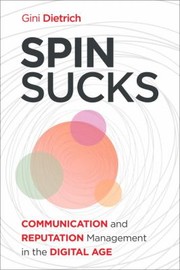
A modern, honest look at how PR must evolve in the digital age — moving away from spin and manipulation toward authentic, trust-based communications. Bridges traditional PR craft with today's social and digital media landscape.
Written by the father of public relations, this foundational text reveals how public opinion is formed and how it can be ethically shaped. Reading it at this stage gives historical and strategic depth to the tactical skills already built.
Crisis Communications and Reputation Defense
IntermediateDevelop a framework for managing crises, responding to negative press, protecting reputations under fire, and communicating effectively when everything goes wrong.
▸ Study plan for this stage
Pace: 6–7 weeks total: Weeks 1–4 on "Damage Control" (~25–30 pages/day, including re-reading combative case studies); Weeks 5–7 on "Winning the Story Wars" (~20–25 pages/day, with active note-taking on narrative frameworks). Reserve the final 2–3 days for cross-book synthesis and exercise completion.
- The 'Damage Control' doctrine: crises are won or lost in the first 24–48 hours, and the instinct to over-explain often makes things worse (Dezenhall's 'less is more' principle)
- Dezenhall's Offense vs. Defense distinction: knowing when to fight back aggressively versus when to absorb and de-escalate, and why choosing the wrong posture is fatal
- The 'Attacker's Advantage': understanding that accusers, journalists, and activists structurally hold power in a crisis and how to neutralize that asymmetry
- Triage and target-audience prioritization: not trying to win over everyone, but identifying the specific audiences whose opinion actually determines survival (regulators, core customers, investors)
- Jonah Sachs' 'Winning the Story Wars' framework: in a media-saturated world, the side that controls the moral narrative — not just the facts — wins the public battle
- The Myth Gap: Sachs' concept that brands and institutions lose crises when they fail to connect their response to a deeper, emotionally resonant story that audiences already believe
- Empowerment vs. Inadequacy marketing as applied to crisis response: Dezenhall shows what NOT to do (defensive, victim-blaming messaging); Sachs shows the constructive alternative (empowering, values-forward narrative)
- Integrating both authors: a complete crisis communications framework requires Dezenhall's strategic realism (what to fight, what to concede, when to go dark) AND Sachs' narrative architecture (how to rebuild trust through story once the acute crisis stabilizes)
- According to Dezenhall, why is the conventional PR instinct to 'get ahead of the story' with maximum transparency often counterproductive, and what should a communicator do instead in the first 48 hours of a crisis?
- What is the 'Attacker's Advantage' as described in Damage Control, and what specific tactical moves does Dezenhall recommend to neutralize it without escalating the conflict unnecessarily?
- How does Dezenhall define the difference between a 'problem' and a 'crisis,' and why does misclassifying the severity of a situation lead to strategic errors in the response?
- What is the 'Myth Gap' in Winning the Story Wars, and how does Sachs argue that filling it — rather than simply correcting false facts — is the key to winning a reputational battle?
- How can Sachs' empowerment narrative model be applied specifically to a post-crisis recovery campaign, and what pitfalls does it help avoid that Dezenhall's case studies illustrate?
- Synthesizing both books: design a two-phase crisis response — using Dezenhall's framework for the acute containment phase and Sachs' narrative tools for the reputation-rebuilding phase — for a hypothetical organization facing a product safety scandal.
- Crisis Audit (Damage Control): Select a real corporate or political crisis from the past five years. Using Dezenhall's framework, write a 1-page triage memo that (a) classifies it as problem vs. crisis, (b) identifies the true target audience, and (c) recommends an offense-or-defense posture with justification.
- 48-Hour Response Drill: Draft a crisis holding statement and a 3-bullet internal talking-points document for a hypothetical scenario (e.g., a data breach, a CEO misconduct allegation). Constrain yourself to Dezenhall's 'less is more' principle — no statement longer than 150 words.
- Attacker's Advantage Reversal Map: Choose a case from Damage Control. Draw a two-column chart listing every structural advantage the attacker held versus every counter-move the organization made (or should have made). Annotate which moves worked and why.
- Myth Gap Analysis (Winning the Story Wars): Pick a brand or institution that suffered a public crisis and analyze their public communications. Write a 500-word critique identifying where their messaging fell into the 'Myth Gap' — i.e., where they argued facts instead of telling a morally resonant story.
- Narrative Rebuild Script: Using Sachs' empowerment narrative model, write a 2-minute spokesperson video script for an organization 6 months after a crisis. The script must include: a values statement, an acknowledgment of failure reframed as a turning point, and a forward-looking call to action that positions the audience as heroes.
- Integrated Playbook: Combine both books into a one-page 'Crisis Communications Cheat Sheet' with two sections — Section 1: Dezenhall's Acute Phase Rules (do's and don'ts for days 1–14) and Section 2: Sachs' Recovery Phase Narrative Checklist (elements needed to rebuild trust through story). Share it with a peer and pressure-test it against a real case.
Next up: Mastering crisis defense and narrative control under fire builds the strategic instincts needed for the next stage, where the focus shifts from reactive reputation management to proactive brand storytelling, media relationship-building, and long-term public influence — skills that are far more effective when a communicator already understands what it costs to lose them.

Written by one of Washington D.C.'s top crisis managers, this book is a candid, battle-tested guide to defending reputations under attack. It dispels naive advice and teaches the hard truths of crisis PR — read first in this stage to set a realistic foundation.

Reframes crisis and reputation management through the lens of narrative and myth — arguing that the brands and people who survive crises are those with the most compelling, authentic stories. Complements Dezenhall's tactical approach with a deeper storytelling strategy.
Advanced Strategy: Influence, Ethics, and the Bigger Picture
ExpertThink at the highest level about PR as a strategic leadership function — understanding media power, ethical responsibility, influence at scale, and the future of the profession.
▸ Study plan for this stage
Pace: 6–8 weeks total: Weeks 1–4 for "Trust Me, I'm Lying" (~25–30 pages/day, including reflection time after each section), Weeks 5–8 for "The Anatomy of Buzz" (~20–25 pages/day with note-taking on network and word-of-mouth frameworks).
- Media manipulation and the vulnerability of the modern press ecosystem, as exposed by Ryan Holiday's confessions of a media manipulator — understanding how stories are planted, distorted, and amplified across the blog-to-mainstream pipeline
- The economics of outrage and pageview-driven journalism: how financial incentives of online media create systemic bias toward sensationalism, conflict, and half-truths, and what this means for PR practitioners operating in that environment
- Manufactured narratives vs. authentic storytelling: Holiday's distinction between exploiting media vulnerabilities and building genuine, durable public perception — and the ethical line between the two
- Strategic self-awareness for PR leaders: recognizing when your own campaigns risk becoming manipulative, and developing an internal ethical compass to govern influence at scale
- The science of word-of-mouth and organic buzz, as mapped by Emanuel Rosen — why people talk about certain products, ideas, and organizations, and the psychological and social triggers that drive peer-to-peer recommendation
- Network hubs and connectors: Rosen's framework for identifying and activating the high-influence nodes within social and professional networks to seed and sustain buzz authentically
- The Buzz Cycle: how buzz is generated, spreads, peaks, and decays — and how PR strategists can time and sustain campaigns to ride natural diffusion curves rather than fight them
- Ethics as a strategic asset: synthesizing both books to understand that long-term reputational power is built on trust, transparency, and genuine value — not manipulation — and that ethical PR is ultimately the highest-leverage PR
- According to Holiday in 'Trust Me, I'm Lying,' how does the 'trading up the chain' technique work, and what does it reveal about the structural weaknesses of modern media that every senior PR strategist must account for?
- Holiday argues that the media system he exploited is harmful not just to audiences but eventually to the brands and practitioners who use it. What are the long-term reputational risks he identifies, and how should an ethical PR leader respond to them?
- Rosen identifies specific conditions under which buzz spreads most powerfully. What are those conditions, and how can a PR strategist deliberately engineer campaigns that meet them without resorting to manufactured or deceptive tactics?
- How does Rosen's concept of 'network hubs' differ from the popular notion of 'influencers,' and why does that distinction matter when designing a high-level PR or communications strategy?
- Taken together, what do Holiday and Rosen suggest about the relationship between speed/virality and credibility/trust? How should a PR leader balance the desire for rapid amplification against the imperative to protect long-term brand equity?
- How do the ethical frameworks implied by both books inform your personal definition of responsible influence at scale — and where do you draw the line between strategic persuasion and manipulation?
- Media Audit Exercise (Holiday): Spend one week tracking 10–15 news stories in your industry from their origin (a blog post, press release, or tweet) through to mainstream coverage. Map the 'trading up the chain' pipeline Holiday describes and identify at least two moments where facts were distorted or context was lost. Write a one-page reflection on what this means for how you pitch stories.
- Ethical Red-Line Charter (Holiday): Draft a personal or organizational one-page 'PR Ethics Charter' that defines specific tactics you will and will not use, directly informed by the manipulation techniques Holiday confesses to. Share it with a peer or mentor for critique.
- Buzz Trigger Mapping (Rosen): Choose a real product, cause, or organization and apply Rosen's buzz triggers (remarkability, network effects, emotional resonance, etc.) to audit how buzz-worthy it currently is. Identify two concrete changes that would increase its organic word-of-mouth potential.
- Hub & Network Mapping (Rosen): For the same organization or campaign, draw a network map of its key stakeholder communities. Identify the top 5–10 'hub' figures (per Rosen's framework) who could seed authentic buzz, and draft a tailored outreach strategy for each — emphasizing genuine value exchange over transactional pitching.
- Synthesis Strategy Memo: Write a 2–3 page strategic memo addressed to a hypothetical C-suite client that integrates lessons from both books. The memo should explain the risks of media manipulation (Holiday), the mechanics of authentic buzz (Rosen), and recommend a campaign approach that maximizes reach and credibility while staying within ethical boundaries.
- Debate Simulation: Stage a structured debate with a colleague or study partner — one person argues for an aggressive, Holiday-style media manipulation campaign to launch a product; the other argues for a Rosen-style organic buzz strategy. Switch sides halfway through. Debrief on which arguments were hardest to counter and why.
Next up: By mastering the dark patterns of media manipulation (Holiday) and the science of authentic influence networks (Rosen), the reader is now equipped to think about PR not just as a craft but as a leadership discipline — perfectly positioned to explore how these strategic and ethical principles translate into organizational leadership, crisis governance, and the evolving future of the profession.
A former media manipulator's confession about how modern media is gamed — essential reading for any advanced PR practitioner who needs to understand the ecosystem they operate in, including its vulnerabilities and ethical landmines.
Explores how word-of-mouth and organic buzz actually spread, giving advanced practitioners a research-grounded model for engineering genuine public enthusiasm rather than relying on press alone. A fitting capstone that ties together messaging, media, and reputation into a unified theory of influence.
Discussion
Keep reading
Paths that share books, cover the same subject, or open a related topic.