The Best Books on Papermaking, in Order
This curriculum takes a beginner from their very first sheet of handmade paper all the way through advanced fiber preparation, mold-and-deckle construction, and artistic papermaking traditions. Each stage builds on the last — starting with hands-on fundamentals, moving into deeper craft knowledge, and finally exploring the art and history that will inspire a lifelong practice.
First Sheets: Foundations of Hand Papermaking
BeginnerUnderstand the complete basic process — pulp preparation, sheet formation on a mold and deckle, couching, pressing, and drying — well enough to make your first successful sheets from recycled scraps.
▸ Study plan for this stage
Pace: 4–5 weeks, ~20–25 pages/day, with 2–3 hands-on practice days per week
- Pulp preparation: breaking down plant fibers and recycled paper into usable pulp through soaking, cooking, and beating
- The mold and deckle: how these tools work together to form a sheet, the importance of proper screen tension, and how to use them correctly
- Sheet formation: understanding fiber suspension, water drainage, and the moment when fibers bond into a cohesive sheet
- Couching: the technique of transferring wet sheets from the mold onto felt or absorbent material without tearing
- Pressing and drying: how to remove water and set the sheet's final characteristics through controlled pressure and air circulation
- Using garden plants and common weeds as fiber sources: identifying suitable plants, harvesting, and processing them into papermaking material
- Troubleshooting common beginner mistakes: uneven sheets, holes, weak fibers, and improper water drainage
- What are the main steps in preparing pulp from recycled paper or plant material, and why is each step necessary?
- How do the mold and deckle work together to form a sheet, and what role does water drainage play in this process?
- What is couching, and what techniques help prevent tearing or damaging the wet sheet during transfer?
- How do pressing and drying affect the final appearance, strength, and texture of your paper?
- Which garden plants and common weeds can be used for papermaking, and how do you prepare them?
- What are three common mistakes beginners make, and how do you identify and fix them?
- Make your first sheet using recycled white office paper to master the basic mold-and-deckle technique before moving to plant fibers
- Prepare pulp from at least two different plant sources (e.g., cattails, okra, or garden trimmings) and document the differences in fiber quality and sheet characteristics
- Practice the couching motion 10 times with scrap sheets to build muscle memory and confidence before making sheets you intend to keep
- Create a series of 5 test sheets with intentional variations (different beating times, water ratios, or pressing pressures) and compare the results
- Harvest, process, and cook plant material from your garden or local area, then turn it into a finished sheet from start to finish
- Troubleshoot a deliberately flawed sheet (e.g., one with holes or uneven thickness) by identifying what went wrong and making a corrected version
Next up: This stage equips you with hands-on mastery of the core papermaking process and confidence in basic sheet formation, preparing you to explore advanced techniques such as adding inclusions (flowers, fibers, pigments), creating textured surfaces, and developing a personal aesthetic in the next stage.

A gentle, beautifully illustrated entry point that demystifies pulp by starting with familiar plant materials. It introduces all core vocabulary (pulp, slurry, couching, deckle) without overwhelming a beginner.
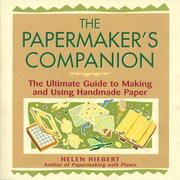
The most comprehensive beginner-to-intermediate handbook in print. Read this second so the vocabulary from the first book makes the detailed instructions on molds, deckles, beating, and sheet formation immediately click.
Craft & Equipment: Molds, Deckles, and the Workshop
IntermediateLearn to select, build, and use different mold-and-deckle types (Western laid, wove, and Eastern), set up a proper papermaking studio, and expand your fiber palette beyond recycled paper.
▸ Study plan for this stage
Pace: 4–5 weeks, ~25–30 pages/day, with 2–3 dedicated studio practice days per week
- Anatomy and function of Western laid and wove molds and deckles, and how their design affects fiber orientation and paper characteristics
- Construction principles for building or modifying molds and deckles suited to different paper weights and fiber types
- Eastern papermaking techniques and equipment (kozo, washi traditions) and how they differ fundamentally from Western approaches
- Fiber preparation and processing beyond recycled paper: sourcing, beating, sizing, and refining natural fibers (cotton, abaca, flax, plant materials)
- Workshop layout, safety protocols, and essential equipment for a functional home or small-scale studio
- Practical troubleshooting: screen tension, drainage, fiber consistency, and how equipment choices impact final paper quality
- Sustainable material sourcing and fiber experimentation as core to expanding your papermaking practice
- What is the functional difference between a laid mold and a wove mold, and how does each affect the appearance and properties of finished paper?
- How do you construct or modify a mold and deckle, and what materials and tools are essential for this work?
- What are the key differences between Western and Eastern papermaking equipment and techniques, and why might you choose one approach over the other?
- How do you prepare and process raw fibers (such as cotton, abaca, or plant materials) for papermaking, and what role does beating play?
- What are the critical elements of a safe, efficient papermaking studio, and how should you organize your workspace for different fiber types?
- How do equipment choices (mold type, screen tension, vat size) directly influence the quality, texture, and consistency of your finished paper?
- Build or assemble a basic Western wove mold and deckle from raw materials (wood, stainless steel screen, or recycled components), documenting each step and testing its performance with recycled paper pulp
- Construct a laid mold using traditional spacing techniques, then make a series of test sheets to compare the visual and tactile differences between laid and wove papers side by side
- Source and process at least three raw plant fibers (e.g., cotton linter, abaca, flax, or local plant material), beating each to different degrees and documenting how fiber length and consistency affect sheet formation
- Design and sketch a functional papermaking studio layout for your space, identifying water sources, drainage, storage for fibers and finished sheets, safety equipment, and workflow zones
- Make a series of experimental papers using your new mold and deckle with at least two different fiber types, adjusting vat consistency and technique to achieve varied results; keep detailed notes on each trial
- Research and attempt one Eastern papermaking technique (such as a simple kozo or washi-inspired method) using available materials, comparing the process, equipment, and final paper to your Western approach
Next up: Mastering mold selection, fiber preparation, and studio setup provides the technical foundation and material confidence needed to move into advanced techniques such as forming specialty papers, layering fibers, and creating textured or embedded surfaces.

Broadens the learner's view of fiber sources, beating methods, and formation aids, reinforcing intermediate technique with clear photography and project-based instruction.
Eastern Traditions: Japanese and Asian Papermaking
IntermediateUnderstand the nagashi-zuki (Eastern) method, kozo and other bast fibers, and the philosophical and technical differences between Eastern and Western papermaking traditions.
▸ Study plan for this stage
Pace: 4–5 weeks, ~20–25 pages/day, with 2–3 days per week dedicated to hands-on practice and reflection
- The nagashi-zuki technique: formation, water flow, and fiber manipulation in Eastern papermaking
- Kozo (mulberry bast fiber) and other traditional Asian fibers: harvesting, processing, and properties that distinguish them from Western pulps
- The philosophical foundations of washi: connection to nature, seasonality, and the role of the papermaker as craftsperson
- Technical differences between Eastern and Western traditions: fiber length, formation methods, sizing, and finishing
- The historical and cultural context of washi in Japanese society and its regional variations
- The relationship between tool design (screens, molds, vats) and the nagashi-zuki method
- Sustainability and traditional knowledge in fiber preparation and papermaking cycles
- What is nagashi-zuki and how does the continuous water flow during sheet formation differ from Western couching methods?
- Describe the properties of kozo fiber and explain why it is prized in traditional Japanese papermaking compared to other plant fibers.
- How do the philosophical approaches to papermaking differ between Eastern and Western traditions, and what role does nature play in each?
- What are the key steps in preparing bast fibers like kozo from the plant to usable pulp, and why is this process important to the final paper quality?
- How do the tools and equipment used in nagashi-zuki (screen design, vat configuration, beating methods) reflect the technical principles of the method?
- What regional variations exist in Japanese washi production, and how do local materials and traditions influence the characteristics of different papers?
- Read and annotate Chapters 1–2 of Hughes, focusing on the history and cultural significance of washi; create a timeline of key developments in Japanese papermaking.
- Prepare a detailed comparison chart: nagashi-zuki vs. Western sheet formation, listing at least 8 technical and philosophical differences.
- Source and examine samples of kozo, mitsumata, and gampi fibers (or high-quality washi papers made from these); document their tactile and visual properties in a journal.
- Practice basic fiber preparation: cook and beat plant material (flax, abaca, or similar bast fiber) following traditional principles described in Hughes; observe how fiber length and consistency affect formation.
- Conduct a close reading of Hughes's descriptions of regional washi centers (e.g., Kurotani, Echizen); create a regional profile for at least two centers, noting their signature papers and techniques.
- Attempt a simplified nagashi-zuki formation using a traditional-style screen and vat (or improvised equivalent); focus on understanding water flow and fiber behavior rather than producing perfect sheets.
Next up: This stage establishes the technical and philosophical foundation of Eastern papermaking, preparing you to explore how contemporary makers blend traditional methods with modern innovation, or how washi principles apply to sustainable and experimental papermaking practices.

The definitive English-language study of Japanese washi — its fibers, tools, and regional traditions. Reading this opens up an entirely different technical vocabulary (formation aid, kozo, tororo-aoi) that enriches any papermaker's practice.
Advanced Practice: Fiber, Surface, and Artistic Possibility
ExpertMaster advanced fiber preparation (cooking, beating, additives), explore decorative and sculptural applications, and develop a personal artistic voice in handmade paper.
▸ Study plan for this stage
Pace: 6–8 weeks, ~40–50 pages/day with 2–3 days per week dedicated to hands-on studio practice
- Advanced fiber preparation techniques: cooking methods (soda ash, lime, caustic soda), beating/refining for different fiber characteristics, and pH control
- Chemical additives and their effects: sizing agents, dyes, retention aids, and how they modify paper properties and aesthetics
- Fiber selection and blending strategies: understanding how different plant fibers (cotton, abaca, kozo, hemp) behave individually and in combination
- Decorative surface techniques: watermarking, inclusions, lamination, and surface manipulation to create visual and tactile interest
- Sculptural and three-dimensional papermaking: forming paper beyond the sheet, structural integrity, and artistic expression through form
- Personal artistic voice development: translating technical mastery into intentional aesthetic choices and conceptual frameworks
- Documentation and experimentation protocols: systematic record-keeping of fiber treatments, additives, and results for reproducibility and innovation
- What are the primary cooking methods for fiber preparation, and how do different alkaline treatments (soda ash vs. caustic soda) affect fiber properties and final paper characteristics?
- How does beating intensity and duration influence fiber morphology, and what visual and tactile outcomes result from different beating regimens?
- What role do sizing agents, dyes, and retention aids play in papermaking, and how do you select and apply them to achieve specific aesthetic or functional goals?
- How can you create decorative effects through watermarking, inclusions, and surface manipulation, and what are the technical considerations for each method?
- What structural and conceptual approaches enable you to move beyond flat sheets into sculptural and three-dimensional paper forms?
- How do you develop a coherent personal artistic voice in handmade papermaking, and what role does systematic experimentation play in that development?
- Conduct a comparative fiber-cooking study: prepare three batches of the same fiber (e.g., cotton linter) using different alkaline treatments (soda ash, lime, caustic soda), document cooking times and temperatures, and evaluate the resulting pulp and finished paper for strength, color, and texture
- Create a beating progression series: take a single fiber and beat it in five stages (unbeaten, light, moderate, heavy, over-beaten), make sheets from each stage, and analyze how beating affects fiber length, sheet formation, drainage, and final paper properties
- Design and execute a sizing and additive experiment: prepare 6–8 sheets with different combinations of sizing agents (internal vs. external), dyes, and retention aids, documenting exact measurements and observing effects on absorbency, color saturation, and surface finish
- Produce a decorative techniques portfolio: create at least five sheets using different surface methods (watermarking with objects, plant/fiber inclusions, lamination, surface embossing, or casting into molds), documenting the process and results for each
- Develop a sculptural paper form: design and construct a three-dimensional paper piece (vessel, wall installation, or abstract form) that demonstrates structural understanding and intentional artistic concept; document the process and reflect on how form supports meaning
- Establish a systematic experimentation journal: over 4–6 weeks, conduct at least 12–15 controlled experiments varying one or two parameters at a time (fiber type, cooking method, beating, additives, forming technique), recording all variables, observations, and results in a format that allows pattern recognition and future reference
Next up: This stage transforms you from a technically competent papermaker into an artist-craftsperson with deep material knowledge and a distinctive vision, positioning you to either specialize further in a particular technique (sculptural, decorative, or functional papermaking) or integrate handmade paper into a broader mixed-media or fine art practice.
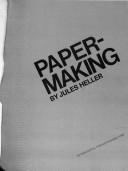
A classic studio art text that bridges craft and fine art, covering embossing, laminating, casting, and surface treatment — the capstone for a learner ready to push handmade paper into creative territory.
Discussion
Keep reading
Paths that share books, cover the same subject, or open a related topic.