Best Books to Learn Orchestral Conducting (in Order)
This curriculum is designed for the expert-level conductor seeking to refine and deepen every dimension of the craft — from the physical precision of the baton to the philosophical underpinnings of interpretation. The four stages build deliberately: first consolidating technical and score-reading mastery, then advancing into rehearsal psychology and ensemble leadership, and finally reaching the highest level of interpretive thought through the words of history's greatest conductors.
Baton Mastery & Physical Technique
ExpertRefine and critically examine baton technique, gesture vocabulary, and the physical communication between conductor and orchestra at an expert level.
▸ Study plan for this stage
Pace: 8–10 weeks, ~25–35 pages/day, with 2–3 days per week dedicated to physical practice and gesture work
- The grammatical structure of conducting: how beat patterns, subdivisions, and preparatory gestures form a coherent language of communication
- Baton technique fundamentals: grip, arm position, wrist flexibility, and the mechanics of clear, economical motion
- Gesture vocabulary and expressive conducting: how to convey tempo, dynamics, articulation, and character through precise physical communication
- The relationship between conductor and orchestra: how technical precision enables musical intention and ensemble response
- Critical analysis of conducting patterns across different time signatures and musical styles
- Physical efficiency and injury prevention: proper posture, tension management, and sustainable conducting practice
- How does Max Rudolf define the 'grammar' of conducting, and what are the fundamental building blocks of conducting language?
- What are the key mechanical principles of baton grip and arm movement, and how do they differ between Rudolf's and McElheran's approaches?
- How do preparatory gestures and beat patterns communicate tempo, meter, and musical intention to an orchestra?
- What is the relationship between physical gesture clarity and ensemble response, and how can a conductor diagnose and correct miscommunication?
- How do you adapt baton technique and gesture vocabulary for different musical styles, tempos, and orchestral contexts?
- What are the common physical faults in conducting technique, and how can they be systematically corrected?
- Study and diagram the beat patterns in Rudolf's 'Grammar of Conducting' for 2/4, 3/4, 4/4, 6/8, and 5/4 time; practice each pattern daily in front of a mirror for 10–15 minutes, focusing on clarity and economy of motion
- Record yourself conducting a 2–3 minute orchestral excerpt (or video yourself); review the recording against McElheran's technical standards for baton position, arm height, and wrist flexibility; identify and correct one specific technical flaw per week
- Conduct the same piece using Rudolf's approach, then McElheran's approach; note the differences in gesture size, preparatory motion, and clarity; discuss or journal which approach feels more natural and why
- Practice the preparatory gesture in isolation: conduct 20 different preparatory gestures for various tempos (Adagio, Andante, Allegro, Presto) and time signatures; have a colleague or teacher evaluate whether each gesture clearly communicates the intended tempo and meter
- Conduct a live or recorded orchestra excerpt (or video of one) and focus on one specific expressive element (e.g., a crescendo, a ritardando, or a change in articulation); refine your gesture to communicate that element with maximum clarity
- Create a 'gesture vocabulary inventory': list 15–20 specific conducting gestures (e.g., 'left-hand cue for entrance,' 'dynamic control for diminuendo,' 'articulation for staccato') and practice each in context with recorded orchestral music
Next up: This stage equips you with a refined, technically precise conducting vocabulary and a critical understanding of how physical gesture communicates musical intention, preparing you to apply these principles to ensemble leadership, score interpretation, and the psychological and collaborative dimensions of conducting in the next stage.
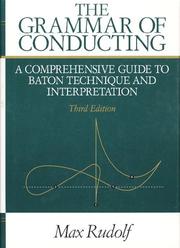
The definitive technical reference for conducting gesture and baton craft. At the expert level it serves as a rigorous benchmark against which to audit and sharpen one's own physical technique.
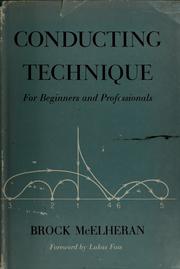
A concise, analytically precise companion to Rudolf that isolates specific gestural problems; reading it after Rudolf allows the expert to cross-examine their own habits with a second authoritative voice.
Score Reading & Analysis
ExpertDevelop a systematic, multi-layered approach to score study — structural, harmonic, orchestrational, and historical — so that every interpretive decision is grounded in the score itself.
▸ Study plan for this stage
Pace: 8–10 weeks, ~40–50 pages/day, with 2–3 days per week dedicated to score analysis and orchestration sketches
- Systematic score analysis: identifying structural layers (form, harmonic progression, orchestration, texture) and how they reinforce each other
- Orchestrational thinking: understanding how Adler's principles of instrumental combination, balance, and color serve compositional intent
- Nineteenth-century choral-orchestral conventions: recognizing genre-specific practices (chorus placement, doubling strategies, cadential formulas) in Green's repertoire
- Berlioz's instrumental philosophy: mastering the acoustic and expressive properties of each instrument and section as documented in the Treatise
- Score-grounded interpretation: deriving conducting choices (tempo, dynamics, articulation, balance) directly from orchestrational and harmonic analysis rather than tradition or intuition
- Historical context as analytical tool: using Green's historical insights to understand why composers made specific orchestrational choices in their era
- Practical orchestration literacy: reading and understanding complex scores with multiple instrumental doublings, transpositions, and unconventional combinations
- How do you systematically analyze a score to identify the relationship between its structural form, harmonic progression, and orchestrational choices?
- What are the key principles Adler outlines for combining instruments to achieve specific timbral and dynamic effects, and how do these principles apply to a score you're studying?
- What are the characteristic orchestrational practices in nineteenth-century choral-orchestral works (e.g., chorus doubling, instrumental reinforcement), and how does Green explain their historical development?
- According to Berlioz's Treatise, what are the acoustic and expressive properties of a specific instrument or section, and how would you use this knowledge to interpret a passage in a score?
- How would you justify a specific conducting choice (tempo, balance, articulation) by grounding it in the score's orchestration and harmonic content rather than convention?
- What historical or stylistic context from Green's guide would inform your interpretation of a particular choral-orchestral work, and how would that context shape your score study?
- Complete Adler's orchestration exercises: select 3–4 short passages (8–16 bars) from the nineteenth-century repertoire and reorchestrate them using different instrumental combinations; document how each choice changes the harmonic clarity, balance, and expressive intent
- Harmonic-orchestrational mapping: take a movement from a work in Green's guide (e.g., a Brahms choral-orchestral work) and create a detailed chart showing how harmonic function (tonic, dominant, modulation, cadence) correlates with orchestrational texture and instrumental doubling
- Berlioz instrumental study: select one instrument from the Treatise (e.g., French horn, clarinet, timpani) and analyze 5–6 passages from different nineteenth-century scores that showcase its characteristic properties; annotate how the composer exploits the instrument's range, timbre, and technical capabilities
- Score annotation project: fully annotate a complete movement (15–25 minutes) from a choral-orchestral work using Green's historical framework—mark structural divisions, harmonic functions, orchestrational decisions, and historical conventions; write brief marginal notes explaining why the composer likely made each choice
- Comparative orchestration study: take the same text or musical idea from two different nineteenth-century choral-orchestral works and compare how each composer orchestrated it; analyze the differences using Adler's principles and Berlioz's instrumental knowledge
- Conducting score preparation: select a 5–10 minute excerpt from a work in Green's guide and prepare a full conducting score with detailed annotations for balance, blend, articulation, and tempo based on orchestrational analysis; record yourself conducting it and evaluate whether your interpretation reflects the score's orchestrational logic
Next up: This stage equips you with a rigorous analytical framework and deep orchestrational literacy, enabling the next stage to focus on translating these score insights into concrete conducting gestures, rehearsal strategies, and interpretive choices that communicate your analysis to the ensemble.
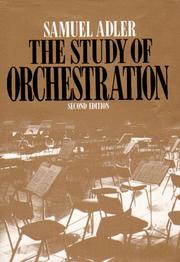
Provides the deepest available map of orchestral color and balance; essential for the conductor to read a score not just melodically but as a three-dimensional sonic architecture.
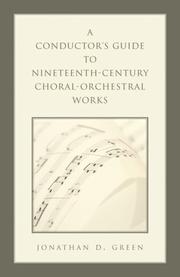
Models rigorous score-study methodology for complex combined forces, pushing the expert to apply analytical skills to the most demanding repertoire.
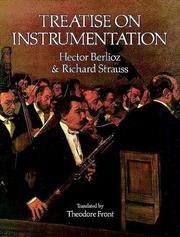
A primary-source masterclass in orchestral thinking from a composer-conductor; reading it at this stage trains the expert to hear the score through a creator's ear, not merely a performer's.
Rehearsal Craft & Ensemble Leadership
ExpertCommand the rehearsal room with efficiency, psychological intelligence, and communicative precision — translating score knowledge into real-time ensemble results.
▸ Study plan for this stage
Pace: 8–10 weeks, ~40–50 pages/day with active annotation and score study
- Schuller's philosophy of the conductor as interpreter and communicator, not mere timekeeper
- Score study methodology: harmonic analysis, orchestration, historical context, and structural architecture as prerequisites to rehearsal
- Psychological and pedagogical approaches to ensemble leadership: building trust, managing personalities, and motivating musicians
- Rehearsal efficiency techniques: strategic sectional planning, targeted problem-solving, and time management
- The conductor's physical gesture as a precise, economical communication tool reflecting interpretive intent
- Balancing authority with collaboration: conducting as a dialogue between conductor and ensemble
- Real-time decision-making and adaptability in rehearsal: responding to acoustic realities and ensemble needs
- What does Schuller mean by the conductor's responsibility as an 'interpreter' rather than a 'timekeeper,' and how does this philosophy change your approach to rehearsal planning?
- How should you structure your score study before entering the rehearsal room, and what specific analytical steps does Schuller emphasize?
- What psychological and interpersonal strategies does Schuller recommend for building ensemble trust and managing difficult rehearsal dynamics?
- How can you design a rehearsal schedule that maximizes efficiency while addressing the ensemble's specific technical and interpretive needs?
- What is the relationship between the conductor's gesture and the ensemble's response, and how can you refine your conducting technique to communicate more precisely?
- How do you balance your interpretive vision with the ensemble's input and acoustic realities during rehearsal?
- Conduct a complete score study of a major work (symphony, concerto, or opera excerpt) following Schuller's methodology: harmonic analysis, orchestration breakdown, historical research, and structural mapping before any rehearsal planning
- Record yourself conducting a familiar work and analyze your gestures frame-by-frame: identify unclear beats, redundant motions, and places where your physical communication contradicts your musical intent
- Plan a full rehearsal schedule for a 2–3 hour session with a real ensemble or study group, allocating time strategically to problem areas and building momentum toward a polished run-through
- Lead a sectional rehearsal (or simulate one with colleagues) focusing on one specific technical or interpretive challenge; document your communication strategies and their effectiveness
- Transcribe and analyze a video of a master conductor (Schuller himself, if available, or another conductor of his era) rehearsing, noting their use of gesture, verbal instruction, and ensemble management
- Conduct the same passage three different ways (different tempos, articulations, balances) and have ensemble members or colleagues describe what they heard and felt; reflect on how your gesture shaped their response
Next up: This stage equips you with the rehearsal room mastery and ensemble psychology needed to move into the final stage of conducting artistry—where you'll synthesize all technical and interpretive knowledge into a unified artistic vision that shapes entire performances and builds a distinctive conducting legacy.
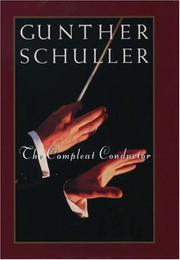
Schuller's forensic critique of recorded performances forces the expert to confront the gap between intention and result — the central challenge of every rehearsal.
Interpretation: Philosophy & the Master Tradition
ExpertDevelop a personal, historically informed, and philosophically coherent interpretive voice by engaging directly with the thought of the greatest conductors of the 20th century.
▸ Study plan for this stage
Pace: 4–5 weeks, ~20–25 pages/day, with 2–3 days per week dedicated to reflection and practical application
- Wagner's concept of the conductor as interpreter and mediator between composer and orchestra, not merely a timekeeper
- The relationship between tempo, rhythm, and emotional/dramatic truth in music—how flexibility serves the work's inner meaning
- The role of the conductor's will and personality in shaping orchestral sound and ensemble cohesion
- Historical context: conducting practice in the 19th century and Wagner's critique of mechanical, metronomic conducting
- The integration of dramatic intention with musical structure—how operatic principles inform symphonic conducting
- Conducting as a physical and philosophical act: the body as instrument for communicating musical intent
- The distinction between following the score literally versus realizing its deeper artistic purpose
- According to Wagner, what is the fundamental difference between a conductor who merely keeps time and one who truly interprets a work?
- How does Wagner argue that tempo flexibility and rubato serve the dramatic or emotional content of a piece?
- What role does the conductor's personal will and artistic conviction play in Wagner's philosophy of conducting?
- How does Wagner's operatic background influence his approach to conducting symphonic works?
- What specific criticisms does Wagner level at the conducting practices of his era, and what does he propose as alternatives?
- How does Wagner reconcile fidelity to the composer's intention with the conductor's interpretive freedom?
- Close-read 3–4 key passages from 'On Conducting' that exemplify Wagner's core philosophy; annotate them and write a 1-page synthesis of his central argument
- Select a Wagner opera excerpt or a symphonic work Wagner discusses; conduct it (or study a recording) while actively applying Wagner's principles of tempo flexibility and dramatic phrasing
- Write a 2–3 page interpretive score analysis of a work (operatic or symphonic) using Wagner's framework: identify moments where literal time-keeping would fail the music, and propose interpretive solutions
- Compare Wagner's conducting philosophy with a modern recording of one of his works; document where the conductor aligns with or departs from Wagner's stated principles
- Conduct or observe a rehearsal, focusing on communicating dramatic/emotional intent through gesture and tempo modification rather than mechanical precision
- Create a personal conducting manifesto (500–750 words) that articulates your own interpretive philosophy in dialogue with Wagner's ideas—what do you accept, reject, or refine?
Next up: This stage grounds your interpretive voice in foundational 19th-century philosophy and prepares you to engage with 20th-century master conductors who both inherited and transformed Wagner's legacy of conductor-as-artist.

The foundational text of modern conducting philosophy; Wagner's arguments about tempo flexibility and inner pulse remain the starting point for any serious interpretive discussion.
Discussion
Keep reading
Paths that share books, cover the same subject, or open a related topic.