Microbiology: a reading path into the hidden world of microbes
This curriculum takes you from the invisible world of microbes all the way to the cutting edge of microbiome science, immunity, and evolution — building knowledge in the exact order it unfolds in nature. Each stage deepens the previous one: first you learn to see and appreciate microbial life, then you understand how specific microbes work and cause disease, and finally you grapple with the profound ways microscopic life shapes ecosystems, health, and the human story.
Foundations: The Invisible World
BeginnerBuild a vivid mental model of what microbes are, how they were discovered, and why they matter — establishing the vocabulary and wonder needed for everything that follows.
▸ Study plan for this stage
Pace: 8–10 weeks, ~40–50 pages/day (mix of narrative and study guide material)
- The historical arc of microbiology: from invisible to visible—Leeuwenhoek's microscopes through germ theory to modern molecular understanding
- What microbes actually are: bacteria, viruses, fungi, and protozoa as distinct entities with different structures, reproduction strategies, and ecological roles
- The discovery narrative and scientific method: how Quammen's storytelling reveals how scientists ask questions, design experiments, and build evidence (exemplified by Darwin, molecular biology pioneers, and disease detectives)
- Why microbes matter: their role in disease, evolution, biotechnology, and the biosphere—from pathogens to essential partners in life
- Foundational microbiology vocabulary and taxonomy: cell structure, classification systems, and the language needed to discuss microbial life
- The tension between wonder and danger: microbes as both fascinating subjects of study and genuine threats to human health (smallpox, viral hemorrhagic fevers)
- How molecular biology revealed microbial secrets: DNA, genes, and evolution at the microscopic scale—connecting microbes to all life
- Experimental design and evidence: how we know what we know about microbes—observation, culturing, microscopy, and modern molecular techniques
- How did the invention of the microscope and the work of scientists like Leeuwenhoek fundamentally change our understanding of life, and what did Quammen reveal about the human stories behind these discoveries?
- What are the major groups of microorganisms (bacteria, viruses, fungi, protozoa), and how do their structures and reproduction strategies differ from one another?
- Why did germ theory take so long to become accepted, and what role did figures like Pasteur and Koch play in establishing it?
- What is the relationship between microbes and human disease, and how do the cases in 'The Demon in the Freezer' illustrate both the danger and the possibility of control?
- How did molecular biology (DNA, genes, evolution) change microbiology, and what does Quammen's narrative reveal about the scientists who made these breakthroughs?
- What are the major characteristics and functions of a bacterial cell, and how do viruses differ fundamentally in their structure and life cycle?
- Timeline creation: Build a visual timeline of microbiology's major discoveries (Leeuwenhoek, Pasteur, Koch, Lister, Fleming, Watson & Crick, etc.) as you read 'The Tangled Tree,' noting how each discovery changed what scientists could see and understand
- Character mapping: As you read Quammen, create brief profiles of key scientists (Darwin, molecular biologists, virologists) noting their questions, methods, and contributions—this embeds the human dimension of science
- Vocabulary flashcards: Extract 30–40 key terms from the Tortora study guide (prokaryote, eukaryote, pathogen, virulence, antibiotic resistance, etc.) and quiz yourself weekly; group them by concept (structure, function, classification)
- Microbe comparison chart: Create a detailed table comparing bacteria, viruses, fungi, and protozoa across columns (size, structure, reproduction, examples, human impact)—update it as you learn from each book
- Disease case study: Select one pathogen from 'The Demon in the Freezer' (smallpox, Ebola, etc.) and research its microbiology using your study guide—write a 1–2 page summary connecting Preston's narrative to the underlying biology
- Experimental design reflection: After reading about a key discovery in Quammen (e.g., how scientists traced viral evolution), write out the question the scientist asked, the method they used, and what evidence convinced them—practice thinking like a microbiologist
Next up: This stage establishes the vocabulary, historical context, and wonder that make microbiology meaningful; the next stage will deepen into the mechanisms of how microbes actually function—their metabolism, genetics, and interactions with hosts and environments.
Opens the curriculum with the story of how scientists discovered the true tree of life, introducing bacteria, archaea, and viruses in a narrative that makes evolutionary relationships intuitive before any technical detail is required.

The most widely used introductory microbiology textbook; read selectively (bacteria, viruses, fungi chapters) to build precise vocabulary — cell structure, metabolism, classification — that all later books assume.

A gripping narrative about smallpox and bioweapons that makes virology concrete and urgent, cementing the beginner's understanding of how viruses replicate and what makes them dangerous.
Bacteria & Viruses: Mechanisms and Disease
BeginnerUnderstand how bacteria and viruses cause infection, how the immune system responds, and how humanity has fought back — connecting microbiology to medicine and public health.
▸ Study plan for this stage
Pace: 8–10 weeks, ~40–50 pages/day (accounting for dense scientific content and reflection time)
- Zoonotic spillover: how pathogens jump from animals to humans and the ecological conditions that enable it (Spillover)
- Viral and bacterial mechanisms of infection: replication strategies, host cell invasion, and pathogenic mechanisms (Spillover, Andromeda Evolution, Immune)
- The immune system's multi-layered defense: innate immunity, adaptive immunity, antibodies, and T-cells (Immune)
- Pandemic emergence and spread: how diseases propagate through populations and the role of human behavior and globalization (Spillover, Andromeda Evolution)
- Antimicrobial resistance and treatment strategies: antibiotics, antivirals, and why resistance develops (Spillover, Immune)
- Public health response and containment: epidemiology, quarantine, vaccination, and disease surveillance (Spillover, Andromeda Evolution)
- The evolutionary arms race: how pathogens evolve to evade immunity and how humans adapt defenses (Immune, Andromeda Evolution)
- What is zoonotic spillover, and what ecological or behavioral factors increase the risk of pathogens jumping from animals to humans? (Spillover)
- How do bacteria and viruses differ in their mechanisms of infection and replication inside host cells? (Spillover, Immune, Andromeda Evolution)
- Describe the layers of the immune system (innate and adaptive) and explain how each responds to a bacterial or viral infection. (Immune)
- Why do pathogens develop antimicrobial resistance, and what strategies can slow or prevent it? (Spillover, Immune)
- How do public health interventions (vaccination, quarantine, surveillance) work to control disease spread, and what challenges do they face? (Spillover, Andromeda Evolution)
- What makes certain pathogens more likely to cause pandemics, and how does human globalization amplify pandemic risk? (Spillover, Andromeda Evolution)
- Create a 'spillover timeline': map 3–4 real zoonotic diseases from Spillover (e.g., HIV, Ebola, SARS) showing the animal origin, human contact point, and spread pattern. Annotate with ecological factors that enabled each.
- Diagram a bacterial or viral infection cycle: illustrate how a pathogen (e.g., influenza or E. coli) enters a host cell, replicates, and spreads, then label where immune defenses intervene (based on Immune).
- Immune response role-play: assign yourself or a study partner roles (pathogen, innate immune cell, adaptive immune cell) and narrate a 5-minute infection scenario showing how each layer responds sequentially.
- Resistance case study: research one antibiotic-resistant bacterium (e.g., MRSA) mentioned or implied in Spillover/Immune, and write a 1-page explanation of how resistance emerged and what containment strategies exist.
- Pandemic simulation: using data from Andromeda Evolution and Spillover, sketch how a hypothetical pathogen would spread through a city of 1 million people over 6 months, accounting for transmission rate, incubation period, and public health measures.
- Immune system poster: create a visual summary of the immune response (innate and adaptive pathways) from Immune, labeling key cells (neutrophils, macrophages, T-cells, B-cells) and their roles in fighting infection.
Next up: This stage grounds you in the biological and epidemiological fundamentals of how pathogens cause disease and how humans fight back, preparing you to explore the history of medicine, modern diagnostic techniques, and the cutting-edge science of vaccine development and gene therapy in the next stage.
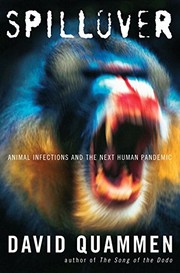
Traces zoonotic viruses (Ebola, SARS, HIV) from animal reservoirs to human pandemics, showing how viral ecology and evolution drive emerging disease — a perfect bridge from virology basics to epidemiology.

Read here as a deliberate narrative interlude — this science-thriller forces the reader to think about microbial containment, mutation, and biosafety protocols in a way that reinforces the real science just covered.
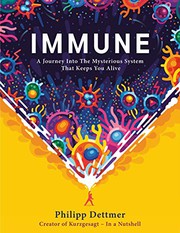
A visually rich, deeply researched guide to the human immune system; placed here so the reader can immediately connect bacterial and viral mechanisms to the host defenses that counter them.
The Microbiome: Your Inner Ecosystem
IntermediateGrasp the concept of the human microbiome — the trillions of microbes living in and on us — and understand how this community influences digestion, immunity, mental health, and chronic disease.
▸ Study plan for this stage
Pace: 4–5 weeks, ~40–50 pages/day. Start with "I Contain Multitudes" (2–3 weeks), then move to "The Good Gut" (2–3 weeks). Allocate 2–3 days at the end for review and synthesis.
- The human microbiome is a vast ecosystem of trillions of microbes (bacteria, archaea, fungi, viruses) living in the gut, skin, mouth, and other body sites, forming a symbiotic relationship with the host
- Microbial diversity and abundance directly influence digestive health, nutrient absorption, and the integrity of the gut barrier
- The microbiome plays a critical role in training and regulating the immune system, including the development of tolerance and prevention of autoimmune disease
- The gut-brain axis connects the microbiome to mental health, mood, and behavior through microbial metabolites (especially short-chain fatty acids) and neural signaling
- Dysbiosis—an imbalance or loss of microbial diversity—is linked to obesity, inflammatory bowel disease, type 2 diabetes, and other chronic diseases
- Diet, particularly fiber intake and fermented foods, is the primary modifiable factor that shapes microbiome composition and function
- The microbiome is not fixed; it can be restored and optimized through dietary and lifestyle interventions
- Evolutionary and ecological principles explain how microbial communities assemble, compete, and cooperate within the human body
- What is the microbiome, and where in the human body do the largest and most diverse microbial communities reside?
- How does microbial diversity relate to digestive health and the prevention of chronic disease?
- Explain the gut-brain axis: what mechanisms allow the microbiome to influence mood, behavior, and mental health?
- What is dysbiosis, and how is it implicated in diseases like obesity, inflammatory bowel disease, and type 2 diabetes?
- What dietary and lifestyle factors most effectively promote a healthy, diverse microbiome?
- How does the microbiome train and regulate the immune system, and what happens when this relationship breaks down?
- Microbiome audit: Document your current diet for 3–5 days and categorize foods by fiber content, fermented foods, and ultra-processed items. Identify gaps and plan one dietary change to increase microbial diversity.
- Fermented food experiment: Choose one fermented food (yogurt, sauerkraut, kimchi, kombucha, miso) and consume it daily for 2 weeks. Journal any changes in digestion, energy, or mood.
- Create a visual map of the human microbiome: Draw or diagram the major microbial communities in the body (gut, skin, mouth, respiratory tract) and annotate with key functions from the books.
- Dysbiosis case study analysis: Select one chronic disease discussed in the books (e.g., IBD, obesity, or depression) and write a 1–2 page summary of how dysbiosis contributes to its pathology and what interventions are supported by evidence.
- Fiber challenge: Research and list 15–20 high-fiber foods you enjoy. Calculate your current daily fiber intake and design a meal plan to reach 30–40g/day. Track for one week.
- Teach-back exercise: Explain the gut-brain axis to a friend or family member in 5 minutes without notes. Record yourself or write a script to identify gaps in your understanding.
Next up: This stage establishes the microbiome as a central player in human health and disease, providing the foundation to explore specific microbial species, their metabolic functions, and advanced therapeutic interventions (such as probiotics, prebiotics, and fecal microbiota transplantation) in the next stage.

The single best popular introduction to the microbiome; Yong synthesizes decades of research into a coherent, beautifully written narrative that reframes the human body as an ecosystem — essential reading before the more technical titles.

Written by a leading Stanford microbiome researcher, this book dives into the gut microbiome specifically, explaining the science of diet, fiber, and microbial diversity with enough rigor to prepare the reader for advanced literature.
Evolution, Ecology & the Microbial Planet
IntermediateZoom out from the human body to see microbes as the architects of Earth's ecosystems and evolution — understanding horizontal gene transfer, antibiotic resistance, and the deep history of life.
▸ Study plan for this stage
Pace: 8–10 weeks, ~25–30 pages/day (alternating between both books to reinforce ecological and evolutionary themes)
- Horizontal gene transfer (HGT) as the primary mechanism of microbial evolution and adaptation, distinct from vertical inheritance
- The role of bacteria and archaea in shaping Earth's atmosphere, geochemistry, and biogeochemical cycles over billions of years
- Antibiotic resistance as an evolutionary arms race: how resistance genes spread through populations and across species via plasmids and mobile genetic elements
- Microbes as ecosystem engineers: their dominance in biomass, metabolic diversity, and control of nutrient cycling
- The deep history of life: how microbial innovations (photosynthesis, nitrogen fixation, respiration) enabled the emergence of complex life
- The antibiotic paradox: why widespread use of antibiotics in medicine and agriculture accelerates resistance evolution despite their life-saving benefits
- Population genetics and selection pressure: how antibiotic exposure creates selective advantages for resistant strains in microbial communities
- Ecological networks: how microbes interact with each other and with larger organisms in ways that shape evolutionary trajectories
- What is horizontal gene transfer, and how does it differ from vertical inheritance? Why is HGT particularly important for bacterial evolution?
- How have microbes shaped Earth's atmosphere and geochemistry over evolutionary time? Give specific examples from the books.
- Explain the antibiotic paradox: why do antibiotics, which save lives, ultimately create conditions for the evolution of resistance?
- What are the main mechanisms by which antibiotic resistance genes spread through microbial populations and across species?
- How do microbes function as ecosystem engineers, and what would happen to Earth's ecosystems if microbial communities collapsed?
- What role did key microbial innovations (like photosynthesis and nitrogen fixation) play in enabling the evolution of complex life?
- Create a timeline of major microbial innovations (photosynthesis, respiration, nitrogen fixation) and their effects on Earth's atmosphere and biosphere, using evidence from *Microcosm*.
- Map out a horizontal gene transfer network: choose a real antibiotic resistance gene (e.g., beta-lactamase) and trace how it moves between bacterial species via plasmids, using examples from *The Antibiotic Paradox*.
- Design a thought experiment: model a bacterial population exposed to an antibiotic. Predict which strains survive, which resistance mechanisms emerge, and how resistance spreads—then compare your prediction to case studies in Levy's book.
- Analyze a real-world antibiotic resistance outbreak (e.g., MRSA, TB, or a pathogen discussed in the books). Identify the ecological and evolutionary pressures that drove resistance, and propose non-antibiotic interventions.
- Write a 'microbe's-eye-view' narrative: describe a single day in the life of a bacterium in a human gut or soil ecosystem, incorporating concepts of HGT, competition, and metabolic interdependence from both books.
- Research and present on one microbial ecosystem engineer (e.g., cyanobacteria, methanogens, nitrogen-fixing bacteria). Explain how it shaped its environment and what evolutionary innovations it required.
Next up: This stage establishes microbes as the dominant force in evolution and ecology, preparing you to understand how human activities—medicine, agriculture, industry—disrupt microbial ecosystems and accelerate evolutionary change in ways that directly threaten human health and planetary systems.
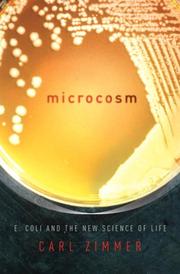
Uses E. coli as a lens to explore evolution, genetics, and the philosophy of life itself; placed here because the reader now has enough background to appreciate the profound evolutionary arguments Zimmer makes.
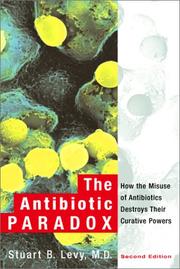
A canonical, authoritative account of antibiotic resistance — how it evolves, spreads via horizontal gene transfer, and threatens modern medicine — connecting microbial evolution directly to a global health crisis.
Advanced Synthesis: Pandemics, Coevolution & the Future
ExpertSynthesize everything — virology, immunology, microbiome science, and evolution — into a sophisticated understanding of how microbial life has shaped human history and where the science is heading.
▸ Study plan for this stage
Pace: 4–5 weeks, ~40–50 pages/day (approximately 200 pages total; allows time for reflection and synthesis exercises)
- Viruses as ancient, ubiquitous drivers of evolution and planetary biology—not merely pathogens but architects of cellular life
- Viral coevolution with hosts: how viruses shape immune systems, genetic diversity, and species boundaries over evolutionary time
- The role of viruses in human history: from ancient pandemics to modern epidemiology and the molecular archaeology of viral origins
- Viral diversity and adaptation: mechanisms of mutation, recombination, and host-jumping that enable pandemic emergence
- Viruses in ecosystems: their influence on microbial communities, nutrient cycling, and the balance of life in oceans and soil
- The interconnection between virology, immunology, and evolutionary biology: how understanding viruses requires synthesis across disciplines
- Emerging and re-emerging viral threats: how ecological disruption, human behavior, and climate change create conditions for pandemic spillover
- How do viruses function as evolutionary forces, and what evidence does Zimmer present for viruses shaping the history of life on Earth?
- What is the relationship between viral mutation rates, host immune responses, and the emergence of pandemic strains?
- How have viruses influenced human evolution and history, and what does molecular archaeology reveal about ancient viral infections?
- Explain the mechanisms by which viruses jump from animal hosts to humans and why certain viruses pose pandemic risks while others do not.
- What role do viruses play in microbial ecosystems and biogeochemical cycles, and how does this expand our understanding of 'life' beyond individual organisms?
- How do ecological and social factors (habitat destruction, urbanization, travel) interact with viral biology to create conditions for pandemic emergence?
- Create a timeline of major viral pandemics in human history (from Zimmer's examples) and annotate each with the viral mechanism of transmission, the evolutionary/ecological context, and the immune or public health response—synthesizing virology, history, and epidemiology.
- Select one virus discussed in the book (e.g., influenza, HIV, or a plant virus) and trace its coevolutionary relationship with its host(s): map mutations, immune evasion strategies, and ecological niches over time.
- Diagram the 'spillover chain' for a zoonotic virus: identify the animal reservoir, the ecological disruption or behavior that enabled jumping to humans, the viral adaptations required for human transmission, and the pandemic potential—use Zimmer's examples as templates.
- Write a synthesis essay (1500–2000 words) connecting three major themes from the book: viral evolution, human history, and ecosystem function. Use specific examples from Zimmer to argue how viruses are central to understanding life on Earth.
- Conduct a 'viral literacy' analysis: choose a recent news article about an emerging virus or pandemic threat, and annotate it with concepts from Zimmer—identify the viral biology, coevolutionary dynamics, ecological drivers, and gaps in public understanding.
- Create a visual concept map showing how viruses connect to the other domains of microbiology studied earlier (bacteria, archaea, eukaryotic microbes, immunity): where do viruses fit in the 'tree of life,' and how do they interact with each domain?
Next up: This stage synthesizes virology with evolutionary and ecological thinking, positioning the reader to understand how microbial life—viruses included—has shaped planetary history and human civilization, and to critically evaluate future pandemic risks and the role of microbiology in addressing them.
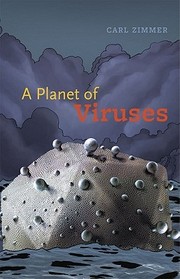
A concise but scientifically deep survey of viral life on Earth; at this stage the reader can fully appreciate Zimmer's arguments about viruses as drivers of evolution and shapers of the biosphere.
Discussion
Keep reading
Paths that share books, cover the same subject, or open a related topic.