Best Irish Cookbooks to Learn the Cuisine
This curriculum takes you from the humble, hearty soul of traditional Irish cooking — bread, stews, and boiled bacon — through the rich world of Irish dairy and seafood, and finally into the exciting modern Irish food revival. Each stage builds on the last, so you develop an intuitive feel for Irish ingredients and techniques before encountering the chefs who are reimagining them.
Foundations: The Heart of the Irish Kitchen
BeginnerUnderstand the staple techniques and recipes that define traditional Irish home cooking — soda bread, stews, boiled bacon, and simple vegetable dishes — and build confidence with core Irish ingredients.
▸ Study plan for this stage
Pace: 4–5 weeks, ~25–30 pages/day, with 2–3 cooking sessions per week
- The role of butter, potatoes, and dairy as foundational Irish ingredients and their cultural significance
- Soda bread chemistry: how baking soda reacts with buttermilk to create rise without commercial yeast
- Traditional Irish stew techniques: layering, slow cooking, and the balance of root vegetables and meat
- Boiled bacon and ham preparation: brining, cooking methods, and serving traditions in Irish households
- Simple vegetable cookery: colcannon, champ, and boxty as expressions of potato versatility
- The Irish kitchen's relationship with seasonal and preserved ingredients
- Building flavor through simplicity: how restraint in seasoning and technique defines Irish home cooking
- Why is soda bread a cornerstone of Irish cooking, and what chemical reaction makes it rise without commercial yeast?
- What are the key differences between Irish stew and other stew traditions, and how do cooking time and ingredient layering affect the final dish?
- How do boiled bacon and ham fit into traditional Irish meal structures, and what role does brining play in their preparation?
- What are colcannon, champ, and boxty, and how do they demonstrate the Irish cook's approach to potato cookery?
- How do Irish cooks use butter and dairy to build flavor in simple dishes, and why is this technique central to the cuisine?
- What ingredients and techniques does Darina Allen emphasize as essential for a well-stocked Irish kitchen?
- Bake at least two loaves of soda bread (brown and white), noting how buttermilk acidity affects rise and crumb structure
- Prepare a traditional Irish stew from Allen's recipe, documenting how layering and slow cooking develop flavor over 2–3 hours
- Boil bacon or ham following Allen's method, then serve it with a vegetable side to understand the traditional meal structure
- Make colcannon and champ in successive weeks, tasting how different potato varieties and butter ratios change texture and flavor
- Prepare boxty (potato pancakes) and experiment with grating versus mashing potatoes to understand texture variation
- Recreate a complete traditional Irish meal (e.g., boiled bacon with colcannon and soda bread) to integrate techniques and build confidence
Next up: This foundation in core techniques and ingredients—soda bread, stews, boiled meats, and potato dishes—equips you to explore how Irish cooks adapted these basics to regional variations and seasonal celebrations, preparing you for deeper engagement with festive and regional cooking traditions.
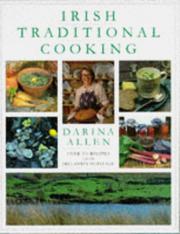
Darina Allen is Ireland's most authoritative culinary voice, and this book is the definitive record of traditional Irish recipes. Reading it second cements the historical and cultural context behind the dishes you just tried, deepening your understanding of why Irish food is the way it is.
Bread & Baking: The Soda Bread Tradition
BeginnerMaster Irish soda bread, brown bread, scones, and the wider tradition of Irish soda and griddle baking, understanding the role of buttermilk and wholemeal flour in Irish baking culture.
▸ Study plan for this stage
Pace: 4–5 weeks, ~25–30 pages/day. Start with "Forgotten Skills of Cooking" (weeks 1–3, focusing on bread & baking chapters), then "A Simply Delicious Christmas" (weeks 4–5, emphasizing holiday baking traditions).
- The chemistry of soda bread: how buttermilk's acidity reacts with baking soda to create rise without commercial yeast
- Wholemeal flour's role in Irish baking—texture, nutrition, and cultural significance in traditional recipes
- The distinction between soda bread, brown bread, and scones: ingredients, techniques, and when to use each
- Griddle baking as a traditional Irish method: temperature control, timing, and its application to breads and cakes
- Buttermilk as the cornerstone ingredient: sourcing, substitutions, and its impact on flavor and crumb structure
- Darina Allen's philosophy of 'forgotten skills'—connecting modern home baking to historical Irish cooking practices
- Seasonal and festive variations in Irish baking, particularly how Christmas traditions shape bread and scone recipes
- Explain the chemical reaction between buttermilk and baking soda in soda bread, and why this method doesn't require commercial yeast.
- What are the key differences in ingredients and technique between traditional Irish soda bread, brown bread, and scones?
- How does wholemeal flour change the texture and flavor of Irish baked goods compared to white flour, and why is it culturally important?
- Describe the griddle baking method: what temperature should you use, how do you know when bread is done, and which Irish baked goods are traditionally griddle-baked?
- What role does buttermilk play in Irish baking culture, and what are acceptable substitutes if buttermilk is unavailable?
- How do the Christmas and festive baking traditions in 'A Simply Delicious Christmas' build on the foundational soda and griddle baking techniques from 'Forgotten Skills of Cooking'?
- Bake a traditional Irish soda bread (white and brown versions) from 'Forgotten Skills of Cooking,' noting how the dough feels, how quickly it rises, and the final crumb structure.
- Make a batch of Irish scones using buttermilk, then compare texture and taste to a version made with a buttermilk substitute (yogurt + milk or lemon juice + milk) to understand buttermilk's impact.
- Prepare brown bread using wholemeal flour as the primary ingredient; document how the flavor, moisture, and density differ from white soda bread.
- Practice griddle baking by making at least two griddle-baked items (e.g., Irish soda farls, potato cakes, or griddle scones), adjusting heat and timing until you achieve even browning.
- Recreate a festive bread or scone recipe from 'A Simply Delicious Christmas' (e.g., Christmas soda bread or spiced scones), identifying which foundational techniques from 'Forgotten Skills' are applied.
- Keep a baking journal documenting oven/griddle temperature, ingredient ratios, buttermilk quality, and results for each bake to build intuition and troubleshoot failures.
Next up: Mastery of soda bread, brown bread, and griddle baking techniques establishes the foundation for exploring other Irish quick breads, yeasted breads, and pastries that build on buttermilk and wholemeal traditions.
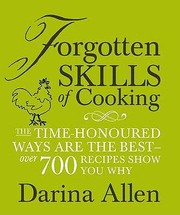
Allen's landmark book on reviving lost Irish food skills dedicates substantial attention to soda breads, griddle breads, and buttermilk baking, placing them in the context of a self-sufficient Irish farmhouse tradition — essential reading before moving to more refined baking.
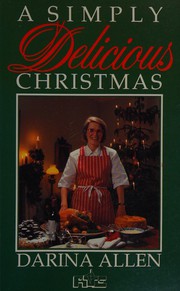
The companion to Allen's famous TV series, this book distills Irish home baking and cooking to its most approachable and reliable form, reinforcing soda bread and simple baked goods with recipes that consistently work for home cooks.
Dairy, Seafood & the Irish Larder
IntermediateExplore Ireland's exceptional dairy produce — butter, cream, and farmhouse cheeses — alongside its rich Atlantic seafood tradition, learning to cook oysters, smoked salmon, mussels, and more with confidence.
▸ Study plan for this stage
Pace: 4–5 weeks, ~40–50 pages/day, with 2–3 cooking sessions per week
- Myrtle Allen's philosophy of using Ireland's finest local ingredients—particularly dairy and seafood—with minimal intervention to let quality shine
- The role of Irish butter and cream in both savory and sweet dishes, and how to select and work with farmhouse cheeses
- Techniques for preparing Atlantic seafood (oysters, smoked salmon, mussels, crab, lobster) with respect to their delicate flavors
- The seasonal rhythm of Irish cooking and how to build menus around what's available from land and sea
- Classic Ballymaloe recipes that showcase dairy and seafood as centerpieces rather than supporting ingredients
- The importance of sourcing quality ingredients and understanding their provenance in Irish cooking
- How dairy and seafood dishes reflect Ireland's geography and culinary heritage
- What is Myrtle Allen's core philosophy about ingredient selection, and how does it apply specifically to dairy and seafood?
- Name three Irish farmhouse cheeses mentioned in the Ballymaloe cookbook and describe how each is best used in cooking
- Describe the proper technique for preparing oysters, mussels, or smoked salmon as presented in Ballymaloe recipes
- How does Myrtle Allen suggest building a menu that balances dairy-based dishes with seafood-based dishes across a meal?
- What are the key differences between cooking with Irish butter versus cream in traditional Ballymaloe recipes?
- Explain how seasonality influences the selection and preparation of seafood in the Ballymaloe approach
- Cook three butter-based sauces from Ballymaloe (e.g., beurre blanc, brown butter, compound butter) and taste how each transforms a simple piece of fish or vegetable
- Prepare a cheese course following Ballymaloe guidelines: select 3–4 Irish farmhouse cheeses, learn their stories, and serve them properly with appropriate accompaniments
- Cook a complete seafood dish from the book (oysters, mussels, or crab) and document the technique, flavors, and any adjustments you make
- Make a cream-based soup or sauce (such as seafood chowder or smoked salmon cream sauce) and compare homemade versions to understand how quality dairy affects the final dish
- Host a tasting menu featuring at least one dairy dish and one seafood dish from Ballymaloe, inviting others to discuss how the ingredients and techniques shine through
- Visit a local fishmonger or farmers market and select fresh seafood and Irish dairy products; prepare a simple Ballymaloe-inspired meal showcasing each ingredient
Next up: Mastering the fundamentals of Irish dairy and seafood cooking equips you to understand how these ingredients anchor the broader Irish table, preparing you to explore meat cookery, game, and how all elements come together in complete Irish menus and celebrations.

The original Ballymaloe cookbook by Myrtle Allen — the matriarch of Irish food — is the foundational text for understanding how Irish dairy and seafood are used with restraint and respect. It belongs here because it bridges tradition and refinement.
Discussion
Keep reading
Paths that share books, cover the same subject, or open a related topic.


