Intuitive Eating: The Best Books to Break Free From Diet Culture
This curriculum takes a beginner from first questioning diet culture all the way to a deep, embodied practice of intuitive eating and lasting food freedom. Each stage builds on the last: you first dismantle harmful beliefs, then learn the core framework, then deepen body awareness and emotional healing, and finally integrate everything into a sustainable, joyful life with food.
Waking Up: Questioning Diet Culture
BeginnerUnderstand what diet culture is, why diets fail, and why breaking free is both necessary and possible — building the motivation and language needed for everything that follows.
▸ Study plan for this stage
Pace: 4–5 weeks, ~25–30 pages/day. Start with "Anti-Diet" (roughly 2.5 weeks), then move to "Health at Every Size" (roughly 2–2.5 weeks). Allow time for reflection between books.
- Diet culture as a system: its definition, pervasiveness, and how it infiltrates health, media, and personal identity
- The biological and psychological reasons diets fail: metabolic adaptation, the restrict-binge cycle, and the role of deprivation
- Weight stigma and weight cycling: how they harm health more than weight itself, and the flawed science behind BMI
- The Health at Every Size (HAES) framework: its core principles and evidence base as an alternative to weight-focused approaches
- Intuitive eating as liberation: how rejecting diet rules and food morality is both an act of self-care and social resistance
- The body's innate wisdom: hunger, fullness, and satiety cues as trustworthy guides when diet culture noise is removed
- Systemic oppression through diet culture: how it disproportionately harms marginalized bodies and intersects with racism, sexism, and ableism
- What is diet culture, and what are at least three ways it shows up in everyday life (media, medicine, relationships)?
- Why do diets fail biologically and psychologically? Explain the concept of metabolic adaptation and the restrict-binge cycle.
- What is the difference between weight and health, and why is weight cycling potentially more harmful than a stable higher weight?
- What are the core principles of Health at Every Size, and how does it differ fundamentally from diet-based approaches?
- How does diet culture function as a system of social control, particularly for women and marginalized groups?
- What does it mean to trust your body's hunger and fullness cues, and what barriers (internal and external) prevent people from doing so?
- Diet culture audit: Spend 3–5 days documenting every instance you encounter diet culture messaging (ads, conversations, social media, medical advice). Categorize by source and reflect on how it made you feel.
- Personal diet history reflection: Write a timeline of your own dieting experiences. For each diet, note what rules it imposed, how long you followed it, why you stopped, and how you felt during and after. Look for patterns.
- Decoding food morality: List 10 foods you've labeled as 'good,' 'bad,' 'guilty pleasures,' or 'cheats.' For each, trace back where that label came from (family, media, diet culture). Rewrite the label neutrally.
- Body trust experiment: For one week, practice noticing hunger and fullness cues without acting on diet rules. Journal what you notice about your body's signals and any resistance that arises.
- HAES principle application: Choose one area of your life where weight or appearance concerns dominate (e.g., exercise, food choices, doctor visits). Reframe it using HAES principles and write out how your approach would change.
- Intersectionality reflection: Discuss or journal how diet culture has affected you differently based on your gender, race, body size, ability, or other identities. How does this connect to systemic oppression?
Next up: This stage dismantles the false beliefs that keep people trapped in diet cycles and introduces the philosophical and scientific foundation for intuitive eating; the next stage will teach the practical skills and principles needed to actually eat intuitively and rebuild trust in your body.

A journalist and registered dietitian dismantles diet culture with science and compassion. Reading this first gives you the critical vocabulary and evidence-based case for why dieting is the problem, not you — essential framing before learning any alternative approach.

Challenges the core assumption that weight equals health, backed by research. Reading it second reinforces why leaving diet culture behind is medically and ethically sound, clearing the mental ground for intuitive eating to take root.
The Core Framework: Learning Intuitive Eating
BeginnerLearn and begin practicing the 10 principles of intuitive eating — rejecting the diet mentality, honoring hunger, making peace with food, and discovering satisfaction.
▸ Study plan for this stage
Pace: 8–10 weeks, ~25–30 pages/day (alternating between main text and workbook exercises)
- The 10 Principles of Intuitive Eating as a framework for rejecting diet culture and chronic restriction
- Reject the Diet Mentality: understanding how diet culture operates and recognizing your own internalized food rules
- Honor Your Hunger: physiological and psychological signals of hunger, and why suppressing hunger backfires
- Make Peace with Food: the concept of 'forbidden foods' and how unconditional permission reduces food obsession
- Discover Satisfaction: the role of pleasure, enjoyment, and food satisfaction in sustainable eating
- Body Respect and Intuitive Eating: separating eating behaviors from body image and weight concerns
- The Difference Between Physical and Emotional Hunger: recognizing when food is meeting a non-food need
- Practical Application: translating principles into daily eating decisions and building self-trust around food
- What are the 10 Principles of Intuitive Eating, and why does the order matter in learning them?
- How does diet mentality operate in your own life, and what specific food rules have you internalized?
- What happens physiologically and psychologically when you ignore hunger signals, and how can you begin honoring them?
- How does giving yourself unconditional permission to eat 'forbidden foods' reduce food obsession and binge eating?
- What is the difference between physical hunger and emotional hunger, and how can you respond appropriately to each?
- How does Intuitive Eating separate the act of eating from body image and weight loss goals?
- Complete the 'Diet Mentality Inventory' from the Workbook: list all diet rules you've internalized and trace their origins
- Practice the 'Hunger Scale' exercise for one week: rate your hunger on a 1–10 scale before and after eating, noting patterns
- Conduct a 'Forbidden Foods Experiment': choose one food you've labeled 'bad' and give yourself unconditional permission to eat it; journal observations about cravings and satisfaction
- Keep a 'Hunger and Fullness Log' for 2 weeks, recording physical sensations, emotions, and context at each meal
- Complete the 'Food and Feelings' worksheet from the Workbook to identify emotional eating triggers and alternative coping strategies
- Practice 'Mindful Eating' with one meal per day: eat without distractions and notice taste, texture, satisfaction, and pleasure
Next up: This stage establishes the foundational mindset shift and introduces all 10 principles; the next stage will deepen your ability to navigate specific challenges (like eating in social situations, managing cravings, and addressing body image concerns) by applying these principles in real-world contexts.
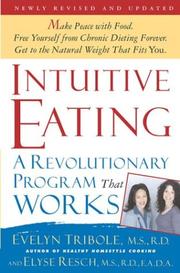
The original, definitive text by the two dietitians who created the framework. This is the essential manual of the entire movement and should be read as the centerpiece of the curriculum.

The official companion workbook with guided exercises for each principle. Reading and working through it immediately after the main book transforms intellectual understanding into lived, personal practice.
Healing the Emotional Layer
IntermediateUnderstand the psychological and emotional roots of disordered eating — including emotional eating, body shame, and the inner critic — and develop tools to heal them.
▸ Study plan for this stage
Pace: 6–8 weeks, ~25–30 pages/day. Start with "Eating in the Light of the Moon" (weeks 1–4), then transition to "The F*ck It Diet" (weeks 5–8). Allow 1–2 weeks of overlap for reflection and integration.
- The moon metaphor and cyclical nature of eating: understanding how emotional and psychological cycles mirror lunar patterns and natural rhythms, rather than viewing eating as linear failure
- Emotional eating as a valid communication system: recognizing that disordered eating behaviors carry psychological messages about unmet needs, trauma, and emotional states
- Body shame and the inner critic: identifying how internalized criticism and body disconnection fuel restrictive cycles and binge patterns
- The restriction-rebellion cycle: understanding how deprivation (physical and emotional) inevitably leads to compensatory overeating or binge episodes
- Intuitive eating as psychological healing: shifting from food rules to self-compassion, permission, and trust in your body's wisdom
- The role of diet culture and perfectionism: recognizing how external food rules and 'good/bad' morality around eating perpetuate shame and disconnection
- Somatic awareness and body reconnection: developing the ability to notice and honor hunger, fullness, and emotional signals without judgment
- Self-compassion as the antidote: practicing gentle, curious exploration of eating patterns instead of punishment and control
- How does Johnston's moon metaphor help reframe eating patterns as natural cycles rather than personal failures?
- What are the psychological messages your disordered eating behaviors have been trying to communicate, and what unmet needs do they signal?
- How does body shame and your inner critic voice maintain the restriction-rebellion cycle, and what would self-compassion look like instead?
- What specific food rules or 'shoulds' have you internalized from diet culture, and how do they trigger compensatory eating or emotional eating?
- How can you develop somatic awareness (noticing hunger, fullness, and emotional signals) as a tool for healing rather than control?
- What is the relationship between emotional safety and your ability to eat intuitively, and where do you need to build more trust in yourself?
- Moon cycle tracking: For 2–4 weeks, track your eating patterns, emotional states, and body sensations alongside the lunar cycle. Reflect on Johnston's moon metaphor—do you notice natural rhythms or cycles in your hunger, cravings, or emotional eating?
- Inner critic dialogue: Write out a conversation between your inner critic and a compassionate inner voice. Identify what your critic is trying to protect you from, then practice responding with curiosity instead of shame.
- Emotional eating inventory: List 5–10 times you've eaten when not physically hungry. For each, ask: What emotion was I feeling? What need was I trying to meet? What would have actually helped?
- Permission experiment: Choose one 'forbidden' food from diet culture. Give yourself unconditional permission to eat it without rules or guilt for 1–2 weeks. Notice what happens to your desire, your eating patterns, and your shame.
- Body scan and somatic check-in: Practice a 5-minute daily body scan, noticing hunger, fullness, tension, and emotional sensations without judgment. Journal what you notice and what your body is communicating.
- Restriction-rebellion cycle mapping: Draw or write out a specific cycle you experience (e.g., restrict → feel deprived → binge → shame → restrict). Identify where self-compassion and permission could interrupt the cycle.
Next up: This stage equips you with psychological insight into *why* disordered eating persists and practical tools for self-compassion; the next stage will build on this foundation by teaching you concrete, embodied practices for sustainable intuitive eating and integrating these emotional insights into daily life.
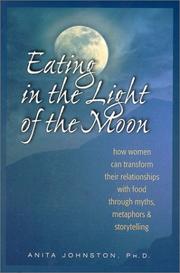
Uses myth, metaphor, and storytelling to explore the deeper emotional and psychological reasons women struggle with food. Its narrative approach makes it uniquely accessible and emotionally resonant at this stage of the journey.

A candid, humorous, and science-backed guide to stopping the restrict-binge cycle and trusting your body again. Its conversational tone makes difficult psychological concepts feel approachable and validating.
Body Respect & Embodiment
IntermediateDevelop a kinder, more neutral relationship with your body through body image work, somatic awareness, and self-compassion — moving from tolerance to genuine body respect.
▸ Study plan for this stage
Pace: 4–5 weeks, ~40–50 pages/day (approximately 2–3 hours of reading + reflection per day)
- Body respect as a political and personal act of resistance against weight stigma and diet culture messaging
- Somatic awareness: learning to listen to your body's signals, sensations, and needs without judgment
- The distinction between body image (how you think about your body) and body respect (how you treat your body)
- Self-compassion as a foundation for moving from body tolerance to genuine respect and care
- How cultural narratives, media, and internalized oppression shape your relationship with your body
- Embodiment practices: inhabiting your body fully rather than dissociating from or fighting against it
- The role of pleasure, movement, and sensory experience in reclaiming body respect
- Intersectionality: recognizing how identity, privilege, and systemic oppression affect body experience
- What does 'body respect' mean according to Linda Bacon, and how does it differ from body acceptance or body positivity?
- How do weight stigma, diet culture, and systemic oppression shape your current relationship with your body, and what evidence from the books supports this?
- What is somatic awareness, and how can you practice tuning into your body's signals in daily life?
- How does self-compassion function as a tool for moving from body tolerance to genuine body respect?
- What role does pleasure and joyful movement play in embodiment, according to the Kites' framework in 'More Than a Body'?
- How do cultural narratives and media literacy help you recognize and resist internalized body criticism?
- Daily somatic check-in: Spend 5–10 minutes each morning or evening noticing physical sensations (temperature, tension, ease, energy) without trying to change them; journal one observation
- Body respect audit: Identify one area where you currently tolerate your body versus respect it; design one small act of respect (e.g., comfortable clothing, movement you enjoy, nourishing food)
- Media literacy practice: Collect 3–5 images or advertisements that trigger body criticism; analyze the messaging using frameworks from 'More Than a Body' and rewrite the narrative
- Pleasure inventory: List 10 sensory or movement experiences that bring you genuine joy (not exercise for punishment); commit to doing one per week
- Self-compassion letter: Write a letter to your body from the perspective of a wise, caring friend, acknowledging its struggles and strengths using language from both books
- Embodiment movement practice: Try 15–20 minutes of movement (dance, yoga, walking, stretching) focused on sensation and pleasure rather than calorie burn; notice what shifts
- Internalized oppression mapping: Identify 3–5 critical or harsh thoughts about your body; trace where each came from (family, media, peers, diet culture) and practice a compassionate reframe
Next up: This stage equips you with a grounded, respectful relationship with your body and the somatic awareness needed to listen to your body's true needs—preparing you to move into the next stage where you'll apply this embodied wisdom to food choices, eating patterns, and intuitive decision-making.

Moves beyond Health at Every Size to focus specifically on body image and weight stigma, offering practical tools for respecting your body as it is now. It bridges the gap between intellectual acceptance and felt, embodied respect.

Grounded in original research on self-objectification, this book offers a powerful framework for reclaiming your body as a subject to live in rather than an object to be judged — a crucial final step in healing body image.
Integration: Food Freedom for Life
ExpertSynthesize all prior learning into a sustainable, joyful, and flexible relationship with food and your body that can last a lifetime — including navigating social pressures and raising intuitive eaters.
▸ Study plan for this stage
Pace: 8–10 weeks, ~25–30 pages/day (alternating between both books; 2–3 weeks per book with overlap for integration)
- The Food Freedom framework: moving beyond restriction and perfectionism to sustainable, flexible food choices that honor both health and enjoyment
- Creating a personal food protocol that works for your life rather than forcing your life to fit rigid rules
- Identifying and managing non-food emotional triggers and coping mechanisms that derail intuitive eating
- Navigating social eating situations, family dynamics, and external food pressures without abandoning your own food values
- Modeling and teaching intuitive eating principles to children: how to raise eaters who trust their bodies and enjoy food without shame
- Breaking the cycle of diet mentality in families and creating a food culture rooted in abundance, joy, and body trust
- Long-term sustainability: building habits and mindsets that last beyond the initial learning phase
- Integrating all previous intuitive eating principles (hunger/fullness cues, satisfaction, body respect) into real-world, imperfect living
- What is the difference between a food protocol and a diet, and how does the Whole30 Food Freedom framework help you design a personalized approach rather than follow rigid rules?
- How can you identify your own non-food triggers and emotional needs so you stop using food as the primary coping mechanism?
- What specific strategies from these books can you use to navigate social eating, family meals, and peer pressure while staying true to your intuitive eating values?
- How do you model intuitive eating to children, and what are the key differences between raising an intuitive eater versus raising a child with diet mentality?
- What does food freedom actually look like in your daily life, and how do you maintain it when perfectionism or external pressure creeps back in?
- How can you break inherited food rules and diet culture patterns in your family, and what does a food culture based on trust and joy look like?
- Design your personal Food Freedom protocol: identify 3–5 non-negotiable food values (e.g., 'I eat vegetables daily because I feel better,' 'I enjoy dessert without guilt'), then create a flexible framework that honors these without rigidity. Write it down and revisit monthly.
- Trigger mapping: for one week, track moments when you turn to food when not physically hungry. Identify the actual need (stress relief, boredom, loneliness, control). Brainstorm 2–3 non-food alternatives for each trigger and practice using them.
- Social eating scenario planning: identify 3 upcoming social eating situations (family dinner, restaurant with friends, holiday gathering). For each, write down your intuitive eating values and 2–3 specific phrases or strategies you'll use to stay grounded without explaining or justifying your choices.
- Family food culture audit: if you have or plan to have children, observe your current food language and rules around them. Identify 2–3 diet-culture phrases you use (e.g., 'that's bad for you,' 'you can't eat that') and replace them with intuitive eating language that builds trust in their body.
- Practice food freedom in one meal: choose one meal this week and eat it with zero rules—no 'shoulds,' no portion control, no guilt. Notice what you actually want, how much satisfies you, and what emotions arise. Journal about the experience.
- Create a 'food freedom' support system: identify 2–3 people in your life (friends, family, or online community) who support intuitive eating, and schedule regular check-ins to discuss challenges and wins. Share one insight from these books with them.
Next up: This stage completes the intuitive eating journey by anchoring all prior principles into real-world, lifelong practice—preparing readers to become both embodied practitioners and potential guides for others seeking freedom from diet culture.

Offers a practical roadmap for maintaining food freedom long-term after the initial healing work is done, addressing real-world challenges like social eating, travel, and emotional triggers.
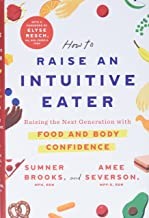
Extends intuitive eating principles to feeding children and family, helping readers break generational diet culture cycles. Placed last because it requires a solid personal foundation before one can effectively model and teach these principles to others.
Discussion
Keep reading
Paths that share books, cover the same subject, or open a related topic.