Eating disorders: compassionate books to understand recovery
This curriculum moves from personal, accessible narratives that build empathy and vocabulary, through evidence-based guides on recovery and body image, and finally into the clinical and scientific literature that explains the biology and psychology behind disordered eating. Each stage deepens the reader's understanding without overwhelming them, and every book is chosen to complement — never replace — professional care.
Foundations: Stories & First Understanding
BeginnerBuild empathy, recognize the human experience of eating disorders, and develop basic vocabulary before encountering clinical frameworks.
▸ Study plan for this stage
Pace: 8–10 weeks, ~40–50 pages/day (approximately 2–3 weeks per book with reflection time)
- Eating disorders as complex psychological and emotional conditions rooted in control, identity, and coping—not simply about food or appearance
- The lived experience of sufferers: internal thought patterns, triggers, and the progression from early warning signs to severe illness
- How eating disorders affect families and loved ones: the emotional toll on parents, siblings, and relationships
- The role of trauma, perfectionism, and mental health comorbidities (depression, anxiety, obsessive thinking) in eating disorder development
- Recovery as nonlinear: relapse, ambivalence, and the long-term nature of healing
- Individual variation in eating disorder presentation: restrictive patterns, binge-eating, purging, and how they manifest differently across people
- The gap between external appearance and internal suffering: why eating disorders are often invisible to outsiders
- How does Harriet Brown's perspective as a parent in *Brave Girl Eating* differ from the first-person accounts in *Wintergirls* and *Wasted*, and what does each viewpoint reveal about eating disorders?
- Trace the progression of disordered thinking in at least two of these books: What are the early warning signs, and how does the illness intensify over time?
- What role do perfectionism, control, and identity play in the eating disorder experiences described across these three narratives?
- How do *Wintergirls* and *Wasted* depict the internal experience of an eating disorder (thoughts, rituals, emotional states) in ways that build empathy?
- What does each book reveal about the impact of eating disorders on family relationships and how loved ones respond?
- How do trauma, mental health conditions, or life circumstances contribute to the development of eating disorders in these accounts?
- Character timeline: Create a visual timeline for the protagonist(s) in each book, marking key moments (onset of disordered eating, turning points, recovery milestones). Note how the illness progresses and what triggers appear.
- Perspective comparison chart: Make a three-column chart comparing how *Brave Girl Eating* (parental view), *Wintergirls* (first-person), and *Wasted* (first-person) each portray the same aspects (e.g., family dynamics, physical symptoms, emotional toll). What does each perspective add?
- Empathy journal: After finishing each book, write a 1–2 page reflection from the perspective of a character (the sufferer or a family member). What would they want others to understand about their experience?
- Vocabulary and language analysis: Collect 10–15 phrases or metaphors each author uses to describe disordered thinking, body image, or the eating disorder itself. What patterns emerge? How does language reveal the internal experience?
- Trigger and coping inventory: Identify the major triggers and coping mechanisms for the main characters across all three books. Create a chart showing how these differ or overlap, and what this suggests about individual variation in eating disorders.
- Recovery reflection: Compare the endings or recovery journeys in these three books. What does each author suggest about hope, setbacks, and the long-term nature of healing?
Next up: These intimate, first-hand narratives establish the human reality of eating disorders—their emotional complexity, family impact, and nonlinear recovery—providing the empathetic foundation necessary to engage critically with clinical frameworks, diagnostic criteria, and evidence-based treatment approaches in the next stage.
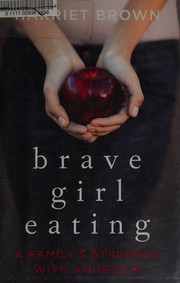
A mother's memoir of her daughter's anorexia recovery introduces the emotional reality of eating disorders in an approachable, non-clinical voice — the perfect first entry point.

This acclaimed young-adult novel portrays the inner world of anorexia and self-harm with unflinching honesty, helping readers understand the psychological pull of disordered eating without glorifying it.

A raw, first-person memoir of anorexia and bulimia that is widely read in the eating-disorder community; best read third, after the previous books have established a compassionate frame, as its content is intense.
Body Image & Cultural Context
BeginnerUnderstand how culture, media, and diet culture create the environment in which eating disorders develop, and begin to challenge internalized beliefs about bodies.
▸ Study plan for this stage
Pace: 8–10 weeks, ~25–30 pages/day (alternating between both books to build interconnected understanding)
- The Health at Every Size (HAES) paradigm: rejecting weight-centered medicine in favor of weight-neutral health practices and intuitive eating
- The weight-loss industry's role in perpetuating diet culture and profiting from body dissatisfaction
- How beauty standards are socially constructed and weaponized against women to maintain control and limit their power
- The intersection of media representation, consumerism, and the internalization of impossible beauty ideals
- How diet culture and beauty myths work together to create shame, self-surveillance, and disordered eating behaviors
- The distinction between biological diversity (set-point theory) and the myth of a single 'ideal' body
- Recognizing internalized oppression: how individuals absorb and perpetuate harmful cultural narratives about their own bodies
- What is the core argument of Health at Every Size, and how does it challenge traditional weight-loss medicine?
- According to Bacon, what role does the diet and weight-loss industry play in creating and maintaining body dissatisfaction?
- How does Naomi Wolf define the 'beauty myth,' and what does she argue is its primary function in society?
- What evidence does Wolf provide that beauty standards are culturally constructed rather than biologically determined?
- How do diet culture and beauty standards work together to control women's behavior, time, and economic resources?
- What is set-point theory, and why is it important for understanding weight regulation and body diversity?
- How can you identify internalized beliefs about your own body that come from cultural messaging rather than your own values?
- Media audit: Spend one week documenting all beauty and body-related messages you encounter (ads, social media, conversations). Categorize them by type and analyze which ones trigger shame or comparison—then identify the underlying 'beauty myth' each one promotes.
- Personal timeline: Map your own relationship with your body across your life, marking when external messages (family, peers, media) began influencing your self-perception. Identify which beliefs are truly yours versus internalized from culture.
- Diet culture inventory: List all the diet culture messages you've absorbed (e.g., 'carbs are bad,' 'you need to earn food through exercise'). For each, research the scientific evidence using HAES principles and rewrite it as a weight-neutral alternative.
- Intuitive eating practice: Choose one meal per day for two weeks and practice eating without external rules (no calorie counting, 'good/bad' food labels, or compensatory exercise). Journal how it feels and what thoughts arise.
- Beauty standard deconstruction: Select three beauty advertisements or influencer posts. Analyze what specific insecurities they're designed to trigger, what product/service they're selling, and who profits from your dissatisfaction.
- Conversation reflection: After having a conversation about bodies, weight, or appearance, write down what was said and identify which statements reflect diet culture or beauty myths. Practice reframing them using HAES language.
Next up: This stage establishes the cultural and systemic roots of eating disorders, preparing you to examine the psychological mechanisms and individual risk factors that transform these environmental pressures into clinical eating disorder symptoms in the next stage.

Introduces the evidence-based framework that separates health from body size, dismantling diet-culture assumptions that often underlie disordered eating — essential context before deeper clinical reading.
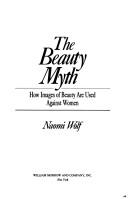
A landmark cultural analysis of how unrealistic beauty standards harm women; reading it here connects individual stories from Stage 1 to the broader social forces that fuel eating disorders.
Recovery Guides: Practical & Psychological Tools
IntermediateGain concrete, evidence-informed strategies for recovery, understand the role of emotions and relationships, and learn how to support oneself or a loved one.
▸ Study plan for this stage
Pace: 8–10 weeks, ~40–50 pages/day (approximately 2–3 weeks per book, with overlap for integration)
- Personifying the eating disorder as 'Ed' to externalize it and reclaim agency in recovery
- The biological, psychological, and social roots of disordered eating patterns and how they interact
- Intuitive eating principles: hunger/fullness cues, food neutrality, and rejecting diet mentality
- The role of emotions, body image, and self-compassion in sustainable recovery
- How to recognize and interrupt rigid food rules and perfectionism
- Effective communication and validation skills for supporting a loved one with an eating disorder
- The importance of multidisciplinary care and when to seek professional help
- Practical strategies for caregivers: reducing accommodation behaviors and fostering autonomy
- How does externalizing the eating disorder (as 'Ed') help someone reclaim control, and what are the limits of this metaphor?
- What are the core principles of intuitive eating, and how do they differ from diet culture?
- How do emotions, perfectionism, and body image maintain eating disorder behaviors, and what psychological shifts support recovery?
- What are the key communication and validation techniques for supporting someone with an eating disorder without enabling harmful behaviors?
- How can caregivers recognize when they are accommodating the eating disorder, and what is a more effective approach?
- Why is multidisciplinary care important in eating disorder recovery, and what role does each discipline play?
- Write a dialogue between yourself and 'Ed'—identify what Ed tells you, what you want to say back, and practice separating your values from Ed's voice daily for one week
- Track your hunger and fullness cues for 2 weeks without judgment; note patterns, emotions, and situations that disrupt intuitive signals
- Identify 3–5 rigid food rules you hold and practice eating one 'forbidden' food mindfully, noting physical sensations and emotions without restriction or compensation
- Create a self-compassion script for moments of shame or setback; practice it when struggling, and journal how it shifts your response compared to self-criticism
- Map your support network: identify who provides validation, who might be enabling, and draft a conversation with one person about how they can better support you
- Role-play a difficult conversation with a loved one (or write it out): practice validating their experience while setting a boundary about your own recovery needs
Next up: This stage equips you with practical tools and relational skills for active recovery; the next stage will deepen your understanding of the neurobiological, cultural, and systemic factors that sustain eating disorders, enabling you to contextualize your personal recovery within a broader framework.
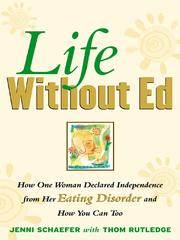
Uses a widely adopted therapeutic metaphor — treating the eating disorder as a separate entity — to teach practical recovery skills; a natural bridge from memoir into actionable guidance.
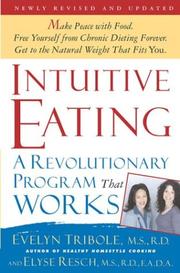
The foundational text on rebuilding a healthy relationship with food and hunger cues; its 10 principles are frequently used in eating-disorder recovery programs and build directly on the Health at Every Size framework.

Written by a leading eating-disorder researcher, this guide equips family members and carers with evidence-based communication skills — broadening the reader's perspective beyond the individual to the relational system.
The Science: Biology, Psychology & Treatment
ExpertUnderstand the neuroscience, genetics, and clinical psychology of eating disorders, and evaluate the major evidence-based treatment approaches.
▸ Study plan for this stage
Pace: 8–10 weeks, ~40–50 pages/day, with 1–2 days per week for review and integration
- The psychological and emotional roots of eating disorders: how trauma, perfectionism, control, and dissociation manifest through disordered eating behaviors
- Neurobiological mechanisms: brain chemistry (serotonin, dopamine), reward pathways, and how these systems become dysregulated in eating disorders
- Genetic and environmental risk factors: heritability estimates, family patterns, and how nature-nurture interactions predispose individuals to eating disorders
- The spectrum of eating disorders: diagnostic criteria, subtypes (restrictive vs. binge-purge), and how presentations differ across populations
- Evidence-based treatment modalities: cognitive-behavioral therapy (CBT), dialectical behavior therapy (DBT), family-based treatment, and pharmacological interventions with empirical support
- The role of the body-mind connection: how dissociation, embodiment work, and psychological integration are central to recovery
- Relapse prevention and long-term recovery: understanding triggers, building resilience, and sustaining behavioral change
- Clinical assessment and differential diagnosis: distinguishing eating disorders from other psychiatric conditions and identifying comorbidities
- What are the primary psychological and emotional factors that Johnston identifies as underlying eating disorder development, and how do concepts like dissociation and control relate to food restriction or binge eating?
- Explain the neurobiology of eating disorders: which brain regions and neurotransmitter systems are implicated, and how do these biological changes reinforce disordered eating behaviors?
- What does Costin identify as the major evidence-based treatment approaches for eating disorders, and what are the strengths and limitations of each?
- How do genetic and environmental factors interact to increase vulnerability to eating disorders, and what does the research suggest about heritability?
- According to Arnold's account in 'Decoding Anorexia,' what role do perfectionism, anxiety, and cognitive rigidity play in the development and maintenance of anorexia nervosa?
- What are the key differences between restrictive and binge-purge presentations of eating disorders, and how should treatment be tailored accordingly?
- Create a detailed case formulation: select a fictional or (with permission) real case and map the psychological, neurobiological, and environmental factors using frameworks from all three books; identify which treatment modality would be most appropriate and why
- Neurobiology mapping exercise: diagram the brain regions and neurotransmitter systems involved in eating disorders (using Arnold and Costin), then annotate how each contributes to specific symptoms (e.g., how dopamine dysregulation affects reward-seeking in binge eating)
- Treatment comparison matrix: create a table comparing CBT, DBT, family-based treatment, and psychodynamic approaches across efficacy, target populations, mechanisms of change, and contraindications
- Dissociation and embodiment journal: as you read Johnston's work, practice identifying moments of dissociation in case examples, then design a simple grounding or embodiment exercise that could interrupt the cycle
- Genetic-environmental interaction analysis: for 2–3 eating disorder presentations, trace how genetic predisposition (e.g., neuroticism, perfectionism) interacts with environmental stressors (trauma, cultural pressure, family dynamics) to produce the disorder
- Clinical interview simulation: write out or role-play a structured diagnostic interview for an eating disorder client, incorporating differential diagnosis questions and assessment of comorbidities, then compare your approach to Costin's guidelines
Next up: This stage equips you with the scientific foundation—neurobiology, psychology, genetics, and evidence-based treatments—that you'll now apply clinically and ethically in the next stage, whether that involves treatment planning, family intervention, or navigating the real-world complexities of recovery in diverse populations.
Uses Jungian psychology and storytelling to explore the deeper emotional and symbolic meanings of disordered eating, bridging the personal narratives of earlier stages with a more analytical psychological lens.
A comprehensive clinical overview by a therapist and recovered sufferer covering diagnosis, medical consequences, and all major treatment modalities — the most thorough single-volume reference in this curriculum.

Written by a science journalist and recovered sufferer, this book translates cutting-edge neuroscience and genetic research on anorexia into accessible language, giving the reader the deepest scientific grounding in the curriculum.
Discussion
Keep reading
Paths that share books, cover the same subject, or open a related topic.