Best Hungarian Cookbooks to Learn the Cuisine
This curriculum takes you from the cultural and flavor foundations of Hungarian cuisine all the way through its most iconic dishes — goulash and paprika stews, fried and filled doughs, the grand pastry tradition, and the Austro-Hungarian imperial legacy. Each stage builds on the last: you first absorb the spirit and pantry of Hungarian cooking, then master its hearty everyday classics, then tackle its refined baked and sweet heritage.
Foundations: The Hungarian Kitchen & Its Soul
BeginnerUnderstand the cultural context, essential pantry (especially paprika), flavor logic, and basic techniques that underpin all Hungarian cooking.
▸ Study plan for this stage
Pace: 4–5 weeks, ~25–30 pages/day. Start with George Lang's introductory chapters (1–2 weeks), then move to Gundel's foundational sections and technique chapters (2–3 weeks), allowing time for reflection and pantry exploration between books.
- Paprika as the soul of Hungarian cuisine: its history, varieties (sweet, hot, smoked), and role in flavor building
- The cultural and historical forces that shaped Hungarian food (Ottoman occupation, Austro-Hungarian Empire, regional diversity)
- The holy trinity of Hungarian cooking: onions, lard, and paprika as the flavor foundation
- Essential pantry staples and their functions: sour cream, caraway, marjoram, and rendered pork fat
- Core flavor logic: the balance of savory, slightly sweet, and acidic notes characteristic of Hungarian dishes
- Fundamental techniques: making roux (rántás), building flavor bases, slow-cooking stews (gulyás, pörkölt), and proper paprika application
- Regional variations within Hungary and how geography/history influenced local specialties
- The distinction between gulyás, pörkölt, and paprikash—foundational dish categories
- Why is paprika considered the soul of Hungarian cuisine, and what are the key differences between sweet, hot, and smoked paprika varieties?
- How did historical events (Ottoman occupation, Austro-Hungarian Empire) influence the development of Hungarian cooking techniques and ingredients?
- What are the essential pantry staples in Hungarian cooking, and what role does each play in building authentic flavor?
- Describe the basic technique for making a proper Hungarian roux (rántás) and explain why it is foundational to so many dishes.
- What is the flavor logic that distinguishes Hungarian cooking—how do onions, lard, paprika, and sour cream work together?
- What are the key differences between gulyás, pörkölt, and paprikash, and when would you use each?
- Create a Hungarian pantry inventory: source and taste at least three varieties of paprika (sweet, hot, smoked), and note the flavor differences. Store them properly and use them in the following exercises.
- Make a basic Hungarian roux (rántás) from scratch using lard and flour, practicing the timing and color development. Prepare it in batches and freeze for later use.
- Cook a simple gulyás or pörkölt from Gundel's recipes, focusing on proper paprika application, the role of the roux, and the slow-cooking process. Document the flavor development at each stage.
- Prepare a Hungarian sour cream sauce (paprikash base) and taste how sour cream balances the paprika and onion flavors. Serve it with chicken or vegetables.
- Visit a Hungarian or Eastern European market (or order online) to source authentic ingredients: Hungarian lard, caraway seeds, and fresh marjoram. Compare these to supermarket substitutes and note quality differences.
- Read and annotate George Lang's historical and cultural chapters, creating a timeline of how Ottoman and Austro-Hungarian influences shaped specific dishes mentioned in Gundel's cookbook.
Next up: This foundation in Hungarian flavor logic, pantry essentials, and core techniques equips you to move into regional specialties and advanced dishes, where you'll apply these principles to explore Hungary's diverse culinary traditions and master more complex preparations.
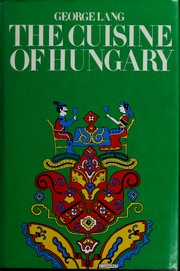
The definitive English-language introduction to Hungarian food — Lang covers history, regional identity, and the role of paprika with authority. Reading this first gives you the cultural map every other book assumes you have.

Written by Hungary's most celebrated restaurateur, this compact classic introduces the canon of everyday and festive dishes in plain terms. It establishes the core recipes — goulash, chicken paprikash, lángos — that later books will deepen.
The Paprika Family: Goulash, Stews & Soups
BeginnerMaster the goulash family of dishes — gulyás, pörkölt, paprikás, and tokány — understanding how fat, onion, and paprika build each variation, and how Hungarian soups work.
▸ Study plan for this stage
Pace: 2–3 weeks, ~20–25 pages/day, focusing on the goulash and soup sections of "Culinaria Hungary"
- The foundational role of rendered fat (lard or oil) as the flavor base for all goulash-family dishes
- How onion caramelization and paprika infusion create the characteristic flavor profile before meat is added
- The structural differences between gulyás (soup-like, with potatoes), pörkölt (stew with paprika-forward flavor), paprikás (creamy, with sour cream), and tokány (meat-forward, minimal vegetables)
- Paprika selection and quality: sweet vs. hot varieties and their impact on final dish character
- The role of stock, water, and cooking time in developing depth of flavor in Hungarian stews and soups
- Traditional Hungarian soup construction: stock-building, vegetable layering, and finishing techniques
- How regional variations and family traditions influence goulash and soup recipes across Hungary
- What is the correct sequence for building a goulash base, and why does the order of fat, onion, and paprika matter?
- How do gulyás, pörkölt, paprikás, and tokány differ in their final texture, creaminess, and vegetable content?
- What are the characteristics of quality Hungarian paprika, and how do sweet and hot varieties change a dish?
- How do traditional Hungarian soups differ from stews in terms of liquid ratio, cooking method, and intended consistency?
- What role does sour cream play in paprikás, and when is it added to avoid curdling?
- How would you adapt a pörkölt recipe if you only had hot paprika instead of sweet paprika?
- Make a basic gulyás from 'Culinaria Hungary,' paying close attention to the fat-onion-paprika sequence and noting how flavors develop at each stage
- Prepare a pörkölt and a paprikás side-by-side to directly compare how sour cream transforms the final dish and mouthfeel
- Cook a traditional Hungarian soup (such as bean soup or vegetable soup) from the book, focusing on stock-building and the layering of vegetables
- Taste-test two different paprika varieties (sweet and hot) in the same base recipe to understand their flavor impact and heat profile
- Document the cooking process of one goulash-family dish with photos and notes on color development, aroma changes, and texture evolution
- Prepare tokány using the book's guidance, noting how it differs from pörkölt in meat selection and vegetable minimalism
Next up: This stage builds the foundational techniques and flavor architecture of Hungarian cooking, preparing you to explore how these core methods extend into more complex dishes, regional specialties, and the role of other key ingredients like caraway, paprika-based sauces, and meat preparations in the broader Hungarian culinary tradition.

This regional encyclopedia maps where each goulash variant, sausage, and dumpling tradition lives geographically, giving you the intuition to understand why recipes differ and which paprika to reach for.
The Pastry Tradition: Rétes, Tortes & Sweet Baking
IntermediateUnderstand and execute Hungary's celebrated pastry repertoire: hand-stretched strudel (rétes), layered tortes, kifli, and the rich biscuit and cake traditions rooted in the home kitchen.
▸ Study plan for this stage
Pace: 4–5 weeks, ~40–50 pages/day, with 2–3 baking sessions per week
- Hand-stretching dough technique for rétes and the physics of gluten development in strudel pastry
- The structure and assembly of multi-layer tortes (dobos, Esterházy, flódni) and their historical significance in Hungarian cuisine
- Derecskey's approach to traditional fillings: apple, sour cherry, plum, and cheese—and how they balance sweetness and acidity
- Kifli shaping and lamination methods for crescent pastries with various fillings
- The role of precision in measuring and temperature control for consistent results across different pastry types
- Understanding how Hungarian pastry traditions reflect Central European influences and home kitchen practices
- Decorative techniques and finishing touches that define presentation in Hungarian baking
- What are the key steps in hand-stretching rétes dough, and why is gluten development critical to achieving the characteristic thin, translucent sheet?
- How do the structures of dobos torte, Esterházy torte, and flódni differ, and what makes each one distinctive?
- What filling combinations does Derecskey recommend for rétes, and how do the flavors and textures complement each other?
- How do you shape and laminate kifli, and what variations in filling does Derecskey present?
- What temperature and timing considerations are essential when baking layered tortes to ensure even cooking and proper caramelization?
- How do Hungarian pastry traditions reflect broader Central European baking practices, and what makes them uniquely Hungarian?
- Make a full batch of rétes dough and practice hand-stretching it over a table until you can achieve a thin, even sheet without tearing
- Bake at least two different rétes variations (e.g., apple and sour cherry) using Derecskey's recipes and document how filling moisture affects the final texture
- Prepare a complete dobos torte from start to finish, including the caramel topping, and evaluate your layering consistency and crumb structure
- Make a batch of kifli, experimenting with at least two different fillings, and practice the shaping technique until you achieve uniform crescents
- Bake a flódni or Esterházy torte and compare its structure and flavor profile to the dobos you made earlier
- Create a tasting journal comparing your homemade pastries to store-bought or restaurant versions, noting differences in texture, moisture, and flavor
Next up: This stage equips you with mastery of Hungary's most iconic pastry forms and the precision techniques required to execute them, preparing you to explore the savory pastry traditions, meat-filled preparations, and regional variations that build on these foundational skills.
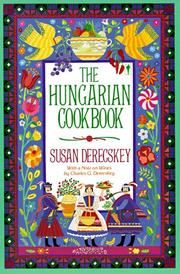
Derecskey's book is particularly strong on baking and sweets, with thorough explanations of strudel dough technique and the logic of Hungarian tortes — the best single resource for the home baker entering this territory.
The Austro-Hungarian Inheritance: Imperial Table & Regional Legacy
ExpertAppreciate how Hungarian cuisine shaped and was shaped by the Habsburg imperial kitchen — Dobos torte, Esterházy cake, Viennese crossovers — and synthesize the full picture of a cuisine that is both deeply local and grandly cosmopolitan.
▸ Study plan for this stage
Pace: 8–10 weeks, ~25–30 pages/day. Begin with Wechsberg's "The Cooking of Vienna's Empire" (weeks 1–5, slower pace for dense historical material), then transition to Rodgers' "Kaffeehaus" (weeks 6–10, faster pace as you build momentum and familiarity with the cultural context).
- The Habsburg court as a culinary melting pot: how Vienna's imperial kitchen synthesized dishes from across the multi-ethnic empire (Hungarian, Czech, Polish, Italian, Balkan influences)
- Signature Habsburg-Hungarian dishes as cultural ambassadors: Dobos torte, Esterházy cake, and other imperial desserts that encoded power, prestige, and regional identity
- The role of coffee culture and the Viennese coffeehouse in spreading Hungarian and Central European culinary traditions throughout the empire and beyond
- How regional Hungarian ingredients and techniques (paprika, sour cream, slow-braised meats) were elevated and reinterpreted in imperial court kitchens
- The tension between 'local authenticity' and 'imperial refinement': how dishes traveled, transformed, and were claimed by multiple cuisines
- The decline of the Austro-Hungarian Empire and its impact on culinary continuity: what survived, what was lost, and how modern Hungarian cooking preserves this legacy
- The coffeehouse as a social institution: how Viennese and Budapest coffeehouses became spaces where culinary innovation and cultural exchange happened
- How did the multi-ethnic composition of the Austro-Hungarian Empire directly influence the dishes that became iconic in Vienna's imperial kitchen, and which Hungarian dishes were elevated to imperial status?
- What makes Dobos torte and Esterházy cake distinctly 'imperial' rather than purely Hungarian, and what does their creation reveal about the relationship between regional and court cuisine?
- How did the Viennese coffeehouse culture, as described in 'Kaffeehaus,' serve as a vehicle for spreading and legitimizing Hungarian and Central European culinary traditions?
- Trace the journey of a specific ingredient (such as paprika) or technique (such as sour cream-based sauces) from Hungarian regional cooking through the imperial kitchen and into the broader European culinary canon.
- What culinary elements were lost or transformed after the collapse of the Austro-Hungarian Empire, and how do modern Hungarian chefs and food writers work to preserve or reclaim this imperial legacy?
- How do Wechsberg and Rodgers each characterize the relationship between 'authenticity' and 'cosmopolitanism' in Central European cuisine, and where do they agree or disagree?
- Read Wechsberg's chapters on imperial court menus and create a comparative chart: list 5–7 dishes, their Hungarian origins, their imperial court versions, and the specific techniques or ingredients that changed. Note which dishes appear in both Wechsberg and Rodgers.
- Prepare Dobos torte and Esterházy cake from recipes in or referenced by the books (or from a reliable Hungarian source). Document how the recipes reflect both Hungarian tradition and imperial refinement; photograph or sketch the layers and presentation.
- Visit or research a Viennese or Hungarian coffeehouse (in person or via detailed online exploration). Identify 3–4 pastries or drinks on the menu that reflect the imperial-regional synthesis discussed in 'Kaffeehaus,' and write a 1–2 page reflection on how the space itself embodies the cultural legacy.
- Create a 'culinary biography' of one dish (e.g., Wiener Schnitzel, Paprikash, or a specific cake): trace its origins, its transformation in the imperial court, its role in coffeehouse culture, and its modern status. Use both books as primary sources.
- Prepare a multi-course meal inspired by Wechsberg's descriptions of an imperial court dinner, then a simpler version as it might have been served in a Viennese coffeehouse (per Rodgers). Compare the two experiences and write a reflection on how context and setting shape the meaning of food.
- Conduct a close reading of Rodgers' chapters on coffeehouse history and culture: annotate 3–4 passages that reveal how the coffeehouse functioned as a space of culinary and cultural exchange, and connect each to a specific dish or tradition discussed in Wechsberg.
Next up: This stage equips you with a sophisticated understanding of how Hungarian cuisine operates simultaneously as a deeply rooted regional tradition and a cosmopolitan imperial legacy—a duality that will deepen your appreciation for modern Hungarian cooking's relationship to its past and its contemporary innovations in the next stage.
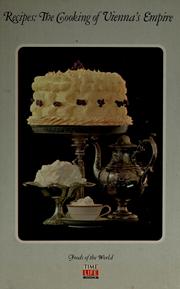
This Time-Life Foods of the World volume remains the most readable account of the shared imperial table — Hungarian, Austrian, Czech, and beyond — showing exactly how goulash reached Vienna and how Viennese pastry flowed back to Budapest.
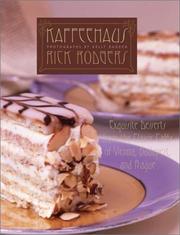
Rodgers reconstructs the Austro-Hungarian coffeehouse pastry tradition — Dobos torte, Esterházy torte, rétes, and more — with historically grounded recipes that let you cook the grand finale of the entire curriculum.
Discussion
Keep reading
Paths that share books, cover the same subject, or open a related topic.