The Best Books on Household Pest Control, in Order
This curriculum takes a beginner from zero knowledge to confident, integrated pest management at home — starting with how to identify common pests and understand their biology, moving through prevention and non-toxic control strategies, and finally reaching advanced IPM (Integrated Pest Management) and chemical-use knowledge. Each stage builds the vocabulary and mental models needed for the next, so no step feels like a leap.
Foundations: Know Your Enemy
BeginnerIdentify the most common household insects and rodents, understand their basic biology and behavior, and learn why they enter homes in the first place.
▸ Study plan for this stage
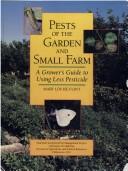
Pace: 4–5 weeks, ~25–30 pages/day. Start with Gilkeson's problem-solving framework (1–2 weeks), then move to Olkowski's comprehensive pest biology and behavior sections (2–3 weeks).
- Pest identification: morphology and life stages of common household insects (ants, cockroaches, flies, beetles) and rodents (mice, rats)
- Integrated Pest Management (IPM) philosophy: prevention, monitoring, and intervention hierarchy as presented in both texts
- Basic insect and rodent biology: reproduction cycles, habitat preferences, and seasonal patterns that drive indoor infestations
- Entry points and attractants: how and why pests infiltrate homes (food sources, moisture, shelter, cracks/gaps)
- Behavioral ecology: pest movement patterns, nesting sites, and feeding habits that explain their presence in specific rooms
- Sanitation and exclusion as foundational control strategies before chemical or biological interventions
- Pest-specific triggers: understanding what conditions in your home create ideal breeding and survival environments
- What are the three main reasons household pests enter homes, and how does understanding pest biology help you address each reason?
- Describe the life cycle of at least three common household pests (e.g., cockroaches, houseflies, ants) and explain how this knowledge informs prevention strategies.
- What is Integrated Pest Management (IPM), and how do Gilkeson and Olkowski present the hierarchy of control methods?
- Identify five common entry points and conditions that attract pests to homes, and explain which pests are most attracted to each.
- How do seasonal changes affect pest behavior and indoor infestations, and what does this mean for year-round pest prevention?
- What is the difference between treating a pest problem and preventing one, and why do both authors emphasize prevention first?
- Create a visual identification guide: sketch or photograph and label the key morphological features (body segments, antennae, legs, wings) of at least 5 common household pests mentioned in the books.
- Map your home's vulnerabilities: walk through your house and identify 10+ potential entry points (cracks, gaps, poorly sealed pipes) and attractants (food storage, moisture sources, clutter) using Olkowski's exclusion principles.
- Life cycle timeline: for three pests (e.g., German cockroach, house mouse, fruit fly), create a detailed timeline showing egg, larval/nymph, and adult stages, including duration and conditions needed for each stage.
- Pest behavior observation: monitor one area of your home (kitchen, bathroom, basement) for one week and record pest sightings with time, location, and behavior—then cross-reference observations with Gilkeson's and Olkowski's descriptions of typical patterns.
- IPM decision tree: build a flowchart for one common household pest showing how you would diagnose an infestation, assess severity, and choose control methods following the IPM hierarchy presented in both texts.
- Sanitation audit: photograph and document current sanitation practices in high-risk areas (kitchen, pantry, under sinks) and identify 5–10 improvements based on pest prevention principles from the readings.
Next up: Mastering pest identification and biology establishes the diagnostic foundation needed for the next stage, where you will learn specific, targeted control methods—both preventive and active—tailored to individual pest species.
A highly accessible, illustrated reference that introduces beginners to identifying a wide range of household and garden pests. Reading this first gives you the visual vocabulary and identification skills everything else depends on.
A landmark, encyclopedic guide to least-toxic pest management written for a general audience. It covers pest biology and behavior in plain language, making it the ideal second read to understand *why* pests behave as they do before you try to stop them.
Integrated Pest Management: The Core Method
IntermediateUnderstand and apply Integrated Pest Management (IPM) — combining monitoring, thresholds, biological, mechanical, and targeted chemical controls into a coherent decision-making system.
▸ Study plan for this stage
Pace: 4–5 weeks, ~25–30 pages/day, with 2–3 days per week dedicated to hands-on application and monitoring
- IPM as a decision-making framework: combining monitoring, action thresholds, and multiple control tactics (biological, mechanical, chemical) rather than relying on pesticides alone
- Pest monitoring and scouting techniques: how to systematically identify, count, and track pest populations to inform treatment decisions
- Economic and action thresholds: understanding when pest populations reach levels that justify intervention, balancing crop/plant damage against control costs
- Biological controls: how beneficial insects, predators, and parasitoids suppress pests naturally, and how to conserve or introduce them
- Mechanical and cultural controls: physical removal, habitat modification, sanitation, and timing practices that reduce pest pressure without chemicals
- Targeted chemical controls: using pesticides strategically and selectively only when other tactics are insufficient, minimizing environmental impact
- IPM implementation in home gardens: adapting the framework to small-scale ornamental and vegetable growing with practical constraints
- Record-keeping and adaptive management: documenting pest observations, control actions, and outcomes to refine decisions over time
- What is Integrated Pest Management, and how does it differ from a pesticide-first approach to controlling household pests?
- How do you determine an action threshold for a pest, and why is it important to monitor pest populations before deciding to treat?
- Describe three biological control strategies discussed in Cloyd's book and explain how each reduces pest populations without synthetic chemicals.
- What are mechanical and cultural controls, and give at least three specific examples from the book that apply to garden or household pest situations.
- When and why would you use a targeted chemical control in an IPM program, and what precautions should you take to minimize harm?
- How should you keep records of pest monitoring and control actions, and how does this information improve future pest management decisions?
- Set up a monitoring routine for one common household or garden pest (e.g., aphids, spider mites, whiteflies): scout plants 2–3 times per week, count pest populations, and record observations in a log for at least 3 weeks.
- Identify the action threshold for your chosen pest using Cloyd's guidelines, then determine whether treatment is warranted based on your monitoring data.
- Implement one biological control tactic (e.g., introducing ladybugs, planting flowers to attract parasitoid wasps, or conserving native predators) and track its effectiveness over 4–6 weeks.
- Apply one mechanical or cultural control method (e.g., hand-picking, pruning infested branches, improving air circulation, or adjusting watering schedules) and document the results.
- Create a simple IPM decision chart for your garden or household plants, mapping out which control tactics you would use at different pest population levels.
- Review a pesticide label for a product you might use, identify the active ingredient and safety precautions, and explain how you would apply it as a last resort within an IPM framework.
Next up: This stage establishes IPM as a systematic, evidence-based approach to pest control; the next stage will likely deepen expertise in specific pest categories (e.g., insects, diseases, weeds) or scale up IPM principles to larger landscapes, building on the foundational decision-making framework you've now internalized.

A rigorous yet readable introduction to formal IPM decision-making — pest thresholds, monitoring techniques, and choosing the least-disruptive intervention. This is the conceptual core of the curriculum and prepares the reader for more advanced chemical and biological topics.
Specific Threats: Insects & Rodents In Depth
IntermediateDeep-dive into the biology, habits, and targeted control of the most damaging household pests: ants, cockroaches, termites, bed bugs, mice, and rats.
▸ Study plan for this stage
Pace: 4–5 weeks, ~25–30 pages/day (approximately 150–160 pages total for the Bed Bug Handbook)
- Bed bug life cycle and reproductive biology (eggs, nymphs, adults, molting requirements)
- Behavioral ecology: host-seeking, feeding patterns, aggregation, and dispersal mechanisms
- Morphological identification of bed bugs across all life stages and differentiation from similar pests
- Infestation detection methods: visual inspection, monitoring traps, and canine detection
- Integrated Pest Management (IPM) approach to bed bug control combining multiple strategies
- Chemical control options: insecticide classes, resistance mechanisms, and application methods
- Non-chemical control: heat treatment, vacuuming, encasement, and environmental modification
- Health impacts and psychological effects of bed bug infestations on human hosts
- What are the distinct life stages of bed bugs and what environmental conditions (temperature, humidity, host availability) are required for development at each stage?
- How do bed bugs locate, approach, and feed on human hosts, and what behavioral cues trigger these activities?
- How can you reliably identify bed bugs in all life stages and distinguish them from other common household arthropods?
- What are the primary methods for detecting bed bug infestations before they become severe, and what are the limitations of each method?
- What is the IPM framework for bed bug control, and how do chemical, thermal, and mechanical methods work together in a comprehensive treatment plan?
- Why do bed bug populations develop insecticide resistance, and what resistance mechanisms are documented in field populations?
- Conduct a detailed morphological study: sketch or photograph bed bugs at each life stage (egg, 1st–5th instar nymphs, adult male/female) and create a visual identification key highlighting distinguishing features
- Perform a simulated inspection of a furnished room: identify 5–10 likely harborage sites where bed bugs hide and explain why each location is attractive based on their behavioral ecology
- Research and compare three insecticide classes (pyrethroids, neonicotinoids, IGRs): document their modes of action, known resistance patterns, and appropriate application sites from the handbook's guidance
- Design a mock IPM treatment plan for a multi-room apartment infestation: specify which non-chemical methods you'd use first, when and where you'd apply chemicals, and how you'd monitor for success
- Create a temperature/humidity chart and explain how environmental conditions affect bed bug development rates and survival, then identify which conditions favor control strategies like heat treatment
- Interview or survey 3–5 people about bed bug experiences (or research case studies): document the behavioral and psychological impacts described and relate them to the biological information in the handbook
Next up: This deep understanding of bed bug biology, detection, and control strategies establishes the foundational IPM framework and pest-specific knowledge needed to tackle the remaining household pests (ants, cockroaches, termites, mice, and rats) with similar systematic rigor.

The definitive professional reference on bed bugs — identification, inspection, and eradication — made accessible enough for informed homeowners. Bed bugs are among the hardest pests to control, so mastering this case study sharpens all your IPM skills.
Advanced: Safe Chemical Use & Professional-Level Knowledge
ExpertUnderstand pesticide chemistry, toxicology, and regulation well enough to make safe, targeted, and legal decisions about when and how to use chemical controls as a last resort.
▸ Study plan for this stage
Pace: 8–10 weeks, ~40–50 pages/day (mix of dense technical content and reference material; allow extra time for toxicology and regulatory sections)
- Pesticide chemistry fundamentals: active ingredients, formulations, modes of action, and how chemical structure determines efficacy and toxicity
- Toxicology principles: LD50, acute vs. chronic toxicity, dose-response relationships, and how to interpret safety data sheets and label information
- Pesticide classification systems: organophosphates, pyrethroids, neonicotinoids, fungicides, herbicides, and their specific mechanisms and risks
- Regulatory frameworks: EPA registration, label requirements, legal use restrictions, and how to verify compliance before application
- Pest identification and life cycle biology as prerequisites for targeted chemical selection: matching the right pesticide to the specific pest and growth stage
- Application methods and dosage calculation: how delivery method, timing, concentration, and environmental conditions affect safety and effectiveness
- Resistance management and integrated pest management (IPM) principles: when chemicals are truly the last resort and how to minimize resistance development
- Personal protective equipment (PPE), handling, storage, and disposal: practical safety protocols to prevent exposure and environmental contamination
- What is the difference between acute and chronic toxicity, and how do you use LD50 values and safety data sheets to assess whether a pesticide is appropriate for your situation?
- How do different pesticide classes (organophosphates, pyrethroids, neonicotinoids, etc.) differ in their modes of action, target pests, and toxicological profiles?
- What does an EPA pesticide label tell you, and what legal and safety information must you verify before using any chemical control?
- How do you identify a specific pest and determine its life cycle stage, and why does this information determine which pesticide (if any) is the right choice?
- What are the key steps in calculating the correct dosage for a given area, and how do application method and environmental conditions affect both safety and efficacy?
- What are the core principles of integrated pest management (IPM), and when is chemical control justified as a last resort rather than a first response?
- Read and annotate three pesticide labels from your local garden center or online EPA database; for each, extract the active ingredient, target pests, application rate, re-entry interval, and any restricted-use warnings, then explain why each restriction exists based on toxicology principles from Ware
- Create a toxicology comparison chart for three pesticides used on a common garden pest (e.g., aphids): list active ingredient, chemical class, LD50, mode of action, environmental persistence, and toxicity to non-target organisms; use this to justify which you would choose and why
- Identify a pest problem in your garden, yard, or a case study scenario; use Flint's identification and life cycle information to determine the pest's current stage, then research and document which pesticide (if any) would be most appropriate, legal, and safe at that stage
- Design a complete application protocol for a single pesticide: calculate dosage for your target area, specify PPE requirements, plan timing based on pest biology and weather, identify storage and disposal procedures, and document all label compliance steps
- Interview or shadow a licensed pest control professional or agricultural extension agent; ask them how they use toxicology data, label information, and IPM principles to make decisions; document their decision-making process and compare it to what you learned in Ware and Flint
- Conduct a mock safety audit of a pesticide storage and handling setup (real or hypothetical): identify violations, missing PPE, improper dilution, or disposal errors, then create a corrective action plan based on regulatory and toxicological best practices
Next up: This stage equips you with the scientific and regulatory foundation to make informed, safe, and legal chemical decisions—preparing you to either specialize further in professional pest management certification, or to confidently integrate chemical controls as a justified last resort within a broader, sustainable household or farm management system.
The standard reference on pesticide chemistry, modes of action, safety, and environmental fate. After completing the earlier stages, this gives the reader the scientific grounding to evaluate any product label critically and use chemicals responsibly.
A UC IPM Program masterwork that synthesizes identification, biology, and full-spectrum control options — including chemical — into a rigorous, evidence-based reference. It serves as the capstone, tying together everything learned and providing a model for ongoing, professional-quality pest management decisions.
Discussion
Keep reading
Paths that share books, cover the same subject, or open a related topic.