Gymnastics basics: the best books to build strength and skills
This curriculum takes a complete beginner from zero gymnastics experience to confident, technique-driven practice across conditioning, tumbling, and apparatus work. Each stage builds on the last — starting with body awareness and foundational strength, moving into core gymnastics skills and drills, and finally tackling apparatus-specific technique and advanced bodyweight mastery.
Body Foundations
BeginnerBuild the baseline flexibility, mobility, and bodyweight strength that every gymnastics skill depends on — before touching a single piece of apparatus.
▸ Study plan for this stage
Pace: 8–10 weeks, ~20–30 pages/day with daily practice sessions (30–45 minutes)
- Static stretching protocols and proper form to increase range of motion safely without ballistic movements
- The concept of progressive overload in bodyweight training: mastering easier progressions before advancing to harder ones
- The six primary bodyweight movement patterns (push, pull, squat, hinge, carry, core) and their role in building foundational strength
- The neuromuscular adaptation phase: how the nervous system learns movement patterns before muscles grow
- Breathing mechanics and tension management during stretching and strength work to prevent injury
- The relationship between flexibility and strength: why balanced mobility prevents compensation patterns in gymnastics
- Consistency and patience as non-negotiable principles—foundational work takes time but prevents injury later
- What is the difference between static and ballistic stretching, and why does Anderson recommend one over the other for building lasting flexibility?
- Explain the progression system in Convict Conditioning: how do you know when you're ready to advance from one progression level to the next?
- How do breathing and tension management prevent injury during both stretching (Anderson) and strength training (Wade)?
- Name the six primary bodyweight movement patterns from Convict Conditioning and give one example progression for each.
- Why is the foundational phase (before apparatus work) critical for injury prevention in gymnastics, according to these books?
- How do flexibility gains from stretching protocols directly support the strength progressions taught in Convict Conditioning?
- Complete Anderson's full-body stretching routine daily (all major muscle groups) for 4 weeks, tracking range of motion improvements in 5 key stretches weekly
- Master the first two progressions of each of the six primary movements from Convict Conditioning (e.g., wall push-ups and incline push-ups for the push pattern) before advancing
- Perform a 10-minute breathing and tension check-in before every training session: identify where you hold tension and consciously release it
- Create a personal flexibility baseline assessment using Anderson's tests (hamstring, hip flexor, shoulder, thoracic spine) and retest every 2 weeks
- Build a 30-minute daily routine combining 15 minutes of Anderson stretching + 15 minutes of Convict Conditioning progressions; practice this routine 5–6 days per week for 8 weeks
- Video record yourself performing 3 key movements (e.g., a push-up progression, a squat progression, a hinge progression) and compare form weekly to catch compensation patterns early
Next up: Mastering foundational flexibility and bodyweight strength creates the stable, mobile, injury-resistant body required to safely learn apparatus-specific skills and more complex movement patterns in the next stage.
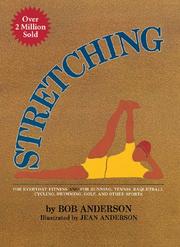
The definitive beginner stretching guide, this establishes the flexibility and mobility habits essential for safe gymnastics training. Read first to build the body awareness and range of motion that every subsequent skill requires.
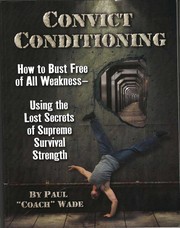
Introduces a progressive, step-by-step bodyweight strength system (push-ups, squats, bridges, handstands) that mirrors gymnastics conditioning logic. Reading this second gives beginners a structured strength ladder before learning formal gymnastics progressions.
Gymnastics Fundamentals
BeginnerUnderstand the core vocabulary, safety principles, and foundational skills of gymnastics — rolls, cartwheels, handstands, and basic tumbling — with proper form from day one.
▸ Study plan for this stage
Pace: 4–5 weeks, ~20–25 pages/day with 2–3 rest days per week for physical practice
- Core gymnastics vocabulary: apparatus names, movement terminology, and body position descriptors (pike, tuck, straddle, hollow body, arch)
- Safety principles: spotting techniques, mat setup, injury prevention, and proper progression from beginner to intermediate skills
- Foundational tumbling mechanics: the physics of momentum, center of gravity, and body alignment in rolls and cartwheels
- Forward and backward roll technique: entry, body positioning, weight distribution, and common form errors to avoid
- Cartwheel progression: hand placement, weight transfer, leg positioning, and the transition from wall-assisted to free-standing execution
- Handstand fundamentals: shoulder stability, core engagement, wall-assisted practice, and the progression toward free-standing balance
- Basic tumbling sequences: combining rolls, cartwheels, and handstands into safe, controlled progressions
- Flexibility and conditioning requirements: why mobility and strength underpin safe skill execution
- What are the key safety principles and spotting techniques outlined in Readhead's approach, and why is proper progression essential before attempting advanced skills?
- Describe the correct body position and weight distribution for executing a forward roll with proper form, and identify three common mistakes beginners make.
- Explain the step-by-step progression for learning a cartwheel, from wall-assisted practice to free-standing execution, including hand and foot placement.
- What is the significance of hollow body and arch positions in gymnastics, and how do they apply to handstands and tumbling?
- How do momentum, center of gravity, and body alignment work together in basic tumbling movements?
- What conditioning and flexibility work does Readhead recommend as prerequisites for safe skill development?
- Perform 10 forward rolls daily on a mat, focusing on tucked body position, smooth weight transfer, and controlled momentum—record video to check form against Readhead's descriptions
- Practice wall-assisted handstands 3–4 times per week for 30–60 seconds, emphasizing shoulder stability and straight-line body alignment
- Execute cartwheel progressions: begin with wall-assisted cartwheels, then progress to cartwheels with a spotter, recording form for self-assessment
- Perform daily hollow body holds (3 sets of 20–30 seconds) and arch holds (3 sets of 20–30 seconds) to build the postural awareness needed for tumbling
- Create a safety checklist based on Readhead's spotting and mat setup guidelines, then set up and practice with a partner using proper spotting technique on rolls and cartwheels
- Combine a forward roll, cartwheel, and backward roll into a simple sequence, repeating 5–10 times to build flow and reinforce proper form across multiple skills
Next up: This stage equips you with the vocabulary, safety mindset, and foundational movement patterns needed to progress to intermediate skills such as aerials, more complex tumbling sequences, and apparatus-specific techniques in the next stage.
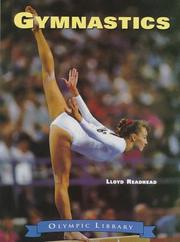
A comprehensive, coach-approved introduction to gymnastics fundamentals covering technique, safety, and skill progressions for all apparatus. This is the primary gymnastics textbook for this stage, grounding the learner in correct form and terminology.
Tumbling & Acrobatic Skills
IntermediateDevelop confident tumbling technique — forward and backward rolls, round-offs, back walkovers, and entry-level flipping skills — with an understanding of the physics and body mechanics behind each move.
▸ Study plan for this stage
Pace: 4–5 weeks, ~25–30 pages/day, with 2–3 practice sessions per week
- Proper body alignment and core engagement as the foundation for all tumbling movements
- Progressive skill sequencing: how to build from basic rolls to more complex acrobatic movements safely
- The role of momentum, gravity, and center of mass in executing forward rolls, backward rolls, and round-offs
- Spotting techniques and safety protocols to prevent injury during skill progression
- Back walkovers and entry-level flipping: hand placement, shoulder flexibility, and controlled weight transfer
- Common technical faults in tumbling and how to correct them through targeted drills
- The physics of rotational movement: how body position affects speed and control in flips and rolls
- What are the key body alignment checkpoints for a safe forward roll, and why does core engagement matter?
- How does the progression from basic rolls to round-offs prepare the body for more advanced flipping skills?
- What is the role of spotting in teaching tumbling skills, and what are the spotter's primary responsibilities?
- Explain the relationship between center of mass, momentum, and control in executing a backward roll versus a round-off.
- What are the critical hand and shoulder positions for a back walkover, and what flexibility requirements must be met first?
- How would you identify and correct a common fault in a student's round-off or back handspring entry?
- Perform 10 controlled forward rolls on a mat, focusing on maintaining a tight tuck and even weight distribution; video record and self-assess alignment
- Execute 10 backward rolls with deliberate shoulder placement and neck safety; practice the progression from tucked to extended positions
- Practice 15 round-offs with emphasis on the cartwheel-to-snap transition; focus on landing position and momentum control
- Hold a back walkover progression (bridge hold → shoulder stand → assisted walkover) for 5 repetitions, building flexibility and confidence
- Perform spotting drills with a partner: spot 5 forward rolls, 5 backward rolls, and 3 round-offs, applying the techniques from the book
- Create a written drill sequence for teaching a beginner tumbler the progression from forward rolls to round-offs, with safety checkpoints at each stage
Next up: This stage builds the fundamental tumbling mechanics, body awareness, and safety practices that are essential for progressing to advanced flipping skills, aerial awareness, and combination sequences in the next level.

Published by the national governing body, this book provides structured skill progressions, spotting techniques, and drill sequences for tumbling and apparatus. It gives the self-directed learner a coach's-eye view of how skills are safely sequenced and taught.
Apparatus Technique
IntermediateApply gymnastics fundamentals to specific apparatus — beam, bars, vault, and floor — understanding the unique demands, technique cues, and conditioning requirements of each event.
▸ Study plan for this stage
Pace: 6–8 weeks, ~40–50 pages/day, with 2–3 days per week dedicated to apparatus-specific practice and conditioning drills
- Apparatus-specific body positioning and alignment for beam, bars, vault, and floor
- Technique cues and progressions unique to each apparatus (e.g., grip mechanics on bars, landing mechanics on vault)
- Conditioning and strength requirements tailored to each event's demands
- Fundamental skills progression from basic to intermediate difficulty on each apparatus
- Safety protocols and spotting techniques for apparatus work
- Biomechanical principles applied to apparatus-specific movements
- Consistency and precision in executing apparatus fundamentals under fatigue
- What are the key technique differences between beam work and floor work, and why do these differences exist?
- How do grip and arm positioning vary across the different bar apparatus, and what conditioning supports these positions?
- What are the critical body alignment cues for a safe and efficient vault approach and takeoff?
- How do landing mechanics differ between floor exercise and vault, and what conditioning prevents injury?
- What progression pathway would you design for a gymnast moving from basic to intermediate skills on a specific apparatus?
- How do you identify and correct common technical flaws on each apparatus?
- Practice and film 3–5 fundamental skills on each apparatus (beam, bars, vault, floor), identifying technique cues from the texts in real-time
- Design a 2-week conditioning program targeting the specific strength and flexibility demands of one apparatus, referencing conditioning guidance from the books
- Perform spotting drills with a partner on at least two apparatus, applying safety protocols outlined in the texts
- Analyze video footage of intermediate gymnasts on each apparatus and annotate technique cues, progressions, and common errors using the books as reference
- Execute a full skill progression sequence on one apparatus (e.g., 5–8 connected skills), focusing on consistency and precision
- Create apparatus-specific warm-up and cool-down routines based on the conditioning and technique principles in the texts
- Teach a peer one fundamental skill from each apparatus, explaining the technique cues and conditioning rationale from the books
Next up: This stage equips you with apparatus-specific technical mastery and conditioning foundations, preparing you to advance to skill combinations, routine construction, and competitive performance strategies in the next stage.
Covers all major gymnastics apparatus with clear technique breakdowns and photographic instruction. Reading this after tumbling foundations allows the learner to map their existing skills onto specific events with confidence.
A thorough, event-by-event guide written by an Olympic gymnast, offering insider technique tips and training advice for floor, beam, bars, and vault. Schlegel's athlete perspective adds nuance that purely coaching-focused books miss.
Strength, Handstands & Mastery
ExpertAchieve deep mastery of handstands, rings-style strength, and the high-level bodyweight control that separates competent gymnasts from truly skilled movers.
▸ Study plan for this stage
Pace: 10–12 weeks, ~40–50 pages/day with 2–3 days/week dedicated to practical skill work and strength testing
- Systematic progression from basic to advanced handstand holds: wall-supported → freestanding → dynamic movements (Sommer's foundation framework)
- The concept of 'gymnastic strength' as distinct from gym-based strength: integrated, functional, and movement-specific (Sommer's core philosophy)
- Rings-specific strength development: understanding the unique demands of iron cross, maltese, and lever progressions (Low's systematic progressions)
- Structural balance and injury prevention through antagonist training and joint preparation (both authors emphasize this)
- The role of skill acquisition vs. pure strength: how to layer complexity and control on top of raw capacity (Sommer's sequencing model)
- Periodization and programming for advanced bodyweight athletes: managing fatigue, deload cycles, and long-term progression (Low's detailed programming chapters)
- Proprioceptive mastery and body awareness as the foundation for advanced movements (implicit in both texts)
- Scaling and regression strategies when progress stalls or injury occurs (practical wisdom from both authors)
- What are the key differences between Sommer's handstand progression model and traditional approaches, and why does he emphasize wall-supported holds before freestanding work?
- How does Low define 'gymnastic strength' and what makes it different from strength gained through traditional weightlifting?
- Describe the progression pathway for rings work from basic support holds to advanced movements like the iron cross or maltese, according to Low's framework.
- What role does antagonist training play in Sommer's system, and why is it critical for long-term injury prevention in advanced gymnastics?
- How would you design a 12-week mesocycle for an athlete who can hold a freestanding handstand for 30 seconds but struggles with handstand walking or dynamic movements?
- What are the primary differences between skill work and strength work in Sommer's model, and how should they be balanced in a weekly training schedule?
- Complete a full handstand assessment using Sommer's framework: test wall-supported holds, freestanding balance time, and attempt a handstand walk. Document baseline metrics and retest every 2 weeks.
- Build a 12-week periodized training plan using Low's programming principles: identify your current level on rings (support hold, tuck planche, etc.), select 2–3 progression targets, and structure weekly volume/intensity cycles.
- Practice the 'hollow body' position daily (5–10 minutes) as Sommer prescribes: this is foundational for all advanced movements. Film yourself to verify alignment and compare to reference videos.
- Implement antagonist pairings for 4 weeks: for every pushing movement (handstand, rings), perform a pulling movement (pull-ups, rows). Track how this affects shoulder health and pressing strength.
- Perform a rings skill ladder: test your current max hold time in support, tuck planche, and straddle planche. Use Low's regression progressions to identify the next achievable milestone and train it for 2 weeks.
- Design and execute a deload week following Low's guidance: reduce volume by 40–50%, maintain technical work, and assess recovery metrics (sleep, soreness, motivation). Reflect on how this affects the following week's performance.
Next up: This stage equips you with the advanced strength, proprioceptive control, and systematic progression frameworks needed to tackle sport-specific skills—whether that's competitive gymnastics, advanced calisthenic movements, or injury-resilient athletic performance—by establishing a rock-solid foundation of handstand mastery and rings-based strength.

Written by a former US national gymnastics coach, this is the gold-standard text on gymnastics-specific strength and conditioning — covering handstands, levers, and ring strength in rigorous detail. Read here, after all technique foundations are in place, to pursue elite-level physical development.
The most comprehensive programming guide for gymnastics and bodyweight strength, with detailed progressions for every skill from beginner to advanced. This is the capstone book — a reference the learner will return to repeatedly as they push toward their highest goals.
Discussion
Keep reading
Paths that share books, cover the same subject, or open a related topic.