Figure skating fundamentals: the best books to glide and spin
This curriculum takes a complete beginner from their very first steps on ice all the way through the technical and artistic demands of spins, jumps, and competitive skating. Each stage builds on the last — starting with ice confidence and basic edges, progressing through turns and footwork, then tackling jumps and spins, and finally exploring the artistry and performance side of the sport that transforms technique into skating.
Edges, Turns & Footwork
BeginnerUnderstand inside and outside edges on both feet, execute basic turns (three-turns, mohawks), and string together simple footwork sequences with control and flow.
▸ Study plan for this stage
Pace: 4–5 weeks, ~20–25 pages/day, focusing on chapters covering edge mechanics, turn technique, and footwork sequences
- Inside and outside edges: definition, weight distribution, and how to identify them on ice
- Edge quality and control: maintaining clean edges through body alignment and blade pressure
- Three-turn mechanics: entry, pivot point, exit, and the role of edge transition
- Mohawk turns: the distinction between forward and backward transitions and weight transfer
- Footwork sequences: connecting edges and turns with rhythm, flow, and consistent speed
- Blade contact and accountability: understanding how edges create the foundation for all skating movements
- Posture and upper body stability during edge work and turns
- What is the difference between an inside edge and an outside edge, and how do you identify which edge you are on?
- How should your weight be distributed on your foot when executing a clean inside or outside edge?
- Describe the three phases of a three-turn: entry, pivot, and exit. What edge do you start on and what edge do you finish on?
- What is the key difference between a mohawk turn and a three-turn in terms of foot placement and blade contact?
- How do you maintain flow and control when connecting multiple edges and turns into a footwork sequence?
- Why is upper body stability important when executing turns, and what happens if your upper body leads the turn instead of following it?
- On ice: Skate a series of inside edges on your right foot, then left foot, focusing on clean blade contact and consistent curve. Repeat for outside edges.
- On ice: Execute three-turns on both feet, breaking down each turn into its three phases and pausing between repetitions to check your alignment and edge quality.
- On ice: Practice mohawk turns (forward to backward and backward to forward) on both sides, emphasizing the foot placement and weight transfer without losing speed.
- On ice: String together a simple footwork sequence (e.g., RFO edge → three-turn → LFI edge → mohawk) and repeat it multiple times to build consistency and flow.
- Off ice: Diagram or sketch the path of inside and outside edges, labeling the curve and the direction of travel, to reinforce visual understanding.
- Off ice: Watch video demonstrations of three-turns and mohawks from Petkevich's book or supplementary resources, pausing to identify the entry edge, pivot point, and exit edge.
Next up: Mastery of edges, turns, and footwork sequences provides the technical foundation and blade control necessary to progress to spins, where edge work and body position become even more refined and specialized.
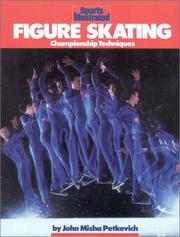
Written by a U.S. champion and widely regarded as the most thorough technical manual for skaters, this book breaks down edges and turns with clear diagrams — read it now to build correct habits early.
Spins & Jump Foundations
IntermediateLearn the mechanics of upright and sit spins, understand jump takeoffs and landings (toe loop, salchow, loop), and develop the core strength and body awareness these elements demand.
▸ Study plan for this stage
Pace: 4–5 weeks, ~20–25 pages/day, focusing on chapters covering spins, jumps, and conditioning
- Upright spin mechanics: centering, edge control, and rotational momentum
- Sit spin technique: hip position, knee bend, and weight distribution for stability
- Toe loop takeoff: inside edge entry, knee bend, and arm positioning
- Salchow jump: outside edge takeoff, hip opening, and rotation timing
- Loop jump: back outside edge setup, closed position, and landing edge transition
- Core strength and body alignment as the foundation for all rotational elements
- The relationship between arm carriage and spin speed/control
- Takeoff vs. landing mechanics: how they differ and why precision matters
- What is the key difference between the takeoff edges for a toe loop, salchow, and loop jump, and why does each require a different approach?
- Describe the body position and weight distribution in an upright spin versus a sit spin. How does each position affect rotational speed?
- How does core strength directly impact your ability to center a spin and maintain a clean landing?
- What role does arm carriage play in controlling spin speed, and how should arms move during entry and exit?
- Explain the mechanics of a proper landing from a jump: which edge should you land on for each jump type, and what happens if the edge is incorrect?
- How does hip opening during a salchow differ from the hip position needed for a toe loop, and what does this tell you about jump-specific technique?
- Off-ice: practice sit spin position holds (3 sets of 30 seconds) to build hip flexibility and core stability without ice
- On-ice: perform centered upright spins on both feet, focusing on finding your center before adding rotation; aim for 5 clean spins per session
- On-ice: practice toe loop entries on a straight line, emphasizing the inside edge approach and knee bend without jumping; repeat 10 times each direction
- On-ice: work salchow entries by gliding backward on an outside edge, opening your hip, and holding the position before attempting the jump; 8 repetitions per side
- Off-ice: core strengthening routine (planks, dead bugs, side planks) 3–4 times per week to support spin centering and jump stability
- On-ice: practice landing positions for each jump type (toe loop, salchow, loop) by simulating the landing edge and checking your alignment; 5 repetitions per jump
Next up: Mastering spins and jump foundations builds the rotational control and body awareness needed to progress to combination spins, multi-rotation jumps, and eventually complex sequences that demand precise timing and seamless transitions.
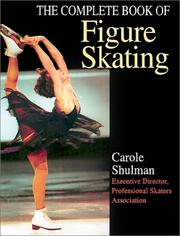
Shulman, a longtime professional skating director, dedicates detailed chapters to spin technique and every single-rotation jump, making this the go-to reference as you begin airborne elements.
Artistry, Music & Performance
IntermediateUnderstand how to interpret music, develop personal style, use the whole body expressively, and begin thinking about choreography — transforming technical skating into genuine performance.
A thoughtful exploration of how artistry, identity, and performance intersect in figure skating — reading this shifts the learner's mindset from pure technique toward expressive, intentional movement.
The Competitive & Lifelong Skater
ExpertUnderstand the judging system (IJS/GOE), mental preparation, training structure, and how elite skaters sustain growth — equipping the dedicated skater to pursue testing, competition, or coaching.
▸ Study plan for this stage
Pace: 4–5 weeks, ~40–50 pages/day (approximately 250–300 pages total for "Zero Regrets")
- The IJS (International Judging System) and how technical elements are scored with Grade of Execution (GOE) adjustments
- Mental resilience and visualization techniques used by elite athletes to manage pressure and setbacks
- Periodized training structure: balancing technical refinement, physical conditioning, and recovery cycles
- The psychology of competitive preparation: goal-setting, self-talk, and managing fear in high-stakes environments
- How elite skaters sustain long-term growth through deliberate practice, coaching relationships, and continuous adaptation
- The role of failure and adversity as catalysts for improvement and mental toughness
- Transitioning from competitor to mentor: how elite skaters leverage their experience for coaching and legacy
- What specific mental strategies does Apolo Anton Ohno describe for managing pressure and anxiety before major competitions?
- How does Ohno's training structure evolve across different phases of his career, and what principles of periodization does he employ?
- What does Ohno teach about the relationship between failure, resilience, and sustained athletic growth?
- How does Ohno approach goal-setting and visualization, and how can you apply these techniques to your own skating?
- What insights does Ohno offer about the coach-athlete relationship and how to maximize learning from mentors?
- How does Ohno's philosophy on 'zero regrets' inform his approach to decision-making and long-term career planning?
- Create a detailed mental preparation routine (visualization script, self-talk affirmations, breathing techniques) modeled on Ohno's strategies, then practice it before your next competition or test
- Map out your own periodized training plan for the next 12 weeks, identifying phases for technical work, conditioning, and recovery based on Ohno's framework
- Conduct a 'failure analysis' of a recent skating mistake or competition result: identify what went wrong, what you learned, and how you'll adjust your approach next time
- Write a personal mission statement and 3–5 specific, measurable goals for the next season, using Ohno's goal-setting philosophy as a guide
- Interview a coach or experienced skater about their training structure and mental preparation; compare their approach to Ohno's methods and document insights
- Record yourself performing a technical element or program section, then analyze it using IJS/GOE principles (identifying base value, potential GOE adjustments, and areas for improvement)
Next up: This stage establishes the mental, technical, and structural foundations that elite skaters rely on; the next stage will deepen competitive strategy, advanced program design, and the business/coaching side of a lifelong skating career.

While focused on a champion's mindset, this book offers deep insight into the mental discipline, goal-setting, and resilience required to advance in competitive ice sports — essential reading before entering any competitive environment.
Discussion
Keep reading
Paths that share books, cover the same subject, or open a related topic.