Gouache painting: an ordered reading list for beginners
This curriculum takes a beginner from zero knowledge of gouache through a confident, versatile practice — starting with foundational watercolor and opaque-paint literacy, moving into gouache-specific technique and color theory, and finally reaching advanced compositional and illustrative mastery. Each stage builds the vocabulary, material knowledge, and visual intuition needed to absorb the next, so books should be read in the order listed within each stage.
Foundations: Understanding Opaque & Transparent Paint
BeginnerUnderstand how water-based paints behave, learn to see color relationships, and get comfortable with basic mark-making before picking up gouache specifically.
▸ Study plan for this stage
Pace: 4–5 weeks, ~25–30 pages/day with daily color observation breaks
- How light and shadow create color perception rather than relying on local color alone
- The relationship between hue, saturation, and value in creating visual harmony
- Color temperature (warm/cool) and how it affects spatial depth and visual weight
- The physics of how light reflects off surfaces and how this translates to painting choices
- Transparency vs. opacity in how colors mix and layer on a surface
- The role of simultaneous contrast and color interaction in composition
- How water-based paints behave differently from other media due to their fluid nature
- How does the behavior of light on a surface determine the colors you should mix, rather than just using the 'local color' of an object?
- What is the difference between hue, saturation, and value, and why does understanding each matter separately for painting?
- How do warm and cool colors function differently in a composition, and what visual effects do they create?
- Why does Gurney emphasize that transparency and opacity are key properties to understand before working with any specific paint medium?
- How does simultaneous contrast affect color perception, and how can you use this principle intentionally in your work?
- What physical properties of water-based paints make them behave differently from oils or acrylics, and how should this influence your approach?
- Daily 10-minute color observation: Study how light and shadow change the perceived color of a single object (apple, mug, fabric) at different times of day; sketch quick notes on hue, saturation, and value shifts
- Create a value scale study: Mix a single pigment with water to create 5–7 distinct values, observing how transparency changes as you dilute; repeat with 2–3 different pigments
- Warm/cool color temperature study: Paint the same simple form (sphere, cube) twice—once using warm-dominant palette, once using cool-dominant—and observe how each affects perceived depth and mood
- Simultaneous contrast exercise: Paint two identical mid-tone colors side by side on different background colors; observe and document how the same color appears to shift
- Transparency vs. opacity test: Layer transparent and opaque marks on paper; experiment with how water content affects opacity in water-based media
- Reflective surface study: Paint or sketch 3–4 objects with highly reflective surfaces (metal, glass, water), focusing on how light behavior differs from matte surfaces and what color choices this demands
Next up: This stage builds the perceptual and theoretical foundation needed to understand why gouache—with its unique balance of opacity and transparency—is such a versatile medium, preparing you to make intentional technical choices in the next stage rather than applying gouache mechanically.
Hoffmann builds rock-solid intuition about water-based paint behavior — transparency, edges, and washes — giving beginners the foundational language that directly transfers to gouache. Reading this first prevents bad habits before they form.
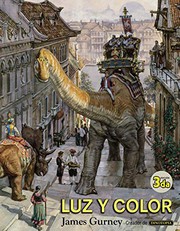
Gurney's accessible, illustration-rich guide teaches how light, shadow, and color temperature work in practice. This color literacy is essential before mixing gouache palettes, and it is referenced constantly by gouache artists.
Color Mixing & Technique
IntermediateDevelop a reliable color-mixing system, understand limited vs. full palettes, and build a repertoire of gouache-specific techniques including layering opaque over dark grounds and achieving smooth gradients.
▸ Study plan for this stage
Pace: 4–5 weeks, ~25–30 pages/day, with 2–3 dedicated painting practice days per week
- Color temperature and undertone awareness: how to identify warm/cool bias in pigments and use it strategically in mixes
- Limited palette discipline: mixing a full range of hues, values, and saturation from 5–7 core pigments (as emphasized in Galton's systematic approach)
- Opacity and transparency in gouache: understanding how pigment load, water ratio, and layering order affect coverage and visual mixing
- Layering techniques on dark grounds: building light and mid-tones over dark underpainting without muddying, using gouache's opaque strength
- Gradient and transition techniques: achieving smooth color shifts and soft edges through wet-on-wet, dry-brush blending, and strategic water management
- Direct painting and alla prima principles: working decisively with premixed colors to maintain freshness and avoid overworking (Schmid's core philosophy)
- Pigment knowledge and permanence: selecting reliable, lightfast colors that mix predictably and won't shift over time
- Value structure and color interaction: how adjacent colors influence perception and how to use value contrast to create form and depth
- How do you identify the temperature undertone of a pigment, and why does this matter when mixing specific hues?
- What is a limited palette, and how can you mix a full range of colors from 5–7 core pigments without creating mud?
- Explain the difference between opacity and transparency in gouache, and how does water ratio affect each?
- What are the key steps for successfully layering light gouache over a dark ground without the underpainting showing through or colors becoming muddy?
- Describe two techniques for achieving smooth color gradients in gouache, and when you would use each one.
- What does 'alla prima' mean, and how does working directly and decisively with premixed colors improve your painting?
- How do you choose pigments that will remain lightfast and mix predictably over time?
- How does value structure interact with color mixing, and why is it essential to plan value relationships before mixing?
- Create a pigment chart for your chosen limited palette (5–7 colors): mix each pigment with white, with water, and with complementary colors; label temperature, opacity, and mixing behavior
- Paint a series of 6–8 small color wheels using only your limited palette, exploring how different primary combinations shift hue and saturation
- Practice layering: paint a dark ground (charcoal gray or dark blue), then layer opaque light and mid-tone gouache over it in at least 3 separate studies, noting water ratio and opacity needed
- Execute a gradient study: create 5–6 smooth transitions between different color pairs using wet-on-wet blending, dry-brush blending, and layered glazing; compare results
- Paint a simple still life (3–4 objects) using alla prima principles: premix all colors before starting, work decisively without overworking, complete in one session
- Conduct a temperature study: paint the same subject twice—once using warm undertones throughout, once using cool undertones—and observe how temperature shifts the mood
Next up: This stage establishes the technical and material foundation—reliable color mixing, systematic palette use, and confident gouache handling—that enables the next stage to focus on applying these skills to larger compositions, complex lighting scenarios, and expressive color choices with full artistic intention.

Galton's systematic, paint-medium-agnostic approach to color mixing translates directly to gouache and gives learners a repeatable method for achieving any hue, value, or temperature they need.

Though rooted in oils, Schmid's legendary text on direct painting, value structure, and edge control is universally cited by gouache painters as transformative — reading it at this stage deepens technique far beyond any single-medium book.
Illustration & Compositional Mastery
ExpertApply gouache confidently to finished illustration and fine-art compositions, understanding design principles, narrative image-making, and the professional workflows used by working gouache illustrators.
▸ Study plan for this stage
Pace: 8–10 weeks, ~25–30 pages/day, with 2–3 dedicated painting days per week
- Imaginative realism: balancing observation with invention to create believable yet fantastical worlds
- Color temperature, atmospheric perspective, and light logic as tools for narrative and mood in gouache
- Animal anatomy and gesture as the foundation for expressive character design and storytelling
- Compositional frameworks: rule of thirds, leading lines, focal hierarchy, and visual flow in finished illustrations
- Value structure and underpainting techniques specific to gouache's opacity and layering properties
- Professional illustration workflows: from concept sketches through color studies to final execution
- Narrative image-making: embedding story, emotion, and character into single compositions
- How does James Gurney define imaginative realism, and how can you apply invented elements while maintaining visual believability in a gouache painting?
- What role do color temperature and atmospheric perspective play in creating mood and guiding the viewer's eye in an illustration?
- How do you use animal anatomy and gesture (from Hultgren) to create characters that feel alive and emotionally expressive?
- What are the key steps in a professional illustration workflow, and how does each stage (thumbnails, value studies, color studies, final) inform the next?
- How can you use compositional principles like focal hierarchy and leading lines to tell a story or convey narrative in a single image?
- What are the specific advantages of gouache's opacity and layering for building value structure and correcting mistakes in finished illustrations?
- Complete 5–7 imaginative realism studies: paint a realistic animal or figure in a fantastical or impossible setting (e.g., a deer in an underwater palace). Focus on making the invented elements feel cohesive with the observed elements.
- Paint 3 animal character studies using Hultgren's anatomy principles: render the same animal in 3 different emotional states or poses, emphasizing gesture and personality through body language.
- Create 2 full illustration workflows from start to finish: begin with 4–6 thumbnail compositions, move to a value study, then a color study, and finally a finished gouache painting (one narrative-driven, one character-focused).
- Execute a color temperature study: paint the same simple scene (e.g., a figure in a landscape) twice—once in warm light, once in cool light—to explore how temperature shifts mood and atmosphere.
- Design a 3-character ensemble composition: use compositional hierarchy and leading lines to guide the viewer's eye through the image, ensuring each character's role in the narrative is clear.
- Paint a 'mistake recovery' study: deliberately make errors in a gouache painting and use the medium's opacity to correct and refine them, documenting how you problem-solve in real time.
Next up: This stage equips you with the conceptual and technical foundation to pursue specialized illustration work or fine-art series; the next stage will likely deepen your mastery of either a specific subject matter (e.g., character design, environments, or editorial illustration) or push toward personal artistic voice and portfolio development.

Gurney — a master gouache user — details how to construct believable, finished paintings from imagination, covering composition, reference use, and value design at a professional level.
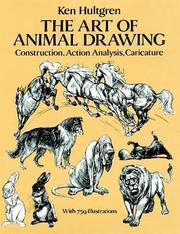
A canonical resource for learning to observe and simplify form into confident, expressive marks — skills that elevate any gouache painter's ability to render subjects with economy and life.

Loomis's timeless guide to pictorial design, storytelling, and compositional thinking gives advanced learners the visual grammar to plan and execute ambitious gouache paintings with professional polish.
Discussion
Keep reading
Paths that share books, cover the same subject, or open a related topic.