Best Books to Become a Flight Attendant (in Order)
This curriculum takes a complete beginner from zero knowledge of the aviation industry through the competitive flight attendant hiring process, interview mastery, and finally the realities of life on the job. Each stage builds on the last — first understanding the world you're entering, then preparing to get hired, and finally thriving once you are.
Understanding the World of Cabin Crew
BeginnerGain a realistic, insider picture of what the flight attendant career actually looks like day-to-day, so you can make an informed decision and speak knowledgeably from the very start of your job search.
▸ Study plan for this stage
Pace: 4–5 weeks, ~40–50 pages/day (approximately 300 pages total; adjust based on your reading pace and note-taking depth)
- The daily operational realities of flight attendant work: scheduling, layovers, fatigue, and time away from home
- Safety and emergency procedures as the core responsibility that defines the job beyond customer service
- The hierarchical structure of cabin crew and how seniority affects route assignments, pay, and work conditions
- Passenger behavior and conflict management: how to handle difficult situations professionally and safely
- The physical and mental demands of the job: irregular sleep, health impacts, and personal resilience required
- Industry culture and unwritten rules: what you need to know to fit in and succeed as a new crew member
- The gap between the glamorous public perception and the actual working conditions and career trajectory
- Personal boundaries and self-care strategies for maintaining well-being in a demanding, transient lifestyle
- What are the main responsibilities of a flight attendant beyond serving drinks and snacks, and why does Poole emphasize safety as the core of the job?
- How does the seniority system affect a flight attendant's schedule, route assignments, and quality of life, and what challenges do junior crew members face?
- What are some of the most difficult passenger situations Poole describes, and what strategies does she use to de-escalate or manage them?
- What physical and mental health challenges does Poole identify as inherent to the flight attendant lifestyle, and how does she cope with them?
- How does the reality of the job differ from the public perception of flight attendants, and what surprised you most about Poole's account?
- What unwritten rules and cultural norms does Poole reveal about the cabin crew world, and why are they important for a new flight attendant to understand?
- Create a detailed day-in-the-life timeline for a flight attendant based on Poole's accounts, including pre-flight prep, flight duties, layover activities, and rest periods. Identify where fatigue and stress points occur.
- Compile a list of 10–15 difficult passenger scenarios from the book and write your own response strategy for each, then compare it to how Poole handled them. Reflect on what you'd do differently.
- Map out the seniority system and bidding process described in the book. Research your target airline's actual seniority structure and compare it to Poole's experience. Note how it might affect your first 2–3 years.
- Write a reflection essay (500–750 words) on how your expectations of the flight attendant career have changed after reading Poole's account. What surprised you? What concerns you? What excites you?
- Interview someone in the aviation industry (flight attendant, pilot, ground crew, or recruiter) and ask them to validate or challenge 3–5 key claims Poole makes about the job. Document their responses.
- Create a personal resilience plan addressing the physical and mental health challenges Poole identifies (irregular sleep, homesickness, fatigue, passenger stress). Include specific strategies you'll use to stay healthy and grounded.
Next up: This stage establishes the unvarnished reality of cabin crew life, giving you the foundation to move into the next stage—whether that's technical training (safety procedures, aircraft systems) or practical preparation (interview skills, application strategies)—with clear eyes and realistic expectations about what you're committing to.

Poole's full-length book dives deeper into the culture, hierarchy, and unwritten rules of airline life, giving beginners the insider vocabulary and context needed before tackling the hiring process.
Knowing the Industry & the Airlines
BeginnerUnderstand how the commercial aviation industry is structured, how airlines differ, and what employers are actually looking for in a candidate — essential context before writing a single application.
▸ Study plan for this stage
Pace: 2–3 weeks, ~40–50 pages/day (total ~300–350 pages)
- Commercial aviation industry structure: major carriers, regional airlines, budget carriers, and their business models
- Airline organizational hierarchy and departments: flight operations, cabin crew, customer service, safety, and training
- Differences between full-service, low-cost, and regional carriers and how these affect the flight attendant role
- What airlines actually screen for in candidates: safety mindset, customer service orientation, cultural fit, and regulatory compliance
- The flight attendant job scope: safety responsibilities vs. service duties, typical daily operations, and career progression paths
- Airline hiring criteria and competitive advantages: certifications, language skills, appearance standards, and soft skills
- Industry trends and challenges: staffing, scheduling, passenger behavior, and post-pandemic recovery
- What are the main structural differences between full-service carriers, low-cost carriers, and regional airlines, and how do these differences affect the flight attendant role?
- What are the primary safety and service responsibilities of a flight attendant, and why do airlines prioritize safety training over service training?
- What specific qualities and qualifications do airlines look for in flight attendant candidates, and how do these vary by airline type?
- How is a typical airline organized, and which departments directly impact flight attendant hiring, training, and career development?
- What are the realistic career progression paths for flight attendants, and what factors determine advancement opportunities?
- What current industry trends (staffing shortages, scheduling demands, passenger behavior) should a prospective flight attendant understand before applying?
- Create a comparison matrix of 3–4 airlines (one full-service, one low-cost, one regional) listing their business model, fleet size, route network, and known hiring preferences
- Research and document the organizational chart of a major airline, identifying where flight crew fits and which departments influence cabin crew operations
- Write a 1-page summary of what Kirkwood identifies as the top 5 qualities airlines seek in flight attendants, then reflect on how you demonstrate each
- Interview or survey 2–3 current or former flight attendants about their hiring experience, job scope, and what surprised them about the role—compare findings to Kirkwood's insights
- Analyze 3 flight attendant job postings from different airline types, highlighting the overlapping requirements vs. airline-specific preferences
- Create a personal inventory: list your language skills, certifications, soft skills, and appearance considerations relevant to flight attendant hiring, then identify gaps to address
Next up: This stage grounds you in the industry landscape and employer expectations, providing the context needed to move into the next stage where you'll assess your own fit, address gaps, and begin building a competitive application strategy.
Builds on Ward's overview by providing detailed breakdowns of major carriers' requirements and culture, helping you target the right airlines for your background and goals.
Nailing the Application & Interview
IntermediateMaster every stage of the flight attendant selection process — from a standout résumé and online application through group assessments and the final interview — and walk in with confidence.
▸ Study plan for this stage
Pace: 4–5 weeks, ~40–50 pages/day. Week 1–2: "What Color Is Your Parachute?" (primary focus on chapters 1–7 covering self-assessment and job search strategy); Week 3–5: "Never Eat Alone" (chapters 1–8 on relationship-building, networking, and personal branding), with overlap for application and interview
- Self-assessment and skills inventory: Identifying your transferable skills, values, and unique strengths relevant to flight attendant roles using Bolles' flower diagram and skills-based exercises
- Crafting a compelling narrative: Translating your self-knowledge into a standout résumé, cover letter, and online application that speaks to airline hiring criteria
- Relationship capital as competitive advantage: Understanding how Ferrazzi's networking principles directly support your candidacy through informational interviews and industry connections
- Authentic networking for career advancement: Building genuine relationships with current flight attendants, recruiters, and industry insiders to gain insider knowledge and referrals
- Preparation for group assessments and interviews: Using Bolles' research methods and Ferrazzi's communication strategies to anticipate questions, demonstrate soft skills, and stand out in competitive group settings
- Personal branding and first impressions: Aligning your online presence, communication style, and professional image with airline expectations and industry standards
- Strategic follow-up and relationship maintenance: Applying Ferrazzi's principles to stay memorable after interviews and build long-term industry relationships
- What are your top 5 transferable skills for a flight attendant role, and how do you articulate them in a résumé and interview using Bolles' framework?
- How would you reframe a career gap, job loss, or unconventional background as a strength in your flight attendant application, drawing on both authors' approaches?
- Describe three specific ways you could use Ferrazzi's networking principles to connect with current flight attendants or airline recruiters before submitting your application.
- What does your 'flower diagram' (Bolles) reveal about your ideal work environment, and how does that align with the flight attendant role and specific airlines you're targeting?
- How would you prepare for a group assessment exercise (e.g., team problem-solving, customer service role-play) using insights from both 'What Color Is Your Parachute?' and 'Never Eat Alone'?
- What is your personal brand as a candidate, and how would you communicate it consistently across your résumé, LinkedIn profile, interview answers, and follow-up conversations?
- Complete Bolles' flower diagram (chapters 5–6): Map your skills, values, favorite work environments, and ideal salary/benefits. Identify 3–5 airlines that match your flower and research their culture.
- Conduct 5 informational interviews with current or former flight attendants using Ferrazzi's principles: Ask about their hiring experience, what airlines value, and common interview pitfalls. Document insights and follow up with gratitude notes.
- Draft and refine your flight attendant résumé and cover letter: Highlight transferable skills (safety, customer service, teamwork, crisis management) using language from job postings. Have 2–3 people review for clarity and impact.
- Build your professional network on LinkedIn: Connect with 20+ flight attendants, recruiters, and airline employees. Personalize each request with a specific reason. Engage with their content over 2 weeks.
- Simulate a group assessment: Recruit 3–4 friends or colleagues for a mock group exercise (e.g., team decision-making scenario, customer complaint role-play). Record yourself, debrief on communication, leadership, and collaboration.
- Prepare for the final interview: Write out answers to 15 common flight attendant interview questions (e.g., 'Tell us about a time you handled a difficult passenger,' 'Why do you want this job?') using the STAR method and Ferrazzi's authenticity principle. Practice with a mock interviewer.
Next up: This stage equips you with a polished application, insider knowledge, and genuine industry relationships—positioning you to navigate pre-hire training, onboarding, and your first months on the job with confidence and a support network already in place.
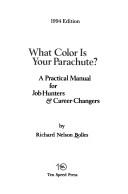
The classic job-search bible provides the transferable self-assessment and personal branding framework that sharpens your résumé and helps you articulate your strengths compellingly in any interview.

Networking is underrated in aviation hiring; this book teaches relationship-building strategies that help you connect with recruiters, current crew, and industry insiders who can champion your application.
Thriving as Cabin Crew
IntermediatePrepare for the physical, emotional, and professional demands of life after you're hired — from initial training through long-term career sustainability and advancement.
▸ Study plan for this stage
Pace: 6–7 weeks, ~40–50 pages/day (approximately 2–3 weeks per book, allowing time for reflection and exercises)
- Self-awareness and self-regulation as foundations for managing stress and interpersonal conflicts in high-pressure cabin environments
- The four domains of emotional intelligence (self-awareness, self-management, social awareness, relationship management) and their application to crew dynamics
- Energy management across physical, emotional, mental, and spiritual dimensions rather than time management alone
- The concept of 'full engagement' — bringing full capacity and presence to work tasks, rest periods, and personal relationships
- Recovery rituals and strategic renewal practices to sustain performance across multiple flight cycles and long-term career longevity
- Emotional triggers and patterns that emerge during irregular schedules, jet lag, and close-quarters teamwork, and how to regulate them
- Building resilience through positive relationships, purpose-driven work, and deliberate practice of emotional and physical recovery
- How do the four domains of emotional intelligence (from Bradberry) directly apply to managing conflicts with difficult passengers or crew members during a flight?
- What is the difference between time management and energy management (per Loehr), and why is energy management more critical for cabin crew sustainability?
- Describe your personal emotional triggers in high-stress scenarios (e.g., turbulence, demanding passengers, fatigue). How would you use self-awareness and self-regulation to manage them?
- What are 'recovery rituals' in Loehr's framework, and how would you design one that fits the irregular schedule of cabin crew work?
- How does the concept of 'full engagement' help you show up more effectively during both challenging and routine flights?
- What role does social awareness (empathy and organizational awareness) play in building a positive crew culture, and how can you strengthen it?
- Complete Bradberry's emotional intelligence self-assessment (included in the book or online). Score yourself honestly, then identify your two lowest-scoring domains and commit to one specific behavior change for each.
- Track your energy levels across a full week using Loehr's four dimensions (physical, emotional, mental, spiritual). Log your energy at three points daily (morning, midday, evening) and identify which dimension drains fastest and which recovers easiest.
- Role-play three cabin crew scenarios with a friend or mentor: (1) a rude passenger, (2) a crew conflict, (3) personal fatigue during a long flight. Practice using self-regulation and empathy techniques from Bradberry before, during, and after each scenario.
- Design a personal recovery ritual based on Loehr's principles that fits your post-flight routine (e.g., 20-minute wind-down, hydration protocol, sleep hygiene). Practice it for two weeks and journal how it affects your next flight performance.
- Interview an experienced cabin crew member about their emotional intelligence strengths and how they manage energy across multiple flights per week. Document three specific strategies you can adapt.
- Create a 'trigger response plan' for your top three emotional triggers (e.g., turbulence anxiety, passenger rudeness, fatigue). Write out the trigger, your typical reaction, and your new regulated response using Bradberry's self-management tools.
Next up: This stage equips you with the emotional resilience, self-awareness, and energy management practices essential for thriving during the operational demands of cabin crew life, setting the foundation for the next stage's focus on technical safety protocols, service excellence, and long-term career navigation.
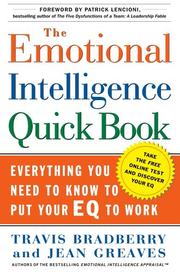
Flight attendants must manage their own emotions and de-escalate passengers under pressure; this concise guide builds the EQ skills that separate good crew from great crew.

Irregular schedules, jet lag, and long duty days make energy management critical — this book provides a science-backed system for sustaining high performance across a demanding, non-traditional career.
Discussion
Keep reading
Paths that share books, cover the same subject, or open a related topic.