DIY solar and off-grid power: top books to build your own system
This curriculum takes a complete beginner from zero knowledge of electricity and solar concepts all the way to designing, wiring, and maintaining a full off-grid power system. Each stage builds directly on the last — you'll first develop electrical intuition, then understand solar-specific components, then tackle real system design and installation, and finally master advanced storage and optimization.
Foundations: Electricity & Energy Basics
BeginnerUnderstand how electricity works — voltage, current, resistance, AC vs DC, and basic circuits — so that solar and off-grid concepts make intuitive sense rather than feeling like magic.
▸ Study plan for this stage
Pace: 4–5 weeks, ~25–30 pages/day. Start with "Electricity Demystified" (weeks 1–2.5, ~150 pages), then "Wiring a House" (weeks 2.5–5, ~200 pages). Allocate 2–3 days per week for hands-on exercises and review.
- Voltage, current, and resistance: their definitions, relationships (Ohm's Law), and how they interact in circuits
- AC (alternating current) vs. DC (direct current): how they differ, where each is used, and why this matters for solar systems
- Series and parallel circuits: how components behave differently in each configuration and why it matters for power distribution
- Power, energy, and watts: the difference between instantaneous power (watts) and energy over time (watt-hours), essential for sizing off-grid systems
- Grounding and safety: why grounding exists, how it protects people and equipment, and its role in household and off-grid wiring
- Basic circuit components: switches, breakers, fuses, and how they protect circuits from overcurrent and fire hazards
- Load calculation and circuit design: how to estimate power demands and design circuits that safely deliver power without overheating
- DC-to-AC conversion concepts: understanding inverters and why they're critical for off-grid systems that need to run AC appliances
- What is Ohm's Law, and how would you use it to calculate the current flowing through a 12V circuit with 4 ohms of resistance?
- Explain the key differences between AC and DC current, and why solar panels produce DC while most home appliances run on AC.
- If you have three 100W light bulbs, what is the total power draw if they are wired in series vs. in parallel?
- What is the difference between power (watts) and energy (watt-hours), and why is this distinction critical when sizing an off-grid battery system?
- Why is grounding essential in electrical systems, and what role does it play in protecting people from electric shock?
- Describe how a circuit breaker works and why it's safer than a fuse for protecting a household circuit from overcurrent.
- Build a simple series circuit with a battery, switch, and two LED bulbs; measure voltage across each component and observe how brightness changes compared to a parallel circuit.
- Use a multimeter to measure voltage, current, and resistance in real household circuits (with power off) to verify Ohm's Law relationships.
- Calculate the total watt-hours needed for a hypothetical off-grid cabin (list 5–10 appliances, estimate daily usage hours, sum the energy demand).
- Trace the wiring in your home's electrical panel: identify the main breaker, individual circuit breakers, and label which circuits serve which rooms; note the amperage ratings.
- Create a load calculation spreadsheet for a small off-grid system: list appliances, their wattages, duty cycles, and calculate peak demand and daily energy consumption.
- Perform a hands-on grounding test: use a multimeter to verify continuity between a ground wire and a metal outlet box, understanding why this connection matters.
Next up: With a solid grasp of voltage, current, power, and circuit safety, you'll be ready to understand how solar panels generate DC electricity, how batteries store energy in watt-hours, and how inverters convert DC to AC—the core building blocks of off-grid power systems.
A gentle, jargon-free introduction to electrical concepts that gives beginners the vocabulary (volts, amps, watts, ohms) they need before touching any solar equipment. Reading this first prevents dangerous misunderstandings later.
Bridges basic electrical theory into practical home wiring — circuits, breakers, grounding, and codes. Reading it second grounds abstract concepts in the physical reality of a home power system.
Solar Fundamentals: How PV Systems Work
BeginnerUnderstand how solar panels generate power, how the core components (panels, charge controllers, batteries, inverters) interact, and what a complete off-grid system looks like end-to-end.
▸ Study plan for this stage
Pace: 4–5 weeks, ~25–30 pages/day (approximately 150–180 pages total across both books)
- How photovoltaic cells convert sunlight into DC electricity through the photovoltaic effect
- Key specifications and ratings of solar panels (wattage, voltage, current, efficiency, temperature coefficients)
- The role and operation of charge controllers (PWM vs. MPPT) in regulating power flow to batteries
- Battery types, capacity measurement (Ah, kWh), depth of discharge, and battery bank sizing for off-grid systems
- Inverter function, types (pure sine wave vs. modified), and sizing for AC load requirements
- System architecture: how panels, controllers, batteries, and inverters connect in a complete off-grid configuration
- Load analysis and energy budgeting to match system capacity to household consumption
- Safety considerations including DC disconnects, fuses, grounding, and overcurrent protection
- Explain the photovoltaic effect and how a solar panel converts sunlight into usable electrical current.
- What is the difference between PWM and MPPT charge controllers, and when would you choose one over the other?
- How do you calculate the required battery capacity (in Ah or kWh) for an off-grid system based on daily energy consumption and days of autonomy?
- What are the key differences between pure sine wave and modified sine wave inverters, and what types of loads require each?
- Draw and describe a complete off-grid solar system block diagram, labeling all major components and the flow of power.
- How do temperature and shading affect solar panel output, and what practical steps can you take to minimize these losses?
- Calculate the daily energy consumption (in kWh) for a sample household based on appliance wattages and hours of use; then size a battery bank assuming 3 days of autonomy and 50% depth of discharge.
- Research and compare three real-world solar panel models: list their wattage, voltage, current, efficiency, and temperature coefficient; explain how these specs affect system design.
- Create a detailed wiring diagram for a small off-grid system (3–5 kW) showing panels, charge controller, battery bank, inverter, DC loads, AC loads, disconnects, and overcurrent protection.
- Perform a simple shading analysis for a potential installation site using a solar pathfinder tool or smartphone app; document how seasonal shading would affect annual output.
- Build a cost-benefit comparison spreadsheet: calculate the total system cost (panels, controller, batteries, inverter, wiring, installation) versus 10-year energy savings for a specific location.
- Visit a local solar installer or watch a detailed installation video; document the physical layout, component placement, and safety procedures observed.
Next up: Mastering these fundamentals prepares you to move into system design and optimization—sizing components for real-world scenarios, selecting equipment for specific climates and loads, and understanding how to troubleshoot and maintain a working installation.
The most accessible and widely-read entry point into solar PV — it explains every component clearly with minimal math. Reading it first in this stage gives you a complete mental map of a solar system before diving into specifics.
A friendly, consumer-oriented guide that reinforces component roles and introduces sizing concepts and economics. It solidifies the intuition built by Boxwell with real-world decision-making examples.
System Design & Sizing
IntermediateCalculate your actual energy needs, size a solar array and battery bank correctly, choose the right charge controller and inverter, and produce a coherent system design before buying anything.
▸ Study plan for this stage
Pace: 4–5 weeks, ~25–30 pages/day (focus on chapters 3–8; skim introductory material)
- Energy audit methodology: tracking daily/monthly consumption by appliance and time of use to establish baseline demand
- Solar resource assessment: understanding your location's peak sun hours, seasonal variation, and how to use solar insolation data
- Array sizing calculations: converting energy needs into required wattage and number of panels, accounting for losses and climate factors
- Battery bank sizing: matching storage capacity (kWh) to days of autonomy, depth of discharge, and voltage/chemistry requirements
- Charge controller selection: matching MPPT vs. PWM technology, voltage systems, and current ratings to your array and battery
- Inverter sizing and selection: choosing pure sine wave vs. modified sine, continuous vs. surge capacity, and voltage/frequency matching
- System voltage decisions: understanding 12V, 24V, 48V trade-offs for efficiency, wire sizing, and component availability
- Load analysis and prioritization: distinguishing critical vs. non-critical loads to inform battery autonomy and backup strategy
- How do you conduct a complete energy audit for your home, and what is the difference between peak load and average daily consumption?
- What are peak sun hours, how do you find them for your location, and how do they factor into array sizing calculations?
- Walk through the calculation to size a solar array for a home consuming 20 kWh/day in a location with 4.5 peak sun hours and 20% system losses.
- How do you size a battery bank given a desired days of autonomy, depth of discharge limits, and your daily energy consumption?
- What are the key differences between MPPT and PWM charge controllers, and when would you choose each for your system?
- How do you select an inverter size, and why is the distinction between continuous and surge capacity important for your loads?
- Conduct a week-long energy audit of your own home (or a sample home): log every appliance, wattage, and hours of daily use; calculate total daily kWh and peak load in watts.
- Research and document the peak sun hours and annual solar insolation data for your geographic location using NREL or similar tools; calculate seasonal variation.
- Work through a complete array-sizing example from the book, then solve a different scenario (e.g., 25 kWh/day, 3.8 peak sun hours, 15% losses) step-by-step.
- Design a battery bank for your audited load: specify capacity (kWh), chemistry (lead-acid vs. lithium), voltage, and days of autonomy; justify your depth-of-discharge choice.
- Create a component selection worksheet: choose a specific charge controller and inverter for your system design, documenting voltage, current, and power ratings.
- Sketch a single-line system diagram showing your array, charge controller, battery bank, inverter, and critical/non-critical loads with all voltage and amperage labels.
Next up: Mastering system design and sizing gives you the knowledge to move into component selection, installation planning, and wiring—you'll now understand *why* you're choosing specific equipment and how to physically integrate it into a working system.

One of the most thorough and respected DIY solar design books available — it walks through load calculations, array sizing, battery bank sizing, and component selection in a logical, step-by-step way. Read first in this stage to learn the design process.
Hands-On Installation & Wiring
IntermediateSafely install panels, run DC and AC wiring, connect a battery bank, mount an inverter, and wire everything together to code — turning your design into a real, working system.
▸ Study plan for this stage
Pace: 8–10 weeks, ~40–50 pages/day (mix of dense technical sections and practical walkthroughs); allocate 2–3 weeks per book with overlap for hands-on lab work
- Safe electrical practices: lockout/tagout, PPE, grounding, and shock/arc-flash hazards specific to DC and AC systems
- DC wiring fundamentals: wire gauging, voltage drop calculations, fusing, and proper termination techniques from the 12V Bible
- Panel mounting: structural load calculations, roof/ground attachment methods, tilt angles, and weatherproofing per SEI manual
- Battery bank configuration: series/parallel topology, cell balancing, temperature monitoring, and safe interconnection protocols
- Inverter selection and installation: sizing for load, AC output wiring, grounding, and integration with battery and AC loads
- Code compliance: NEC Article 690 (PV systems), local permitting requirements, and inspection checkpoints
- System integration and commissioning: testing continuity, polarity, voltage under load, and safe startup procedures
- How do you calculate the correct wire gauge for a 48V DC run of 100 feet to minimize voltage drop, and what is the maximum acceptable drop?
- What are the key differences between series and parallel battery bank configurations, and when would you choose each for an off-grid system?
- Walk through the complete grounding and bonding strategy for a hybrid AC/DC system, including equipment grounding and system grounding.
- What are the main NEC Article 690 requirements for PV array disconnects, overcurrent protection, and combiner boxes?
- How do you safely commission a new system: what tests must you perform before energizing the battery bank and inverter?
- What mounting hardware, fasteners, and weatherproofing details are required to ensure a roof-mounted array survives 20+ years in your climate?
- Build a small DC test circuit (12V or 24V) with properly gauged wire, fuses, and a disconnect switch; measure voltage drop over distance and verify it matches your calculations.
- Design a battery bank layout on paper for a 10 kWh off-grid system: specify cell/module configuration, interconnect wire gauges, fusing, and temperature sensors.
- Install a 400–600W test array on a practice frame or roof section: secure panels, run conduit, terminate MC4 connectors, and inspect for code compliance.
- Wire a small inverter (2–3 kW) to a battery bank mock-up: practice AC and DC terminations, verify polarity, test grounding with a multimeter, and document all connections.
- Perform a full system continuity and polarity check on a completed test installation using a multimeter; identify and correct any wiring errors.
- Create a one-page commissioning checklist based on SEI and NEC guidelines; walk through it step-by-step on a real or simulated system before first energization.
Next up: This stage transforms you from designer to installer, equipping you with the hands-on skills and code knowledge to build a safe, compliant system—preparing you for the final stage of system optimization, monitoring, maintenance, and troubleshooting in real-world conditions.
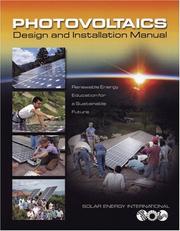
The canonical hands-on installation reference used in professional solar training programs. It covers mounting, wiring diagrams, grounding, and safety in precise detail — the essential companion when you move from design to physical installation.

Though written for marine use, this is one of the clearest practical guides to 12V DC wiring, battery management, and off-grid power — skills that transfer directly to cabin, RV, and small home systems. Read second to reinforce DC wiring confidence.
Advanced: Batteries, Storage & Long-Term Optimization
ExpertMaster battery chemistry, bank maintenance, charge profiles, and system monitoring so your off-grid system runs reliably for decades rather than failing in year two.
▸ Study plan for this stage
Pace: 4–5 weeks, ~40–50 pages/day (focusing on Chapters 4–6 on energy storage, battery systems, and grid integration)
- Battery chemistry fundamentals: lead-acid, lithium-ion, and flow batteries—how each stores and releases energy differently
- State of charge (SoC) and depth of discharge (DoD): why limiting DoD extends battery lifespan dramatically
- Charge profiles and charging curves: constant current/constant voltage (CC/CV) and temperature compensation for safe, efficient charging
- Battery bank sizing and configuration: series vs. parallel connections, voltage matching, and capacity calculations for your load profile
- System monitoring and diagnostics: voltage, current, temperature, and state-of-health metrics that predict failure before it happens
- Thermal management and environmental factors: how temperature, humidity, and ventilation affect battery performance and longevity
- Integration with renewable sources: matching battery chemistry to your solar/wind input characteristics and load patterns
- What are the key differences in chemistry, lifespan, and maintenance requirements between lead-acid, lithium-ion, and flow batteries, and when should you choose each for off-grid systems?
- Why does limiting depth of discharge to 50–80% extend lead-acid battery life to 10+ years, and what is the cost-benefit trade-off?
- How do constant current/constant voltage (CC/CV) charge profiles work, and why is temperature compensation critical to safe charging?
- What measurements (voltage, current, temperature, SoC) should you monitor continuously, and what alert thresholds indicate imminent failure?
- How do you size a battery bank to match your daily load, seasonal variation, and autonomy days, and what configuration (series/parallel) is appropriate for your system voltage?
- What environmental conditions (temperature, ventilation, humidity) are required to maximize battery lifespan, and how do you design a battery enclosure to meet them?
- Build a battery bank sizing spreadsheet: input your daily load profile (kWh/day), autonomy days (3–7), and DoD limits; calculate required capacity and cell count for lead-acid and lithium configurations
- Design a charge profile for your system: plot voltage and current curves for a 48V lead-acid bank using Boyle's CC/CV model; include temperature compensation and compare to a lithium profile
- Create a monitoring dashboard mockup: list the 8–10 critical parameters (voltage, current, temperature, SoC, state-of-health) you'd track, define alert thresholds, and sketch a simple display or log format
- Thermal analysis exercise: measure or estimate the heat dissipation from a 5 kWh battery bank during a 10-hour charge cycle; design a ventilation strategy (passive or active) to keep temperature ≤ 25°C
- Compare three battery chemistries head-to-head: create a cost-per-cycle, lifespan, maintenance, and performance table for lead-acid, LiFePO₄, and vanadium redox flow batteries over 20 years
- Failure mode investigation: research and document 3–4 real-world off-grid battery failures (sulfation, thermal runaway, imbalance); identify the monitoring metrics that would have caught each one early
Next up: This stage equips you with the deep technical knowledge to design and maintain a battery system that survives decades; the next stage will apply this expertise to real-world system integration, troubleshooting, and scaling to larger multi-source microgrids.
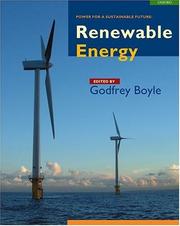
A comprehensive, university-level text that ties together solar, wind, and storage into a broader systems-thinking framework — ideal as a capstone to ensure your off-grid knowledge is complete, durable, and expandable.
Discussion
Keep reading
Paths that share books, cover the same subject, or open a related topic.