The Best Books to Understand and Manage Endometriosis
This curriculum takes a beginner from "what is endometriosis?" all the way to confident self-advocate and informed treatment partner. Each stage builds on the last: first you learn the disease, then you master pain and lifestyle management, then you engage deeply with the medical system and cutting-edge treatment decisions. All books are chosen to complement — not replace — professional medical care.
Foundations: Understanding the Disease
BeginnerGrasp what endometriosis is, how it affects the body, why it is so often misdiagnosed, and the emotional weight of living with it — building the core vocabulary needed for every stage ahead.
▸ Study plan for this stage
Pace: 4–5 weeks, ~25–30 pages/day (approximately 150–180 pages per week). Week 1–2: "Endometriosis: A Key to Healing Through Nutrition" (foundational disease mechanisms and nutritional framework). Week 3–5: "Beating Endo" (clinical diagnosis, symptom patterns, emotional/psychological dimensions, and integ
- Endometriosis is the growth of endometrial-like tissue outside the uterus, causing inflammation, pain, and infertility; it is not simply 'severe period pain'
- The disease mechanism involves retrograde menstruation, immune dysfunction, angiogenesis, and neuroangiogenesis—understanding these explains why symptoms vary widely and why treatment is complex
- Nutritional and inflammatory pathways (omega-3/omega-6 balance, gut health, micronutrient deficiencies) directly influence endometriosis severity and symptom management
- Endometriosis is chronically misdiagnosed and underdiagnosed due to symptom normalization, physician bias, and lack of non-invasive diagnostic tools; diagnosis often takes 7–10+ years
- The emotional and psychological burden—chronic pain, infertility grief, medical gaslighting, isolation—is as significant as physical symptoms and requires validation and support
- Multidisciplinary management (medical, surgical, nutritional, psychological) is essential; no single treatment works for all patients
- Core vocabulary: adenomyosis, lesions, adhesions, retrograde menstruation, inflammation, laparoscopy, excision surgery, and the distinction between endometriosis and adenomyosis
- What is endometriosis and how does it differ from adenomyosis? Explain the key anatomical and physiological differences.
- Describe the proposed mechanisms of endometriosis development (e.g., retrograde menstruation, immune dysfunction, angiogenesis). Why is no single mechanism sufficient to explain all cases?
- How do inflammatory pathways and nutritional imbalances (particularly omega-3/omega-6 ratios and micronutrient deficiencies) contribute to endometriosis symptoms, and what dietary interventions does Mills recommend?
- Why is endometriosis so frequently misdiagnosed or diagnosed late? What role do physician bias, symptom normalization, and diagnostic limitations play?
- What are the emotional and psychological impacts of living with endometriosis, and how does chronic pain affect quality of life, relationships, and mental health?
- What are the main treatment modalities discussed (medical, surgical, nutritional, psychological), and why is a multidisciplinary approach necessary?
- Create a personal symptom timeline: Document your own or a case study's pain patterns, triggers, and symptom severity over 2–3 months. Identify correlations with diet, stress, menstrual cycle, and activity. Compare against Mills' nutritional framework.
- Nutritional audit: Analyze a typical week of meals for omega-3/omega-6 balance, fiber intake, micronutrient density (iron, zinc, magnesium, B vitamins), and inflammatory foods. Redesign 3 meals using Mills' anti-inflammatory principles.
- Diagnostic journey mapping: Interview someone with endometriosis (or research a case study) about their path to diagnosis. Document how many doctors they saw, what symptoms were dismissed, and what finally led to diagnosis. Reflect on systemic barriers discussed in Orbuch's work.
- Vocabulary flashcard set: Create 20–25 flashcards covering key terms (adenomyosis, lesions, adhesions, retrograde menstruation, angiogenesis, excision, laparoscopy, etc.) with definitions and clinical significance. Quiz yourself weekly.
- Emotional impact reflection: Write a 2–3 page reflection on the psychological burden of endometriosis—grief around infertility, medical gaslighting, isolation, and identity. Connect personal or case-study experiences to Orbuch's discussion of mental health and support.
- Treatment modality comparison chart: Create a table comparing medical (hormonal), surgical (excision vs. ablation), nutritional, and psychological interventions. Note pros, cons, and patient suitability based on both books' perspectives.
Next up: This foundation equips you with disease literacy, diagnostic awareness, and an integrated (nutritional + medical + emotional) framework—essential before moving to the next stage, which will likely deepen clinical management strategies, treatment decision-making, and long-term lifestyle optimization.
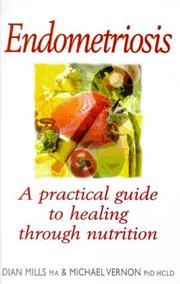
An accessible, patient-centered introduction that explains the disease's biology in plain language while immediately connecting it to everyday life — a gentle on-ramp for complete beginners.

Written by a leading endometriosis specialist and a physical therapist, this book builds on basic disease understanding and introduces the concept of a whole-body, multi-modal approach — bridging foundations with management.
Living With It: Pain Management & Lifestyle
BeginnerDevelop practical, evidence-informed strategies for managing pelvic pain, fatigue, and flares through diet, movement, physical therapy, and mind-body tools.
▸ Study plan for this stage
Pace: 3–4 weeks, ~20–25 pages/day (approximately 60–70 pages total; adjust based on note-taking and practice implementation)
- The gut-endo connection: how digestive health, inflammation, and food choices directly impact pelvic pain and symptom severity
- Anti-inflammatory eating principles specific to endometriosis (foods to emphasize vs. avoid) and how to implement them practically
- Pelvic floor dysfunction and tension patterns in endo; how physical therapy and gentle movement can reduce pain rather than worsen it
- The role of nervous system regulation (vagal tone, stress response) in pain perception and flare management
- Cycle syncing and hormonal awareness: aligning activity, rest, and nutrition with menstrual phases to minimize flares
- Practical pain management tools (heat, breathing, pacing) that work alongside medical treatment, not instead of it
- Building sustainable lifestyle habits that are realistic for chronic illness (avoiding perfectionism and all-or-nothing thinking)
- What are the primary dietary triggers and anti-inflammatory foods Edmonds recommends for endo, and how would you personalize this for your own body?
- How does the gut-endo connection work, and what specific digestive changes might reduce your pelvic pain?
- What is pelvic floor dysfunction, why is it common in endometriosis, and what types of movement or physical therapy does Edmonds suggest?
- How can you use cycle syncing to manage energy, pain, and symptoms across your menstrual month?
- What nervous system regulation techniques does Edmonds present, and which ones feel most accessible to you?
- How would you design a realistic, personalized pain management plan that combines diet, movement, and mind-body tools without becoming overwhelming?
- Food diary + symptom tracker: Keep a 2-week log of meals and pelvic pain/fatigue levels to identify your personal food triggers and anti-inflammatory wins
- Anti-inflammatory pantry audit: Review your current kitchen, identify 3–5 foods to reduce and 3–5 to add based on Edmonds' recommendations; plan one anti-inflammatory meal
- Pelvic floor awareness practice: Learn and perform one gentle pelvic floor release technique (e.g., deep breathing with pelvic relaxation) daily for 1 week; note any changes in baseline tension
- Movement experiment: Try one gentle activity Edmonds recommends (e.g., walking, restorative yoga, or pelvic floor-safe stretching) 3 times in a week and journal how it affects pain and energy
- Cycle syncing calendar: Map your menstrual cycle and plan one activity adjustment for each phase (e.g., more rest during luteal, gentle movement during follicular) for the next month
- Nervous system regulation toolkit: Practice 2–3 techniques from the book (e.g., box breathing, vagal toning, grounding) and identify which one you'll use during a flare
Next up: This stage equips you with concrete, daily tools to reduce inflammation and manage pain, setting the foundation for understanding how to advocate for yourself in medical settings and explore advanced treatment options in the next stage.
A gynecologic surgeon pairs dietary and lifestyle protocols with clear medical context, making it the ideal first deep-dive into self-management after grasping the basics.

A certified nutritional therapist and endo patient synthesizes anti-inflammatory nutrition, nervous-system regulation, and movement — read after Cook to layer complementary, patient-tested strategies.
Navigating the Medical System: Advocacy & Treatment
IntermediateUnderstand the full spectrum of treatment options (hormonal, surgical, integrative), learn how to find qualified specialists, ask the right questions, and become a confident self-advocate in clinical settings.
▸ Study plan for this stage
Pace: 6–8 weeks, ~25–35 pages/day (accounting for dense medical content and reflection time)
- The multidisciplinary approach to endometriosis treatment: hormonal, surgical, and integrative modalities and when each is appropriate
- How to identify and evaluate qualified endometriosis specialists, including red flags for inadequate care
- The patient's role in diagnostic accuracy: advocating for proper imaging (ultrasound, MRI), laparoscopy, and pathological confirmation
- Pelvic floor dysfunction and its relationship to endometriosis pain: assessment and rehabilitation strategies
- Surgical approaches to endometriosis excision versus ablation, and the importance of surgeon expertise and complete disease removal
- Building a collaborative healthcare team: coordinating care between gynecologists, pelvic floor physical therapists, and other specialists
- Self-advocacy skills: asking critical questions, understanding informed consent, and recognizing when to seek second opinions
- What are the three main categories of endometriosis treatment, and what are the advantages and limitations of each?
- How do you identify a qualified endometriosis specialist, and what credentials or experience should you look for?
- What role does pelvic floor dysfunction play in endometriosis pain, and how is it assessed and treated?
- What questions should you ask a surgeon before agreeing to endometriosis surgery, and why does surgeon expertise matter?
- How do you build an effective multidisciplinary care team, and what specialists might be involved?
- What are the key differences between excision and ablation surgery for endometriosis, and why does the distinction matter for outcomes?
- Create a 'specialist evaluation checklist' based on criteria from both books; use it to research and vet 2–3 endometriosis specialists in your area or online
- Write out 10–15 specific questions you would ask a potential surgeon or gynecologist before committing to treatment, organized by category (diagnosis, surgical approach, experience, outcomes)
- Map out your ideal multidisciplinary care team on paper: identify the roles (surgeon, pelvic floor PT, pain specialist, etc.) and research actual providers or resources in your region
- Develop a personal 'medical advocacy statement' that summarizes your endometriosis history, treatment goals, and non-negotiables to bring to appointments
- Conduct a mock appointment: role-play asking a healthcare provider tough questions about their approach to endometriosis, using scenarios from the books
- Create a comparison chart of hormonal, surgical, and integrative treatment options with pros/cons, recovery time, and success rates as presented in the books
Next up: This stage equips you with the knowledge and advocacy skills to navigate treatment decisions and build a supportive care team, preparing you to move into the next stage where you'll focus on long-term management, lifestyle integration, and sustaining wellness beyond the initial treatment phase.
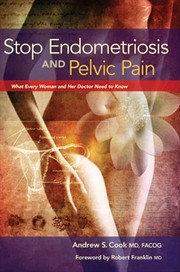
Cook's companion volume shifts focus from lifestyle to the medical system — excision surgery, hormonal therapies, and how to evaluate specialists — giving readers the clinical literacy to have informed conversations with their doctors.

A renowned endometriosis surgeon writes directly to patients about why the disease is under-treated and how to demand proper surgical care, making it essential reading before any treatment decision.
Deeper Understanding: Science, Fertility & the Whole Person
ExpertEngage with the broader scientific, reproductive, and psychosocial dimensions of endometriosis — including fertility implications, the latest research, and the systemic failures that have shaped the disease's history.
▸ Study plan for this stage
Pace: 8–10 weeks, ~40–50 pages/day (accounting for dense medical/sociological content and reflection time)
- Medical gaslighting and the dismissal of women's pain: how systemic bias in medicine has delayed endometriosis diagnosis and treatment
- The historical and institutional roots of women's health neglect: gender bias in medical research, education, and clinical practice
- Endometriosis and fertility: mechanisms of reproductive impact, treatment trade-offs, and the emotional/psychological weight of infertility decisions
- Patient narrative and embodied knowledge: how lived experience challenges medical authority and reveals gaps in clinical understanding
- The psychosocial burden of endometriosis: chronic pain, identity, sexuality, relationships, and mental health interconnections
- Systemic failures in endometriosis care: diagnostic delays, inadequate specialist training, and barriers to evidence-based treatment
- The politics of diagnosis and disease legitimacy: how endometriosis became medicalized and how that shapes patient experience
- Intersectionality in endometriosis: how race, class, and other identities compound diagnostic and treatment disparities
- What are the primary mechanisms by which medical gaslighting has delayed endometriosis diagnosis, and what systemic factors in medicine enable this dismissal of women's pain?
- How does Dusenbery's analysis of medical bias in *Doing Harm* specifically apply to endometriosis, and what historical patterns does she identify?
- What are the major ways endometriosis affects fertility, and what are the psychological and medical trade-offs patients face when deciding between fertility preservation and pain management?
- How does Norman's personal narrative in *Ask Me About My Uterus* illustrate the gap between medical knowledge and patient experience, and what does her story reveal about systemic failures in endometriosis care?
- What is the relationship between chronic endometriosis pain and mental health, sexuality, and relationships, and how do these dimensions interact?
- How do race, class, and other social identities shape the endometriosis experience, and what disparities exist in diagnosis and access to care?
- Create a timeline mapping the history of endometriosis recognition and treatment, annotating key moments where medical bias or institutional failures appear (use both books as sources)
- Write a comparative analysis: identify 3–4 specific examples from *Doing Harm* of medical gaslighting in other conditions, then map those patterns onto endometriosis cases described in *Ask Me About My Uterus*
- Conduct a close reading of Norman's narrative sections in *Ask Me About My Uterus*: extract 3–4 moments where her lived experience contradicts or complicates medical explanations, and reflect on what these gaps reveal
- Interview or survey 2–3 people with endometriosis (or review online patient forums/communities): document how their diagnostic journey matches or diverges from the patterns Dusenbery and Norman describe
- Design a hypothetical patient-centered endometriosis care protocol that addresses the systemic failures both authors identify—include diagnostic, treatment, fertility counseling, and mental health components
- Create a visual map (concept map, infographic, or diagram) showing the interconnections between endometriosis, fertility, chronic pain, mental health, and social identity as presented across both books
Next up: This stage equips you with a critical, systems-level understanding of endometriosis as both a medical and social phenomenon, preparing you to move toward practical application—whether that's clinical decision-making, patient advocacy, research design, or personal empowerment strategies grounded in this deeper knowledge.
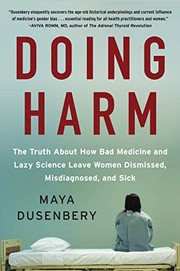
A rigorous, research-backed investigation into how medicine has historically dismissed women's pain — essential context for understanding why endometriosis takes an average of 7–10 years to diagnose and how to push back.

A deeply reported memoir-meets-investigation that weaves personal experience with medical history and science, reinforcing advanced concepts while keeping the human story central — a powerful capstone to the curriculum.
Discussion
Keep reading
Paths that share books, cover the same subject, or open a related topic.