The Best Books to Become a Doula or Midwife
This curriculum takes a beginner from understanding birth as a human experience all the way through the clinical, emotional, and professional skills needed to work as a doula or midwife. Each stage builds on the last: first developing a deep reverence and vocabulary for birth, then mastering labor support and the doula role, then diving into the physiology and clinical knowledge that underpins midwifery practice, and finally exploring the professional, ethical, and systemic dimensions of birth work.
Foundations: Understanding Birth
BeginnerBuild an intuitive, holistic understanding of pregnancy, birth, and the postpartum period — developing the vocabulary and mindset that all later clinical and professional learning depends on.
▸ Study plan for this stage
Pace: 8–10 weeks, ~25–30 pages/day (approximately 3–4 hours/week of focused reading)
- Birth as a normal physiological process: understanding the body's innate capacity to birth without unnecessary intervention
- The mind-body connection in labor: how fear, tension, and belief systems directly affect physical labor progression
- The birth partner's role: emotional support, advocacy, and practical comfort measures as essential to the birth experience
- Stages and phases of labor: recognizing normal labor progression, variations, and what constitutes true complications
- Informed consent and bodily autonomy: the ethical foundation for respectful care and decision-making in birth
- Cultural, spiritual, and emotional dimensions of birth: birth as a transformative life event, not merely a medical event
- The postpartum period as a critical transition: physical recovery, emotional integration, and early bonding
- Evidence-based practices vs. routine interventions: distinguishing what truly serves the birthing person from what is habitual
- What is the 'sphincter law' and how does it explain the relationship between fear/tension and labor progress?
- How do Ina May's birth stories illustrate the role of mindset and environment in birth outcomes?
- What are the four stages of labor as described in Spiritual Midwifery, and what are the key characteristics of each?
- What are the birth partner's primary responsibilities during labor, and how do they differ across the three stages of labor?
- How does informed consent apply to common birth interventions (induction, epidural, episiotomy, etc.)?
- What postpartum changes should a birthing person expect in the first weeks, and how can a partner support this transition?
- Read and annotate 3–4 birth stories from Ina May's Guide to Childbirth, identifying recurring themes about mindset, environment, and support; write a 1-page reflection on what surprised you
- Create a visual labor timeline (poster or digital) showing the stages and phases of labor with typical duration, physical sensations, and emotional states for each
- Role-play a labor support scenario with a partner: practice comfort measures (breathing, positioning, counterpressure, verbal affirmations) from The Birth Partner
- Research and compare one common birth intervention (e.g., continuous fetal monitoring, episiotomy) using evidence-based sources; write a 1-page summary of risks, benefits, and alternatives
- Interview a birth worker (midwife, doula, or experienced birth partner) about their approach to supporting normal birth; record key insights and compare to concepts from the readings
- Create a personal birth philosophy statement (1–2 pages) that synthesizes your understanding of birth as normal, the role of support, and your values around informed choice
Next up: This foundation in the physiology, psychology, and relational dimensions of birth equips you to move into the next stage—clinical skills and evidence-based practice—with a grounded, humanistic framework that will inform how you apply technical knowledge.

The essential starting point for any birth worker — Gaskin's landmark book reframes birth as a powerful, physiological process and introduces core concepts like the 'sphincter law' and the mind-body connection in labor. Reading this first builds the philosophical foundation everything else rests on.
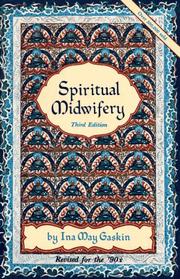
A companion to the Guide, this classic collection of birth stories from The Farm deepens intuition about normal birth and introduces the language and culture of midwifery. It should follow the Guide to reinforce the philosophy with vivid, real-world narrative.

Written by one of the founders of the doula profession, this is the most widely used reference for anyone supporting a laboring person. It introduces labor stages, comfort measures, and the support role in clear, accessible language — perfect before moving into more specialized texts.
The Doula Role: Labor Support in Depth
BeginnerUnderstand the specific skills, scope, and emotional intelligence required of a professional doula, and learn how to provide evidence-based physical and emotional support throughout the childbearing year.
▸ Study plan for this stage
Pace: 6–8 weeks, ~25–30 pages/day (approximately 3–4 hours/week of focused reading)
- The doula's role as a continuous, non-medical support person distinct from clinical providers (nurses, midwives, doctors)
- The 'mothering the mother' philosophy: how doulas provide emotional, physical, and informational support to reduce anxiety and increase confidence
- Evidence-based benefits of doula support: reduced intervention rates, shorter labors, improved maternal satisfaction, and better postpartum outcomes
- Physical comfort techniques: positioning, massage, breathing, movement, and hydrotherapy during labor
- Emotional presence and communication skills: active listening, validation, advocacy, and boundary-setting with the birth team
- The doula's scope of practice: what doulas do and do not do (non-clinical, non-directive support)
- Supporting the partner/support person and strengthening family relationships during birth and early postpartum
- Cultural competence and meeting families where they are: honoring diverse birth preferences, values, and backgrounds
- What are the key differences between a doula's role and the roles of nurses, midwives, and other clinical providers?
- How does the 'mothering the mother' concept shape the way a doula provides support throughout pregnancy, labor, and postpartum?
- What are the primary evidence-based benefits of continuous doula support, and what does the research show about outcomes?
- Describe at least five physical comfort techniques a doula can use during labor and explain when/how to apply them.
- How should a doula communicate with and support a laboring person's partner or support person?
- What are the boundaries of a doula's scope of practice, and how does a doula navigate working within a medical team?
- Read and annotate one chapter from 'The Doula Book' per week, creating a one-page summary of the doula skills and philosophy presented.
- Practice three physical comfort techniques (e.g., counterpressure, position changes, breathing cues) with a partner or friend, and write reflections on what felt supportive and why.
- Observe or watch a video of a doula in labor (if available) and identify at least 10 specific moments where the doula provided emotional, physical, or informational support.
- Interview a practicing doula (in person or via email) about their approach to 'mothering the mother' and how they navigate boundaries with medical providers; summarize key insights.
- Create a one-page 'doula toolkit' listing physical comfort techniques, communication phrases, and advocacy strategies you would use in different labor scenarios.
- Role-play a labor support scenario with a peer: one person plays the laboring person, one plays the partner, and one plays the doula; rotate roles and debrief on emotional presence and effectiveness.
Next up: This stage establishes the foundational knowledge and skills of doula support, preparing you to move into the next stage where you will learn how to navigate specific birth scenarios, complications, and the postpartum period with cultural sensitivity and clinical awareness.
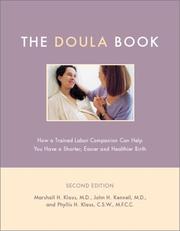
This is the research-grounded text that established the evidence base for doula care, drawing on landmark clinical trials. Reading it here gives the learner the 'why' behind doula support before they study the 'how' in greater depth.
A practical and emotional companion to The Doula Book, this title focuses on the relational and psychological dimensions of supporting a birthing person. It deepens empathy and communication skills that are central to doula practice.
Physiology & Clinical Knowledge: The Midwifery Core
IntermediateDevelop a solid understanding of the anatomy, physiology, and clinical processes of pregnancy, labor, birth, and the newborn — the knowledge base required for midwifery training and certification.
▸ Study plan for this stage
Pace: 12–14 weeks, ~40–50 pages/day (accounting for dense clinical content and note-taking). Suggested pacing: "Heart & Hands" (3–4 weeks), "Varney's Midwifery" (6–7 weeks), "Obstetric Myths Versus Research Realities" (2–3 weeks).
- Normal anatomy of the female reproductive system and how structural variations affect pregnancy and birth outcomes
- Physiological changes during pregnancy, labor, and the postpartum period, and how to distinguish normal from pathological
- The stages and phases of labor, mechanisms of labor, and cardinal movements of descent
- Fetal development, placental function, and maternal-fetal physiology throughout pregnancy
- Evidence-based assessment and management of labor, including vaginal examination findings and interpretation
- The newborn's physiological transition and immediate assessment (Apgar score, physical exam, reflexes)
- Common obstetric interventions and their evidence base: when they are truly necessary versus when they reflect myth rather than research
- The midwifery model of care: how physiological knowledge informs individualized, low-intervention approaches to normal birth
- What are the anatomical landmarks of the pelvis, and how do pelvic variations affect labor progression and birth outcomes?
- Describe the physiological changes in the cardiovascular, respiratory, and metabolic systems during pregnancy, and explain why these changes occur.
- What are the stages of labor, and what physiological and clinical changes characterize each stage?
- How does the placenta develop and function, and what role does placental physiology play in fetal growth and maternal health?
- What does a normal vaginal examination reveal at different stages of labor, and how do findings guide midwifery management?
- Explain the newborn's physiological transition from intrauterine to extrauterine life and how to assess a newborn's adaptation.
- Which common obstetric interventions (induction, episiotomy, continuous monitoring, etc.) are supported by evidence, and which reflect outdated practice?
- How does understanding normal physiology inform the midwifery approach to supporting labor without unnecessary intervention?
- Create detailed anatomical diagrams of the female pelvis, labeling all landmarks (inlet, mid-pelvis, outlet, diameters), and annotate how each structure relates to labor mechanics.
- Track maternal physiological changes across all three trimesters using a chart: document cardiovascular, respiratory, metabolic, and endocrine changes with explanations of their purpose.
- Perform or observe vaginal examinations (with appropriate supervision and consent) and practice documenting cervical findings (dilation, effacement, consistency, position) and fetal station/position using standard terminology.
- Create a labor progress timeline: sketch cervical dilation curves, describe what happens in each stage/phase, and note key clinical assessments and midwifery actions at each point.
- Study fetal development week by week for the first 12 weeks and then by trimester; create a visual timeline showing organ system development and critical periods of vulnerability.
- Write evidence summaries for 5–8 common obstetric interventions (e.g., continuous fetal monitoring, episiotomy, induction, augmentation): list the claimed benefits, actual evidence, and when midwifery-supported alternatives are appropriate.
- Conduct a newborn physical examination on a doll or with supervision on a real newborn; practice assessing reflexes, vital signs, and signs of adaptation to extrauterine life.
- Develop case studies: write up 3–4 labor scenarios (e.g., primigravida in early labor, multiparous woman with rapid labor, suspected malposition) and describe how you would assess and support each using physiological knowledge.
Next up: This stage builds the clinical and anatomical foundation necessary for the next stage—whether that is advanced skills in labor support, complications and risk management, or professional practice standards—by ensuring you can recognize normal physiology, interpret clinical findings accurately, and distinguish evidence-based care from outdated myth.
The definitive midwifery clinical guide for aspiring and practicing midwives, covering prenatal care, labor assessment, birth complications, and newborn care. This is the book most midwifery students read first for clinical content and should anchor this stage.
The comprehensive, textbook-level reference used in certified nurse-midwifery programs worldwide. After Heart & Hands builds intuition, Varney's provides the full clinical depth — anatomy, pathophysiology, pharmacology, and evidence-based management.

A rigorous, research-based critique of common obstetric interventions, this book teaches the learner to read and evaluate clinical evidence — a critical skill for any midwife navigating hospital or birth center settings.
Professional Practice: Ethics, Culture & the Bigger Picture
ExpertUnderstand the historical, cultural, political, and ethical dimensions of birth work, and develop the professional identity and systemic awareness needed to practice with integrity and advocate for birthing people.
▸ Study plan for this stage
Pace: 8–10 weeks, ~25–30 pages/day. Read "Birth as an American Rite of Passage" (weeks 1–4, ~200 pages), then "Pushed" (weeks 5–8, ~400 pages), with 2 weeks for integration, reflection, and exercises.
- Birth as a cultural rite of passage: how American obstetrics reflects and reinforces cultural values about technology, control, and the body
- The technocratic model of birth vs. holistic models: understanding how different worldviews shape birth practices and outcomes
- Historical evolution of American obstetrics: from midwifery to medicalization and the professionalization of birth
- The politics of informed consent and choice: how systemic barriers, racism, and economic factors constrain genuine autonomy in birth
- Cesarean section as cultural phenomenon: examining the rise in surgical birth rates and their social, not just medical, drivers
- The role of fear, marketing, and institutional protocols in shaping birth experiences and outcomes
- Ethical practice in birth work: balancing respect for autonomy, cultural humility, and advocacy within institutional constraints
- Intersectionality in birth justice: how race, class, gender, and power shape maternal outcomes and the doula/midwife's responsibility
- How does Davis-Floyd define birth as a rite of passage, and what does American obstetric practice communicate about cultural values regarding technology, control, and the female body?
- What are the key differences between the technocratic and holistic models of birth, and how do these worldviews lead to different clinical practices and outcomes?
- Trace the historical shift from midwifery-led to physician-led obstetrics in America. What social, economic, and professional forces drove this change?
- According to Block's analysis in 'Pushed,' what role do fear, marketing, and institutional incentives play in the rising cesarean rate, and how does this challenge the medical necessity narrative?
- How do systemic inequities (race, class, insurance status) create different birth experiences and outcomes, and what ethical obligations does this create for birth workers?
- What does it mean to practice with integrity as a doula or midwife within a medicalized system? How do you advocate for clients while respecting institutional realities?
- Comparative analysis: Create a two-column chart contrasting the technocratic vs. holistic models of birth using specific examples from Davis-Floyd. Then identify which model dominates your local hospital or birth center, with evidence.
- Historical timeline: Map the professionalization of obstetrics from 1900–present using Davis-Floyd's historical narrative. Annotate key turning points and identify which forces (economic, professional, cultural) drove each shift.
- Case study deconstruction: Select 2–3 birth stories from 'Pushed' (or from your own experience/interviews). Analyze each using Block's framework: What fears or institutional protocols shaped the outcome? Where was genuine choice present or absent?
- Systemic audit: Interview or shadow a doula, midwife, or OB in your region. Document: What protocols exist? Who has decision-making power? Where do race, class, or insurance status visibly affect care? Reflect on what you observe through the lens of Davis-Floyd and Block.
- Ethical scenario workshop: Write 3–4 detailed ethical dilemmas you might face as a doula/midwife (e.g., a client wants a VBAC but the hospital discourages it; a client is being pressured into induction). For each, articulate your values, the systemic constraints, and your response strategy.
- Cultural humility reflection: Interview someone from a different cultural background about their birth experience or values. How do their beliefs align or conflict with the technocratic model? How would you, as a birth worker, honor their perspective within a medicalized setting?
Next up: This stage equips you with the historical, ethical, and systemic literacy to understand *why* birth is practiced as it is and *where* your professional responsibility lies; the next stage will focus on translating this awareness into concrete clinical skills, communication strategies, and advocacy tools for supporting birthing people across diverse contexts.

A landmark anthropological study of how culture shapes birth practices in America. Reading this develops the critical lens needed to understand why birth work is inherently political and how to advocate for client-centered care within systems.

An investigative, evidence-rich look at the maternity care system in the United States, covering cesarean rates, hospital policies, and the marginalization of midwifery. This book sharpens the professional and advocacy skills of a graduating birth worker.
Discussion
Keep reading
Paths that share books, cover the same subject, or open a related topic.