Intuitive eating is harder than it sounds because it asks you to undo something first. Years of diet rules, calorie counting, and moral thinking about food do not just vanish when you decide to eat intuitively; they have to be examined and released. Skip that step and "intuitive eating" quietly becomes another diet in disguise.
A good reading order does the deprogramming before the practice: understand diet culture, learn the framework, do the emotional work, and then repair body image. A note of context — these books are about your relationship with food, not clinical treatment. If you have or suspect an eating disorder, please work with a qualified professional; these titles complement care, they do not replace it.
See through diet culture
Start with Anti-Diet, a well-researched dismantling of the assumptions most of us absorbed without noticing, and Health at Every Size, which challenges the equation of weight with health. Together they clear the ground so the actual practice can take root.
Learn the framework
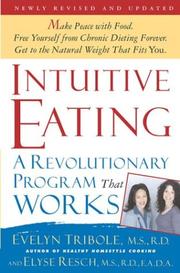
Now the method itself. Intuitive Eating is the foundational text that names the principles — honoring hunger, rejecting the diet mentality, making peace with food — and the Intuitive Eating Workbook turns them into guided practice. Read them together to move from theory to daily habit.
Do the inner work and heal body image
The hardest part is emotional. Eating in the Light of the Moon uses story and psychology to explore the deeper roots of disordered eating, and Caroline Dooner's irreverent take pushes back hard on restriction. Body Respect reframes health without the weight obsession, More Than a Body rebuilds body image beyond appearance, and Whole30's Food Freedom Forever and How to Raise an Intuitive Eater extend the ideas to sustaining freedom and passing it to the next generation.
Read in this order and intuitive eating stops being a rule to follow and becomes a relationship to rebuild. Follow the full path to move from diet exhaustion toward genuine, lasting peace with food.
Follow the full reading path →
Ready to learn something deeply?
Build a reading path — free