The Best Books to Understand Anglicanism
This curriculum moves from a confident intermediate starting point through the full sweep of Anglican history, theology, and liturgy, ending with advanced engagement in contemporary debates and spiritual depth. Each stage builds the conceptual vocabulary needed for the next, so that by the end the reader can engage Anglicanism not just descriptively but theologically and critically.
Foundations & Identity
IntermediateGrasp what Anglicanism is, where it came from, and what makes it distinct — establishing the historical and theological framework for everything that follows.
▸ Study plan for this stage
Pace: 4–5 weeks, ~25–30 pages/day. Week 1–2: Holmes' "What Is Anglicanism?" (~120 pages); Week 2–3: Griffiss' "The Anglican Vision" (~100–120 pages); Week 4–5: Review, synthesis, and exercises.
- The historical origins of Anglicanism: the English Reformation, Henry VIII's break with Rome, and the via media between Catholic and Protestant traditions
- The foundational theological principles: Scripture, Tradition, and Reason as the three-legged stool of Anglican authority
- Anglican identity as a both/and rather than either/or approach to doctrine, worship, and church governance
- The Book of Common Prayer as the defining liturgical and theological expression of Anglican faith and practice
- The role of the episcopacy (bishops) and apostolic succession in Anglican ecclesiology
- Comprehensiveness and inclusivity as core Anglican values—the capacity to hold diverse theological perspectives within one communion
- The Anglican vision of the Church as a community shaped by Scripture, reason, and lived experience rather than rigid dogma
- The relationship between Anglicanism and other Christian traditions: its Catholic heritage, Protestant reformation, and ecumenical openness
- What historical events and figures shaped the emergence of Anglicanism, and how did the English Reformation differ from continental Protestantism?
- How do Scripture, Tradition, and Reason function together in Anglican theology, and why is this framework called the 'three-legged stool'?
- What is the via media, and how does it characterize Anglican identity in relation to Catholicism and Protestantism?
- Why is the Book of Common Prayer so central to Anglican identity, and what theological principles does it embody?
- What does comprehensiveness mean in Anglicanism, and how does it allow for theological diversity within the communion?
- How does the Anglican understanding of the Church's authority differ from Roman Catholic and Protestant models?
- Create a timeline of key events in Anglican history (1534–present) based on Holmes' account, noting how each shaped Anglican identity and theology.
- Diagram the 'three-legged stool' (Scripture, Tradition, Reason) and provide concrete examples from Griffiss of how each leg functions in Anglican decision-making and theology.
- Read and annotate a passage from the Book of Common Prayer (e.g., the Eucharistic prayer or Nicene Creed as it appears in the BCP) and identify how it reflects the via media and the three-legged stool.
- Write a 500–750 word comparative essay: 'How does Anglican comprehensiveness differ from both Roman Catholic uniformity and Protestant denominationalism?' Use specific examples from both books.
- Interview or correspond with an Anglican priest or theologian about how they experience the tension between tradition and innovation in their parish; reflect on how their answer illustrates Griffiss' vision of Anglican identity.
- Create a visual map or concept web showing the relationships between Holmes' historical narrative and Griffiss' theological vision—how does understanding origins deepen understanding of contemporary Anglican practice?
Next up: With a firm grasp of what Anglicanism is and why it emerged as a distinct tradition, you are now prepared to explore how Anglican theology and practice have developed, adapted, and been tested across centuries and cultures—moving from foundational identity to lived expression and contemporary challenges.

A concise, widely-used introduction to Anglican identity, ethos, and the via media — ideal for building the theological vocabulary needed for deeper reading.
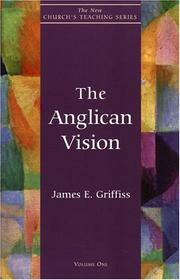
Part of the New Church's Teaching Series, this book articulates Anglican theological method (Scripture, Tradition, Reason) and prepares the reader for more technical doctrinal study.
History in Depth
IntermediateUnderstand the full arc of Anglican history — from the English Reformation through the global Communion — with enough detail to see how theology and politics shaped each other.
▸ Study plan for this stage
Pace: 8–10 weeks, ~40–50 pages/day (MacCulloch's biography is dense; allow time for re-reading key passages)
- Cranmer's theological evolution from Catholic to Reformed Protestant and its impact on Anglican doctrine
- The interplay between royal politics (Henry VIII, Edward VI, Mary I, Elizabeth I) and ecclesiastical reform
- The development of the Book of Common Prayer as a theological and liturgical compromise
- Cranmer's role in establishing the Church of England's independence from Rome and its theological identity
- The concept of via media (middle way) and how Cranmer's work laid groundwork for Anglican comprehensiveness
- The personal cost of religious conviction: Cranmer's recantations, martyrdom, and legacy
- How Reformation theology (justification, scripture, priesthood) was adapted for the English context
- The relationship between liturgy, politics, and doctrine in shaping early Anglican identity
- How did Cranmer's theological views change over his lifetime, and what external pressures drove those changes?
- What was Cranmer's vision for the Book of Common Prayer, and how did it reflect both Catholic and Protestant elements?
- How did the reigns of different monarchs (Henry, Edward, Mary, Elizabeth) shape Cranmer's role and the Church's direction?
- Why is Cranmer considered a founder of Anglican identity, and what specific doctrinal or liturgical contributions did he make?
- What does Cranmer's life reveal about the relationship between political power and religious reform in the English Reformation?
- How did Cranmer's final recantation and martyrdom affect his legacy and the development of Anglicanism?
- Create a timeline of Cranmer's life alongside the reigns of Henry VIII, Edward VI, Mary I, and Elizabeth I, noting key theological shifts and political events at each stage
- Read and annotate key excerpts from the Book of Common Prayer (1549 and 1552 versions); identify which elements reflect Catholic tradition and which reflect Protestant theology
- Write a 2–3 page analysis of one major decision Cranmer made (e.g., his stance on clerical celibacy, the Eucharist, or royal supremacy) and the theological and political reasoning behind it
- Compare Cranmer's theology with that of a contemporary reformer (e.g., Luther or Calvin) using MacCulloch's account; note where Cranmer diverged and why
- Trace the concept of 'comprehensiveness' through MacCulloch's narrative: how did Cranmer's willingness to accommodate different views shape Anglican practice?
- Create a character map showing Cranmer's relationships with key figures (Henry VIII, Thomas More, Stephen Gardiner, etc.) and how these relationships influenced his decisions
Next up: This stage establishes Cranmer as the theological and liturgical architect of early Anglicanism, providing the foundation to understand how his compromises and innovations were either consolidated, challenged, or transformed in subsequent centuries and across the global Anglican Communion.
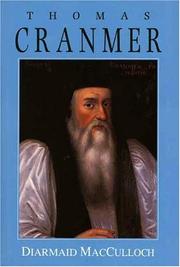
The definitive biography of Anglicanism's founding theologian and architect of the Prayer Book; reading it here grounds all subsequent liturgical and doctrinal study in historical reality.
Worship & the Book of Common Prayer
IntermediateUnderstand the theology embedded in Anglican liturgy, the history and structure of the Book of Common Prayer, and how lex orandi shapes lex credendi in this tradition.
▸ Study plan for this stage
Pace: 8–10 weeks, ~25–30 pages/day (Dix first: 4–5 weeks; Hefling second: 4–5 weeks)
- The fourfold shape of the Eucharist (offertory, consecration, fraction, communion) as the structural foundation of Christian worship
- How liturgical form embodies and transmits theological belief through ritual action (lex orandi, lex credendi)
- The historical development of the Book of Common Prayer from 1549 to modern revisions, and the theological choices embedded in each iteration
- The theology of the Eucharist in Anglican tradition: the via media between Catholic and Reformed understandings
- The role of Scripture, prayer, and ceremonial in shaping Anglican identity and doctrinal formation
- The structure and purpose of the BCP's daily offices, occasional services, and pastoral rites as expressions of Anglican ecclesiology
- How Cranmer's linguistic and theological innovations in the BCP created a distinctly Anglican theological voice
- What is the fourfold shape of the liturgy according to Dix, and why does he argue it is fundamental to Christian worship?
- How does the principle of lex orandi, lex credendi function in Anglican theology, and what examples does Dix provide from liturgical history?
- What were the major theological controversies surrounding the 1549 and 1552 Prayer Books, and how did Cranmer's revisions address them?
- How does the Book of Common Prayer articulate a distinctive Anglican Eucharistic theology that differs from both Roman Catholic and Reformed positions?
- What is the theological significance of the structure and content of the daily offices (Morning and Evening Prayer) in Anglican spirituality?
- How do the occasional services (baptism, marriage, burial, ordination) in the BCP reflect Anglican ecclesiology and pastoral theology?
- Read the 1549 and 1552 Eucharistic prayers side-by-side (available in Hefling's appendices or online); identify the specific theological differences Cranmer introduced and explain why each change matters
- Trace Dix's fourfold shape through a complete 1662 or modern BCP Eucharistic rite; annotate where each element (offertory, consecration, fraction, communion) appears and note how the shape structures the theology
- Attend or watch a recorded Anglican Eucharist (ideally from a traditional or Anglo-Catholic parish); observe how the liturgical actions embody the theological principles you've learned from Dix and Hefling
- Write a 2–3 page theological reflection on one occasional service (e.g., the marriage or burial rite) from the BCP, explaining how its language and structure express Anglican doctrine
- Create a comparative chart of the daily offices across three BCP editions (1549, 1662, modern); analyze how changes in psalter allocation, canticles, and collects reflect evolving Anglican theology
- Memorize or recite the Nicene Creed and one complete Eucharistic prayer from the BCP; reflect on how the liturgical context deepens your understanding of the doctrinal content
Next up: This stage establishes how Anglican theology is *lived* through worship and embedded in liturgical form, preparing you to examine the doctrinal and pastoral consequences of that theology in subsequent stages on Anglican ecclesiology, sacramental theology, or moral teaching.

A landmark work of liturgical scholarship that explains the fourfold eucharistic action underlying all Christian worship; essential reading before studying the Prayer Book's specific genius.
A comprehensive, scholarly reference to the Prayer Book tradition across its many versions and national expressions — the definitive companion for understanding Anglican worship in practice.
Theology & Doctrine
ExpertEngage Anglican theological method and doctrinal content at a serious level, understanding how Anglican thinkers have handled Scripture, tradition, reason, and the great ecumenical questions.
▸ Study plan for this stage
Pace: 8–10 weeks, ~40–50 pages/day (Hooker is dense; plan for slower, meditative reading; Avis is more accessible and moves faster)
- Hooker's three-legged stool: Scripture, tradition, and reason as integrated sources of theological authority—not hierarchy but mutual illumination
- The via media as a methodological principle: how Anglicanism navigates between Reformed and Catholic extremes through reasoned theological judgment
- Natural law and divine law in Hooker's framework: how reason apprehends God's eternal law and its application to church polity and Christian life
- The relationship between Scripture and ecclesiastical authority: Hooker's defense of church tradition and reasoned development against both papal absolutism and radical Protestantism
- Avis on Anglican identity: how Anglicanism defines itself through theological method rather than doctrinal distinctiveness, and its ecumenical implications
- The problem of doctrinal development and continuity: how Anglican thinkers justify change and adaptation while maintaining apostolic faith
- Reason as a theological tool: understanding the Anglican confidence in human rationality as God-given and necessary for interpreting revelation
- Ecumenical theology in the Anglican tradition: how Avis shows Anglicanism's historical role as a bridge church and its contemporary ecumenical commitments
- How does Hooker's integration of Scripture, tradition, and reason differ from both Roman Catholic and Reformed approaches to authority? What does he mean by saying reason is not opposed to Scripture but necessary for understanding it?
- What is the via media, and how does Hooker exemplify it in his treatment of specific ecclesiastical controversies (e.g., vestments, church governance, the nature of the Eucharist)?
- Explain Hooker's doctrine of natural law and its relationship to divine law. How does this framework justify both continuity with Catholic tradition and reform against papal claims?
- According to Avis, what makes Anglicanism distinctive as a theological tradition? Is it doctrinal content, method, or institutional identity—and what are the implications for ecumenical dialogue?
- How do Hooker and Avis each address the problem of doctrinal development? On what grounds can the church change or refine doctrine while remaining faithful to apostolic Christianity?
- What role does reason play in Anglican theology according to both authors? How is this different from Enlightenment rationalism, and what are its limits?
- Close reading: Select one major controversy Hooker addresses (e.g., vestments in Book V, or the nature of church authority in Book III). Trace how he applies Scripture, tradition, and reason to reach his conclusion. Write a 2–3 page analysis of his method in action.
- Comparative theology: Choose a specific doctrine (e.g., the Eucharist, church governance, or justification). Compare how Hooker positions the Anglican view between Catholic and Reformed positions. Create a three-column chart showing each tradition's approach and Hooker's synthesis.
- Natural law application: Read Hooker's discussion of natural law (Book I, particularly). Apply his framework to a contemporary ecclesiastical issue (e.g., women's ordination, LGBTQ+ inclusion, or ecumenical recognition). Write a 2–page reflection on how Hookerian reasoning might address it.
- Avis engagement: Identify three ecumenical dialogues or relationships Avis discusses (e.g., with Rome, the Orthodox, or Protestant churches). For each, explain what Avis sees as Anglican strengths and limitations in dialogue. Present findings in a brief oral summary or written outline.
- Theological method comparison: Read a passage from Hooker and a passage from Avis on the same theme (e.g., authority, tradition, or reason). Write a 1–2 page reflection on how Avis's modern perspective either develops or critiques Hooker's approach.
- Synthesis essay: Write a 4–5 page essay answering: "What is the Anglican theological method, and why does it matter for Christian unity?" Ground your answer in specific arguments from both Hooker and Avis.
Next up: This stage establishes the theological foundations and methodological DNA of Anglicanism, equipping you to recognize how Anglican thinkers approach doctrinal questions; the next stage will likely apply these principles to specific contemporary issues, ecumenical contexts, or the development of Anglican thought across different historical periods.

The foundational theological text of Anglicanism; reading Hooker here — after the historical and liturgical groundwork — reveals the intellectual architecture the whole tradition rests on.
A rigorous theological account of Anglican ecclesiology and its ecumenical implications — the right capstone for doctrinal study before turning to contemporary challenges.
Contemporary Challenges & Global Communion
ExpertWrestle with the tensions — over Scripture, sexuality, authority, and unity — that define Anglicanism today, and appreciate its worldwide, multicultural expression.
Written by a recent Archbishop of Canterbury, this book offers an insider's spiritual and pastoral vision for Anglicanism's future, providing a fitting and hopeful conclusion to the curriculum.
Discussion
Keep reading
Paths that share books, cover the same subject, or open a related topic.