Anglicanism is unusually hard to summarize because it is defined less by a single confession than by a shared history, a form of worship, and a temperament that tries to hold Catholic and Reformed elements together. Reading in order helps: start with the historical story of how it came to be, then its distinctive way of praying, then the theology and identity questions that still animate it. This path treats the tradition respectfully and descriptively, for believers and curious outsiders alike.
Begin with the history, move to worship and formative texts, then to the debates about what Anglicanism is.
The history
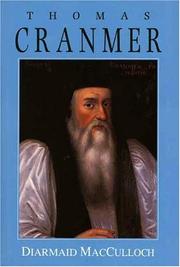
Begin with The Story of the Church of England, Diarmaid MacCulloch's clear narrative of the church from the Reformation onward, and its fuller companion The Church of England: A History. For the founding drama, Thomas Cranmer, MacCulloch's magisterial biography of the archbishop who shaped English worship and died for it, is the essential deep dive into the tradition's formation.
Worship and formative texts
Anglicanism famously prays its theology. The shape of the liturgy, Gregory Dix's classic and influential study of the Eucharist, explains why worship sits at the tradition's center, and The Oxford guide to the Book of common prayer, edited by Charles Hefling, is the authoritative companion to the book that has formed Anglican life for centuries. Then read Of the laws of ecclesiastical polity, Richard Hooker's foundational defense of the Anglican settlement through scripture, tradition, and reason, the closest thing the tradition has to a systematic charter.
Identity and the modern debates
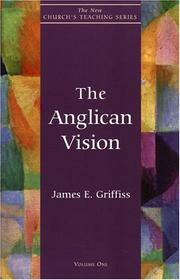
What holds it together is a live question. What Is Anglicanism?, Urban Holmes' concise classic, and The Anglican vision, James Griffiss' accessible account, describe the ethos. The Anglican Tradition, A. M. Allchin's study, and Anglicanism and the Christian Church, Paul Avis' ecclesiology, go deeper into self-understanding. For the strains, Anglican Difficulties, Ephraim Radner's reckoning with communion-wide conflict, and The Wounds of Jesus, Justin Welby's pastoral reflection, show the tradition thinking about itself today.
Read in order, Anglicanism's history, worship, and identity click into place. Follow the full path to take the books in sequence.
Follow the full reading path →
Ready to learn something deeply?
Build a reading path — free